
Lanzarote & Museo Atlántico · Spain · Wall · Pelagic & blue water
Pechiguera
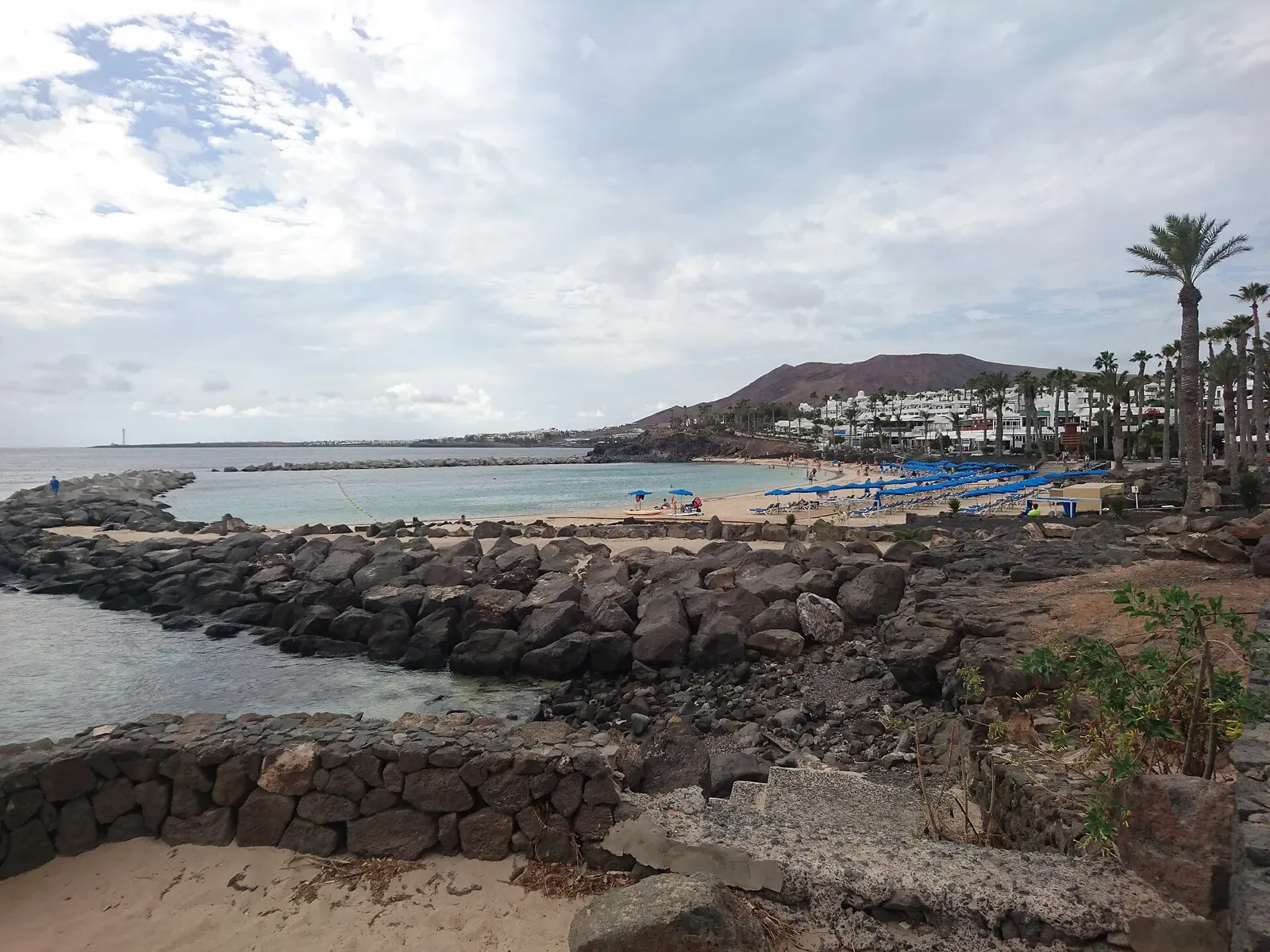
A wall behind the lighthouse dropping past 80 m
Area photo: Julien Renoult · CC BY 4.0
Outside Playa Blanca and behind the Pechiguera lighthouse, the rock falls away in a wall that drops past 80 metres. Local centres run it to a maximum of 30 metres and list it for advanced and technical divers only, and the life is open-sea rather than small-reef: shoals of tuna and barracuda, corals on the rock, stingrays, angel sharks and mantas.
Where it is and how deep
28.8646° N, 13.8805° WPublished position for this site.
The dive
The site is the wall itself. It drops past 80 metres, so the dive is defined by the depth you plan for rather than by any feature on the bottom; centres run it to a maximum of 30 metres and leave the rest of the face to technical divers. You descend the rock, work along it at the level agreed on the boat and come back up the same wall, with open water on one side of you the whole way.
There is not much small life here. What the site has instead is open-sea traffic: shoals of tuna and barracuda that pass rather than settle, with corals on the rock and stingrays, angel sharks and mantas also recorded. Because the sightings come and go, groups tend to hold a level and watch the water rather than cover ground along the wall.
The ascent follows the wall back up, which gives a continuous reference for a slow, staged climb and a stop made against the rock. That reference matters more here than on the island's shallower sites: with the bottom out of sight below and open water to seaward, the face is the only thing telling you which way is up and how fast you are moving.
Marine life and season
- Tuna
- Barracuda
- Stingrays
- Manta rays
| Jan | Feb | Mar | Apr | May | Jun | Jul | Aug | Sep | Oct | Nov | Dec |
|---|---|---|---|---|---|---|---|---|---|---|---|
| Good | Good | Good | Good | Good | Prime | Prime | Prime | Prime | Prime | Good | Good |
Season follows Lanzarote & Museo Atlántico: Divable all year in 18–24°C water; Jun–Oct is warmest and calmest, and angel sharks are most reliably seen Nov–Mar.
Know before you go
- The wall drops past 80 metres with no natural stopping point, so the 30 m limit has to be agreed and watched on the way down rather than judged from the terrain.
- The interest here is off the face in open water, and following pelagic fish out from the wall is the quick way to lose both your depth reference and your buddy.
Questions divers ask
How deep is the Pechiguera wall?+
The wall drops to 80 metres and beyond. Recreational groups dive it to a maximum of 30 metres, and the site is listed for advanced and technical divers rather than as a general recreational dive.
Sources
- Pechiguera dive site — Scubago
- Punto de buceo Pechiguera — Rubicon Diving
More dive sites in Lanzarote & Museo Atlántico
Artificial reef
A dive that starts at a submerged boat and runs to 40 m
A short swim-through entered at 26 m, exiting at 18 m
Reef
Shore-entry reef at 7-8 m, the local beginner and refresher dive
Reef
Black coral forest and gorgonia between 40 and 85 m
Reef
Lava formations stepping from 12 m to a 45 m bottom
Cave & cavern
A cave full of narwhal shrimp on a wall with a 40 m foot
Artificial reef
Outfall pipes standing as the only structure on an open platform
Artificial reef
Europe's first underwater museum, opened in January 2017
Similar dives elsewhere
Ten to thirty sharks work the ledges when the drum goes in
A gorgonian field at 30 m, with one fan over 2 m across
An early-morning drop into the blue for hammerheads


A coral peninsula at 30 m with predators working the current line