North America · Mexico
Loreto Bay National Park
Sea lion colonies and black coral walls around the islands off Loreto.
Loreto Bay National Park protects about 206,000 hectares of sea and islands off the town of Loreto, with more than 50 dive sites around the islands of Coronado, Carmen, Danzante and Montserrat. Day boats from town reach lava walls hung with black coral, fish-thick pinnacles such as Piedra Blanca, offshore seamounts and the sunken minesweeper Agustin Melgar. The park holds two sea lion colonies and, from May to August, schools of mobula rays, in water from 17 °C in winter to 30 °C in summer.
About diving in Loreto Bay National Park
Diving here is by day boat from the dive centres in Loreto town. The usual trips run to the islands of Coronado, the west side of Carmen and Danzante, with the dive master, tanks, weights, lunch, water and marine park fees bundled into the day. Montserrat and Catalina are the farthest islands and the least visited. In winter, hard north winds can keep the boats in harbour, and the Pacific hurricane season from June to November sometimes brings heavy rain.
Around Coronado the sites are lava formations that create caverns, ledges and deep, steep walls, and some spots run as drift dives. Thick forests of black coral grow deep, and sometimes not that deep; elsewhere sea fans dress the walls and small hard coral patches speckle the rocky reefs. Nudibranchs turn up in great numbers, along with sea slugs, flatworms and crustaceans, while eagle rays and horn sharks pass along the deep walls. Night dives start in total darkness to let the bioluminescence build.
The park suits divers who want rocky Sea of Cortez walls, sea lions and macro life, and it has sites for both beginners and advanced divers. The south of Danzante and the farther seamounts and pinnacles are advanced dives with strong currents and greater depths, while the north half of Danzante has easy sites suitable for every diver. The park was created by federal decree in 1996, and spear fishing is banned inside it.
Best time to dive Loreto Bay National Park
| Jan | Feb | Mar | Apr | May | Jun | Jul | Aug | Sep | Oct | Nov | Dec |
|---|---|---|---|---|---|---|---|---|---|---|---|
| Fair | Fair | Fair | Fair | Prime | Prime | Prime | Prime | Fair | Fair | Fair | Fair |
Mobula schools peak May to August, and summer brings the warmest, clearest water; winter north winds can keep boats in harbour.
Dive types & marine life
The park holds two sea lion colonies. Mobula rays roam the bay and gather in schools of hundreds, most often from May to August, sometimes leaping clear of the water. Whales pass in winter and spring, occasionally late autumn. Black coral forests, nudibranchs, eagle rays and horn sharks complete the picture.
- Wall
- Seamount
- Reef
- Drift
- Wreck
- Night
- Seals & sea lions
- Mobula rays
- Eagle rays
- Nudibranchs
Best dive sites in Loreto Bay National Park
- 1
Piedra Blanca
A group of pinnacles counted among the fishiest dive sites in the park.
- 2
Agustin Melgar wreck
The 55-metre minesweeper C-54 (180 feet), sunk close to shore for diving, with easy penetrations.
- 3
El Murcielago
A seamount that ranks with Piedra Blanca among the park's fishiest sites.
- 4
The Abyss
A deep, vertical wall that drops away into the depths.
- 5
Bajo Sandia
An untouched seamount among the remote sites around Isla Montserrat.
Site guides
Seamount
A remote seamount flooded with creole fish near Isla Montserrat
A WWII minesweeper sunk for divers, with easy penetrations
Seamount
Hundreds of king angelfish among huge boulders on a deep seamount
Reef
An offshore reef with schools of surgeonfish and guitar rays
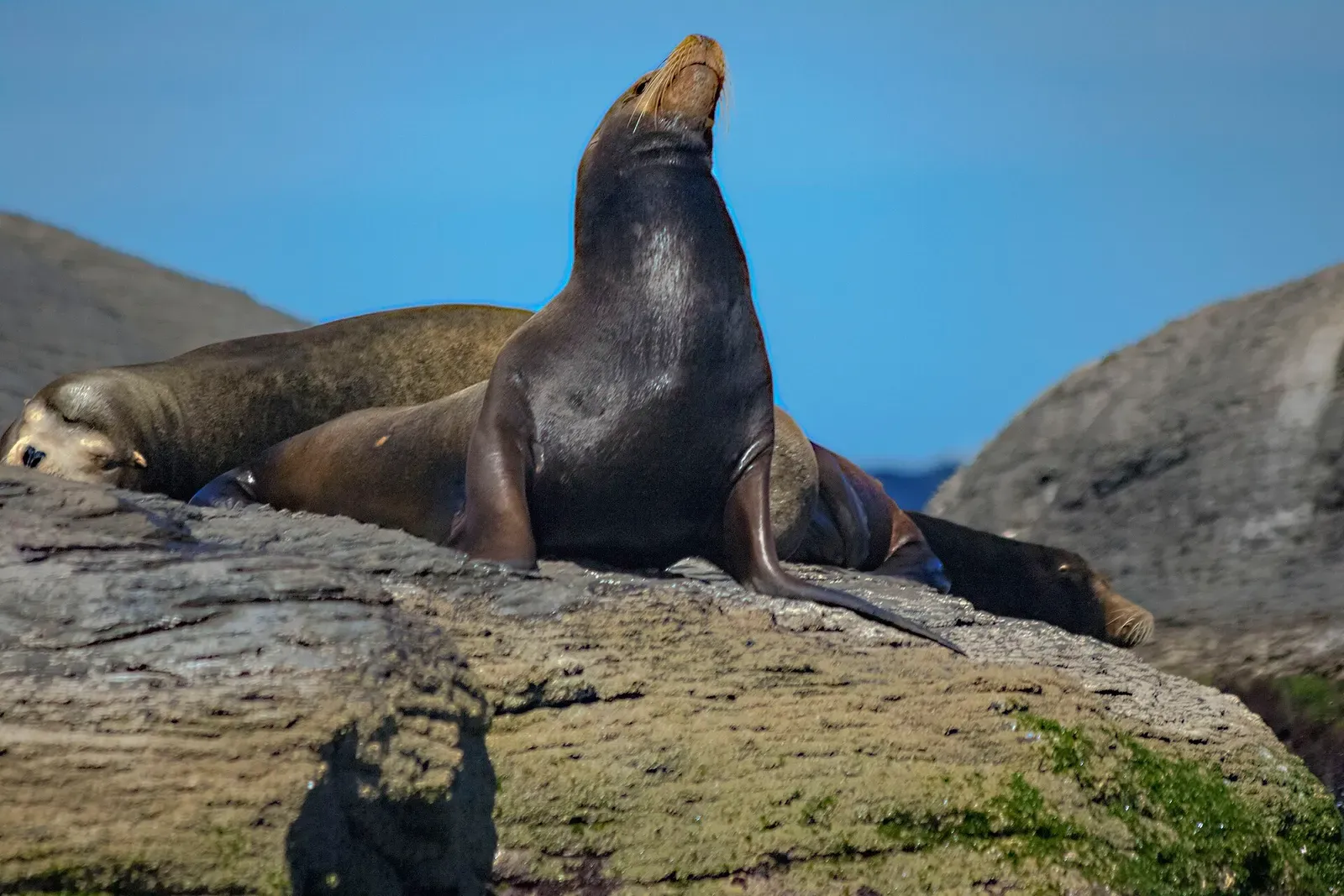
Sea lions from the local colony and black coral caverns at 30 m
Pinnacle
Three pinnacles with horn sharks among black coral bushes at the base
Wall
Sheer drop-offs with yellow polyp black coral and schooling jacks
How to get to Loreto Bay National Park
Loreto International Airport (LTO) is 15 minutes from downtown Loreto, and the only way between the two is by taxi, with no public transport to the airport. The dive centres are in Loreto town, and the dive trips run by boat out to the park's islands.
Photos from Loreto Bay National Park
ikarusmedia · CC BY 2.0
Kirt Edblom · CC BY-SA 2.0
Dive videos
The Colors of the Cortez - Diving in Loreto, Baja California Sur · Blue Nation Loreto BCS on YouTube
THOUSANDS of mobula rays in the Loreto Bay National Park!! · Blue Nation Loreto BCS on YouTube
Questions divers ask
What certification do the Loreto Bay dives need?+
Easy sites suit all levels, and the north half of Danzante has easy sites suitable for every diver. South Danzante and the far seamounts and pinnacles are advanced dives in strong current.
When are mobula rays at Loreto Bay?+
Mobula rays roam the bay and gather in schools of hundreds, most often from May to August, sometimes leaping clear of the water. Whales pass in winter and spring.
Do Loreto Bay dive trips include the park fees?+
The usual trips run to Coronado, the west side of Carmen and Danzante, with the dive master, tanks, weights, lunch, water and marine park fees bundled into the day.
Can weather stop diving at Loreto Bay?+
In winter, hard north winds can keep the boats in harbour. The Pacific hurricane season from June to November sometimes brings heavy rain, and summer brings the warmest, clearest water.
Sources
- Blue Nation Baja - Loreto Bay National Park — Blue Nation Baja
- Blue Nation Baja - Diving — Blue Nation Baja
- Blue Nation Baja - Loreto Underwater — Blue Nation Baja
- Blue Nation Baja - Travel Information — Blue Nation Baja
- Bahía de Loreto National Park — Wikipedia
- Loreto (Baja California) — Wikivoyage
- Loreto Water Temperature — seatemperature.org
- Dolphin Dive Baja — Dolphin Dive Baja
Photo credits
- A California sea lion swimming at the surface beside a rocky outcrop in clear blue water by ikarusmedia, CC BY 2.0, via Openverse
- A white inflatable dive boat moored off a white sand beach in turquoise shallows, desert mountains behind by Kirt Edblom, CC BY-SA 2.0, via Openverse
Embed
Run a dive centre, club or blog? Embed this map of 7 dive sites near Loreto Bay National Park on your own page.
Similar destinations
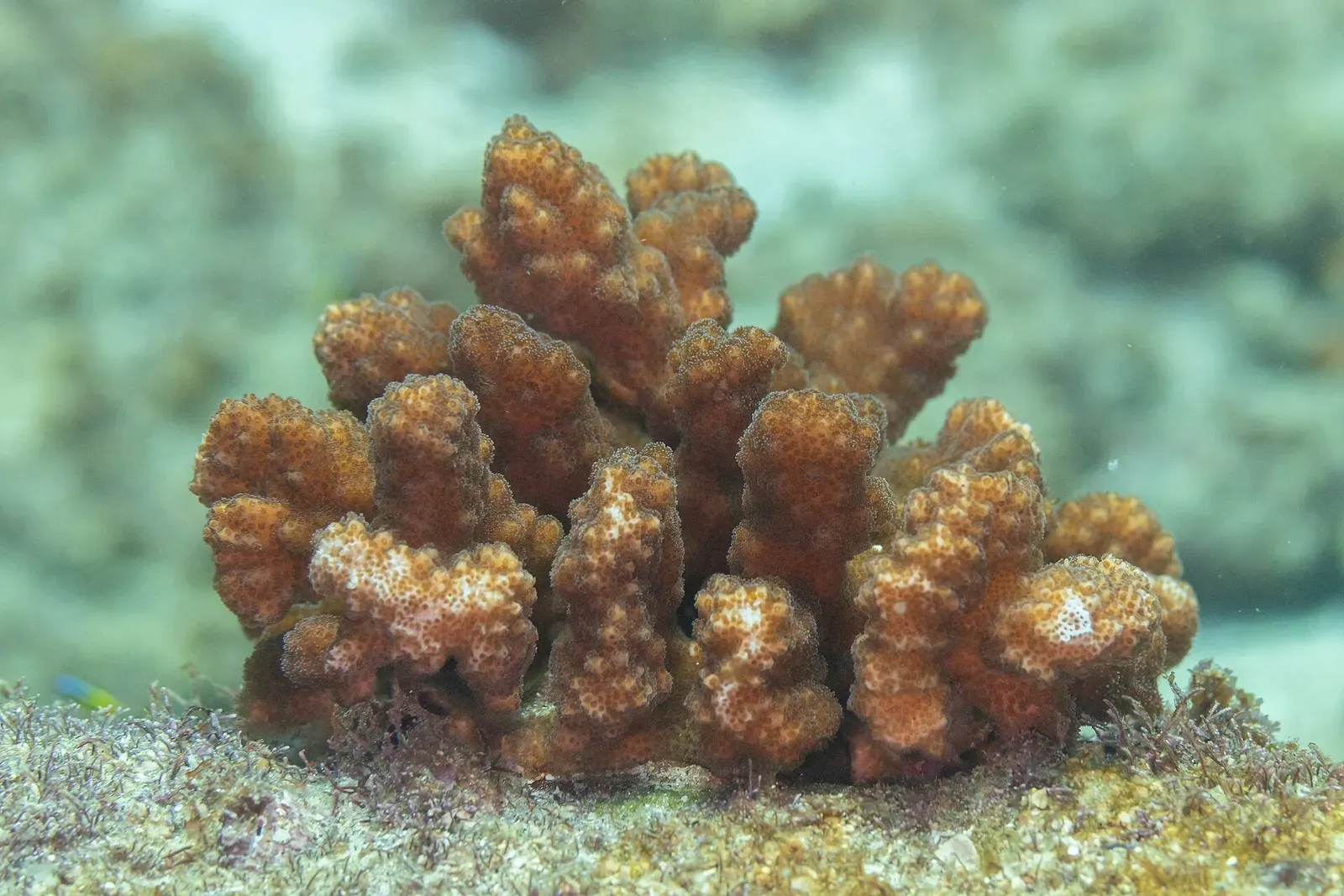
Sea lions at Land's End and sandfalls in the marine park, minutes from the marina.
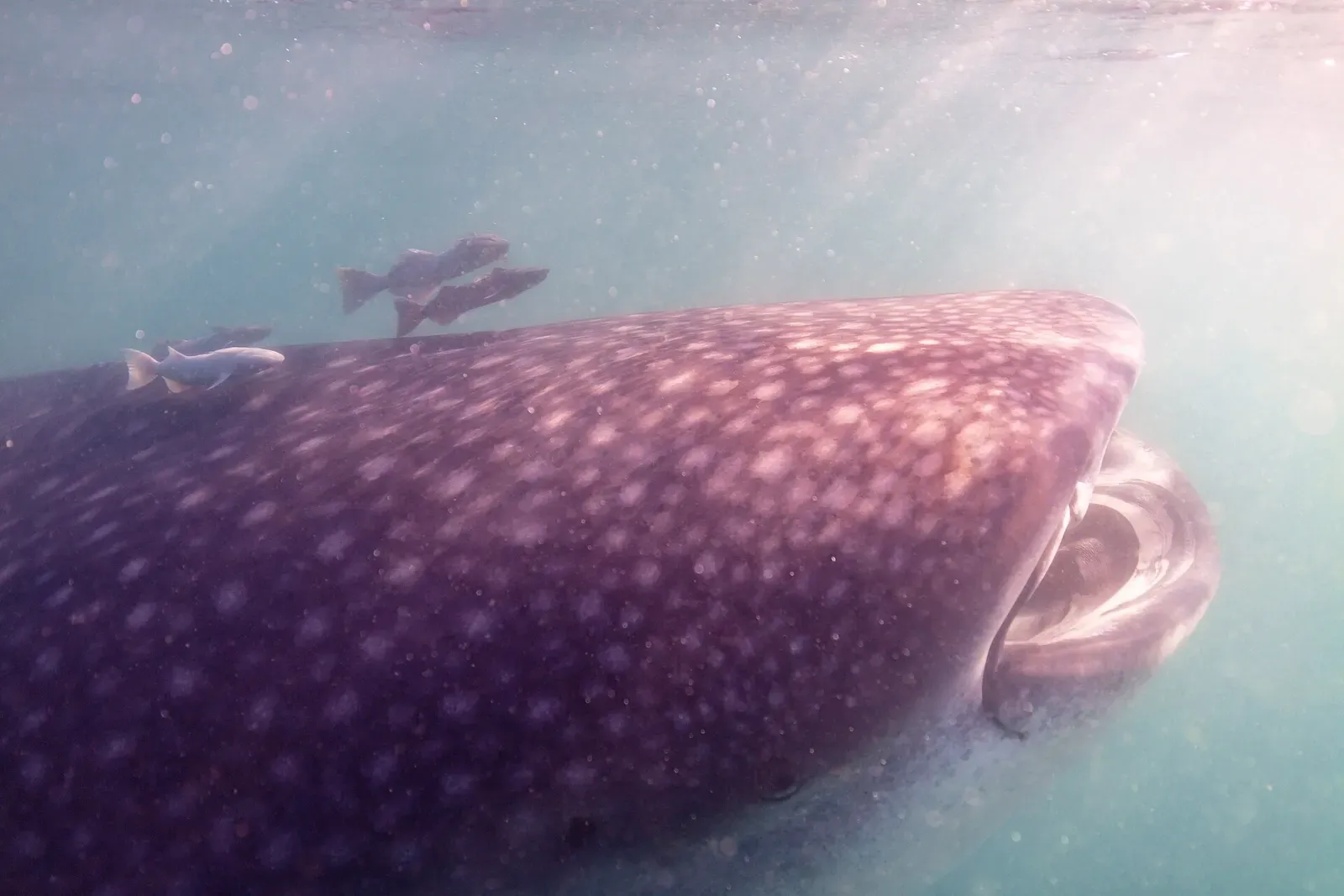
Sea lions at Los Islotes and whale sharks in La Paz Bay

Walk down the stairs at Casino Point straight into a giant kelp forest

A recovered coral reef with dense jack schools and seasonal bull sharks.