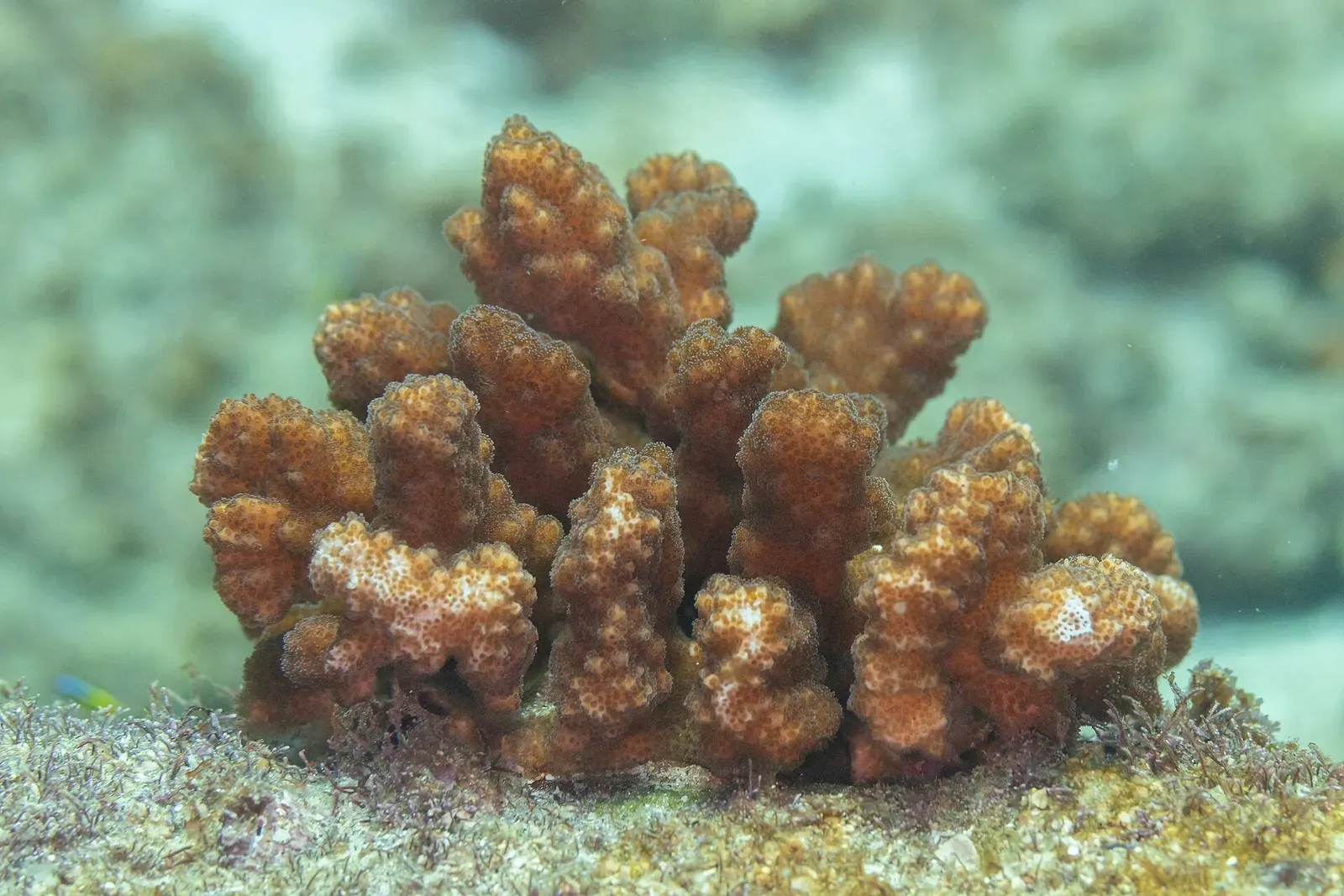
North America · Mexico
Los Cabos
Sea lions at Land's End and sandfalls in the marine park, minutes from the marina.
Photo: Diego Delso · CC BY-SA 4.0
Los Cabos sits at the tip of Baja California, where the Pacific meets the Sea of Cortez at Land's End. Day boats leave the Cabo San Lucas marina for the walls and sandfalls of the Cabo San Lucas Marine Park and the sheltered reefs of the Corridor such as Chileno Bay, while boats from San José del Cabo run out to the deep offshore seamounts of Gordo Banks. Dives run to 40 m (130 ft) in water of 20 to 29 °C, with a resident sea lion colony, spotted eagle rays and, in season, passing mobula rays.
About diving in Los Cabos
The Marine Park and Corridor sites are reached by boat from the Cabo San Lucas marina, between 5 and 45 minutes away. Daily trips split between two areas: the Cabo San Lucas Marine Park around Land's End, where the Pacific meets the Sea of Cortez, and the Corridor, which begins at the rock formation of Whale's Head and takes in reefs such as Chileno Bay. Gordo Banks is a separate offshore trip from San José del Cabo to a pair of deep seamounts. Night dives in the marine park run regularly, with bioluminescence and nocturnal creatures to look for.
Underwater the marine park is a place of walls and sand. Neptune's Finger and Middle Wall drop vertically into blue water, and sand pours over the edges in sandfalls. The Corridor is gentler, with protected reefs such as Chileno Bay and Gavilanes, which holds one of the healthiest coral reefs in the area. At Land's End a resident sea lion colony shares the water with schools of cow-nose rays, baitfish and snappers, and the remains of the Nürnberg shipwreck lie at around 12 m (40 ft). Spotted eagle rays cross the sand and rocky reef at Whale's Head.
Most of the marine park and Corridor is sheltered, with mild to moderate currents and calm surface conditions, so newer divers and those after short boat rides fit in well. Pelican Rock and North Wall suit beginners, while Land's End, Middle Wall and Neptune's Finger are rated intermediate to advanced. Gordo Banks is the exception: an open-water drift with no reference, for advanced divers hoping for hammerheads.
Water runs from about 20 °C in winter to 29 °C in late summer, the warmest month being September and the coldest March. Visibility ranges from 9 m (30 ft) to over 30 m (100 ft), and it is clearest in autumn. August to February are the best months overall, while May to July bring migrating mobula rays past the cape.
Best time to dive Los Cabos
| Jan | Feb | Mar | Apr | May | Jun | Jul | Aug | Sep | Oct | Nov | Dec |
|---|---|---|---|---|---|---|---|---|---|---|---|
| Prime | Prime | Fair | Fair | Good | Good | Good | Prime | Prime | Prime | Prime | Prime |
Diving runs all year. August to February brings the best conditions and clearest autumn water; mobula rays pass from May to July.
Best months: January, February, August, September, October, November, December
Dive types & marine life
The sea lion colony at Land's End is resident, and cow-nose rays, snappers and baitfish school there. Spotted eagle rays frequent Whale's Head. Mobula rays migrate past between May and July. The Gordo Banks seamounts attract hammerheads, silky sharks and tuna.
- Reef
- Wall
- Seamount
- Wreck
- Night
- Seals & sea lions
- Hammerheads
- Mobula rays
- Eagle rays
- Tuna
Best dive sites in Los Cabos
- 1
Land's End
The point where the Pacific Ocean meets the Sea of Cortez, at the tip of the peninsula.
- 2
Gordo Banks
A pair of deep offshore seamounts where hammerheads, silky sharks and tuna gather.
- 3
Neptune's Finger
A vertical wall beside the largest sandfall in the marine park.
- 4
Middle Wall
A sheer vertical drop that falls away into deep blue water.
- 5
Chileno Bay
A protected Corridor reef with shallow, easy diving and plenty of reef fish.
- 6
Pelican Rock
A calm, protected site for divers of all levels and for snorkellers.
Site guides
Reef
Calm water and healthy sea fans on a shallow Corridor reef
Reef
Ridges and canyons with white tip reef sharks and groupers
Seamount
Hammerheads and silky sharks over a seamount peak at 30 m
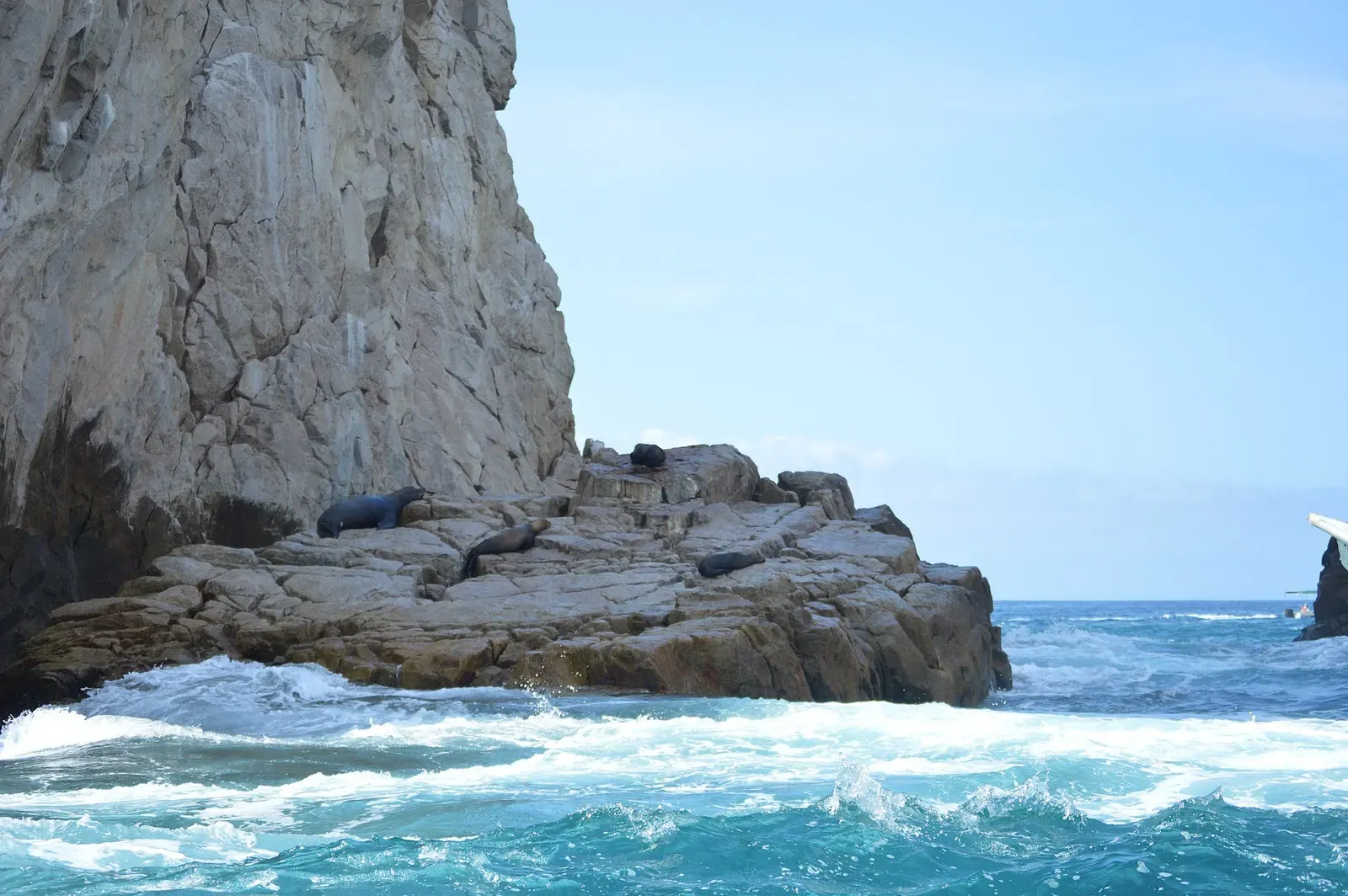
Playful resident sea lions around a pinnacle at the tip of the peninsula
Wall
A sheer drop to 43 m with frogfish and nudibranchs on the face
Wall
The largest sandfall in the marine park, beside a vertical wall
Wall
A rock-covered sloping wall with morays and lobsters tucked into the reef
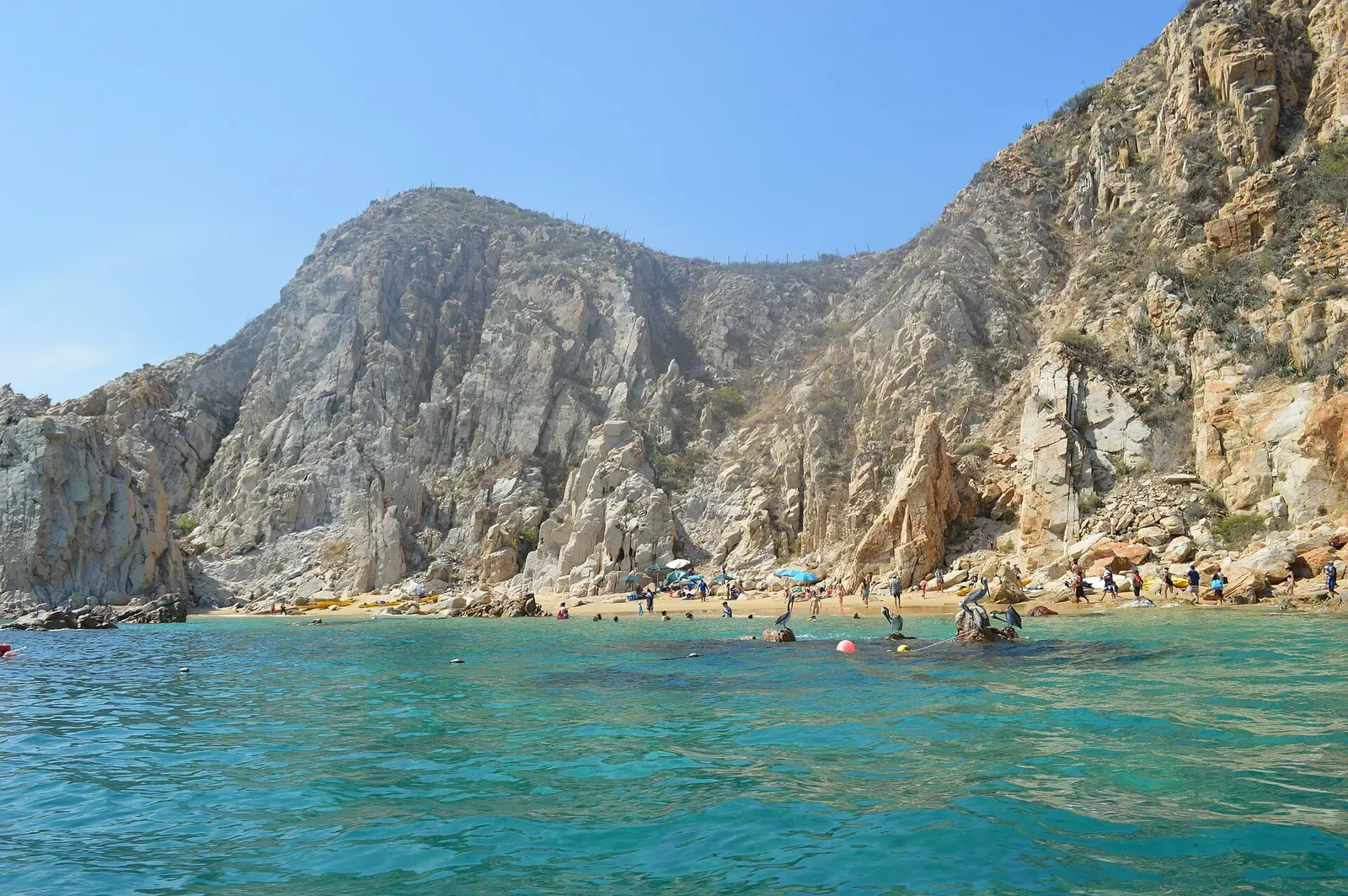
A gentle reef slope that ends at a canyon and its sandfall
Reef
Spotted eagle rays at cleaning stations on rocky reef and sand
How to get to Los Cabos
Los Cabos International Airport serves both Cabo San Lucas and San José del Cabo. The Ruta del Desierto bus runs from the airport to Cabo San Lucas in 30 to 60 minutes depending on traffic. Boats for the Marine Park and Corridor leave from the Cabo San Lucas marina, and Gordo Banks trips from San José del Cabo.
Photos from Los Cabos
Diego Delso · CC BY-SA 4.0
Diego Delso · CC BY-SA 4.0
Diego Delso · CC BY-SA 4.0
Thelmadatter · CC BY-SA 4.0
Dive videos
The amazing underwater world of Los Cabos 💙🇲🇽 · bajawildexperience on YouTube
Diving Los Cabos. Gordo Banks and Arch, with Cabo Private Guide · Dive with Derek on YouTube
Questions divers ask
What certification does Gordo Banks at Los Cabos need?+
Gordo Banks is an advanced open-water drift with no reference, for divers hoping for hammerheads. Chileno Bay and Gavilanes in the Corridor suit new divers, while the marine park walls are rated intermediate to advanced.
When are mobula rays at Los Cabos?+
Mobula rays pass the cape from May to July. August to February brings the best conditions overall, with the clearest water in autumn.
Where do Los Cabos dive boats leave from?+
Boats for the Marine Park and Corridor leave from the Cabo San Lucas marina, between 5 and 45 minutes from the sites. Gordo Banks trips leave from San José del Cabo.
Are there sea lions at Los Cabos?+
A resident sea lion colony at Land's End shares the water with schools of cow-nose rays, baitfish and snappers. Spotted eagle rays cross the sand and rocky reef at Whale's Head.
Sources
- Cabo San Lucas Dive Sites | Marine Park & Corridor - Dive Cabo — Dive Cabo
- Dive Cabo FAQ — Dive Cabo
- Dive Cabo — Dive Cabo
- MANTA Scuba — Manta Scuba
- Cabo San Lucas Water Temperature — Sea Temperatures
- Cabo San Lucas - Wikipedia — Wikipedia
- Cabo San Lucas - Wikivoyage — Wikivoyage
Photo credits
- Brown branching cauliflower coral colony on a sandy rocky bottom underwater by Diego Delso, CC BY-SA 4.0, via Wikimedia Commons
- Red and pink coral hawkfish perched on a coral-covered rock by Diego Delso, CC BY-SA 4.0, via Wikimedia Commons
- Close-up face of a white-spotted starry grouper looking straight at the camera by Diego Delso, CC BY-SA 4.0, via Wikimedia Commons
- White sea urchin with short pale spines on a reef among sea fans by Diego Delso, CC BY-SA 4.0, via Wikimedia Commons
- Sport-fishing boats moored in a calm marina with a dry hill behind by Thelmadatter, CC BY-SA 4.0, via Wikimedia Commons
Embed
Run a dive centre, club or blog? Embed this map of 6 dive sites near Los Cabos on your own page.
Similar destinations
North America
Loreto Bay National Park
Mexico
Sea lion colonies and black coral walls around the islands off Loreto.
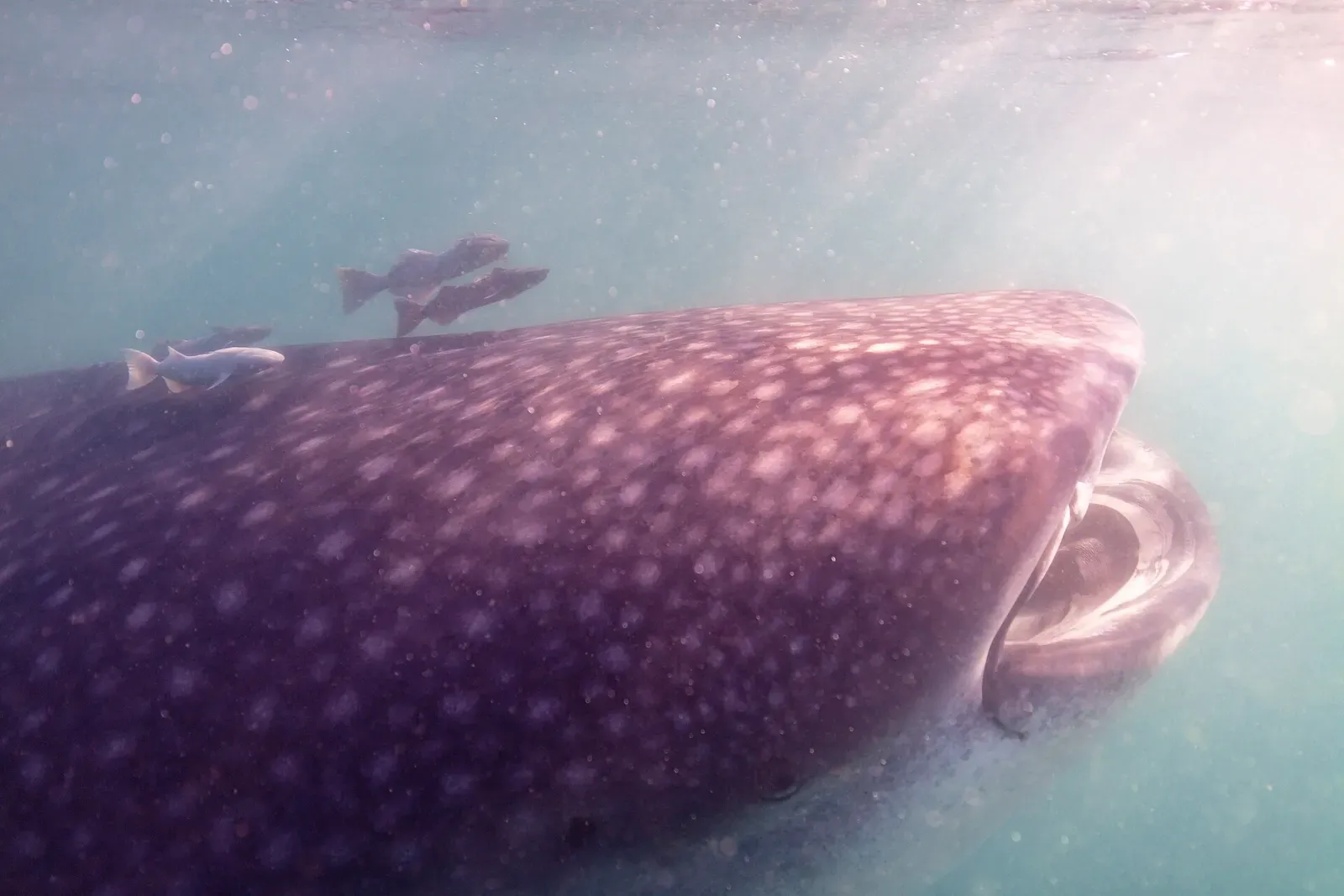
Sea lions at Los Islotes and whale sharks in La Paz Bay

Walk down the stairs at Casino Point straight into a giant kelp forest
,_Los_Cabos,_Baja_California,_M%C3%A9xico,_2024-12-17,_DD_78.jpg)
,_Los_Cabos,_Baja_California,_M%C3%A9xico,_2024-12-17,_DD_61.jpg)
,_Los_Cabos,_Baja_California,_M%C3%A9xico,_2024-12-17,_DD_09.jpg)
,_Los_Cabos,_Baja_California,_M%C3%A9xico,_2024-12-17,_DD_68.jpg)

Playful sea lions and towering kelp forests around rocky island pinnacles.