
Nusa Penida · Indonesia · Artificial reef · Reef · Sand slope
Project Laut Restoration Patch
Planted restoration structures at 6 metres, shore entry
Area photo: Shrigusti · CC BY-SA 4.0
Project Laut's officially designated coral restoration area is dived as a site in its own right: planted structures on a scarred stretch of reef at roughly 6 metres, on ground that then slopes down past 40. It is typically done as a shore entry and can experience strong currents, so it is run for advanced divers only.
Where it is and how deep
8.6719° S, 115.4959° EPublished position for this site.
The dive
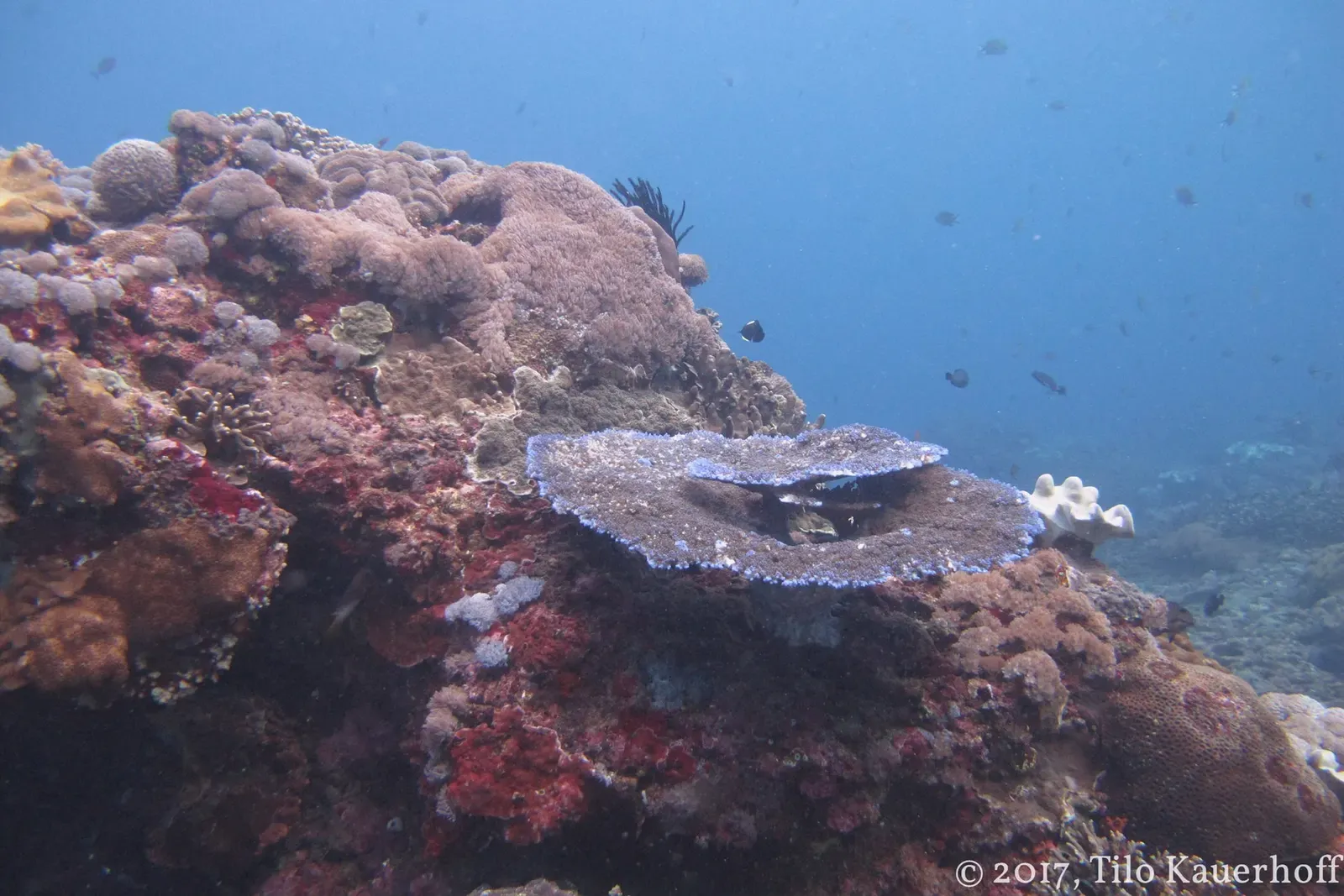
The restoration area sits at approximately 6 metres on a reef-scarred stretch of bottom that is being replanted, so the core of the dive is shallow, close in and easy to work slowly. There is a lot of healthy coral and tropical reef fish here, and the structures themselves collect life: trumpetfish and triggerfish around them, puffers tucked into them, hawksbill turtles moving through. Visibility runs from about 8 to 20 metres.
The ground does not stay shallow. From the restoration patch it descends in a sloping fashion into depths of 40 metres and more, so a dive here goes as deep as you allow it to and nothing on the site stops you. Entry is typically from shore and the site can experience strong currents, which is why it is booked for advanced divers only — the exit is the part to plan for. Water sits at 27 to 29°C.
Marine life and season
- Sea turtles
| Jan | Feb | Mar | Apr | May | Jun | Jul | Aug | Sep | Oct | Nov | Dec |
|---|---|---|---|---|---|---|---|---|---|---|---|
| Fair | Fair | Fair | Good | Good | Good | Prime | Prime | Prime | Prime | Good | Fair |
Season follows Nusa Penida: August–September is peak mola mola season on the cold upwelling; mantas at Manta Point are reliable year-round.
Know before you go
- The site can experience strong currents and is normally entered from shore, so the exit is the part to time with the operator. Know where you get out if you are pushed off the patch.
- The slope runs past 40 metres straight off a 6-metre restoration patch, with no feature marking the transition. Set a maximum depth before you get in.
- The structures are an active restoration project. Keep fins and hands clear of the planted coral and control your buoyancy over the patch rather than steadying yourself on it.
Questions divers ask
Can beginners dive the Project Laut restoration patch?+
No. It is typically done via shore entry and can experience strong currents, so it is run for advanced divers only, even though the restoration structures themselves sit at only about 6 metres.
What is at the Project Laut restoration patch?+
Project Laut's officially designated coral restoration area — planted structures on a scarred section of reef at roughly 6 metres, with healthy coral, tropical reef fish, trumpetfish, triggerfish, puffers and hawksbill turtles around them.
Sources
- Project Laut Restoration Patch - Dive Site — SSI/Scubago
More dive sites in Nusa Penida
Cave & cavern
A 200-metre cave ending in an air space full of bats
Wall
Shallow reef structure, infrequent hammerheads
Drift
Bali's other mola mola plateau, deeper and rougher than Crystal Bay
The mola mola site, in cold and sometimes downward current
Reef
West-coast slope where mola mola come up in season
Reef
Bommie-topped plateau above a fan-covered wall
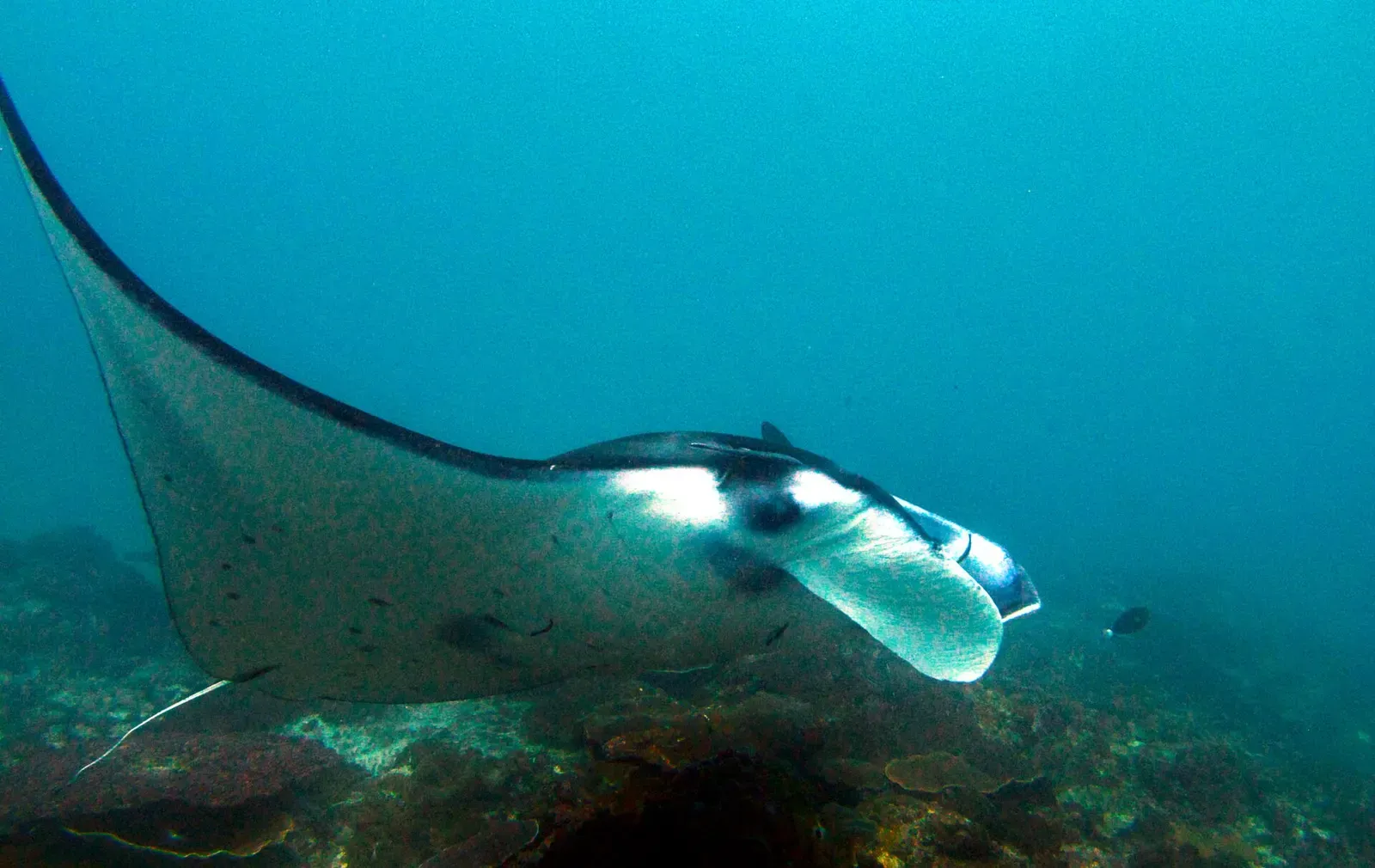
A manta cleaning station in 15 metres under limestone cliffs
Reef
North-coast slope from 5 metres to past 40
Similar dives elsewhere
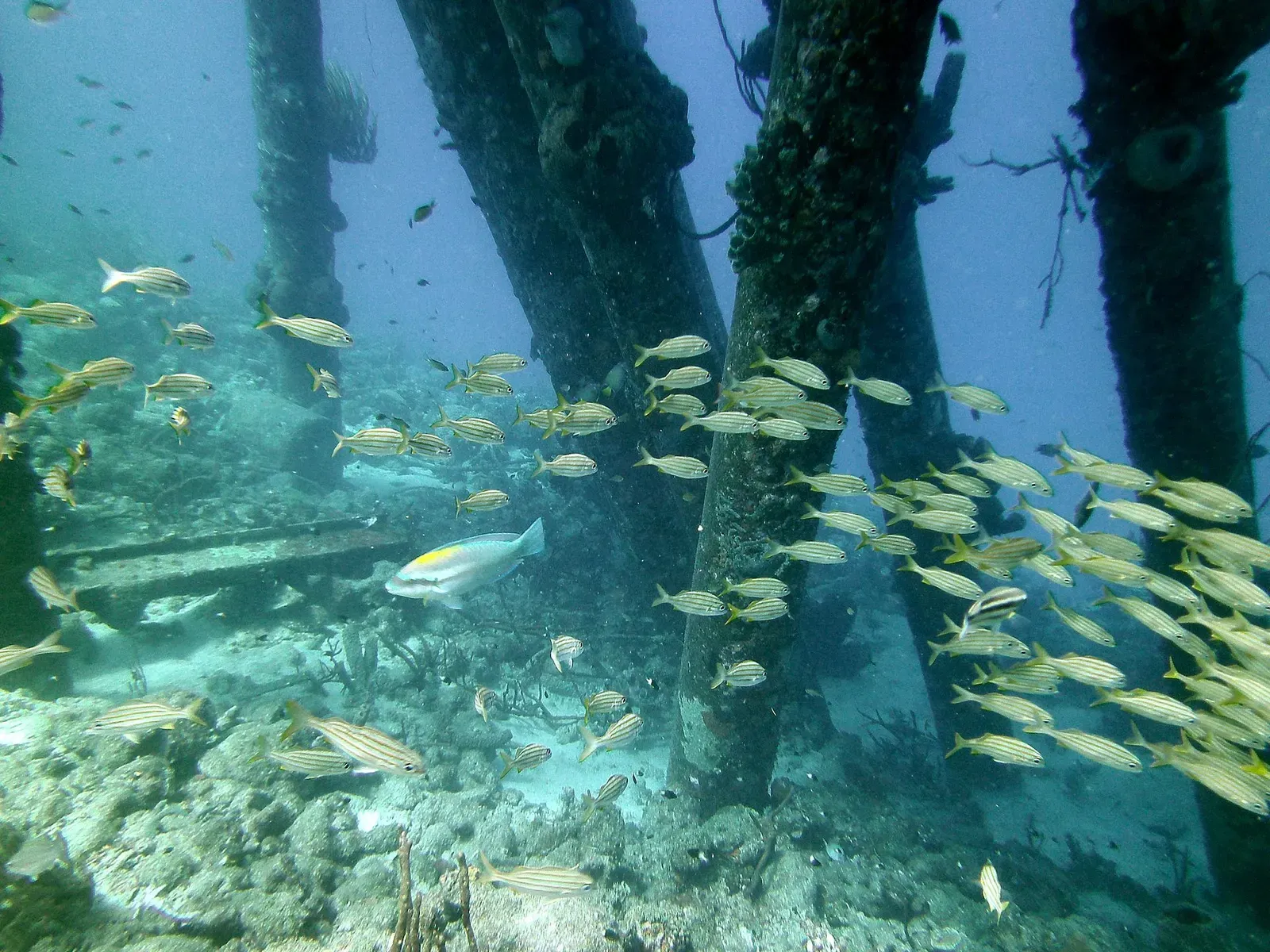
Fish schooling in the shade under a working salt pier

Motorbike frames and concrete set on a sandy slope at 15 metres

Metal and concrete structures set on a seagrass flat
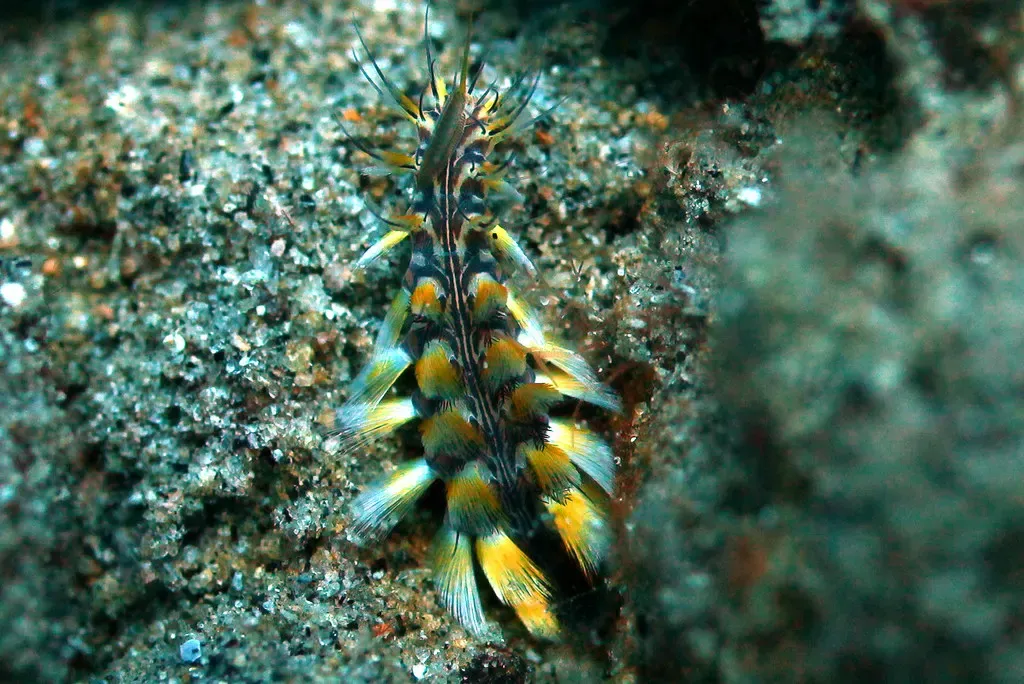

Three or four frogfish colour morphs on a single dive