
Coral Triangle · Indonesia
Nusa Penida
Manta rays all year and mola mola from July to October
Photo: Shrigusti · CC BY-SA 4.0
Nusa Penida, with its neighbours Nusa Lembongan and Nusa Ceningan, lies inside the Nusa Penida Marine Protected Area, and the water moving around the three islands shapes every dive: currents of 4 knots are not rare, so most dives are drifts. More than 20 sites ring the island. Manta rays visit the cleaning station at Manta Point in every month, oceanic sunfish (mola mola) come up in season, and Blue Corner and SD Point are both drift dives.
About diving in Nusa Penida
Dive operators based on Bali and on neighbouring Nusa Lembongan run dedicated trips to the sites around Nusa Penida, and most dives are drifts. The currents can usually be predicted from the tide tables, but at certain sites they can climb to 5 knots, ease off or change direction with no warning, and they can differ sharply between the surface and the bottom.
On the east side, Malibu Point is a bay with wall dives along its outer edge, and Batumulapan is a sloping wall with its best reef structure in the shallows above 14 m. The waters fall within a marine protected area with diverse corals and fishes. Toyapakeh adds interesting coral, schools of fish and reef sharks, and Crystal Bay holds bamboo sharks and bluefin trevally.
A few sites suit beginners, but most dives call for a decent level of experience because the currents are strong and unpredictable, and Crystal Bay is kept for experienced divers. Cold is the second test. The water can drop to 22 °C and even 16 °C, so a 5 mm full wetsuit is the better choice, and the coldest months, June to October, overlap the sunfish window.
Best time to dive Nusa Penida
| Jan | Feb | Mar | Apr | May | Jun | Jul | Aug | Sep | Oct | Nov | Dec | |
|---|---|---|---|---|---|---|---|---|---|---|---|---|
| Season | Good | Good | Good | Good | Good | Good | Prime | Prime | Prime | Prime | Good | Good |
| Sea surface | 29°C84°F | 29°C84°F | 29°C84°F | 29°C84°F | 29°C84°F | 29°C84°F | 28°C82°F | 28°C82°F | 28°C82°F | 28°C82°F | 29°C84°F | 29°C84°F |
| Daytime high | 29°C84°F | 29°C84°F | 30°C86°F | 30°C86°F | 29°C84°F | 29°C84°F | 28°C82°F | 29°C84°F | 30°C86°F | 31°C88°F | 31°C88°F | 30°C86°F |
| Rain | 348 mm13.7 in | 270 mm10.6 in | 236 mm9.3 in | 125 mm4.9 in | 77 mm3.0 in | 58 mm2.3 in | 36 mm1.4 in | 15 mm0.6 in | 38 mm1.5 in | 65 mm2.6 in | 177 mm7.0 in | 307 mm12.1 in |
| Jan | Feb | Mar | Apr | May | Jun |
|---|---|---|---|---|---|
| Good | Good | Good | Good | Good | Good |
| Sea surface | |||||
| 29°C84°F | 29°C84°F | 29°C84°F | 29°C84°F | 29°C84°F | 29°C84°F |
| Daytime high | |||||
| 29°C84°F | 29°C84°F | 30°C86°F | 30°C86°F | 29°C84°F | 29°C84°F |
| Rain | |||||
| 348 mm13.7 in | 270 mm10.6 in | 236 mm9.3 in | 125 mm4.9 in | 77 mm3.0 in | 58 mm2.3 in |
| Jul | Aug | Sep | Oct | Nov | Dec |
|---|---|---|---|---|---|
| Prime | Prime | Prime | Prime | Good | Good |
| Sea surface | |||||
| 28°C82°F | 28°C82°F | 28°C82°F | 28°C82°F | 29°C84°F | 29°C84°F |
| Daytime high | |||||
| 28°C82°F | 29°C84°F | 30°C86°F | 31°C88°F | 31°C88°F | 30°C86°F |
| Rain | |||||
| 36 mm1.4 in | 15 mm0.6 in | 38 mm1.5 in | 65 mm2.6 in | 177 mm7.0 in | 307 mm12.1 in |
2011–2025 averages. Sea surface: NOAA Coral Reef Watch, measured at the surface, so deeper water can run colder. Daytime high and rain: NASA POWER.
November to February are the warmest months of the year, and manta rays keep visiting the cleaning station at Manta Point through them. From March to June the chances of meeting mantas are at their best. June to October is the coldest stretch. Mola mola are most likely from July to October, with August to October the good season at Toyapakeh, though sightings are reported in every month.
Best months: July, August, September, October
Nusa Penida water temperature and weather by month
The sea surface stays between 28 and 29 °C (82–84 °F) all year. Most rain falls from November to March, peaking at about 350 mm (14 in) in January; it stays largely dry from May to October. Daytime highs sit around 30 °C (86 °F) all year. Below the surface the water can drop to about 18 °C (64 °F), so pack a 5 mm suit.
Dive types & marine life
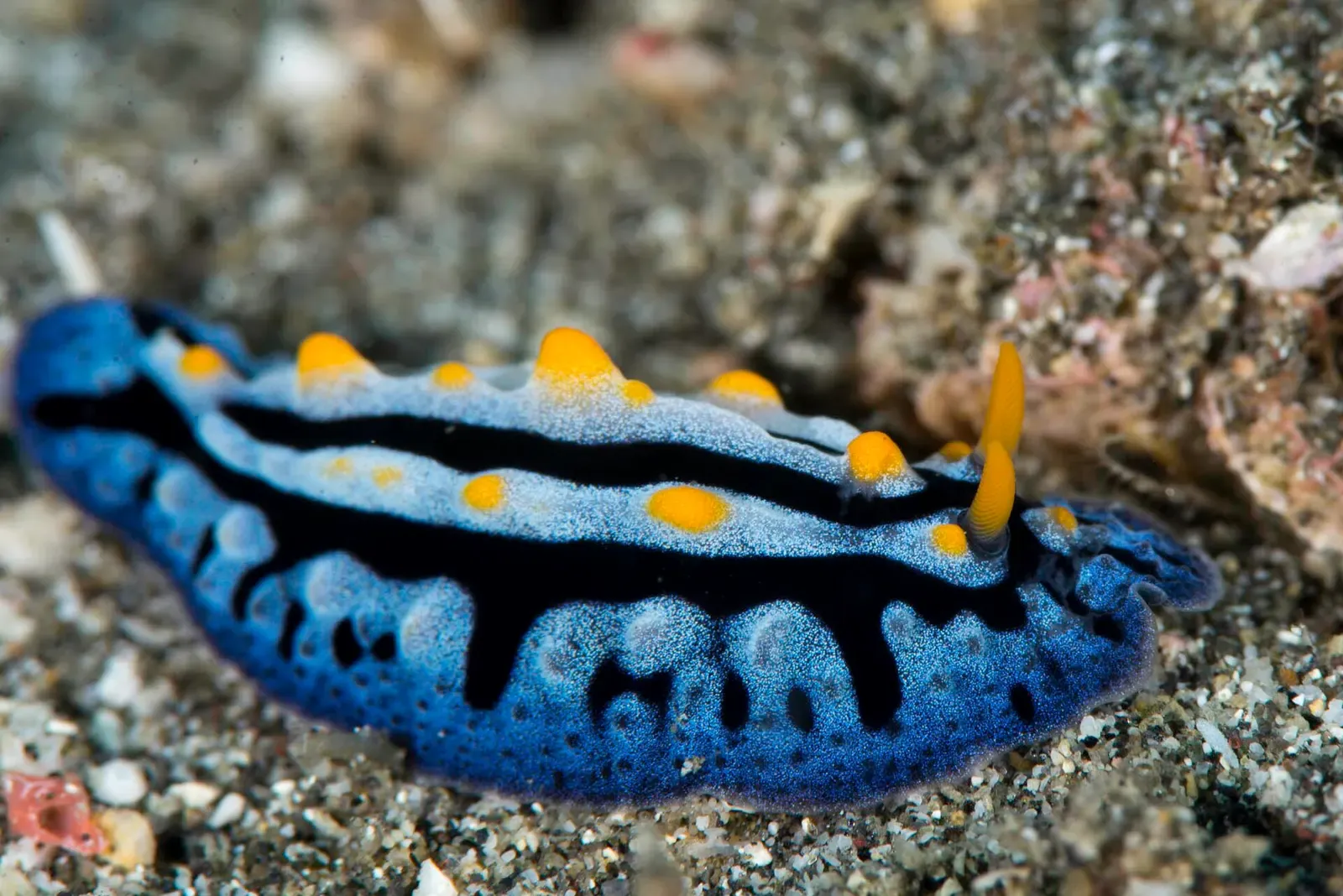
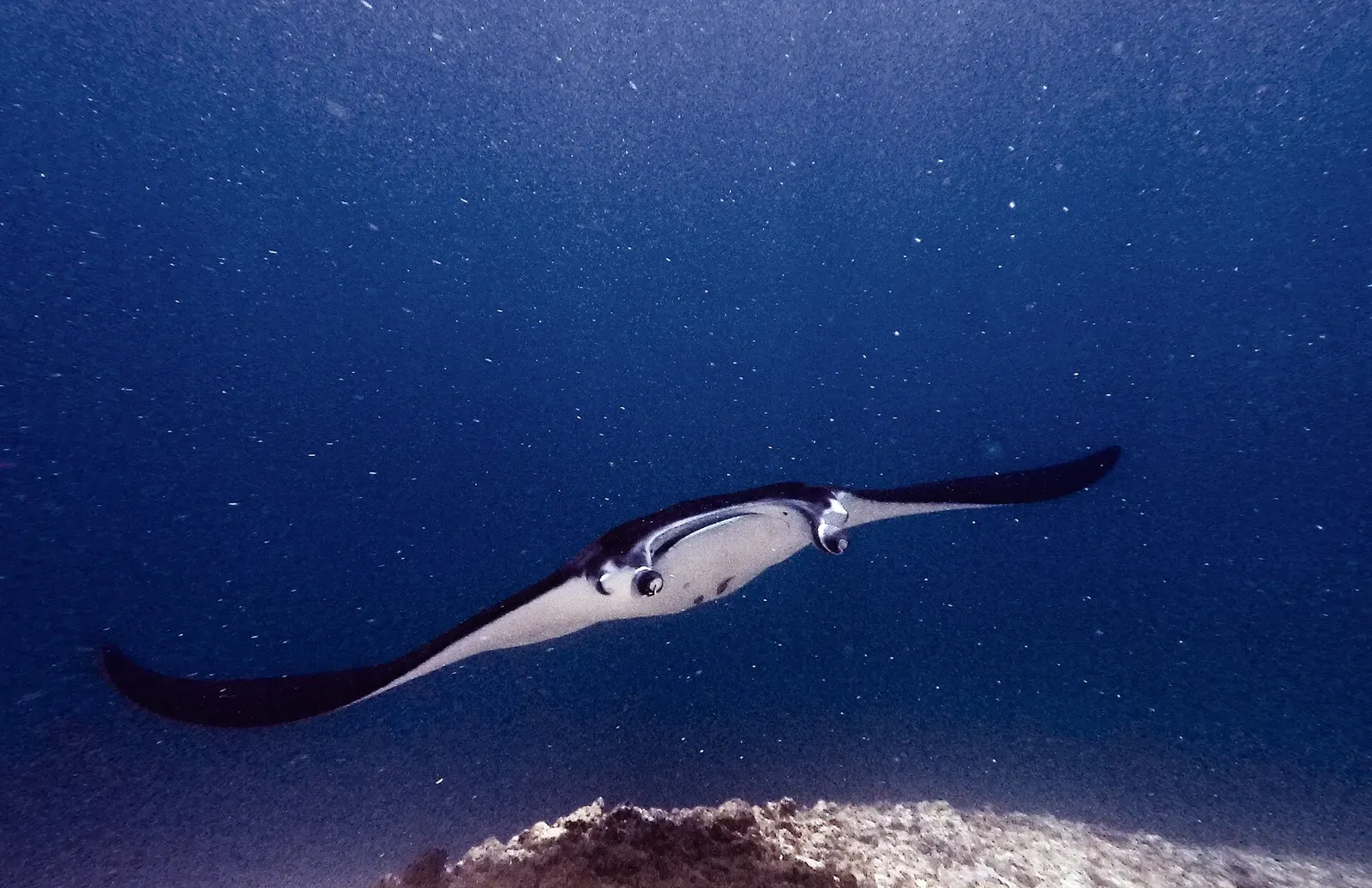
Mola mola are migratory and most likely from July to October, although sightings are reported all year. Manta rays use the cleaning station at Manta Point in every month, with the best odds from March to June. Turtles, reef sharks and nudibranchs turn up at Toyapakeh, napoleon wrasse at SD Point and bluefin trevally at Crystal Bay.
- Drift
- Reef
- Wall
- Mola mola
- Manta rays
- Reef sharks
- Sea turtles
- Napoleon wrasse
- Nudibranchs
- Trevally & jacks
Best dive sites in Nusa Penida
- 1
Manta Point
Cleaning station where manta rays gather in numbers through the year.
- 2
Blue Corner
Steep slope with a plateau near 20 m, the classic drift; most of the dive sits around 30 m.
- 3
Crystal Bay
Bay site for experienced divers only, where the current can run strong and pull downward.
- 4
SD Point
Easy drift over a coral plateau at 12 to 18 m, with napoleon wrasse.
- 5
Toyapakeh
Reef of varied topography with turtles, nudibranchs and schooling fish.
Site guides
Cave & cavern
A 200-metre cave ending in an air space full of bats
Wall
Shallow reef structure, infrequent hammerheads
Drift
Bali's other mola mola plateau, deeper and rougher than Crystal Bay
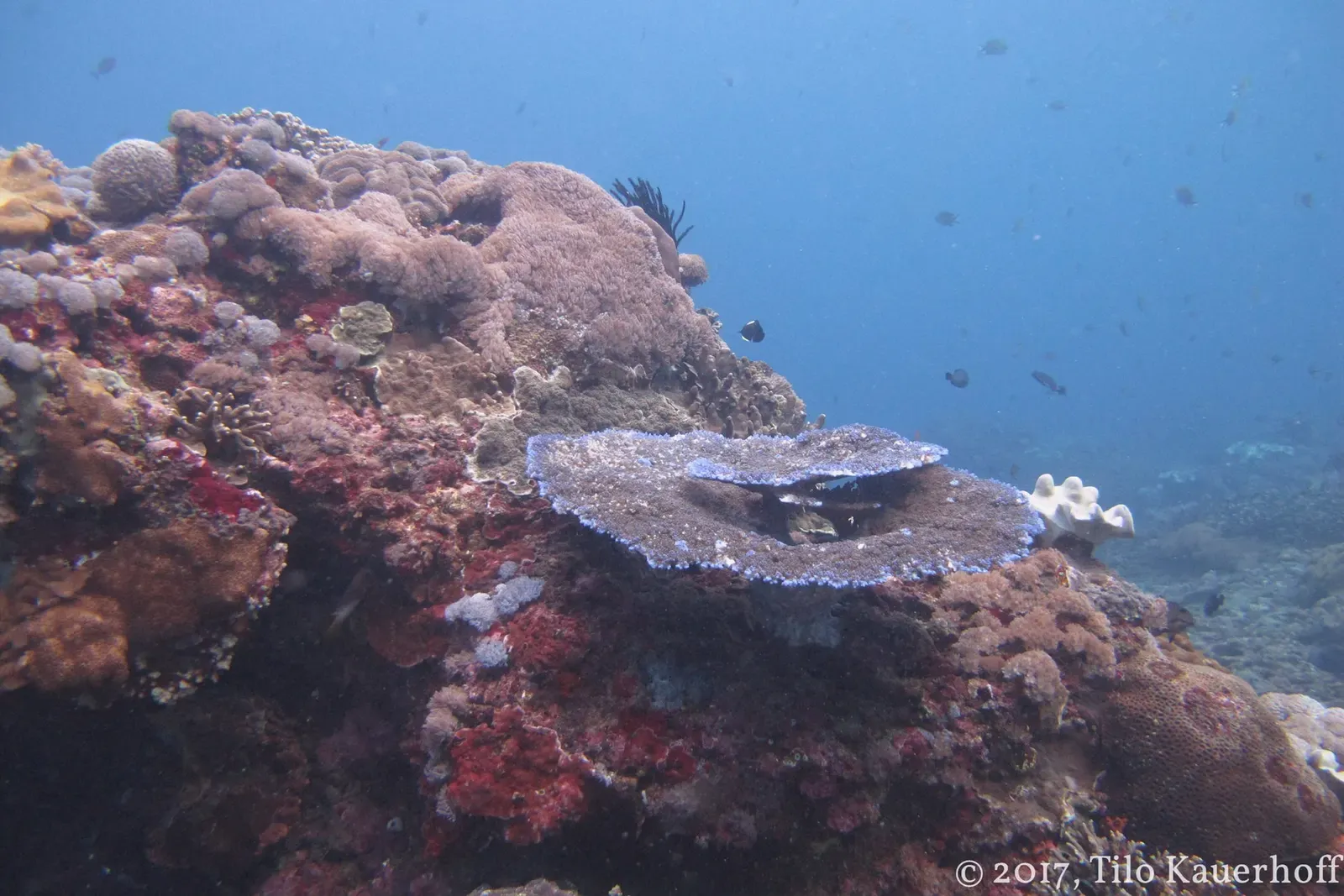
The mola mola site, in cold and sometimes downward current
Reef
West-coast slope where mola mola come up in season
Reef
Bommie-topped plateau above a fan-covered wall
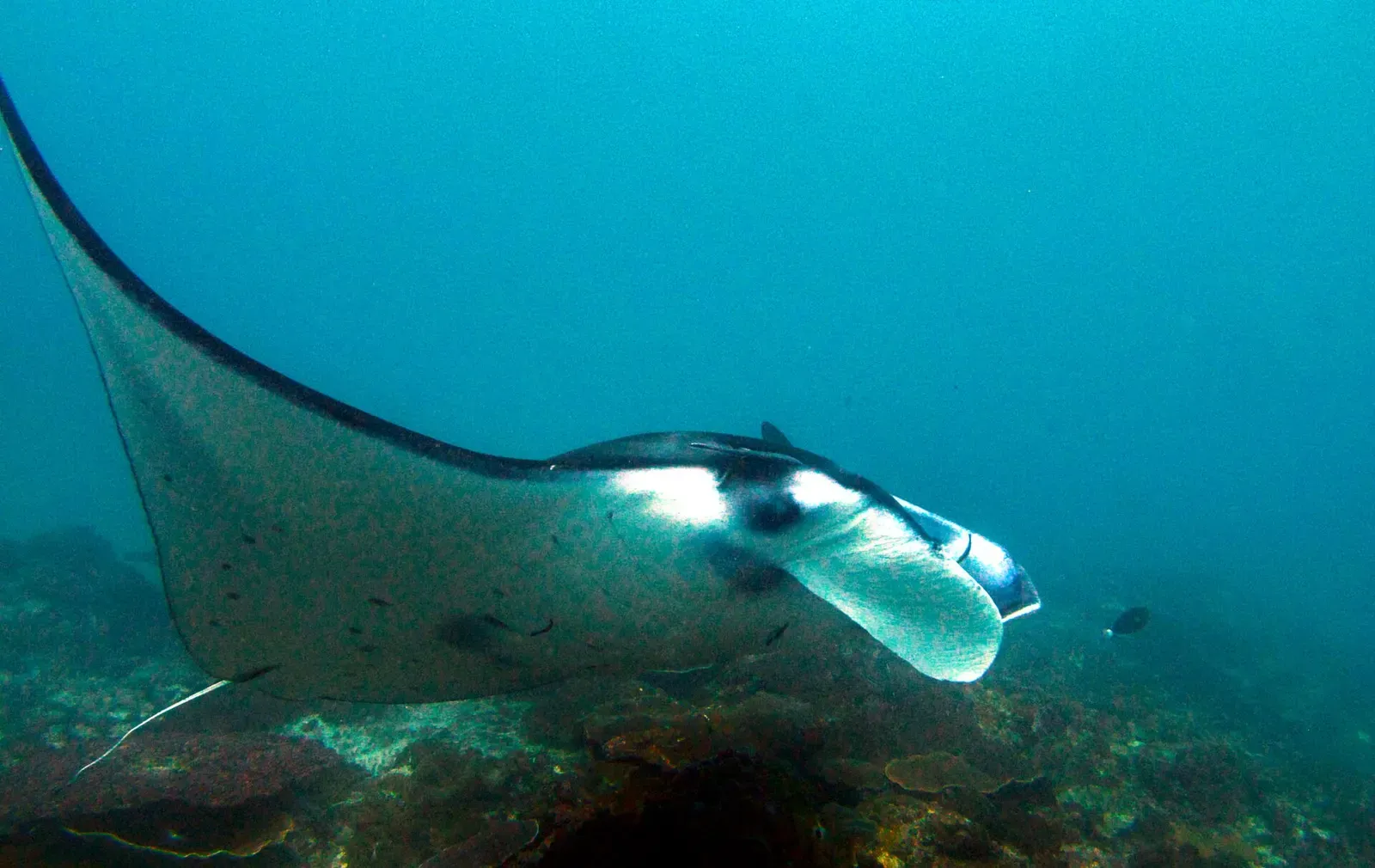
A manta cleaning station in 15 metres under limestone cliffs
Artificial reef
Planted restoration structures at 6 metres, shore entry
Reef
North-coast slope from 5 metres to past 40
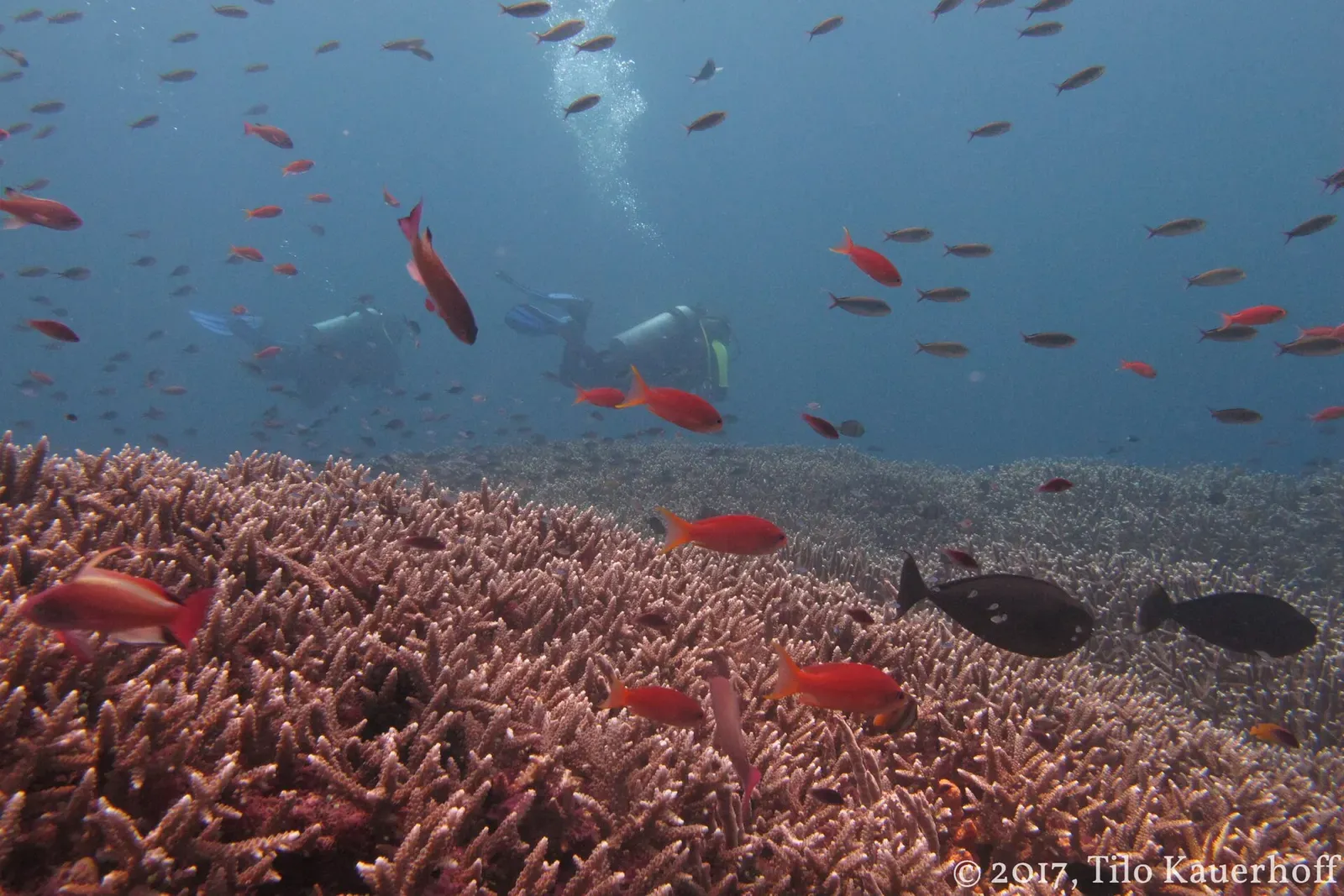
A long drift over a coral plateau at 12 to 18 metres
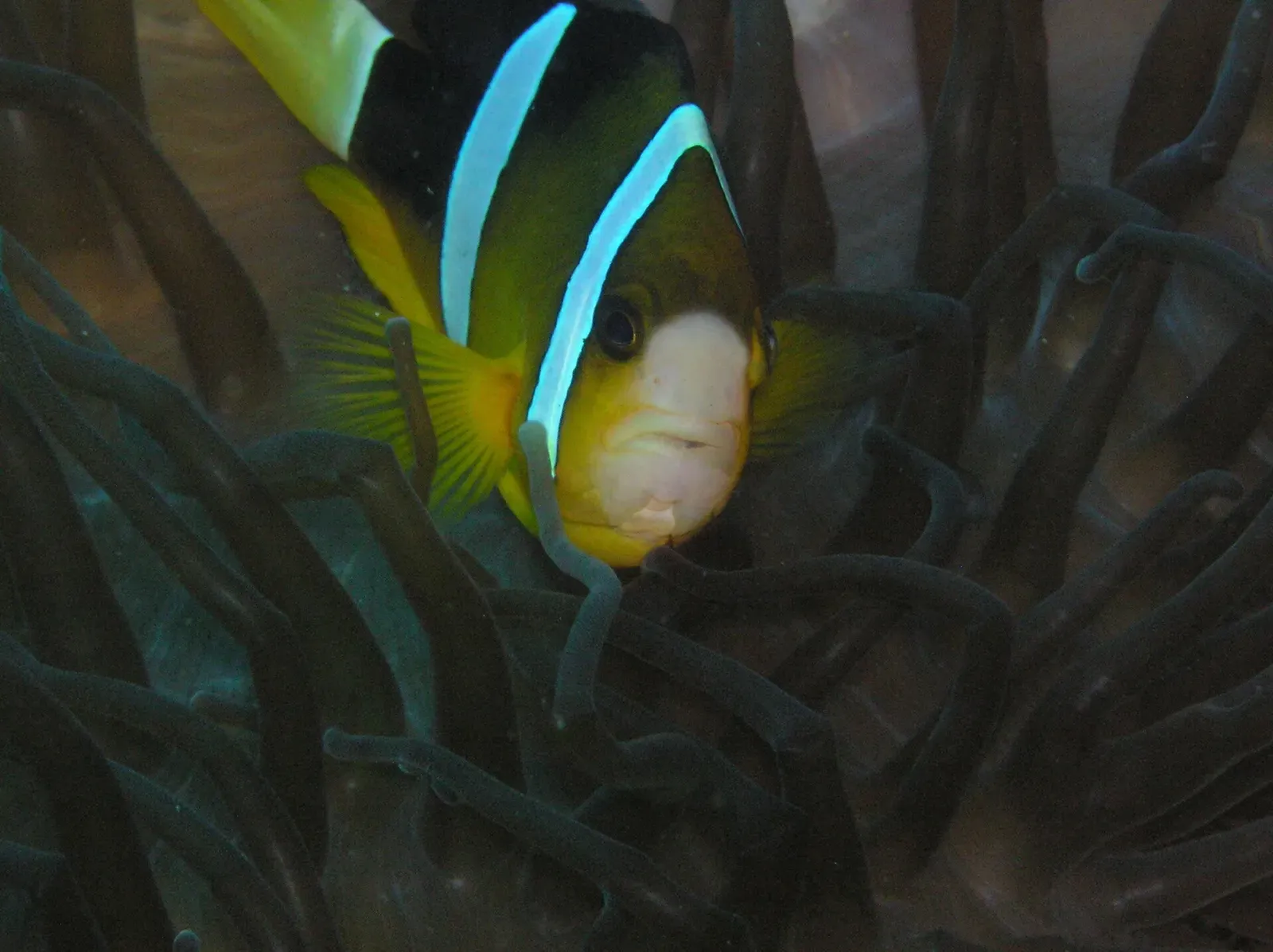
A macro and photography reef of coral and nudibranchs
How to get to Nusa Penida
Most boats to Nusa Penida leave from Sanur port on Bali and land at one of several ports on the island's north coast, so the arrival port is worth checking. From Padangbai the crossing takes about 1.5 hours by fast boat, and the local dive centres arrange it.
Photos from Nusa Penida
Arnas Goldberg · CC BY 3.0
Chainwit. · CC BY 4.0
Magul · CC BY-SA 4.0
Dive videos
[4K] THE DANCING MANTA RAYS IN CINEMATIC. DIVING IN NUSA PENIDA, MANTA POINT & CRYSTAL BAY. · Arthur Ketaren on YouTube
Manta ray madness, mola mola 4K Nusa Penida · Underwater Photo Bali on YouTube
Questions divers ask
What experience is needed to dive Nusa Penida?+
A few sites suit beginners, but most dives need a decent level of experience because the currents are strong and unpredictable. Crystal Bay is kept for experienced divers, and Blue Corner goes to 40 m.
What wetsuit is needed for the mola mola season?+
A 5 mm full wetsuit. The sunfish months fall in the coldest part of the year, June to October, and the water can drop to 22 °C and even 16 °C.
How strong are the currents around Nusa Penida?+
Currents of 4 knots are not rare, and at certain sites they reach 5 knots. They usually follow the tide tables but can shift direction without notice, and at Crystal Bay they can pull downward.
Is Nusa Penida a marine protected area?+
Yes. The waters around Nusa Penida, Nusa Lembongan and Nusa Ceningan form the Nusa Penida Marine Protected Area.
Sources
- Nusa Penida / Nusa Lembongan diving — Divezone
- Crystal Bay dive site — Divezone
- Manta Point dive site — Divezone
- S.D. Point dive site — Divezone
- Toya Pakeh dive site — Divezone
- Blue Corner dive site — Divezone
- Nusa Penida travel guide — Wikivoyage
- Scuba Junkie Penida — Scuba Junkie Penida
- Lembongan diving — Dive The World
- Crystal Bay, Nusa Penida — SSI/Scubago
- Blue Corner dive site — PADI
Photo credits
- Aerial view of Kelingking Beach's T-Rex shaped cliff and turquoise cove on Nusa Penida by Shrigusti, CC BY-SA 4.0, via Wikimedia Commons
- Waves surging through a rocky inlet at Angel's Billabong on Nusa Penida's coastline by Arnas Goldberg, CC BY 3.0, via Wikimedia Commons
- Cliffside viewpoint over Kelingking Beach's twin rock outcrops and turquoise bay, Nusa Penida by Chainwit., CC BY 4.0, via Wikimedia Commons
- Dive boats and a floating dock at Buyuk Harbour on Nusa Penida at dusk by Magul, CC BY-SA 4.0, via Wikimedia Commons
Embed
Run a dive centre, club or blog? Embed this map of 12 dive sites near Nusa Penida on your own page.
In The Logbook
- Nudibranchs: species, habits and where to diveMacro & muck · 13 min read
- Cave diving: what it takes and where to goCaves & caverns · 12 min read
- Wetsuit thickness by water temperatureGear & kit · 11 min read
- Sunfish diving: where and when to see a molaBig animals · 11 min read
- Drift diving: how to read and ride a currentDrift & current · 8 min read
- Where to dive with manta rays, month by monthBig animals · 8 min read
Similar destinations
Sheltered macro bays and current-swept islets from one harbour
Easy beach entries onto walls, a small wreck and an artificial reef
Drift dives past sharks and tuna on current-swept seamounts


.jpeg)
_of_Nusa_Penida,_Bali_(2025)_-_img_15.jpg)
.jpg)
Step off a jetty into the world's largest lagoon, or cross to open ocean