
Palm Beach & Jupiter · United States · Reef · Drift
Lemon Drop
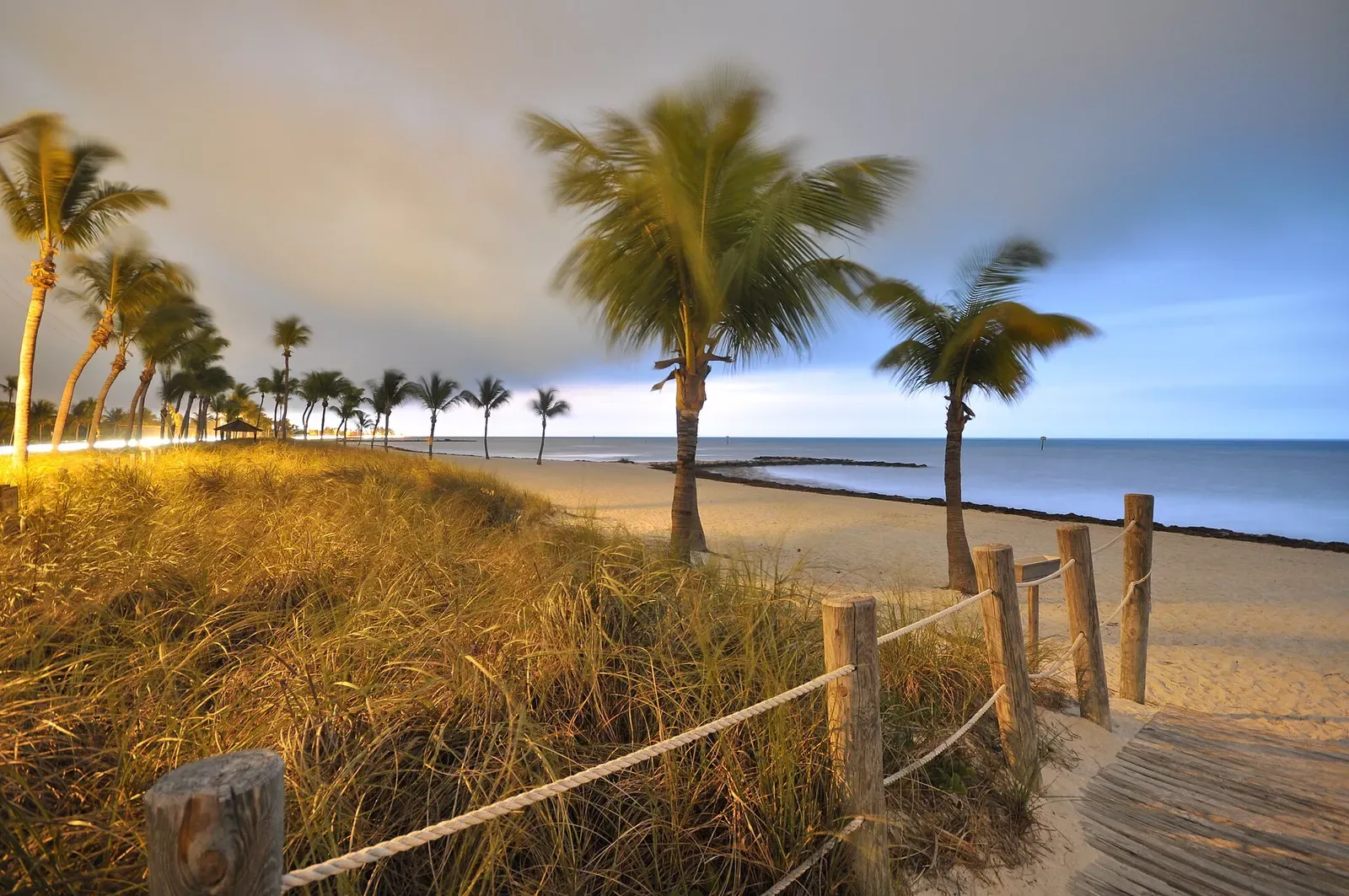
Lemon sharks stage on this reef ledge by the dozens each January and February
Area photo: Dough4872 · CC BY-SA 4.0
A reef ledge in 21 to 30 m off Jupiter Inlet where migratory lemon sharks stage every January and February, in groups historically reported as large as 30 to 40 animals. The dive is a Gulf Stream drift along the reef rather than a baited encounter: divers watch a wild aggregation on the sand and rock, and Jupiter's dive centers are explicit that sightings are never guaranteed.
Where it is and how deep
26.9450° N, 80.0350° WApproximate position — the dashed circle shows where the site lies; your operator's briefing has the mooring.
The dive
Boats leave from Jupiter Inlet and run the short distance out to the reef ledge, where the group rolls in together and drops straight onto the structure at around 21 m. There is no anchor line and, as with every dive on this stretch of coast, the current does the moving: divers fly along the ledge in the Gulf Stream rather than swimming a fixed route, with the crew tracking bubbles and marker buoys from the surface and picking everyone up wherever the drift lets them out. The ledge runs down toward 30 m on its outer edge, so there is no shallow shelf to hang over once the group has moved off the top.
The draw is a winter aggregation of lemon sharks that stages on this ledge every January and February. Jupiter's dive centers describe it as an annual influx, with groups historically reported as large as 30 to 40 animals working the sand and rock together. Adult lemon sharks here run close to the species' mature length of around 3 m, pale yellow-brown and blunt-nosed, with a first and second dorsal fin close enough in size that they are easy to mistake for a bull shark at a glance — worth knowing on a reef that both species use.
Unlike some of the shark diving marketed elsewhere on this coast, the Lemon Drop dive itself is not baited: operators describe it as passive observation of a wild, self-selecting aggregation rather than a chummed encounter, which also keeps it inside Florida's rule against feeding fish or sharks while diving or snorkeling in state waters. That also means there is no guarantee — lemon sharks are wild animals, and operators are upfront that a trip can come up empty, especially outside the January-February peak.
Because the ledge sits at 21 m and deeper on a live-boat drift, operators require Advanced Open Water certification plus Nitrox before booking, and run the trip as an experienced-diver product rather than an introduction to sharks. Winter water on this stretch of the Gulf Stream runs cool for Florida, in the low twenties Celsius, and the same reef corridor is worked by other Jupiter drift trips for the rest of the year once the sharks have moved on.
Marine life and season
- Lemon sharks
| Jan | Feb | Mar | Apr | May | Jun | Jul | Aug | Sep | Oct | Nov | Dec |
|---|---|---|---|---|---|---|---|---|---|---|---|
| Prime | Prime | Prime | Good | Good | Good | Good | Prime | Prime | Good | Good | Good |
Season follows Palm Beach & Jupiter: Jupiter's dive centers describe the influx as a January-February window; the operators running the trip cannot guarantee sharks will be there.
Know before you go
- The ledge sits at 21 m and deeper with no anchor line and a live-boat pickup — carry a marker buoy and watch gas and no-decompression time from the drop; there is no shallow reef to off-gas over.
Questions divers ask
Is the Lemon Drop shark dive baited?+
No. Operators running the trip describe it as passive, unbaited observation of a natural aggregation, not a chummed encounter — consistent with Florida's ban on feeding fish or sharks while diving or snorkeling in state waters.
How many lemon sharks show up at Lemon Drop?+
Pura Vida Divers, which runs the trip out of Jupiter, has historically reported groups as large as 30 to 40 lemon sharks on the ledge, though sightings are a wild aggregation and never guaranteed on any given trip.
What certification do I need for Lemon Drop?+
Advanced Open Water plus Enriched Air Nitrox. The site sits at 21 m and deeper and is dived as a live-boat drift, so operators treat it as an experienced-diver trip.
When is the best time to dive Lemon Drop?+
January and February, when Jupiter's dive centers describe an annual influx of migratory lemon sharks onto this ledge.
Sources
- Dive with Lemon Sharks — Pura Vida Divers
- Lemon Shark Dive — Pura Vida Divers
- Shark Weekend: Jupiter Shark Dives — Pura Vida Divers
- Jupiter Marine Life — Jupiter Dive Center
- Fish and Shark Feeding While Diving or Snorkeling — Florida Fish and Wildlife Conservation Commission
- Lemon shark — Wikipedia
In The Logbook
- Tiger, bull and white: the big shark divesBig animals · 14 min read
More dive sites in Palm Beach & Jupiter
Muck & macro
Over 100 nudibranch and sea slug species in under 8 m of water
Reef
A King Neptune statue set down in the late 1970s marks the north end
Reef
Schooling gamefish and goliath grouper over a sharply cut ledge
Wreck
A 1926 patrol yacht scuttled here in 1968, dived on the current
Twin ledges from 20 and 26 m (65 and 85 feet), ending in a circular bowl
Similar dives elsewhere
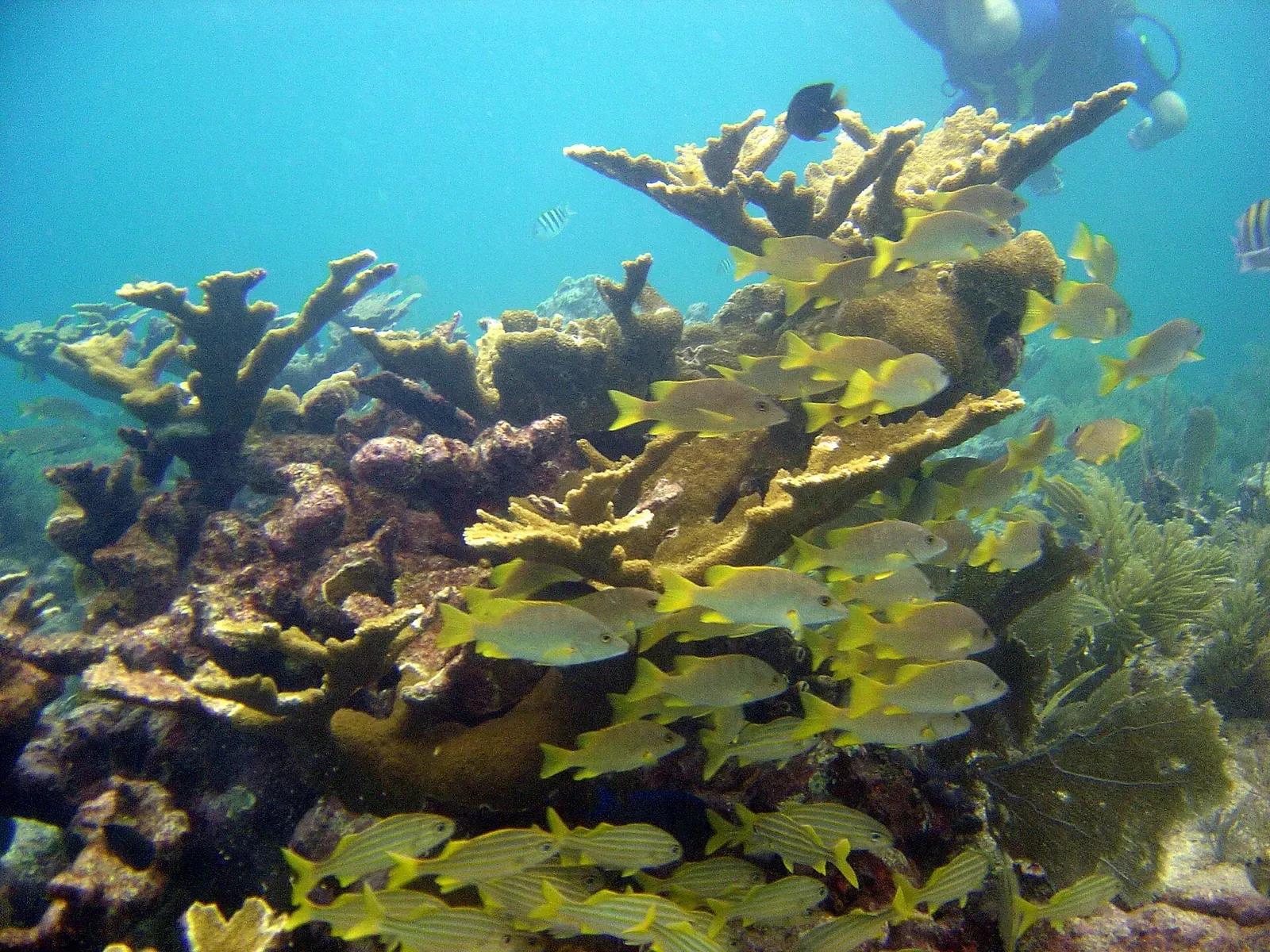
Fields of coral drifted to 18 m with goliath grouper and sharks
Thirty-two mooring buoys along one spur-and-groove reef

The south end of Molasses and the start of the reef drift


Sand slopes, low coral walls and a warship at 28 metres