
Port Phillip · Australia · Wreck
J4 Submarine Wreck
A WWI submarine at 27 m, silt-free inside on the right day
Area photo: Kgbo · CC BY-SA 4.0
The J4 is a First World War submarine lying north-south on a rocky seabed in the Victorian Ships' Graveyard, in twenty-seven metres of water. She was built in Wales in 1916, transferred to the Royal Australian Navy in 1919 and scuttled here after sinking at her moorings in 1924. Several hatches let divers inside the hull.
Also known as HMAS J4.
Where it is and how deep
38.2996° S, 144.5679° EPublished position for this site.
The dive
The submarine lies north-south on rock in twenty-seven metres, which makes the outside of the dive straightforward: pick an end and run the length of the hull, with the small, hard shape of a J-class boat easy to keep track of throughout. Fish hold around the conning tower. Several hatches are open, and when conditions are right the interior is clear and free of silt, which is why the wreck is rated among Melbourne's best dives.
Inside, light comes through cracks in the hull onto bulkheads, the engine bed and the torpedo tubes. Conditions are the whole story here: the wreck is shallow enough to feel strong surge, and surge inside a submarine hull is a different proposition from surge over open reef, so penetration belongs to settled days and to divers trained and equipped for it. On a poorer day the dive still works as a circuit of the exterior, flown off the structure rather than along it.
The wreck
- Vessel
- HMAS J4
- Type
- J-class submarine
- Built
- 1916
- Cause
- Deliberately scuttled in the Port Phillip ship graveyard after sinking at her moorings in 1924
- Lies
- North-south on a rocky seabed at 27 m in the Victorian Ships' Graveyard
She was launched at Pembroke Dock in Wales on 2 February 1916 as the British submarine HMS J4, and was one of six J-class boats offered to Australia by the Royal Navy after the war, transferring on 25 March 1919 as HMAS J4. Operational use was limited and the cost of maintaining her told: she was paid off in July 1922, sold in February 1924, sank at her moorings at Williamstown that July, and was raised and scuttled in the ship graveyard.
Marine life and season
The sources we used don't single out particular species here.
| Jan | Feb | Mar | Apr | May | Jun | Jul | Aug | Sep | Oct | Nov | Dec |
|---|---|---|---|---|---|---|---|---|---|---|---|
| Good | Good | Good | Good | Prime | Prime | Prime | Good | Good | Good | Good | Good |
Season follows Port Phillip: The spider crab aggregation runs May–Jul; winter also brings the clearest water, while summer is warmest but greener.
Know before you go
- The wreck is shallow enough for swell to drive strong surge through it, which is a serious problem inside the hull, so penetration is for settled days only.
Sources
- J4 Submarine Wreck — Scubago/SSI
- HMAS J4 — Wikipedia
More dive sites in Port Phillip
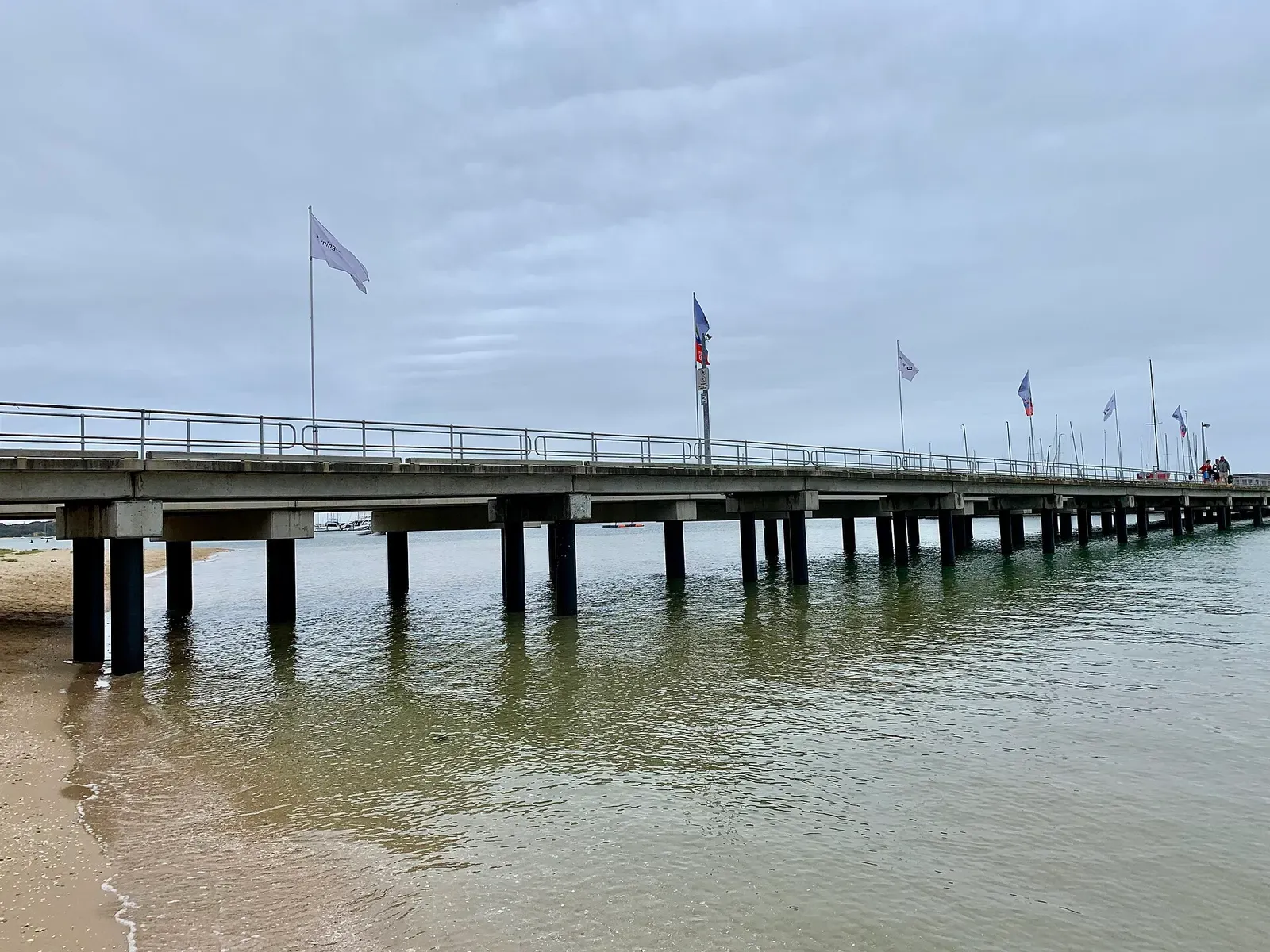
More than a hundred nudibranch species under one pier
Reef
A 10-22 m reef of overhangs and swim-throughs
Walls stepping down past 60 m, strewn with house-sized boulders
Pinnacle
A 200 m rock circled in one dive, 18 m sand to 12 m top
Ledges and swim-throughs in 6-9 m, straight off the car park
Wall
A broken wall from 12 m to 30 m, cut with overhangs
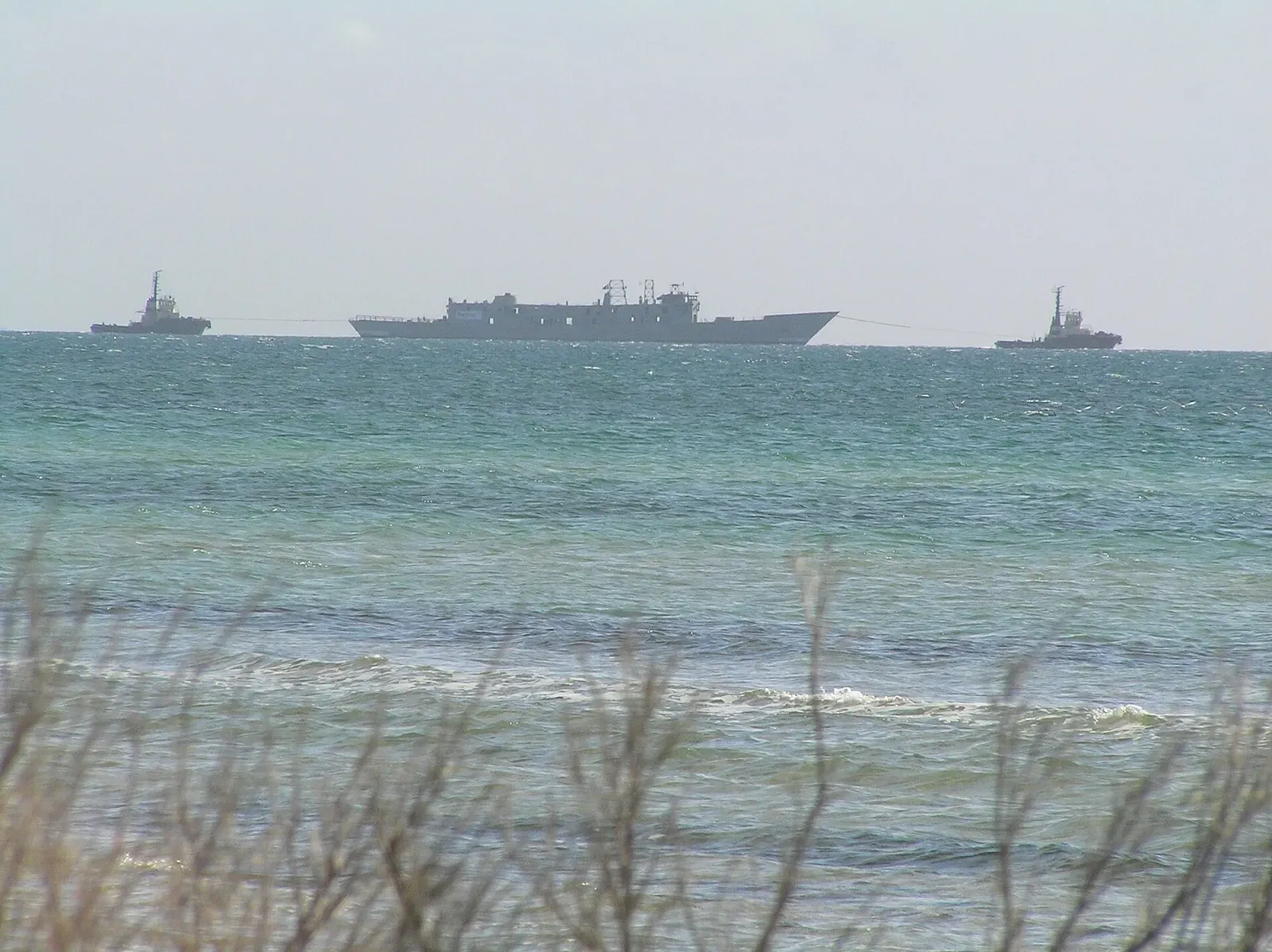
A 138 m guided missile frigate sunk at 30 m
Wall
The shallow 8 m top of the Lonsdale wall system
Similar dives elsewhere
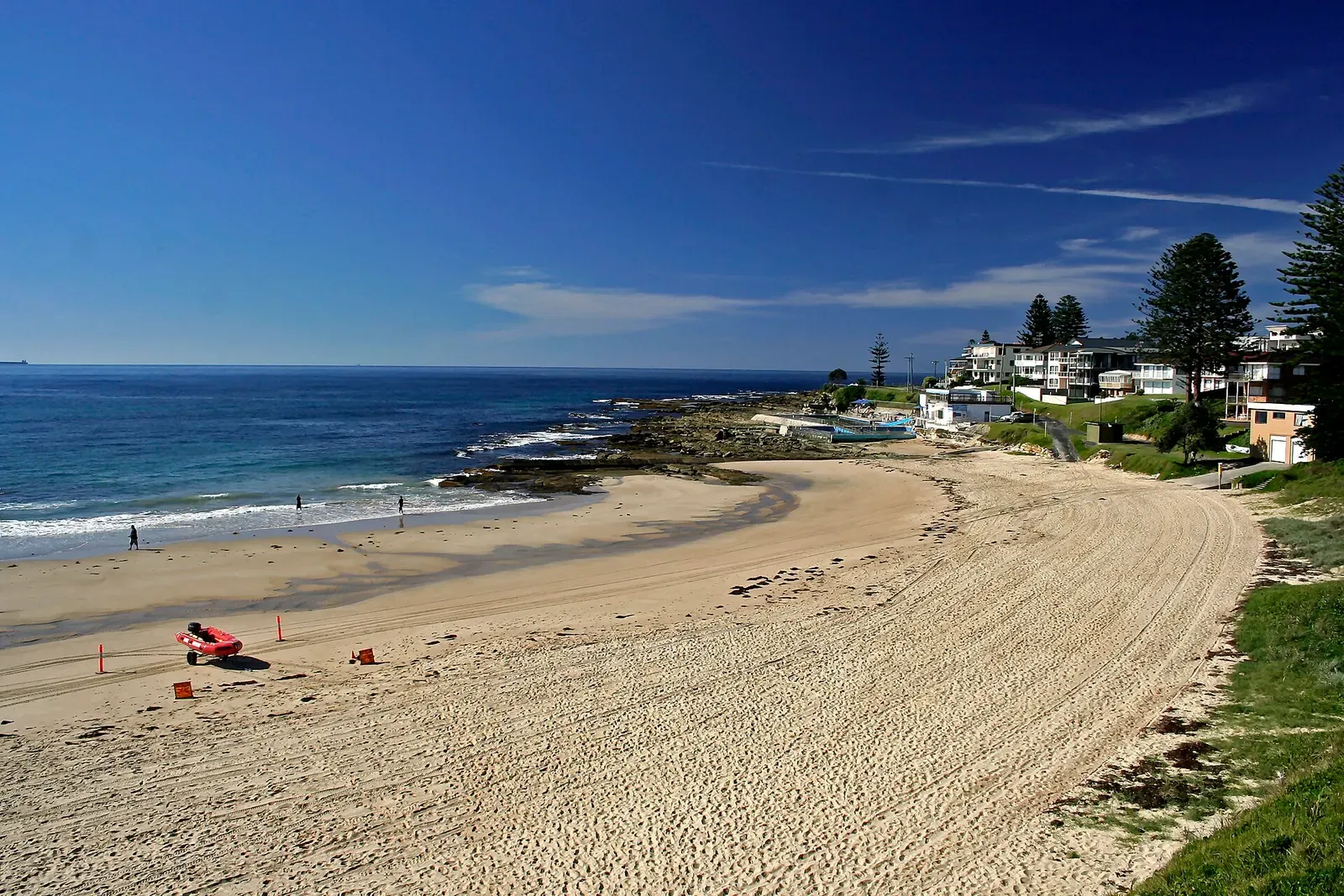
Scuttled RAN frigate in 32 m off Avoca, closed to divers since July 2024
A 133 m destroyer on sand at 28 m, dived outside only

Coral-covered plating over holds built for 3,000 tons

The Greenpeace ship bombed in 1985, now a dive wreck at 26 m