Port Phillip · Australia · Artificial reef · Kelp forest · Reef
Popes Eye
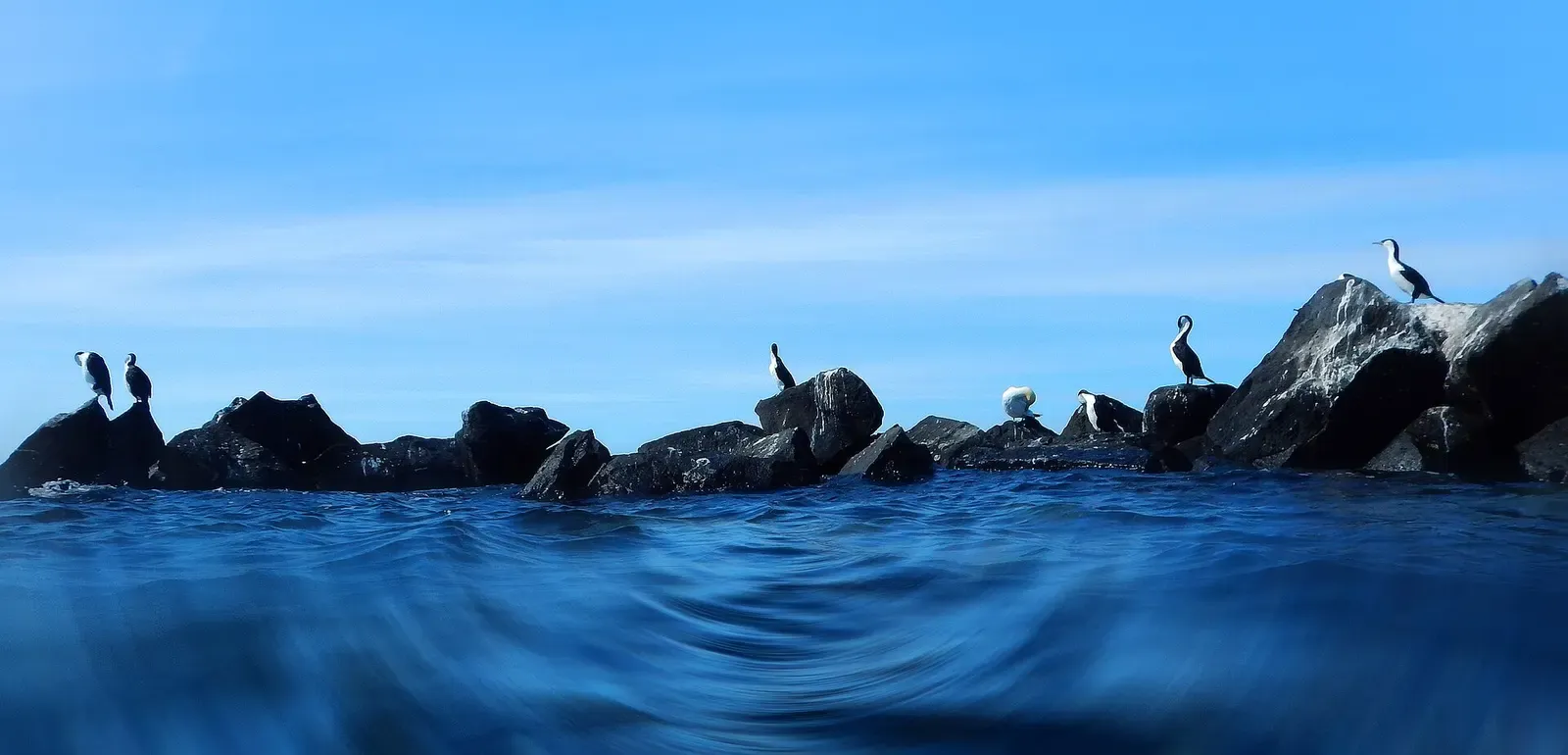
An unfinished 1880s fort ring with a gannet colony on top
Photo: Mozzie245 · CC BY-SA 4.0
Popes Eye is the uncompleted foundation of an island fort: bluestone boulders dumped on a submerged 12 m sandbank in the 1880s until they formed a horseshoe-shaped artificial reef breaking the surface. The inside of the ring is only about 2 m deep and protected from strong currents, while the outer boulders carry kelp, gorgonian corals and reef fish.
Also known as Pope's Eye.
Where it is and how deep
38.2769° S, 144.6989° EPublished position for this site.
The dive
The structure is a horseshoe of bluestone boulders open to the north-east, standing just above high-water level on a sandbank 12 metres deep. Inside the ring the water is only about 2 m deep and protected from strong currents, which is why snorkellers use the site as much as divers do; the outside is where the depth is, and Parks Victoria rates that side as suitable for experienced divers.
On the outer boulders there is an underwater forest of marine algae - giant and leathery kelp - along with gorgonian corals, and colourful reef fish, octopus, cuttlefish and feather stars working the gaps in the rock. Australian fur seals and Burrunan dolphins visit the site often. The surface interval is worth taking slowly, because Popes Eye is an important breeding site for Australasian gannets, which nest on the rocks and on platforms built for them.
The whole site sits inside Port Phillip Heads Marine National Park, managed by Parks Victoria. Fishing from the shore or at sea is prohibited anywhere in the park, nothing may be taken or damaged - animals, plants, objects or sea shells - and spear guns are not permitted in any of Victoria's marine protected areas. Plan the dive as a look-only one and leave the rocks and the creatures on them where they are.
Background
Construction of Popes Eye began in the 1880s under the supervision of Sir William Jervois, as the uncompleted foundation for an island fort intended to defend the entrance to Port Phillip. Bluestone boulders were dumped on a submerged sandbank 12 metres deep until they formed a horseshoe-shaped artificial reef open to the north-east, just above high-water level. Work stopped before the fort was finished: improvements in naval gunnery meant the entrance and its shipping channel could be covered by guns at the nearby Swan Island fort, at Fort Queenscliff and at Fort Nepean, which made Popes Eye redundant for military purposes.
Marine life and season
- Seals & sea lions
- Dolphins
- Octopus & cuttlefish
- Reef fish swarms
- Macro critters
| Jan | Feb | Mar | Apr | May | Jun | Jul | Aug | Sep | Oct | Nov | Dec |
|---|---|---|---|---|---|---|---|---|---|---|---|
| Good | Good | Good | Good | Prime | Prime | Prime | Good | Good | Good | Good | Good |
Season follows Port Phillip: The spider crab aggregation runs May–Jul; winter also brings the clearest water, while summer is warmest but greener.
Photos from Popes Eye
Photographer: Mark Norman. Museums Victoria · CC BY 4.0
Rick Stuart-Smith / Reef Life Survey · CC BY 3.0
Dive videos
Scuba Diving - Pope's Eye - 041216 · Mitch Black on YouTube
Questions divers ask
How deep is Popes Eye?+
The inside of the ring is only about 2 m deep, which is why snorkellers use it. The boulders were dumped on a submerged sandbank 12 m deep, so the outside of the reef is the deeper dive.
Why is there a stone ring at Popes Eye?+
It is the uncompleted foundation of an island fort begun in the 1880s to defend the entrance to Port Phillip. Work ceased when shore guns at Swan Island, Fort Queenscliff and Fort Nepean made it redundant.
Sources
- Pope's Eye — Wikipedia
- Diving in Australia — Wikivoyage
- Port Phillip Heads Marine National Park — Parks Victoria
Photo credits
- Dark boulders of Popes Eye breaking the surface of Port Phillip Bay with a cormorant perched on top by Mozzie245, CC BY-SA 4.0, via Wikimedia Commons
- Bright orange-red seastar on a rock among pale bryozoan and hydroid growth by Photographer: Mark Norman. Museums Victoria, CC BY 4.0, via Wikimedia Commons
- Camouflaged warty prowfish resting among brown kelp fronds by Rick Stuart-Smith / Reef Life Survey, CC BY 3.0, via Wikimedia Commons
In The Logbook
- Kelp forest diving, and where it still growsCold water · 13 min read
- Where to dive with seals and sea lionsBig animals · 17 min read
More dive sites in Port Phillip
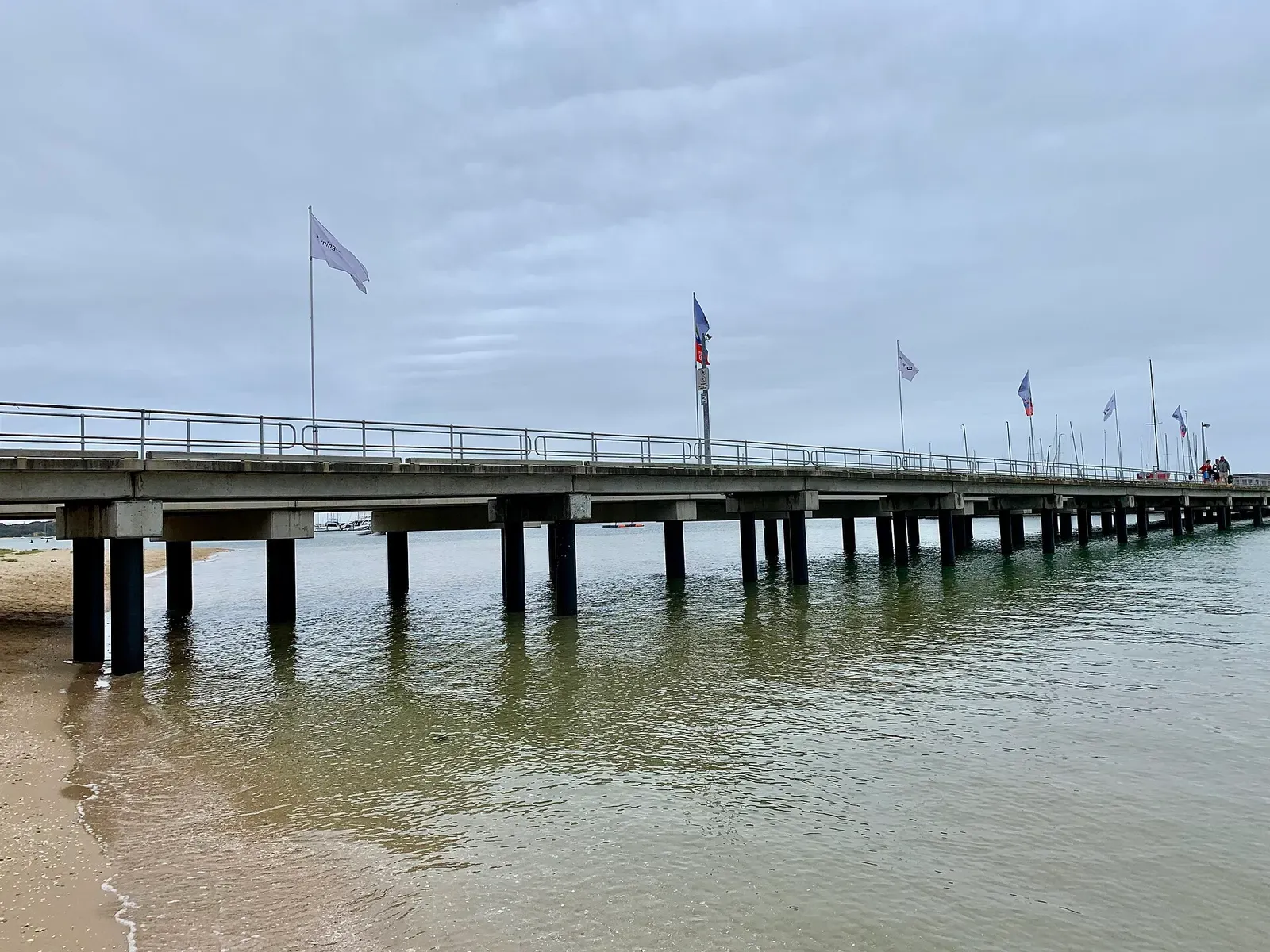
More than a hundred nudibranch species under one pier
Reef
A 10-22 m reef of overhangs and swim-throughs
Walls stepping down past 60 m, strewn with house-sized boulders
Pinnacle
A 200 m rock circled in one dive, 18 m sand to 12 m top
Ledges and swim-throughs in 6-9 m, straight off the car park
Wall
A broken wall from 12 m to 30 m, cut with overhangs
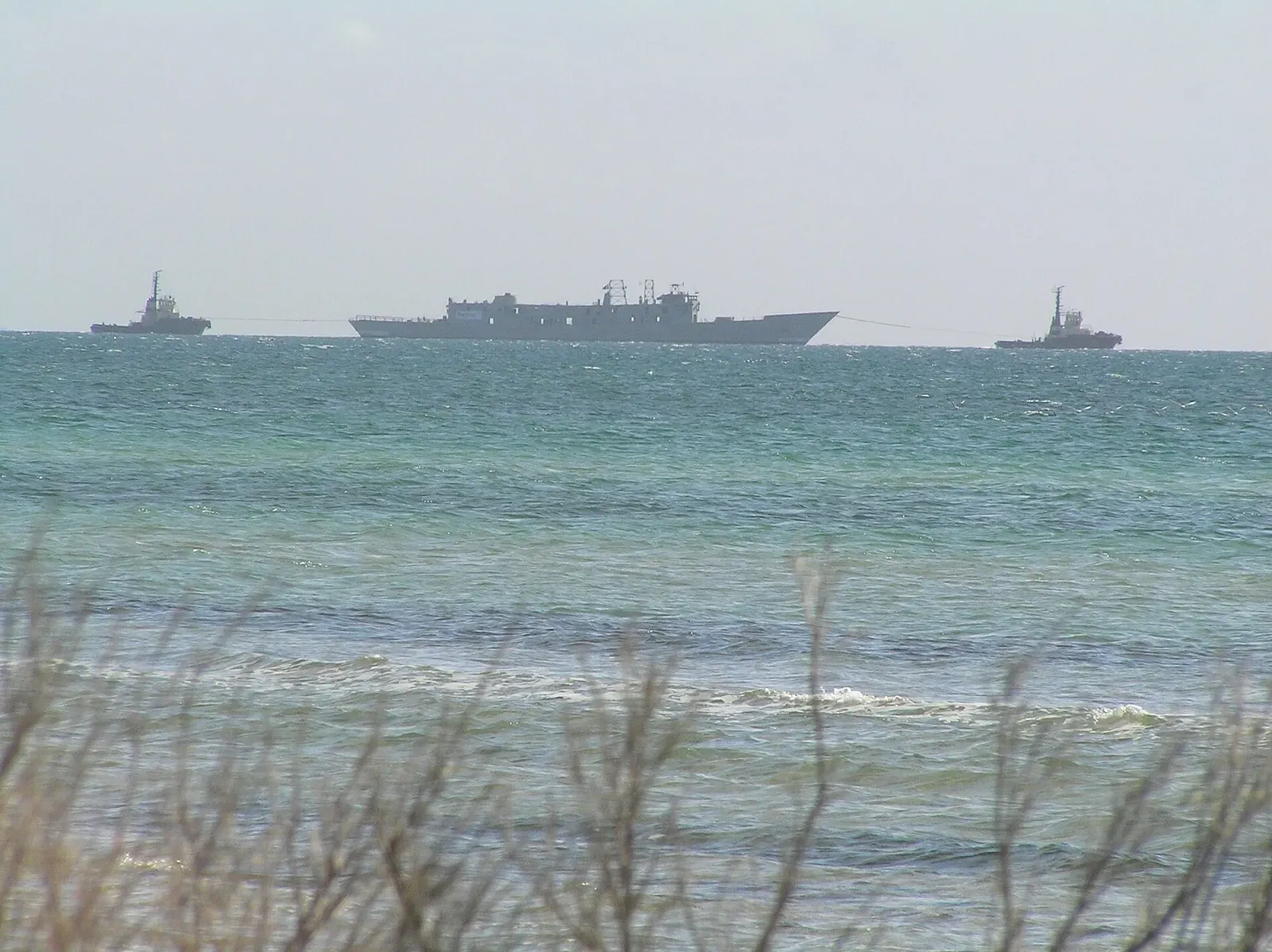
A 138 m guided missile frigate sunk at 30 m
Wall
The shallow 8 m top of the Lonsdale wall system
Similar dives elsewhere
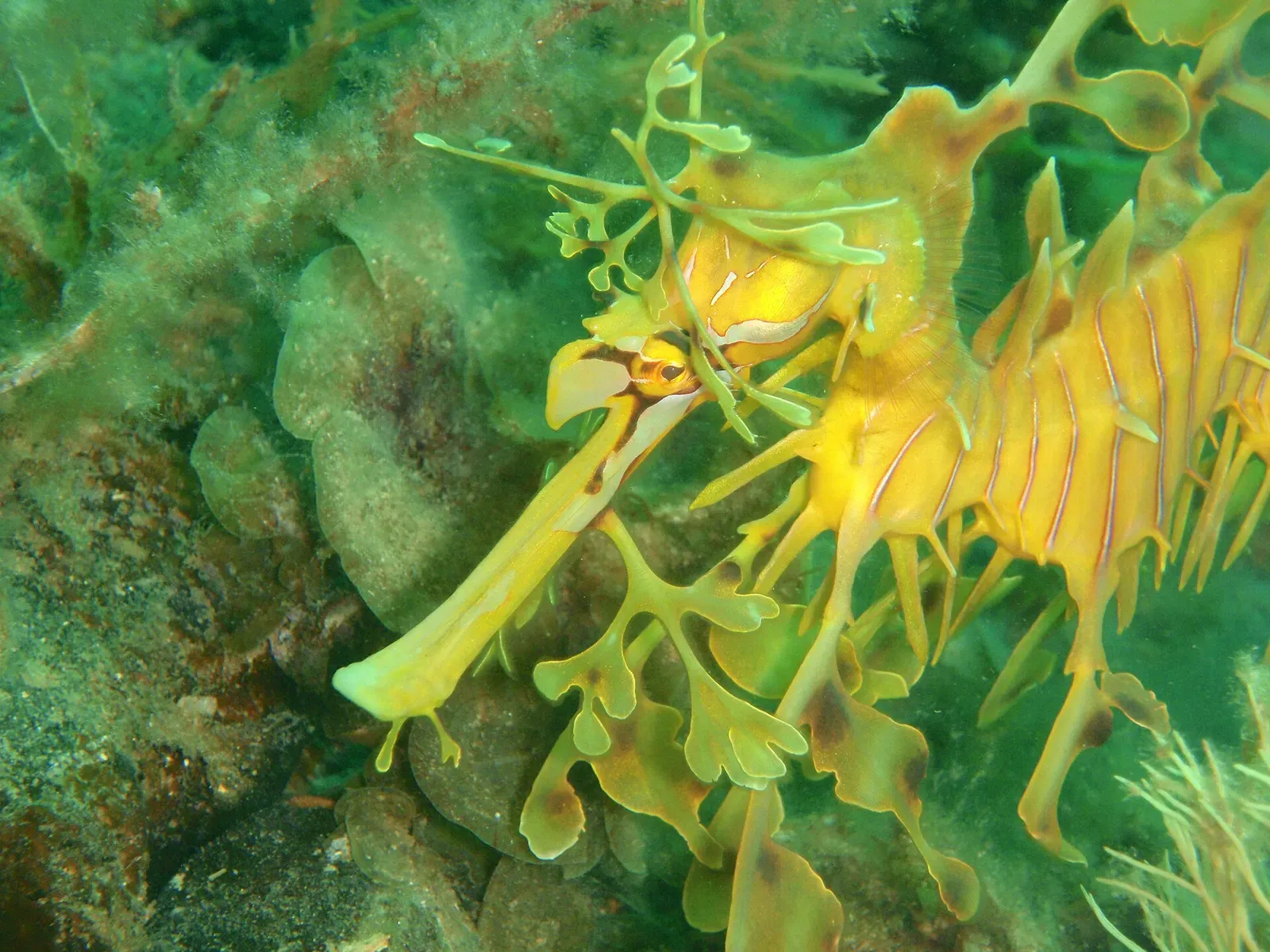
A resident leafy seadragon population lives under the old jetty.
Beach entry to a jetty and a sunken barge at 12 m

Wobbegongs and grey nurse under a working navy jetty


Wobbegongs, grey nurse and whitetips under a working navy jetty