North America · Mexico
Puerto Vallarta & Banderas Bay
A marine-park reef for every level, and open-sea rocks visited by giant mantas
Banderas Bay is one of the largest bays in North America and one of the deepest in the world, and dive shops in Puerto Vallarta run day boats across it. Los Arcos, a no-take marine park of four rocky islets, shallows and a deep canyon, suits every level, while the open-sea rocks of El Morro, El Chimo and La Corbeteña bring tunnels, Pacific giant mantas and nurse sharks for experienced divers. The Princesa Vallarta wreck and the Marietas Islands round out the list.
About diving in Puerto Vallarta & Banderas Bay
Diving here is by day boat from shops in Puerto Vallarta itself. One Marina Vallarta shop sails daily at 9 am after a gear and paperwork meeting at the shop, caps its boats at ten divers, and visits the Marietas Islands three days a week. Los Arcos, the marine park in the south of the bay, is a 35-minute ride from the marina. The open-sea rocks of El Morro, El Chimo and La Corbeteña make for longer days, and La Corbeteña, the most remote site in the bay, is dived only once or twice a year.
Los Arcos is a reef of four rocky islets with shallows and a deep-sea canyon; its dives run from about 3 to 27 m (10 to 90 ft), and a wall drops off from 18 m (60 ft) to 37 m (120 ft). Angelfish, Moorish idols, snappers, triggerfish, groupers and pufferfish fill the reef, Cortez rays sit on the bottom, eagle rays feed over the sand and green turtles rest on the rock slabs. The offshore rocks add tunnels, low arches and caves where nurse sharks sleep by day, and Majahuitas holds a dense field of garden eels.
Los Arcos suits every level from new divers upwards, and Majahuitas keeps a sheltered side for beginners. The open-sea rocks are for experienced divers, and El Morro usually runs moderate current. The Los Arcos drop-off brings surge and sometimes strong current, and the Princesa Vallarta wreck, at 38 m (125 ft), calls for some deep-dive experience. From December the sea outside the bay roughens easily and a 20 m dive can meet 13 °C water, so divers wanting the offshore sites should plan for June to November.
Best time to dive Puerto Vallarta & Banderas Bay
| Jan | Feb | Mar | Apr | May | Jun | Jul | Aug | Sep | Oct | Nov | Dec |
|---|---|---|---|---|---|---|---|---|---|---|---|
| Fair | Fair | Fair | Fair | Fair | Good | Good | Good | Good | Good | Good | Fair |
June to November is warm and opens the open-sea islets to the north; from December the sea outside the bay roughens and 20 m water can fall to 13 °C.
Best months: June, July, August, September, October, November
Dive types & marine life
Pacific giant mantas pass El Chimo, and nurse sharks sleep in the small caves of La Corbeteña; neither is guaranteed. Green turtles, eagle rays, Cortez rays and reef-fish schools all live at Los Arcos. Humpback whales are in the bay to mate from December to March.
- Reef
- Wall
- Wreck
- Manta rays
- Reef sharks
- Sea turtles
- Eagle rays
- Stingrays
- Whales
- Reef fish swarms
Best dive sites in Puerto Vallarta & Banderas Bay
- 1
Los Arcos
No-take marine park of four rocky islets, shallows and a deep canyon, with a wall that drops to 37 m (120 ft).
- 2
El Chimo
Rock formations with two openings at the base shaped like a church portico; a meeting place for giant mantas.
- 3
El Morro
Open-sea rock crossed by a tunnel from 37 m to 15 m (120 to 50 ft), usually with moderate current.
- 4
Marietas Islands
Island national park in the open sea to the north of the bay, dived three days a week from Marina Vallarta.
- 5
Majahuitas
Sheltered beginner site with tenuous current and a garden-eel colony dense enough to look like a grass field.
- 6
Princesa Vallarta
Wreck sunk in 2016 off Las Gemelas beach among 10 or 11 other ships, the deepest at 38 m (125 ft).
Site guides
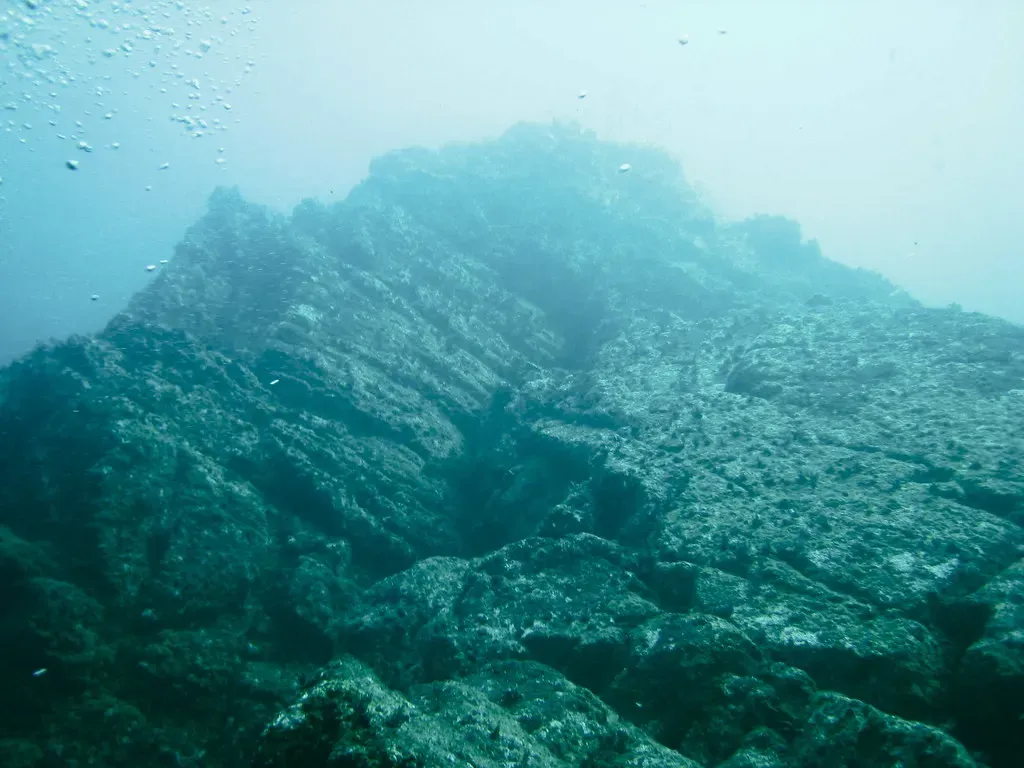
A deep site where divers meet giant mantas
Reef
A tunnel through the whole rock, from 37 m up to 15 m
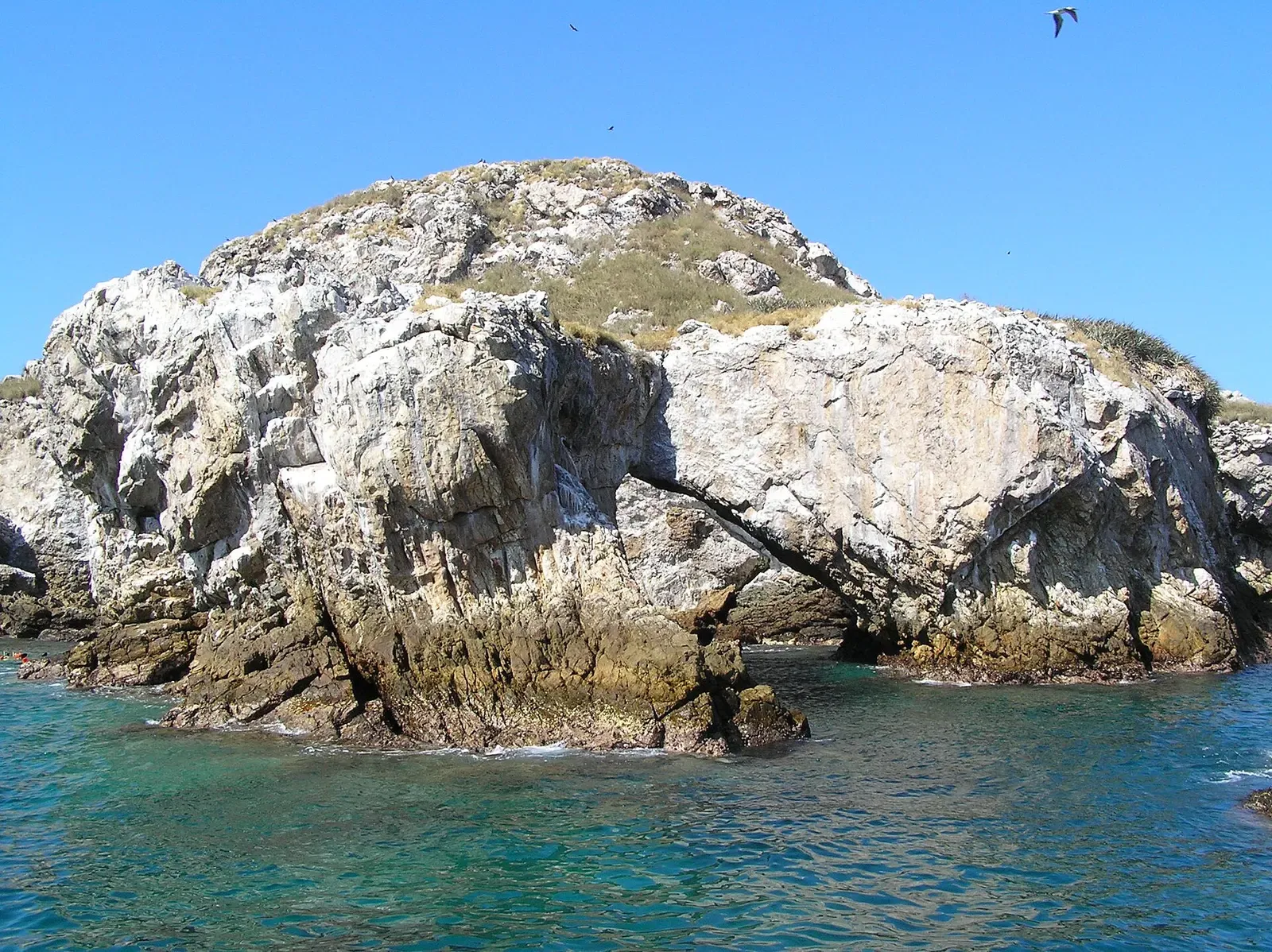
Volcanic islands with hard coral, sea fans and passing manta rays
Reef
Low arches, fish schools and nurse sharks asleep in caves
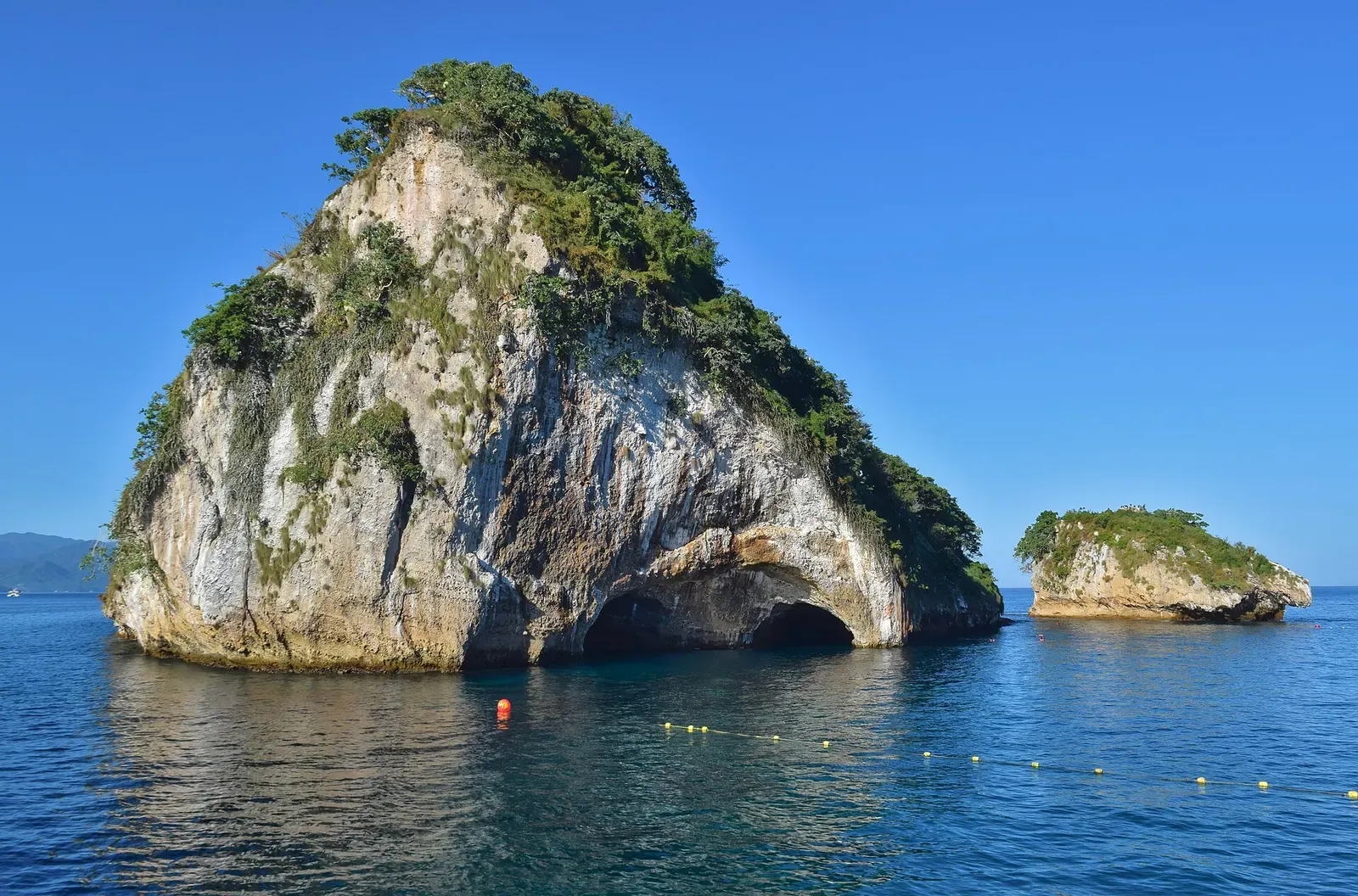
A no-take islet reef with a wall that drops from 18 m to 37 m
Reef
A garden eel colony dense enough to look like grass
A former Banderas Bay snorkelling boat, among 10 or 11 sunken ships
How to get to Puerto Vallarta & Banderas Bay
Gustavo Díaz Ordaz International Airport (PVR) lies 2 km north of Marina Vallarta, where one dive shop keeps its boats; Los Arcos is a 35-minute boat ride from the marina, and other dive shops operate from Puerto Vallarta itself.
Dive videos
Puerto Vallarta BANDERAS SCUBA REPUBLIC · BANDERAS SCUBA REPUBLIC on YouTube
Puerto Vallarta dives June 20 23 24 2015 · Coral Master (Greg) Puerto Vallarta Diver on YouTube
Questions divers ask
What certification do the Puerto Vallarta dives need?+
Open Water suits Los Arcos, while the open-sea rocks and the Los Arcos wall need deep-dive and current experience. Majahuitas is a sheltered beginner site with tenuous current.
Are giant mantas guaranteed at Puerto Vallarta?+
No. Pacific giant mantas pass El Chimo and nurse sharks sleep in the small caves of La Corbeteña, but neither is guaranteed. Humpback whales are in the bay to mate from December to March.
When is the best time to dive Puerto Vallarta?+
June to November is warm and opens the open-sea islets to the north. From December the sea outside the bay roughens and 20 m water can fall to 13 °C.
How far is Los Arcos from the Puerto Vallarta marina?+
Los Arcos is a 35-minute boat ride from Marina Vallarta, where one dive shop keeps its boats. The airport lies 2 km north of the marina.
Sources
- Diving Sites in Banderas Bay — Banderas Scuba Republic
- Scuba Diving in Los Arcos — Chico's Dive Shop
- Los Arcos — Vallarta Under Sea
- Scuba Diving in Puerto Vallarta — Vallarta Adventures
- Puerto Vallarta — Wikivoyage
- Puerto Vallarta Water Temperature — Sea Temperatures
Embed
Run a dive centre, club or blog? Embed this map of 4 dive sites near Puerto Vallarta & Banderas Bay on your own page.
Similar destinations
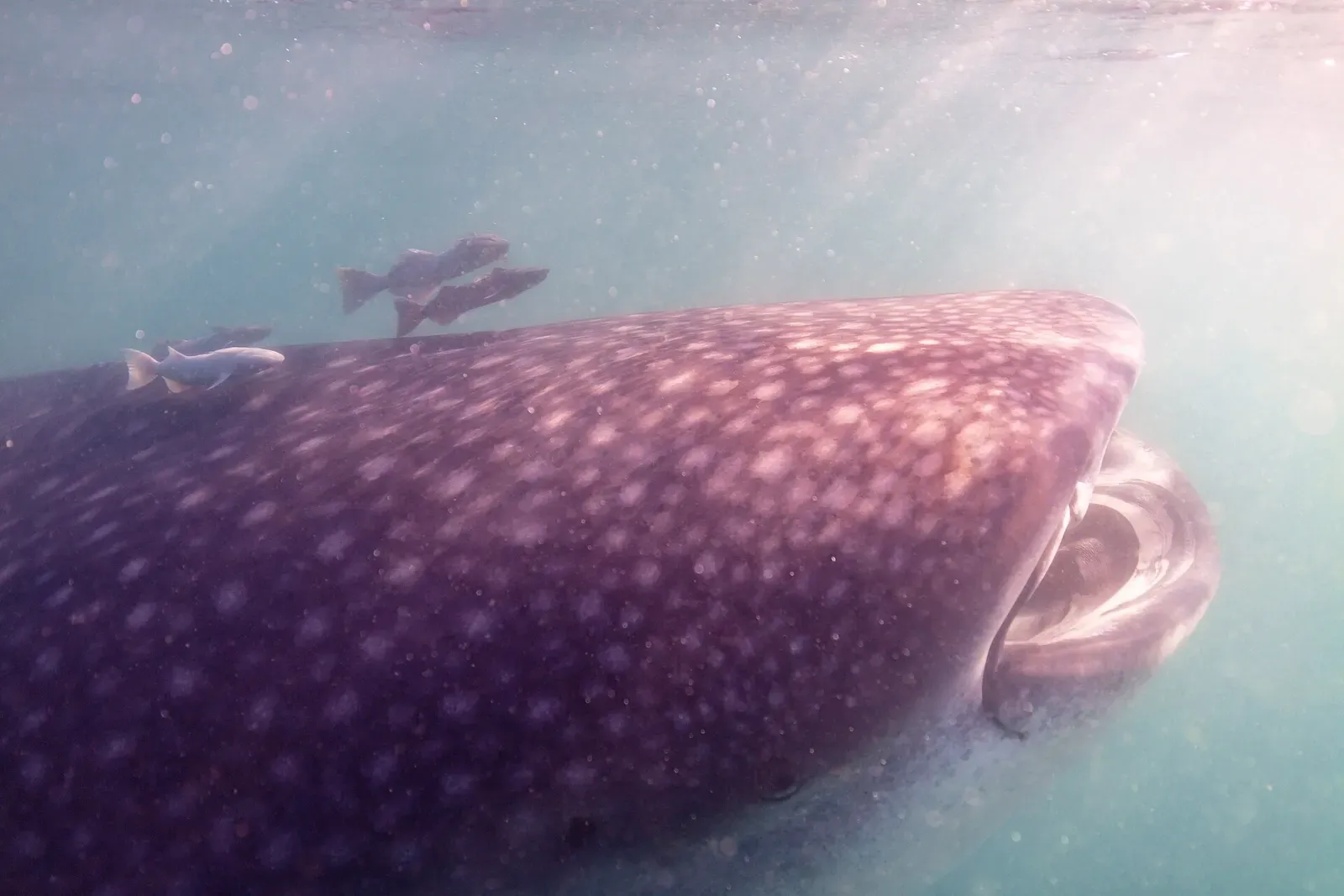
Sea lions at Los Islotes and whale sharks in La Paz Bay

Walk down the stairs at Casino Point straight into a giant kelp forest
Playful sea lions and towering kelp forests around rocky island pinnacles.

Warm shallow reefs and famous wrecks a short boat run from Key Largo and Islamorada