Eastern Pacific · Costa Rica
Quepos & Manuel Antonio
Short boat rides to soft-coral canyons off Manuel Antonio National Park
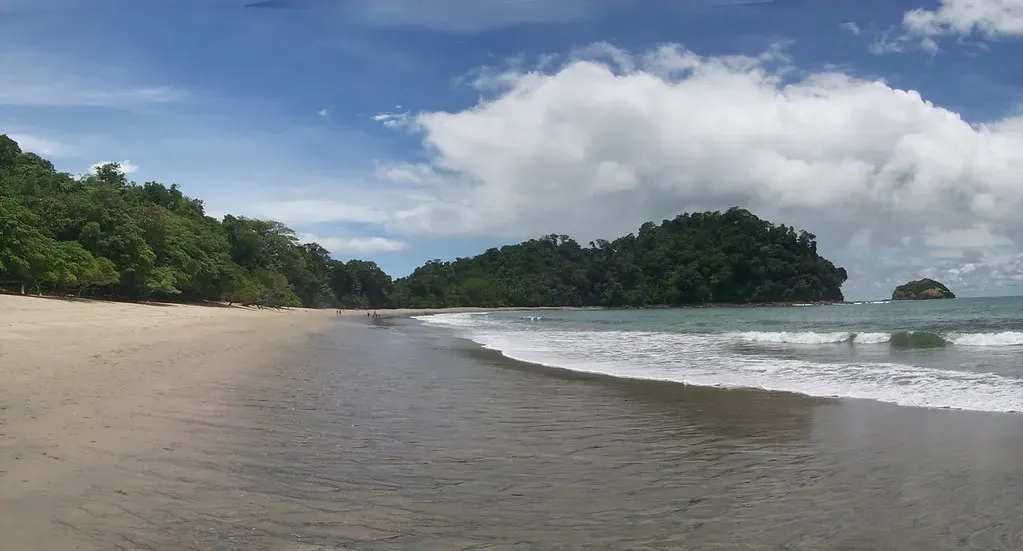
Photo: jmcmichael · CC BY-SA 2.0
Quepos sits on Costa Rica's Pacific coast, and its dive boats leave the town marina for the volcanic rock reefs off Manuel Antonio National Park, 10 to 20 minutes away. Dives run from 7 to 25 m over canyons, sand patches and pinnacles dressed in soft coral, at sites such as Geo's Ridge, Canyon Reef and Captain's Rock. Whitetip reef sharks, long-tail stingrays, turtles and octopus share the reef with nudibranchs, in water of 28 to 29 °C.
About diving in Quepos & Manuel Antonio
Apart from shore clean-up dives, all the diving here is from a boat. Oceans Unlimited, a PADI Gold Palm centre that also takes snorkellers out, runs its half-day local trip from its shop in the Quepos marina, and the ride to the sites inside Manuel Antonio National Park takes 10 to 20 minutes. Rica Freedivers also runs daily trips for certified divers. Dives are led by PADI professionals who know the sites and their marine life.
The sites are volcanic rock heavily grown with soft coral, a mix of canyons, sand patches and pinnacles. Geo's Ridge and Canyon Reef are built around canyons, the latter running parallel to Isla Larga. Fish are plentiful, with octopus, moray eels, starfish, lobsters, whitetip reef sharks and turtles, and the range runs from tiny nudibranchs to big long-tail stingrays. Thermoclines are most common in February and March, and the colder water tends to bring in more stingrays.
Most of the diving off the park has mild current with strong surge, so it suits divers with some experience, though a couple of protected sites serve beginners. Pixie Rock, at 6 to 12 m (20 to 40 ft) with almost no current, suits less experienced divers, and uncertified visitors can join after a Discover Scuba Diving course. Visibility depends on the rain: two river mouths lie close by, so green-season rain cuts it to 4 to 10 m, and the clearest water comes between December and April. Caño Island, around 45 minutes by car from Manuel Antonio and then 45 minutes by boat, is the longer day trip on this coast.
Best time to dive Quepos & Manuel Antonio
| Jan | Feb | Mar | Apr | May | Jun | Jul | Aug | Sep | Oct | Nov | Dec |
|---|---|---|---|---|---|---|---|---|---|---|---|
| Good | Good | Good | Good | Fair | Fair | Fair | Fair | Fair | Fair | Fair | Good |
December to April is the dry season, with 7–22 m visibility; green-season rain near two river mouths can cut it to 4–10 m.
Dive types & marine life
Whitetip reef sharks, turtles, morays, lobsters and long-tail stingrays turn up on the reefs, with more stingrays when the cold thermoclines arrive in February and March. Octopus mate at Captain's Rock from June to August. Humpback whales pass from September to October and again in January, and can be heard underwater.
- Reef
- Reef sharks
- Stingrays
- Sea turtles
- Octopus & cuttlefish
- Nudibranchs
- Whales
Best dive sites in Quepos & Manuel Antonio
- 1
Geo's Ridge
Four or five main canyons lined with soft coral and schools of brightly coloured fish.
- 2
Canyon Reef
Volcanic-rock canyons running parallel to Isla Larga.
- 3
Captain's Rock
A slightly deeper site with abundant octopus and soft coral; octopus mate here from June to August.
- 4
Pixie Rock
A 6–12 m site (20–40 ft) with almost no current, suited to less experienced divers.
Site guides
Reef
A 6–12 m reef with almost no current, for newer divers
How to get to Quepos & Manuel Antonio
Quepos has its own airport, a US$20 cab ride from town or the park. From San José's international airport, Manuel Antonio is 2.5 to 3 hours by road, or a short domestic flight to Quepos. The dive boats leave from the marina in Quepos.
Questions divers ask
What certification does Quepos diving need?+
Divers need certification, or a Discover Scuba course first. Most dives stay above 20 m, and Pixie Rock, at 6–12 m (20–40 ft) with almost no current, suits less experienced divers.
When is the best time to dive Quepos and Manuel Antonio?+
December to April is the dry season, with 7–22 m visibility. Green-season rain near two river mouths can cut it to 4–10 m.
When are octopus and whales seen at Manuel Antonio?+
Octopus mate at Captain's Rock from June to August. Humpback whales pass from September to October and again in January, and can be heard underwater.
How do divers get to Quepos?+
From San José's international airport, Manuel Antonio is 2.5 to 3 hours by road, or a short domestic flight to Quepos. The dive boats leave from the marina in Quepos.
Sources
- Diving in Quepos- What to expect — Oceans Unlimited
- Dive Manuel Antonio — Oceans Unlimited
- Scuba Diving in Manuel Antonio — Rica Freedivers
- Scuba diving in Manuel Antonio — Costa Rica Dive and Surf
- Quepos — Wikivoyage
- Quepos Water Temperature — seatemperature.org
Photo credits
- Sandy beach curving toward a forested headland under a blue sky, with a small rocky islet offshore by jmcmichael, CC BY-SA 2.0, via Openverse
Similar destinations

Humpback song fills every dive from July through October
Humpback whale song carries underwater during the mid-year migration season

Hundreds of whitetip reef sharks pile up in the shallows at El Remolino

Hannibal Bank rises from 400 m and pulls in billfish and tuna