Atlantic · Portugal
Azores — São Jorge & Graciosa
Pelagic schools on Rosais Reef and resident groupers in Pesqueiro Alto's caves
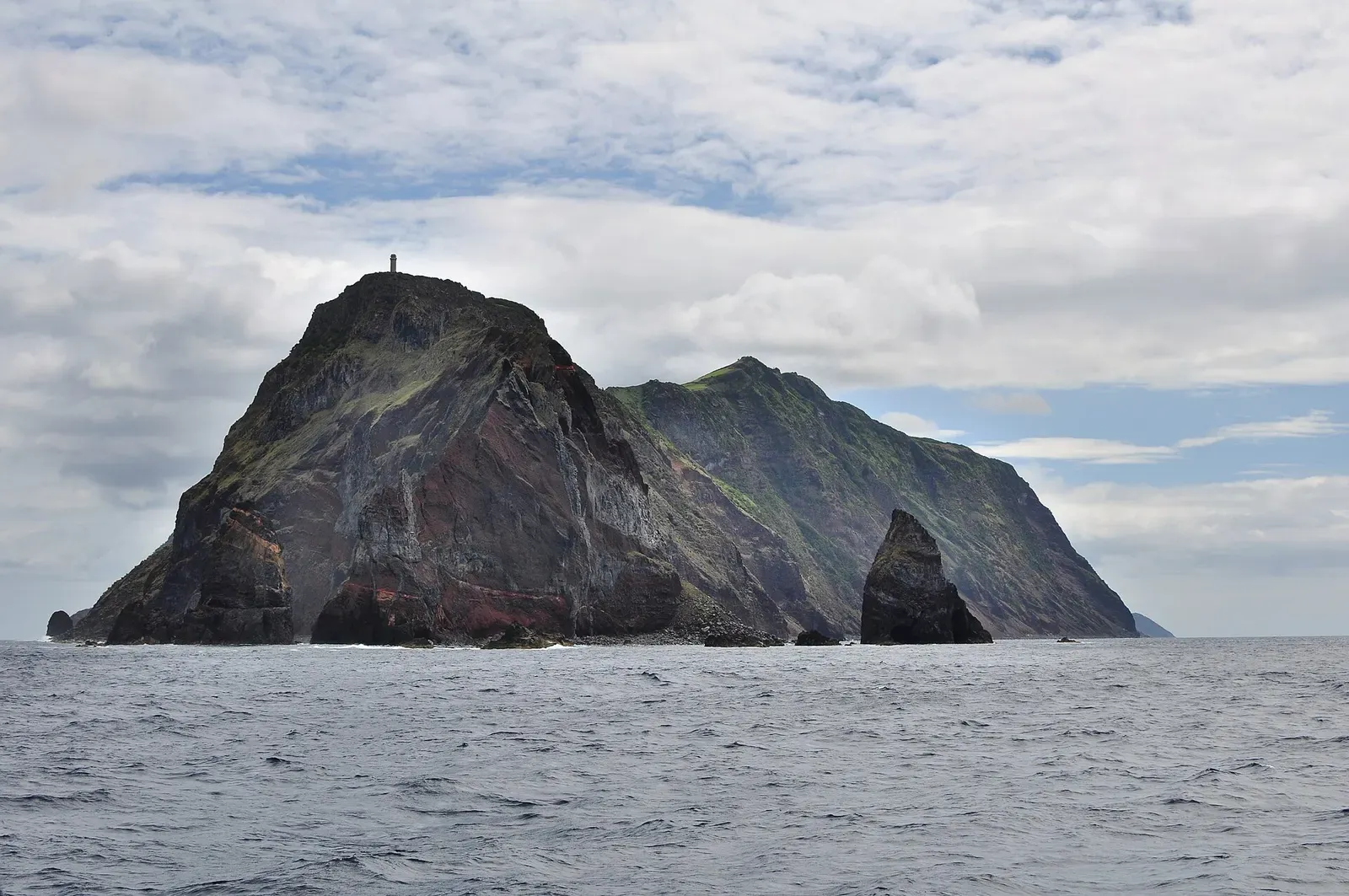
São Jorge and Graciosa are two islands of the Azores, each dived by boat from its own island centre. São Jorge's sites run from Baixa dos Rosais, an offshore reef off the western tip where jacks, trevally and barracuda school, to Ilhéu do Topo at the eastern end, while Pesqueiro Alto on the south coast has caves with resident dusky groupers. Graciosa, a Biosphere Reserve, has more than thirty sites, among them the Baixa do Farol reef. Most dives run from 5 to 25 m.
About diving in Azores — São Jorge & Graciosa
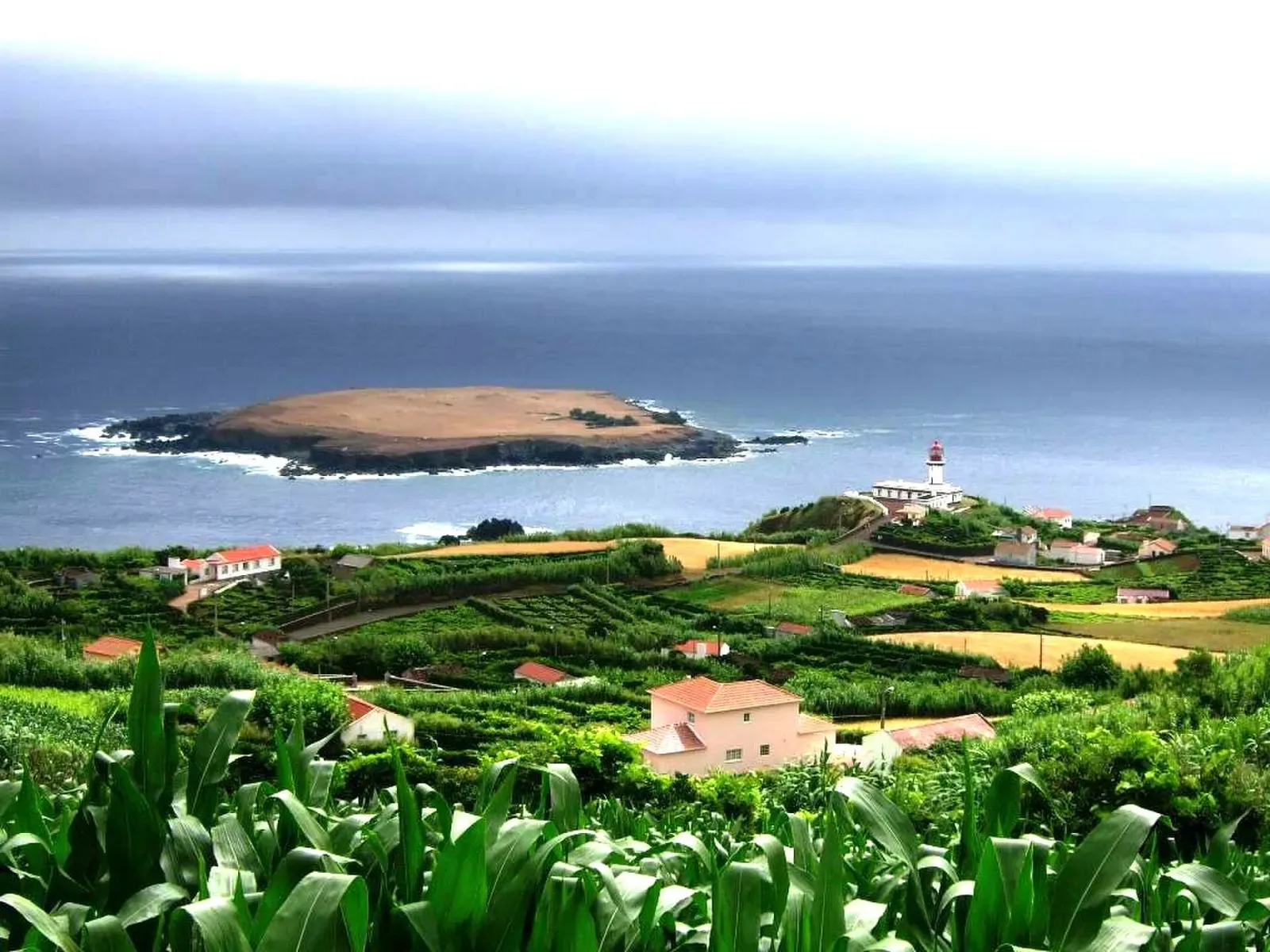
Both islands are dived by boat, each from its own centre. On São Jorge the sites spread along the coast from Baixa dos Rosais in the west to Ilhéu do Topo in the east. Topo lies close to shore, but it is a 75-minute boat trip from Velas harbour, about 40 km (25 miles) away. On Graciosa the centre has found more than thirty sites around the island, mainly on the north and northeast coast. When weather or currents rule out the other sites, the sheltered Ilhéu da Gaivota on Graciosa's south coast is the fallback.
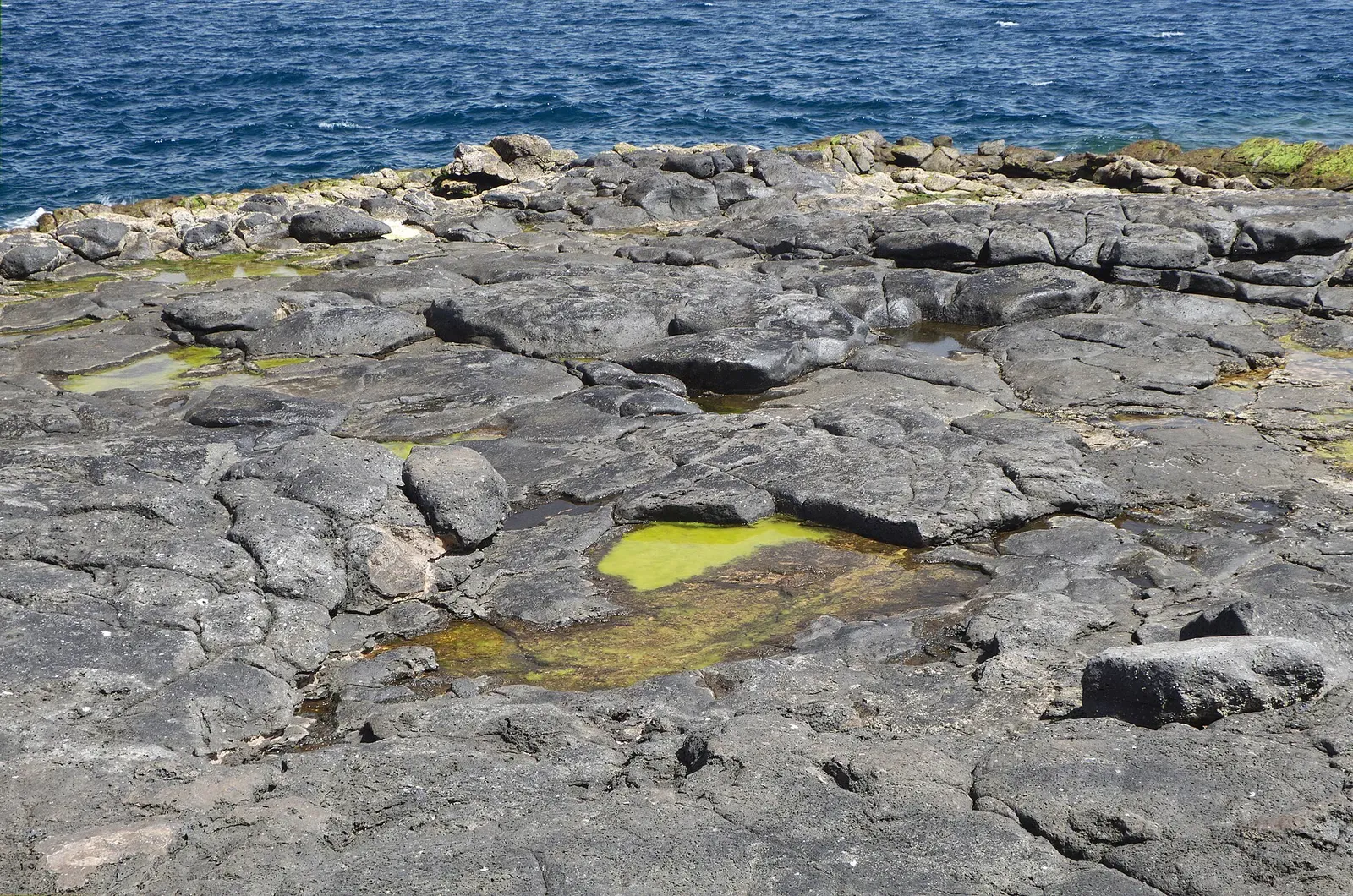
The seabed is volcanic, with lava flows, pebble floors, caves and reefs. Rosais Reef, off São Jorge's western tip, draws large schools of pelagic fish, with anchovies, almaco jacks, white trevally and yellowmouth barracuda over its top. Pesqueiro Alto, between Terreiro and Urzelina, has several sizeable caves. Off Graciosa's north coast, Baixa do Farol is a long reef where demersal fish and schools in the blue are common; a second reef further north tops out at 17 m, drops to 25 m and has stretches of black coral.
São Jorge's centre runs trips for all levels of experience, and Pesqueiro Alto is open to all levels, though its deepest part is reserved for the more experienced. Ilhéu do Topo asks more: at the very tip of São Jorge it is often affected by strong currents, and when they are forceful it is recommended only to experienced divers. Newer divers on Graciosa have the sheltered Ilhéu da Gaivota. Graciosa is a Biosphere Reserve and one of the best preserved islands of the archipelago.
Best time to dive Azores — São Jorge & Graciosa
| Jan | Feb | Mar | Apr | May | Jun | Jul | Aug | Sep | Oct | Nov | Dec |
|---|---|---|---|---|---|---|---|---|---|---|---|
| Fair | Fair | Fair | Fair | Fair | Prime | Prime | Prime | Prime | Good | Fair | Fair |
The summer months, June to September, are the best time of the year for divers in these islands. Visibility is at its best from August through September and often into October, frequently exceeding 30 m. In spring it drops to an average of 10–15 m. The sea is coolest from January to April, at about 16 °C, and warmest in August, at about 23 °C.
Dive types & marine life
Dusky groupers are resident in the caves at Pesqueiro Alto. Yellowmouth barracuda, Atlantic bonito, white trevally, bluefish and almaco jacks are regular visitors at around 20 m off Ilhéu do Topo. Common eagle rays characteristically rest on the floor at the end of the wall at Ilhéu da Gaivota, where large schools of grey triggerfish are also common.
- Reef
- Pelagic & blue water
- Cave & cavern
- Night
- Groupers
- Barracuda
- Trevally & jacks
- Eagle rays
Best dive sites in Azores — São Jorge & Graciosa
- 1
Baixa dos Rosais
Offshore reef 4.8 km (3 miles) off São Jorge's western tip, its top only 15 m deep
- 2
Ilhéu do Topo
20-hectare islet off São Jorge's eastern tip, dived from 5 to 22 m in frequent strong currents
- 3
Baixa do Farol
Lighthouse reef 100 m off Graciosa's north coast, its top at 14–15 m
- 4
Pesqueiro Alto
South-coast São Jorge site over lava flow and pebbles, with caves and resident dusky groupers
- 5
Ilhéu da Gaivota
Sheltered, shallow islet on Graciosa's south coast, suited to beginner and night dives
Site guides
Reef
Black coral on a second reef north of the Ponta da Barca lighthouse
Almaco jacks and yellowmouth barracuda schooling over an offshore reef top
Wall
Eagle rays resting on the sand at the foot of a sheltered islet wall
Pelagic schools at 20 m on the current-swept tip of São Jorge
Cave & cavern
Resident dusky groupers in the caves of a lava-flow seabed
How to get to Azores — São Jorge & Graciosa
Graciosa Airport (GRW) lies on the island's north coast, and Atlanticoline, the Azores' passenger and cargo service, runs a daily ferry to Graciosa. São Jorge has its own aerodrome and ports, and its dive boats leave from Velas harbour.
Questions divers ask
When is the best time to dive São Jorge and Graciosa?+
June to September is the best time of year for divers. Visibility peaks from August into October, often beyond 30 m, while in spring it drops to an average of 10–15 m.
Is Ilhéu do Topo suitable for newer divers?+
Its depth is moderate, 5 to 22 m, but it sits on the tip of São Jorge and is often affected by strong currents; when they are forceful it is recommended only to experienced divers. It is also a 75-minute boat trip from Velas.
Where can beginners dive on Graciosa?+
Ilhéu da Gaivota, a sheltered and shallow site on the south coast, suits beginner dives and night dives, and it is the alternative when weather or currents shut the other sites.
How do divers get to Graciosa?+
Graciosa Airport (GRW) is on the island's north coast, and Atlanticoline runs a daily ferry. The island's dive sites are mostly on the north and northeast coast.
Sources
- São Jorge Dive & Sail Center — SJZ Dive & Sail Center
- Boat Diving – DivinGraciosa — DivinGraciosa
- Rosais Reef — Visit Azores
- Ilhéu do Topo Sul Dive Site in São Jorge — Visit Azores
- Pesqueiro Alto Dive Site in São Jorge — Visit Azores
- Baixa do Farol Dive Site in Graciosa — Visit Azores
- Ilhéu da Gaivota Dive Site in Graciosa — Visit Azores
- When to dive — Visit Azores
- Graciosa Island — Wikipedia
- São Jorge Island — Wikipedia
- Sao Jorge weather by month — weather2travel.com
Embed
Run a dive centre, club or blog? Embed this map of 7 dive sites near Azores on your own page.
Similar destinations

Open-water mobula ray carousels at Princess Alice Bank each summer
A 1.5 km volcanic reef stepping from 7 m to past 40 m off Caleta de Fuste
Black triggerfish swarm thick enough to block out the light
Atlantic
Azores — Santa Maria
Portugal
Mobula rays over the Baixa do Ambrósio seamount each summer