Cold Water · United Kingdom
Shetland
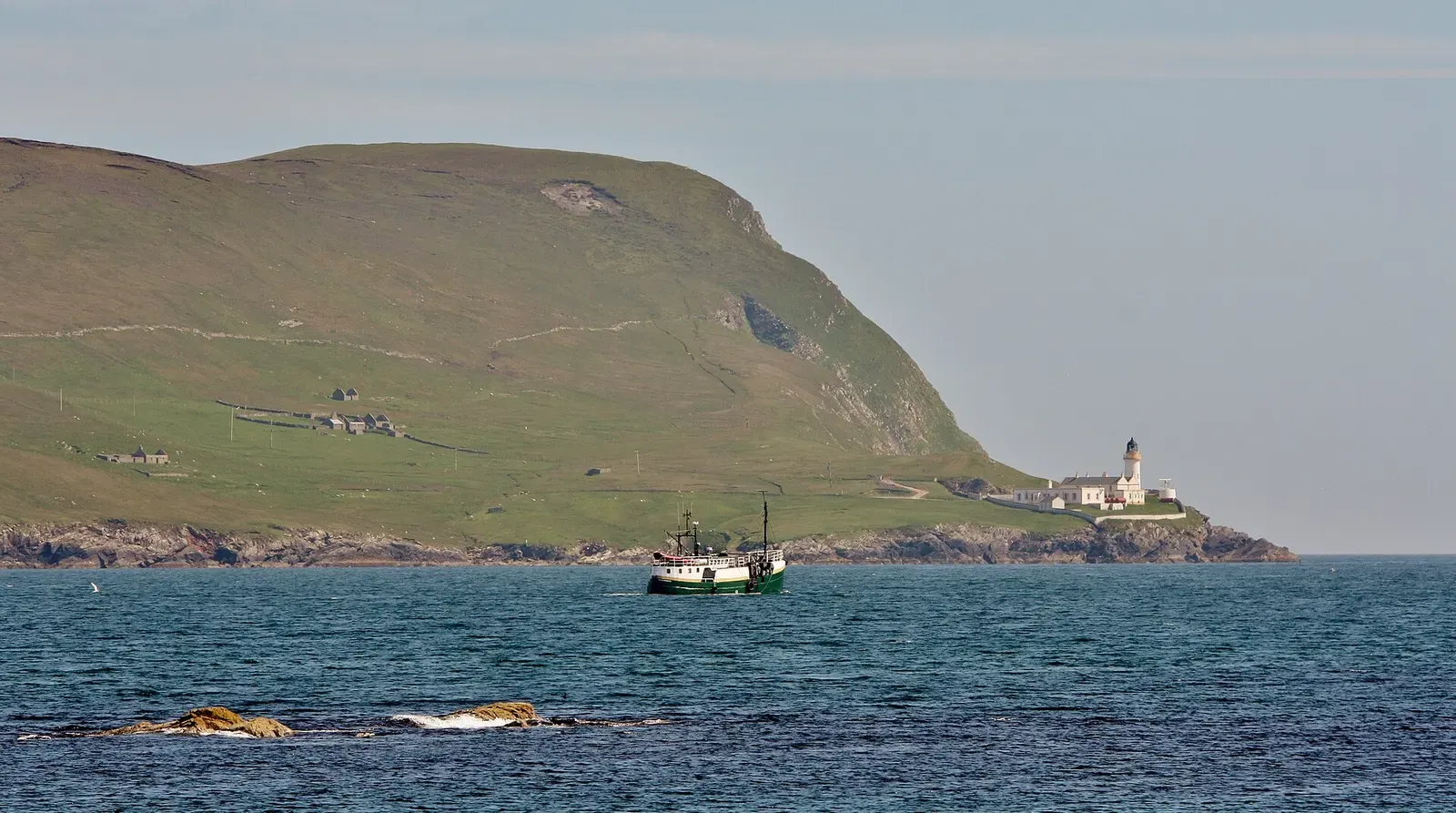
Intact steamship wrecks in the almost tideless water south of Lerwick
Photo: Ronnie Robertson · CC BY-SA 2.0
Shetland, the most northerly part of the UK, is dived on week-long liveaboard charters out of Lerwick. The draw is wrecks: the SS Glenisla upright in 45 m, the SS Gwladmena, the 1745 Queen of Sweden at the harbour mouth and the large fish factory ship Pionersk. Scenic dives at the Giants Legs sea stacks, the Bard Cave and Noss Head fill out the week, and most dives run from 1 m to 35-40 m.
About diving in Shetland
Shetland is dived from a liveaboard that bases itself in Lerwick for the week. Charters run Sunday to Friday to match the Aberdeen ferry, with 6 days of diving, 2 dives a day and air fills included. The wrecks south of Lerwick lie within easy reach of each other and the water there is almost tideless, so dives can be timed for nearly any hour. Noss Head is dived only when the conditions allow.
Wrecks dominate, and they tend to be more intact the deeper they lie. Lumpsuckers, anglerfish, shoals of pollack, butterfish and the odd conger live on the hulls. Away from the wrecks, the Giants Legs sea stacks and the Bard Cave on Bressay give scenic dives, and average visibility of about 10 m reaches 25 m on some dives.
Shetland suits experienced cold-water wreck divers who are comfortable at 35-40 m and want a week of varied hulls without strong tides. The Glenisla and the Gwladmena are protected wrecks under the Lerwick Port Authority. There is no dedicated dive shop in the islands, and kit needs to arrive in good order, since a torn neck seal cannot easily be repaired there.
Best time to dive Shetland
| Jan | Feb | Mar | Apr | May | Jun | Jul | Aug | Sep | Oct | Nov | Dec |
|---|---|---|---|---|---|---|---|---|---|---|---|
| Fair | Fair | Fair | Fair | Fair | Prime | Prime | Prime | Fair | Fair | Fair | Fair |
Shetland's liveaboard diving runs as a summer season, from June to August.
Dive types & marine life
Cetaceans are common around Shetland: minke whales, orcas, porpoises and Risso's, bottlenose and white-sided dolphins are the ones seen most often.
- Wreck
- Wall
- Cave & cavern
- Whales
- Orcas
- Dolphins
Best dive sites in Shetland
- 1
SS Glenisla
Steamer sitting upright and largely intact in 45 m, bows to the north.
- 2
SS Gwladmena
930-ton steamship sunk in a 1918 collision with the SS Flora, to 39 m.
- 3
MV Pionersk
Fish factory ship grounded in 1994, from 1 m down to the stern at 22 m; it takes several dives.
- 4
Queen of Sweden
Swedish East Indiaman lost at the mouth of Lerwick harbour in January 1745, to 18 m.
- 5
Giants Legs
Half-formed sea stacks off Bressay, a scenic dive to 20 m.
- 6
Noss Head
Wall dive close to the immense gannet colony on Noss.
- 7
MV Samba
Small tanker that broke down in 1956 and broke up on the Point of Ness, to 36 m.
- 8
Bard Cave
Huge natural opening on Bressay, close to the Giants Legs.
Site guides
Wall
Half-formed sea stacks off Bard Head, crowded with anemones
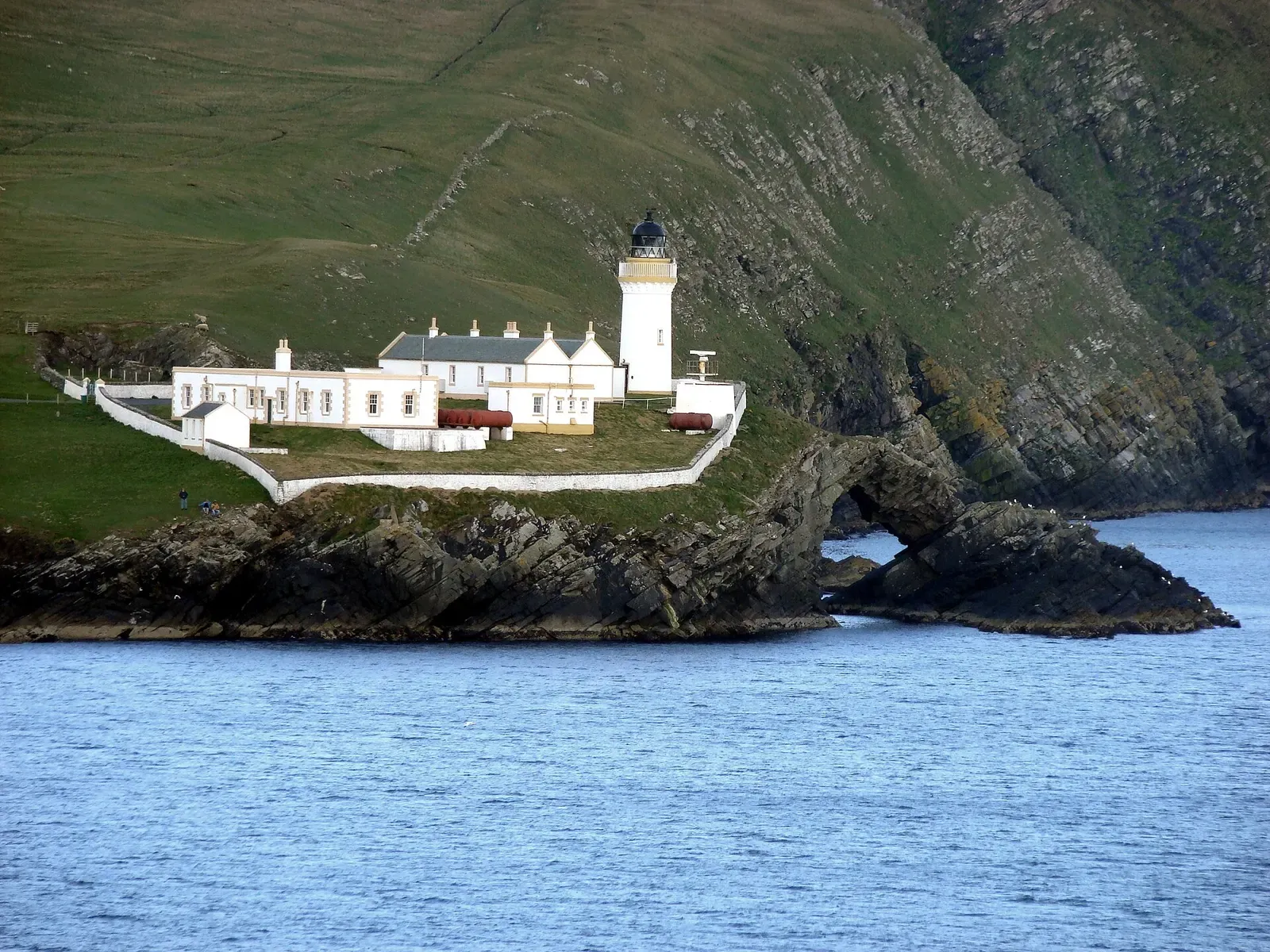
Factory ship wedged stern first into the rocks below Kirkabister Lighthouse
Wreck
Factory-ship wreck too big to see in a single dive
Wreck
Cannon and anchors from an East Indiaman lost in 1745
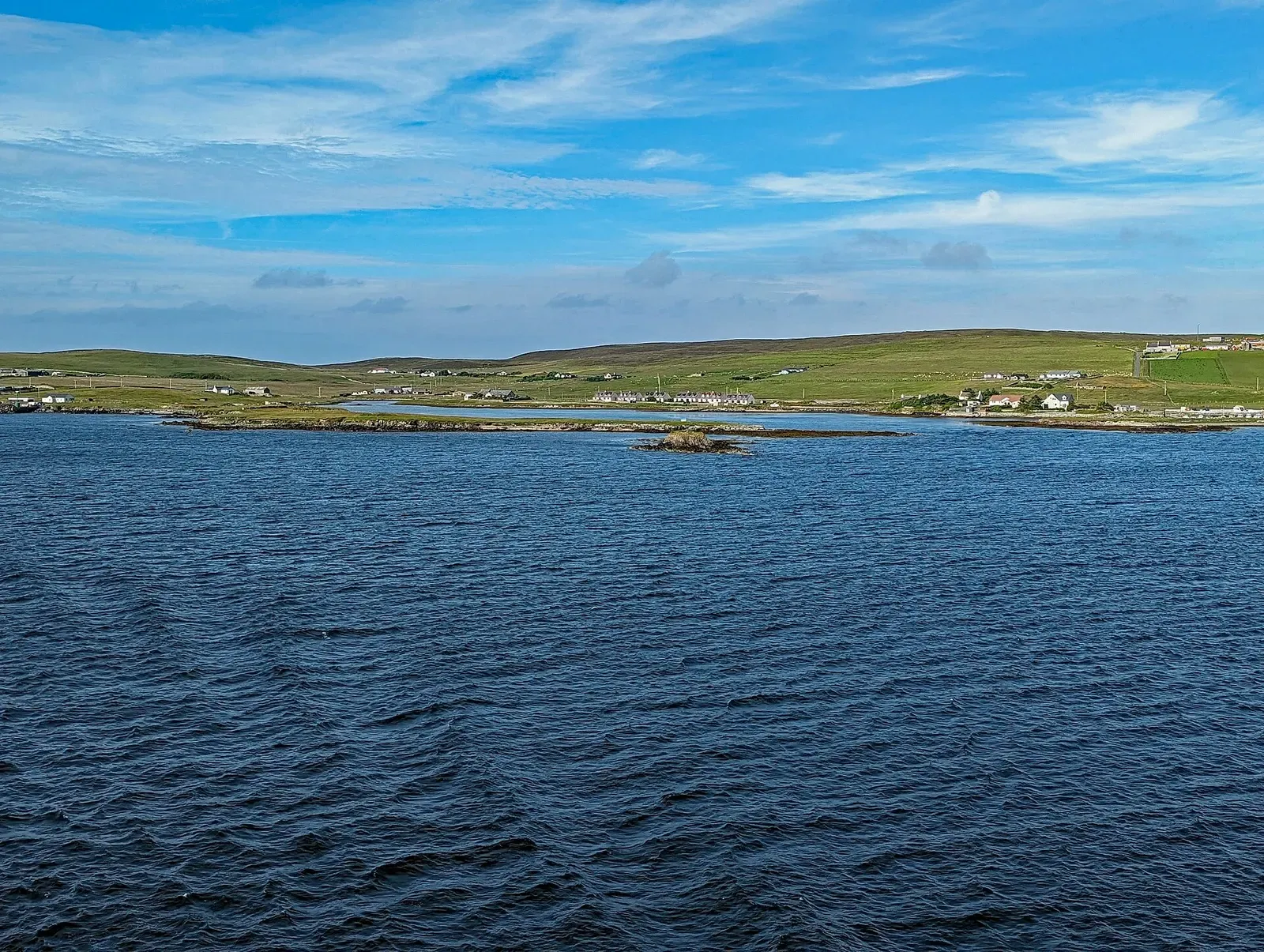
Upright, largely intact steamer in the middle of Bressay Sound
.jpg)
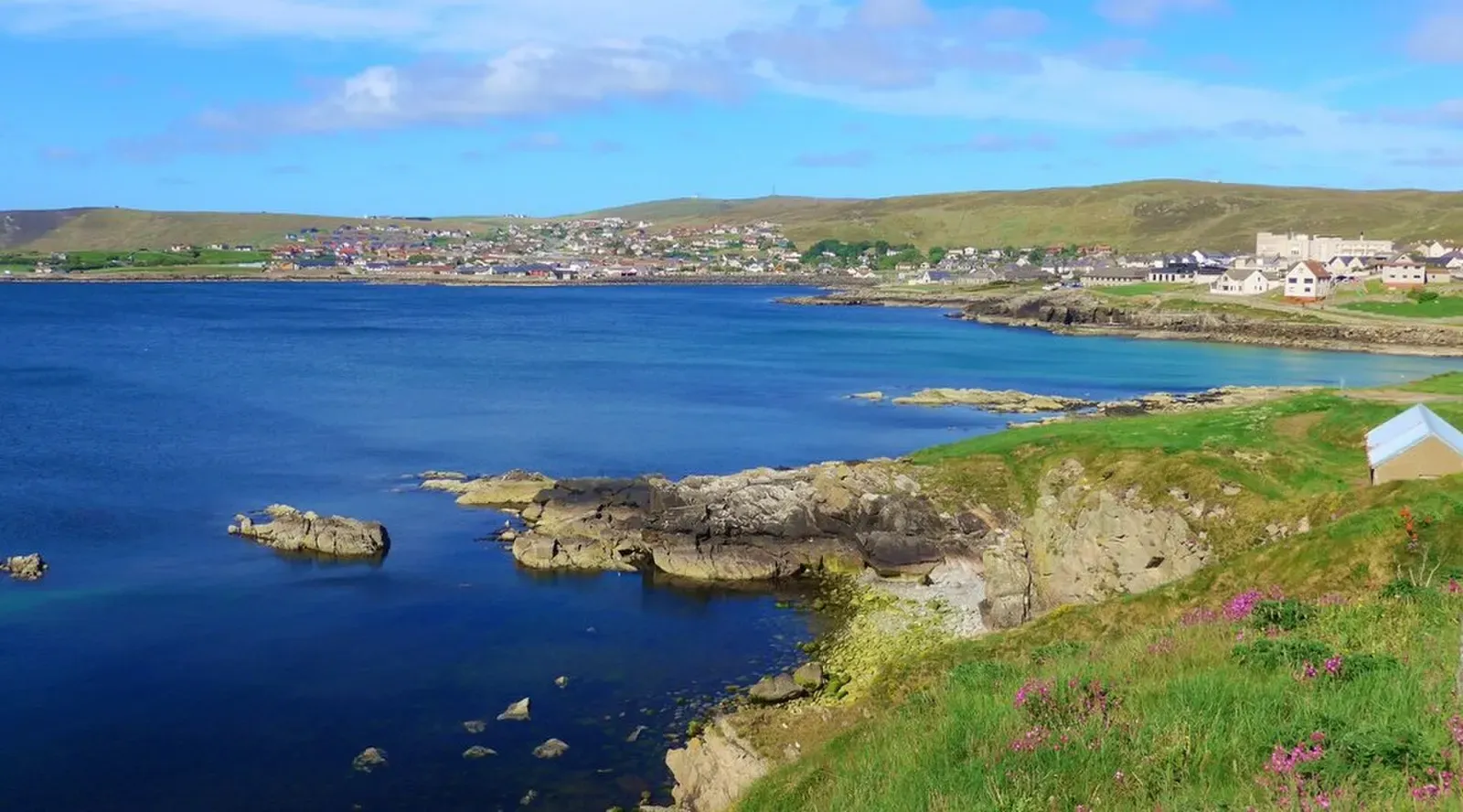
Upright steamship hull in Breiwick bay, diveable at any state of tide
Wreck
Steamship wreck north of Lerwick, good for scallops
How to get to Shetland
The ferry leaves Aberdeen at 1700 on Saturday and reaches Lerwick at 0730 on Sunday, in time for the charter. Sumburgh Airport links to Lerwick by bus service 6 seven days a week. The liveaboards work from Lerwick.
Photos from Shetland
Ronnie Robertson · CC BY-SA 2.0
Dive videos
Diving in Shetland (by James Clark) · Dory Video on YouTube
Diving Dogfish Alley, Shetland · Dory Video on YouTube
Questions divers ask
What experience do the Shetland wrecks need?+
Most of the wrecks are open to divers who are comfortable at 35-40 m, and nitrox suits them well. The Pionersk and the Queen of Sweden are shallower options at 22 m and 18 m.
When can Shetland be dived from a liveaboard?+
The liveaboard season runs from June to August, with week-long charters from Sunday to Friday out of Lerwick.
How do divers get to Lerwick for a charter?+
The overnight ferry leaves Aberdeen at 1700 on Saturday and arrives in Lerwick at 0730 on Sunday, timed for the start of the charter. Flights land at Sumburgh, linked to Lerwick by bus service 6.
Is there a dive shop in Shetland?+
No dedicated dive shop exists, although one shop stocks a growing range of gear. Air fills come with the charter, and the crew can order most equipment for overnight delivery if something breaks.
Do tides limit the diving around Lerwick?+
The water around the wrecks south of Lerwick is almost tideless, so those dives can run at virtually any time of day.
Sources
- Lerwick recreational diving (Orkney and Shetland Charters) — Orkney and Shetland Charters
- Shetland diving (Orkney and Shetland Charters) — Orkney and Shetland Charters
- FAQ — Orkney and Shetland Charters
- Shetland - M.V. Invincible — Scapa Flow Scuba Diving Holidays
- Lerwick Average Sea Temperatures — seatemperature.org
- Sumburgh Airport — Wikipedia
Photo credits
- A small green-hulled boat on blue sea in front of a steep green headland with a white lighthouse at its tip by Ronnie Robertson, CC BY-SA 2.0, via Wikimedia Commons
- A red and white helicopter hovers low over grey sea beside a small two-masted boat by Ronnie Robertson, CC BY-SA 2.0, via Wikimedia Commons
.jpg)
Embed
Run a dive centre, club or blog? Embed this map of 4 dive sites near Shetland on your own page.
Similar destinations
Cold Water
A cavern and swim-throughs off the walls of remote Tory Island
Cold Water
Kinlochbervie & the North-West Highlands
United Kingdom
Gullies, swim-throughs and a blowhole cave on Scotland's far north-west coast
Cold Water
Lofoten Islands
Norway
Well-preserved wrecks and anemone-carpeted walls above the Arctic Circle
Cold Water
Wrecks, sheer island pinnacles and towering kelp in a Far East cold-water bay