Caribbean · Sint Maarten
Sint Maarten
An 1801 frigate wreck and a run of sunk hulls minutes from Philipsburg
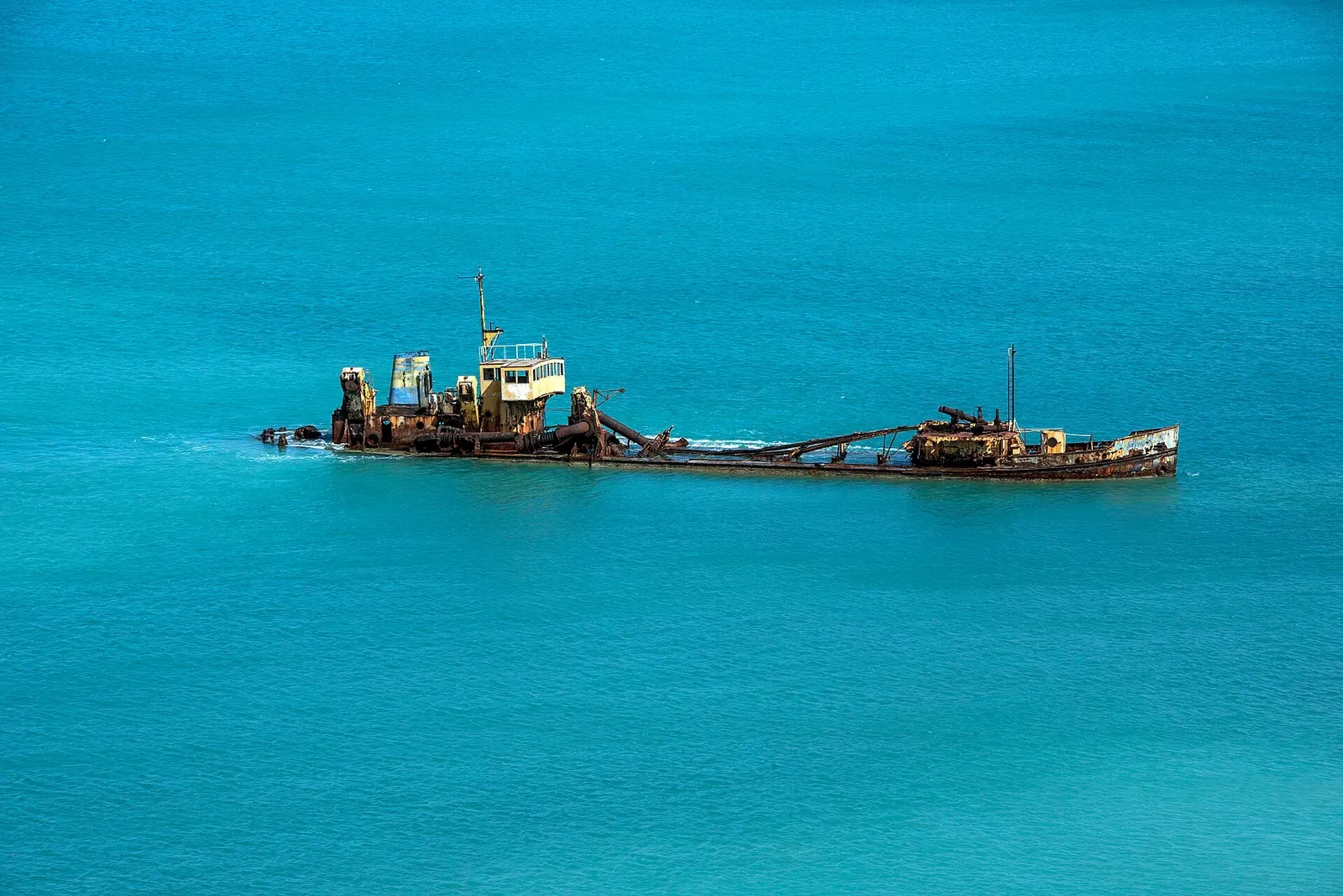
Photo: Gillfoto from Juneau, Alaska, United States · CC BY-SA 4.0
Sint Maarten is the busy air and cruise hub of the northeastern Caribbean, and most divers dive it from Philipsburg and Simpson Bay on the Dutch side. The sites sit inside the Man of War Shoal Marine Park south of Philipsburg: the scattered remains of HMS Proselyte, a frigate wrecked on the shoal in 1801 and now lying in roughly 15 m, the Carib Cargo freighter in 20 m to 26 m, and reefs such as Mike's Maze and Coralita between 12 m and 18 m. The French side adds its own reserve with Creole Rock and Pinel Island.
About diving in Sint Maarten
Diving here is land-based and short-range. The centres sit in Simpson Bay, Cole Bay and Philipsburg on the Dutch side, with two more at Nettle Bay and Marigot on the French side, and boats run out to nine official dive sites inside the Man of War Shoal Marine Park south of Philipsburg, all in 10 m to 22 m. Only one boat may tie to each mooring for a maximum of two hours, anchoring within 50 m of a mooring is banned and every diver needs a daily or yearly park tag, bought through the dive shop or direct from the Nature Foundation. Most shops run programmes timed to a cruise ship's stay. When the exposed sites are rough the boats simply move to sheltered ones.
The ground is low reef and sunken hulls. The Proselyte, built in Rotterdam in 1770 as the 36-gun Dutch frigate Jason, re-armed with 32 guns after her crew handed her to the British in a 1796 mutiny, and lost on the shoal on 4 September 1801, is now a spread of cannon and anchors in roughly 15 m off Great Bay. Seven wrecks are on most shops' lists: the Carib Cargo, deep enough that recreational divers get little time inside; the tug Porpoise upright in 24 m to 28 m; the Teigland beside its reef in 21 m to 22 m. Between them are the cratered reef at Moonscape with resident stingrays, swim-throughs at Mike's Maze from 12 m, and ledges at Shark Hotel where reef sharks are a fair bet.
This is a place for divers who are already on the island, or who want easy warm-water wreck dives and Open Water training rather than a dedicated trip. Sharks, turtles and dolphins are among the park's listed protected species, and southern stingrays gather on the sand around the Carib Cargo, but the diving is shallow and calm rather than dramatic. Divers after pinnacles, current and sharks should fly the short hop to Saba, and those after drowned colonial history should go on to St. Eustatius; both are reached through Sint Maarten's airport in any case. There is no liveaboard base worth planning around.
When to dive Sint Maarten
| Jan | Feb | Mar | Apr | May | Jun | Jul | Aug | Sep | Oct | Nov | Dec |
|---|---|---|---|---|---|---|---|---|---|---|---|
| Prime | Prime | Prime | Prime | Prime | Good | Good | Fair | Fair | Fair | Good | Prime |
Conditions vary little through the year; Jun–Nov is hurricane season and Dec–Apr plus Jul–Aug are the crowded months.
Dive types & marine life
Southern stingrays are the most dependable sighting, settled on the sand around the Carib Cargo and across the cratered reef at Moonscape. Turtles work the drop-off by the Gregory and the Carib Cargo, and reef sharks show at Shark Hotel without being guaranteed; nurse sharks are also on the island's list. Whales are sometimes seen offshore, as the island sits on a migration route.
- Wreck
- Reef
- Reef sharks
- Stingrays
- Sea turtles
Notable dive sites in Sint Maarten
Wreck
An upright hurricane casualty at 19.8 m with stingrays on the seagrass sand
Reef
A 12–18 m reef replanted with Acropora after Hurricane Irma
Reef
Rocky rises in 4–8 m at the mouth of Simpson Bay, the discovery-dive site
Wreck
An upturned 33 m barge on 15 m of sand with lobsters inside and eagle rays over it
Wreck
Cannon and anchors from an 1801 frigate in 15 m just outside Great Bay
Reef
A 22–29 m reef with a small wreck, the island's deep-training site
Reef
Maze-like swim-throughs between coral heads from 12 m
Reef
Ledges and ridges at 18 m named for a reef shark, stingrays on the sand beside them
A broken scuttled ship that rolled off her ledge, now beside a reef at 21 m
Wreck
An upright tug in 21 m with eagle rays and barracuda, sand at 28 m
Creole Rock
Shallow islet off Grand Case on the French side, inside the Réserve Naturelle; sandy bottom, dived from moorings.
Getting there
Princess Juliana International Airport (SXM) on the Dutch side is the main gateway to the northeastern Caribbean and the transit point for Saba and Statia. Dive centres are clustered in Simpson Bay, Cole Bay and Philipsburg, minutes from the airport and the cruise pier; the marine park moorings are a short boat ride south of Philipsburg.
Photos from Sint Maarten
Stabbur's Master · CC BY-SA 2.0
alljengi from Edinburgh · CC BY-SA 2.0
Photo credits
- Rusting shipwreck lying in shallow turquoise water off the coast of Sint Maarten by Gillfoto from Juneau, Alaska, United States, CC BY-SA 4.0, via Wikimedia Commons
- Palm trees along Philipsburg's Front Street boardwalk with shops and beach behind by Stabbur's Master, CC BY-SA 2.0, via Openverse
- Tall ship's bowsprit and rigging framing the hills of Little Bay, Sint Maarten by alljengi from Edinburgh, CC BY-SA 2.0, via Wikimedia Commons
Similar destinations

Pinnacles rising from deep water, current-fed and thick with black coral and sponges
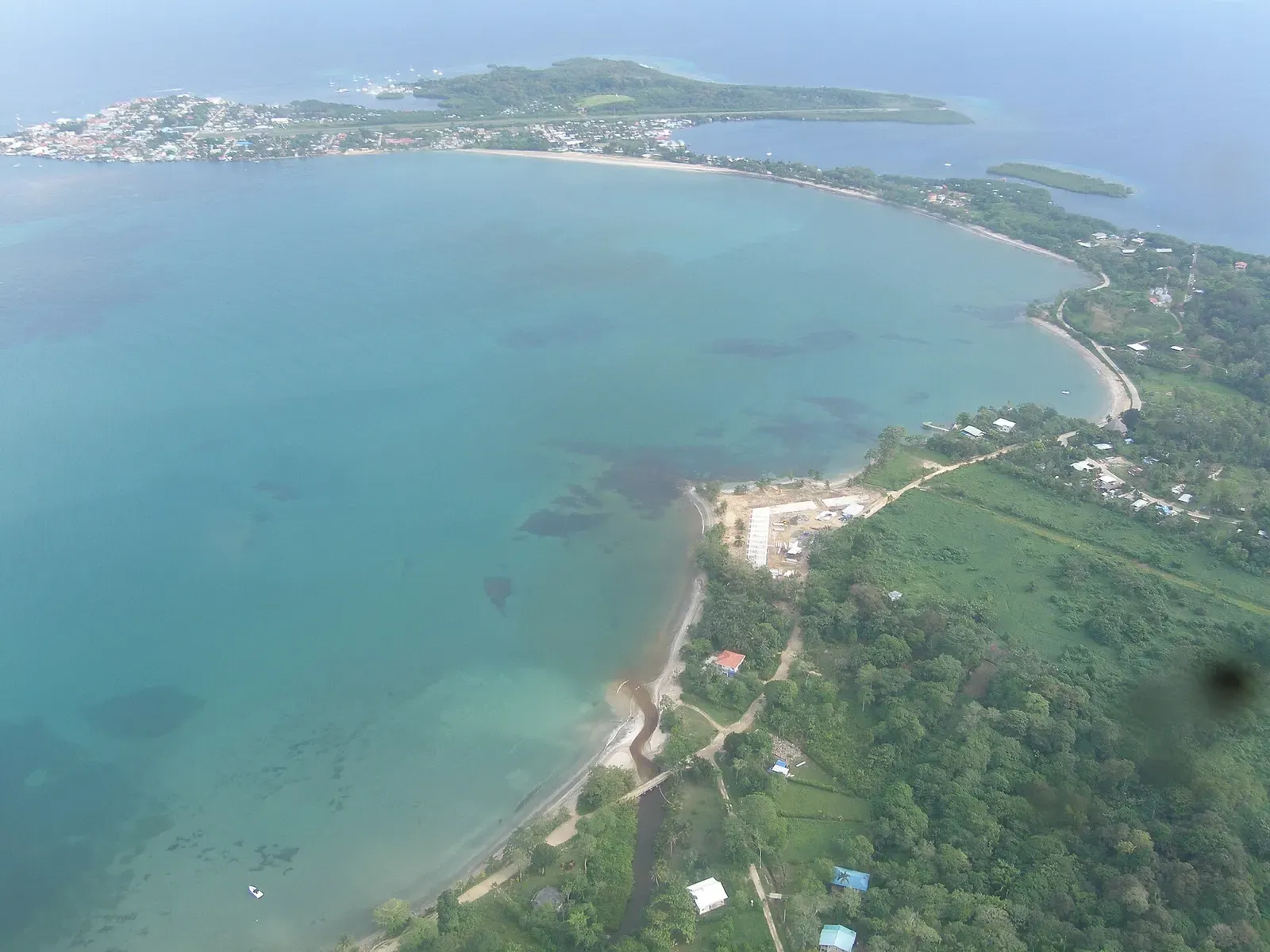
Panama's cheapest place to learn to dive, with a national marine park just offshore

Hand-feed wild stingrays in chest-deep water, then drop over a sheer wall the same day

.jpg)
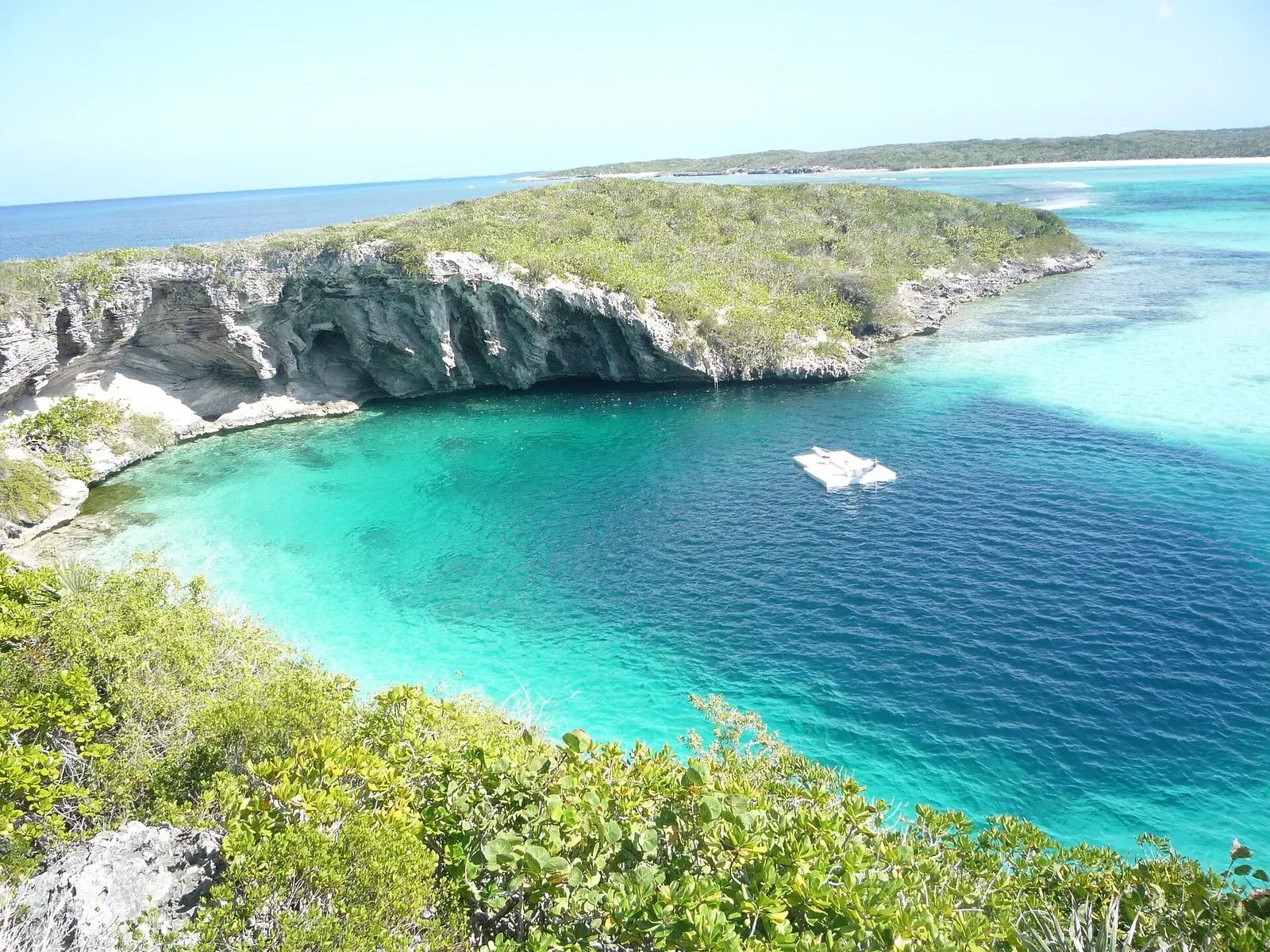
Dean's Blue Hole, the world's freediving capital and third-deepest blue hole