
Sound of Mull · United Kingdom · Wreck
Breda
Tiger Moth biplanes were in her holds when she went down
Area photo: Richard Webb · CC BY-SA 2.0
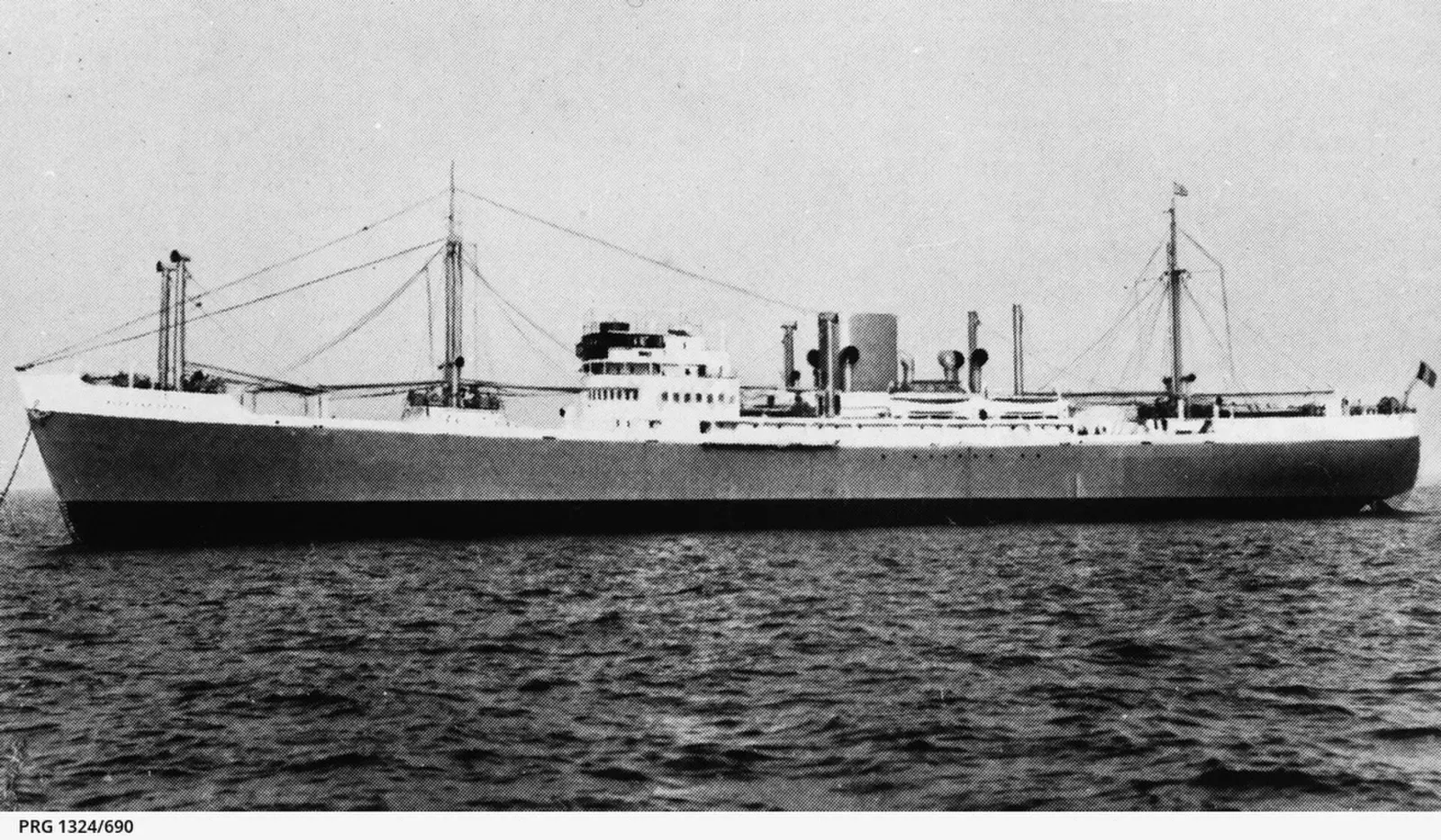
A 6,941-ton Dutch cargo-passenger steamer caught at anchor at the mouth of Loch Etive when German bombers swept across the anchorage two days before Christmas 1940. She was loaded for Bombay with cement, tobacco, copper ingots and crated biplanes, and now lies in about 26 m of water with her position marked by buoys.
Also known as SS Breda.
Where it is and how deep
56.4756° N, 5.4178° WPublished position for this site.
The dive
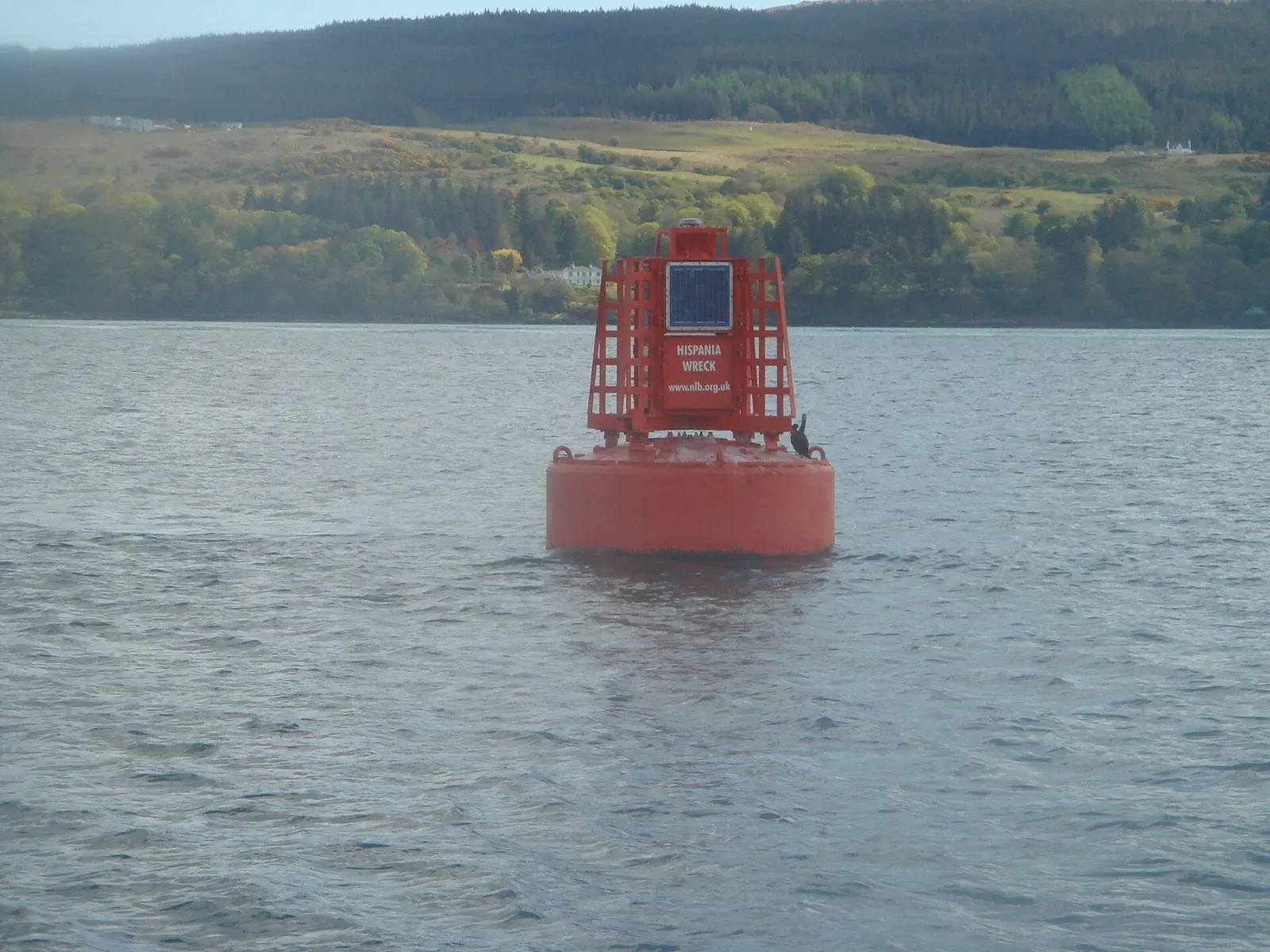
She is a big ship, close to 123 m long, in water that does not go much past 26 m, so the wreck takes up more of the dive than the depth does. The buoys mark her, which removes the usual business of hunting for the shot, and you drop straight onto structure. Most dives here will not exceed about 26 m, which means the limits are the cold and the gas rather than the ceiling.
What she was carrying is the reason she is remembered. The holds were loaded for Bombay: cement, tobacco, copper ingots, and thirty de Havilland Tiger Moth and three Hawker biplanes crated for the war in the east. All of it went down with her overnight on 23 to 24 December 1940, after a group of Heinkel He 111 bombers straddled the ship at anchor with four 250-kilogram bombs.
The wreck
- Vessel
- SS Breda
- Type
- Dutch cargo-passenger steamer, 6,941 GRT
- Length
- 122.7 m (403 ft)
- Built
- 1921
- Sunk
- 1940
- Cause
- Bombed by Heinkel He 111 aircraft while lying at anchor
- Lies
- At the mouth of Loch Etive in about 26 m of water, her position marked with buoys
The Breda was built in 1921 and was lying at anchor at the mouth of Loch Etive on 23 December 1940, loaded for Bombay with cement, tobacco, copper ingots and thirty-three crated biplanes. At dusk a group of Heinkel He 111 bombers flying from Stavanger in Norway swept across the anchorage and straddled her with four 250-kilogram bombs. She went down overnight, on 23 to 24 December, taking her cargo with her.
Marine life and season
The sources we used don't single out particular species here.
| Jan | Feb | Mar | Apr | May | Jun | Jul | Aug | Sep | Oct | Nov | Dec |
|---|---|---|---|---|---|---|---|---|---|---|---|
| Off-season | Off-season | Fair | Good | Good | Prime | Prime | Prime | Prime | Good | Fair | Off-season |
Season follows Sound of Mull: Apr–Oct is the season; visibility is often best in early spring before the plankton bloom, and winter gales stop the charters.
Dive videos
Diving on the wreck of the SS Breda (Mull) · Dory Video on YouTube
Inside the SS Breda · Andrew Leng on YouTube
Questions divers ask
How deep is the Breda?+
About 26 m at the deepest, at the mouth of Loch Etive just north of Oban. Most dives on her do not exceed roughly 26 m, which keeps the wreck inside recreational limits.
What is left of the Breda's cargo?+
She was loaded for Bombay with cement, tobacco, copper ingots and thirty-three crated biplanes — three Hawker and thirty de Havilland Tiger Moths — and went down with the lot on 23 to 24 December 1940. What survives of that cargo on the seabed is not documented in the sources checked.
Sources
- SS Breda — Wikipedia
- Diving in the United Kingdom — Wikivoyage
In The Logbook
- WWII wrecks you can dive, by theatreWrecks · 7 min read
More dive sites in Sound of Mull
Similar dives elsewhere
A 1939 mine casualty broken across a 30 m seabed
A cannon still on its wooden carriage aboard a frigate lost in 1678
Wreck
Chadwick
Isle of Skye · United Kingdom
An upturned 1892 coal ship beneath the cliffs just north of Neist Point

A 1997 cargo ship split in two, bow and stern dived separately