Caribbean · U.S. Virgin Islands
St. John
Tarpon schools at Carval Rock and coral cays a short boat ride out
St. John, in the U.S. Virgin Islands, is dived by boat in and around Virgin Islands National Park, on the cays, rocks and shoals that ring the island. Rides are 15 to 20 minutes and most dives stay between 12 and 18 m (40 and 60 ft) over coral canyons, walls and coral heads. Carval Rock, where schools of tarpon feed in spring and early summer, Congo Cay's coral drop and the exposed Eagle Shoal are the dives not to miss.
About diving in St. John
Diving here is a boat affair. The best sites inside and outside Virgin Islands National Park are reached by boat, most of them 15 to 20 minutes from the dock, and most dives stay between 12 and 18 m (40 and 60 ft), so a second tank rarely needs a long surface interval. The morning two-tank trip goes to the more advanced sites and is kept for certified divers. Inside the park boats use the moorings: anchoring on coral or sea grass is banned, the South Shore bays are closed to anchoring, and a diver-down flag must fly while anyone is in the water.
The boat sites are the cays, rocks and shoals around the island, several of them just outside the park boundary. Off the western end of Mingo Cay a dive can drift through a well-developed coral canyon in the company of squid and a barracuda. At Newfound Bay a coral wall runs from 8 to 18 m (25 to 60 ft), and on the ocean side of Waterlemon Cay isolated coral heads include stands of pillar coral. Congo Cay sits on the edge of open ocean, and rays and other pelagics can pass in the blue off its point.
St. John suits beginner and intermediate divers: Congo Cay is one of the best areas for newer divers. Experienced divers have Carval Rock, where strong currents call for careful planning, the tidal currents around Congo Point, and the Cathedral at Eagle Shoal, which the prevailing southeast swells make tricky. Trunk Bay, the park's best-known snorkel site, is restricted to snorkelling, with most of its trail under 5 m (15 ft). Many sites are shared with boats from St. Thomas and the British Virgin Islands.
Best time to dive St. John
| Jan | Feb | Mar | Apr | May | Jun | Jul | Aug | Sep | Oct | Nov | Dec |
|---|---|---|---|---|---|---|---|---|---|---|---|
| Good | Good | Prime | Prime | Good | Good | Fair | Fair | Fair | Fair | Fair | Good |
Diving around St. John is good any time of year. Winter is the coolest stretch: the sea drops to about 26 °C (78 °F), and the wind can feel chilly after a dive. Spring and early summer bring large schools of tarpon feeding on baitfish around Carval Rock. The rainy season runs from May to November, and from May to December the water sits at 27 to 29 °C (81 to 85 °F).
Dive types & marine life
Large schools of tarpon feed on baitfish around Carval Rock in spring and early summer. A squadron of spotted eagle rays has been seen off Congo Cay, and the exposed Eagle Shoal is one of the best places for sharks and manta rays. Lobsters, crabs and octopus come out at Grass Cay after sunset and are rare there by day.
- Coral garden
- Wall
- Drift
- Night
- Eagle rays
- Manta rays
- Barracuda
- Squid
- Octopus & cuttlefish
Best dive sites in St. John
- 1
Carval Rock
Rock east of Congo Cay that drops fast to 21 m (70 ft), then slopes to just over 30 m (100 ft)
- 2
Congo Cay
Cay whose Congo Point drops like a wall, with plate corals down to 24 to 27 m (80 to 90 ft)
- 3
Eagle Shoal
Coral mound rising from deep water to within a couple of feet of the surface
- 4
Mingo Cay
Middle of three cays, with good diving from 5 m (15 ft) out to 20 m (65 ft)
- 5
Grass Cay
Cay between Thatch and Mingo Cays on the north-west side, a favoured night-dive site
- 6
Tektite
Site where the NASA and Navy Tektite habitat was anchored at 15 m (50 ft) in Greater Lameshur Bay
- 7
Waterlemon Cay
Small cay at the mouth of Leinster Bay, with coral heads and pillar coral on its ocean side
Site guides
Wall
Plate corals below the wall off the south-eastern tip of Congo Point
Pinnacle
The Cathedral, an open coral chamber lit through a skylight
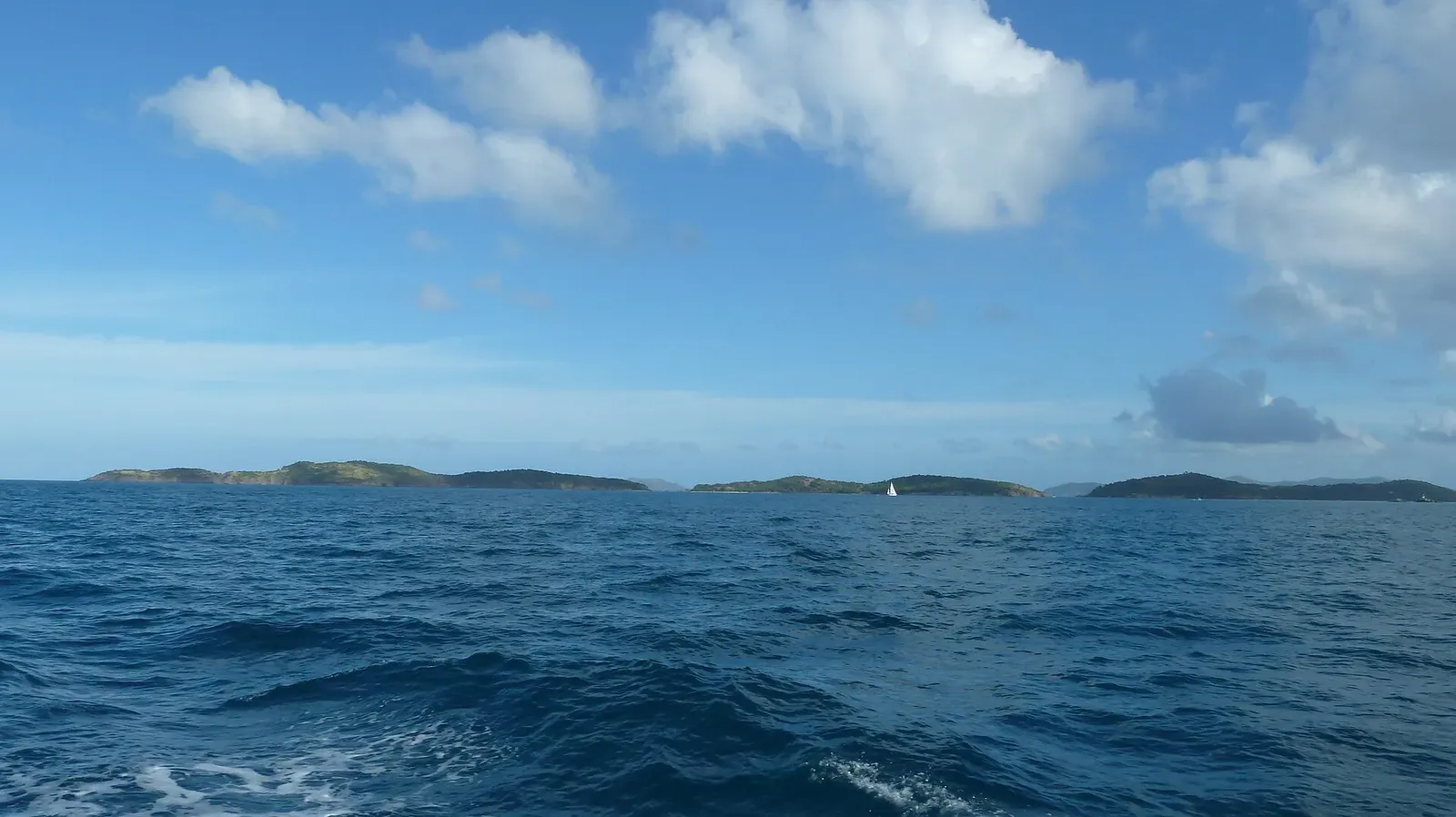
Night dives for lobsters, crabs and octopus after sunset
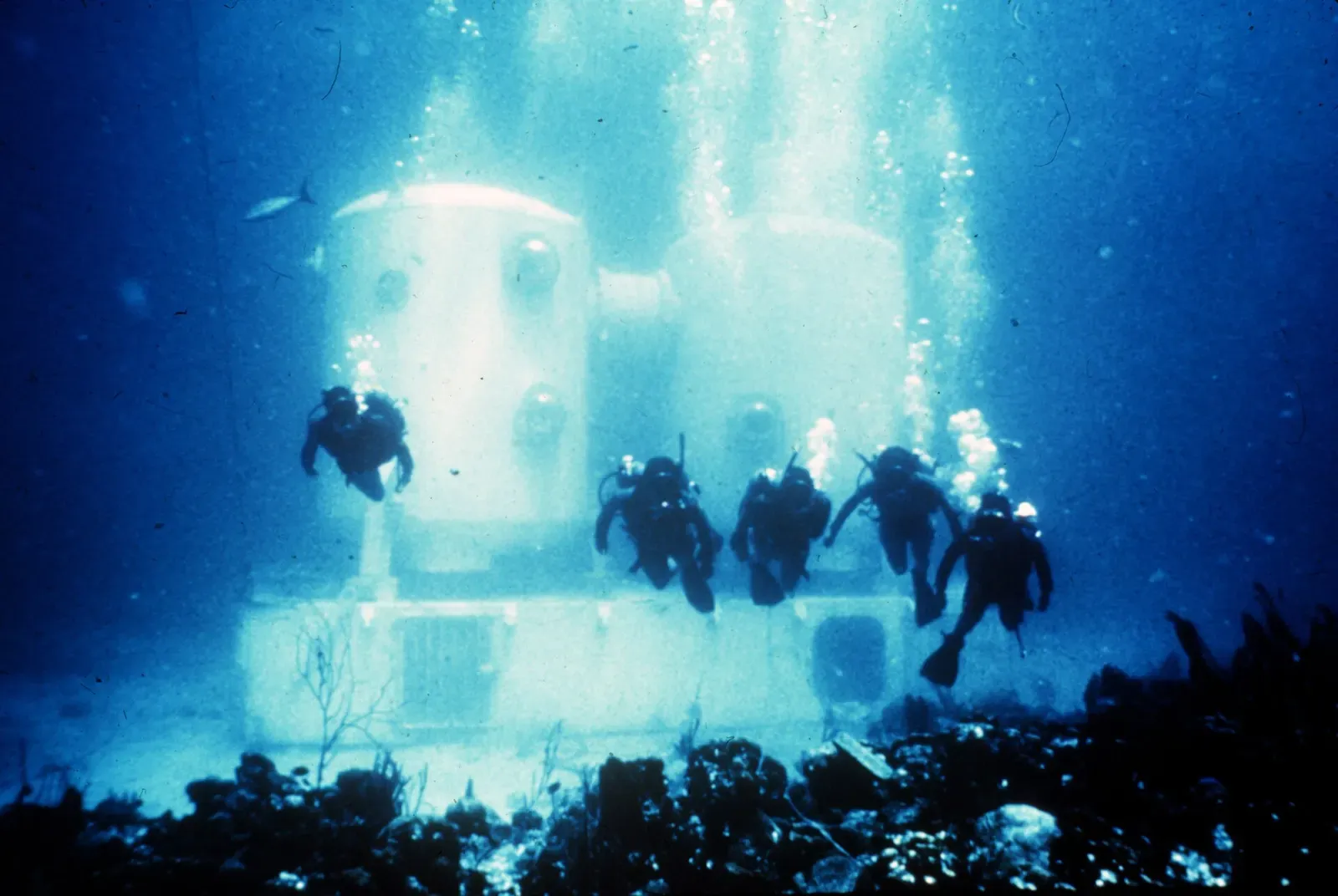
Reef named after a NASA and Navy underwater research habitat
How to get to St. John
St. John has no airport. Flights land at Cyril E. King Airport on St. Thomas, and taxis or buses run from there to Charlotte Amalie or Red Hook, both with ferries to Cruz Bay on St. John. Dive boats leave from St. John, and most sites are 15 to 20 minutes away.
Dive videos
ST. JOHN, USVI Scuba Diving · Sand Gravity Adventures on YouTube
SCUBA DIVING - ST. JOHN, USVI 2012 · Ryan Mackie on YouTube
Questions divers ask
When do tarpon gather at Carval Rock?+
In spring and early summer, when large schools feed on baitfish around the rock. Strong currents run there, so the dive takes careful planning and suits experienced divers.
Can Trunk Bay be dived on scuba?+
No. The Trunk Bay underwater trail is restricted to snorkelling and lies mostly under 5 m (15 ft). Scuba diving goes by boat to the cays and rocks around the island.
How do divers get to St. John?+
St. John has no airport. Fly to Cyril E. King Airport on St. Thomas, take a taxi or bus to Charlotte Amalie or Red Hook, and ride the ferry to Cruz Bay.
What rules apply to diving in Virgin Islands National Park?+
Boats must use park moorings where available and may not anchor on coral or sea grass, a diver-down flag must be shown while divers are in the water, and nothing natural or cultural, coral included, may be collected.
Sources
- Low Key Watersports — Morning Dive — Low Key Watersports
- Low Key Watersports — FAQ — Low Key Watersports
- Diving in Virgin Islands National Park — National Park Service
- Scuba Diving — St. John Island Guide — Saint John Island Guide
- Top Scuba Dives in the US Virgin Islands — St. John Links
- Cruz Bay Average Sea Temperatures — SeaTemperature.org
- U.S. Virgin Islands — Wikivoyage
Embed
Run a dive centre, club or blog? Embed this map of 12 dive sites near St. John on your own page.
Similar destinations
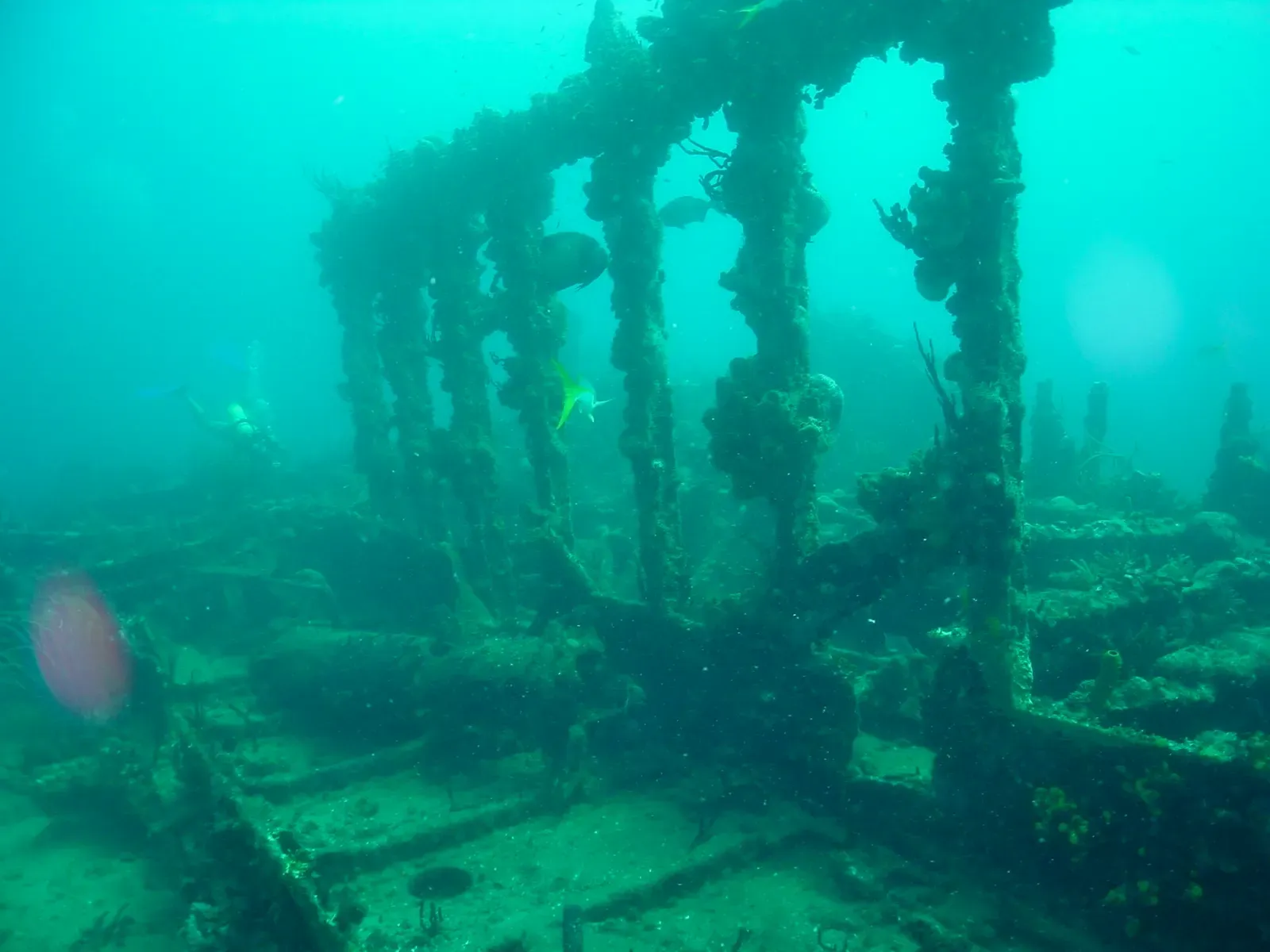
An 1867 mail steamer split between 9 m and 27 m off Salt Island
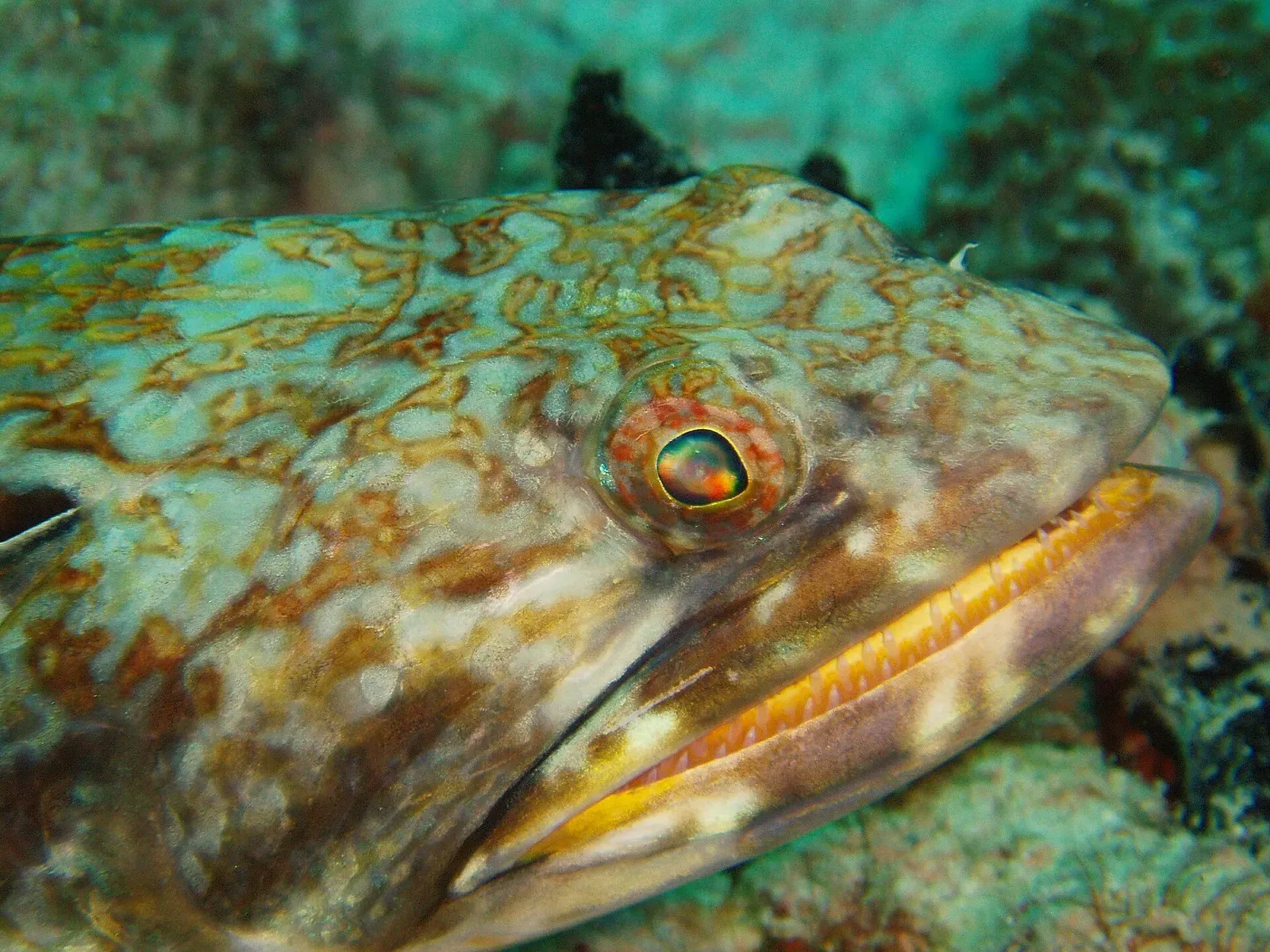
Swim-through rocks, a multi-level reef wall and two big wrecks
Arches, canyons and swim-throughs among the Dog Islands, a short boat ride out

A bronze Cousteau sits at 12 m in the reserve he made famous