Subic Bay · Philippines · Wreck · Reef
San Quentin (Sunken Tin)
Over 20 nudibranch species on the bay's oldest wreck
The San Quentin, a wooden Spanish gunboat scuttled in 1898 to block the entrance to Subic Bay, is the bay's oldest known wreck. What remains sits in 10–16 m next to a coral reef — a recognisable bow and stern with prominent upright steam boilers — and the real draw is small life: over 20 nudibranch species have been recorded on the site.
Also known as San Quintin.
Where it is and how deep
14.7780° N, 120.2350° EApproximate position — the dashed circle shows where the site lies; your operator's briefing has the mooring.
The dive
This is a shallow, unhurried dive. You drop to the wreck at 10–16 m and orient on its bones: after more than a century underwater the bow and stern are still recognisable, and the steam boilers stand prominent and upright in the middle of the site. The wreck sits next to a pleasant coral reef, so the dive naturally becomes a slow circuit between old iron and living reef.
Then you slow down and look closely. The structure carries a luxuriant growth of soft corals, sponges and crinoids, and over 20 species of nudibranch have been identified here — bring a torch or a macro lens and let the guides point out what is on the boilers and plating. With its modest depth and long bottom times, it suits newer divers and macro photographers equally well.
The wreck
- Vessel
- San Quentin
- Type
- Wooden gunboat
- Sunk
- 1898
- Cause
- Scuttled by the Spanish in 1898 in an attempt to block the entrance to Subic Bay
- Lies
- In 10–16 m next to a coral reef, bow and stern recognisable with prominent upright steam boilers
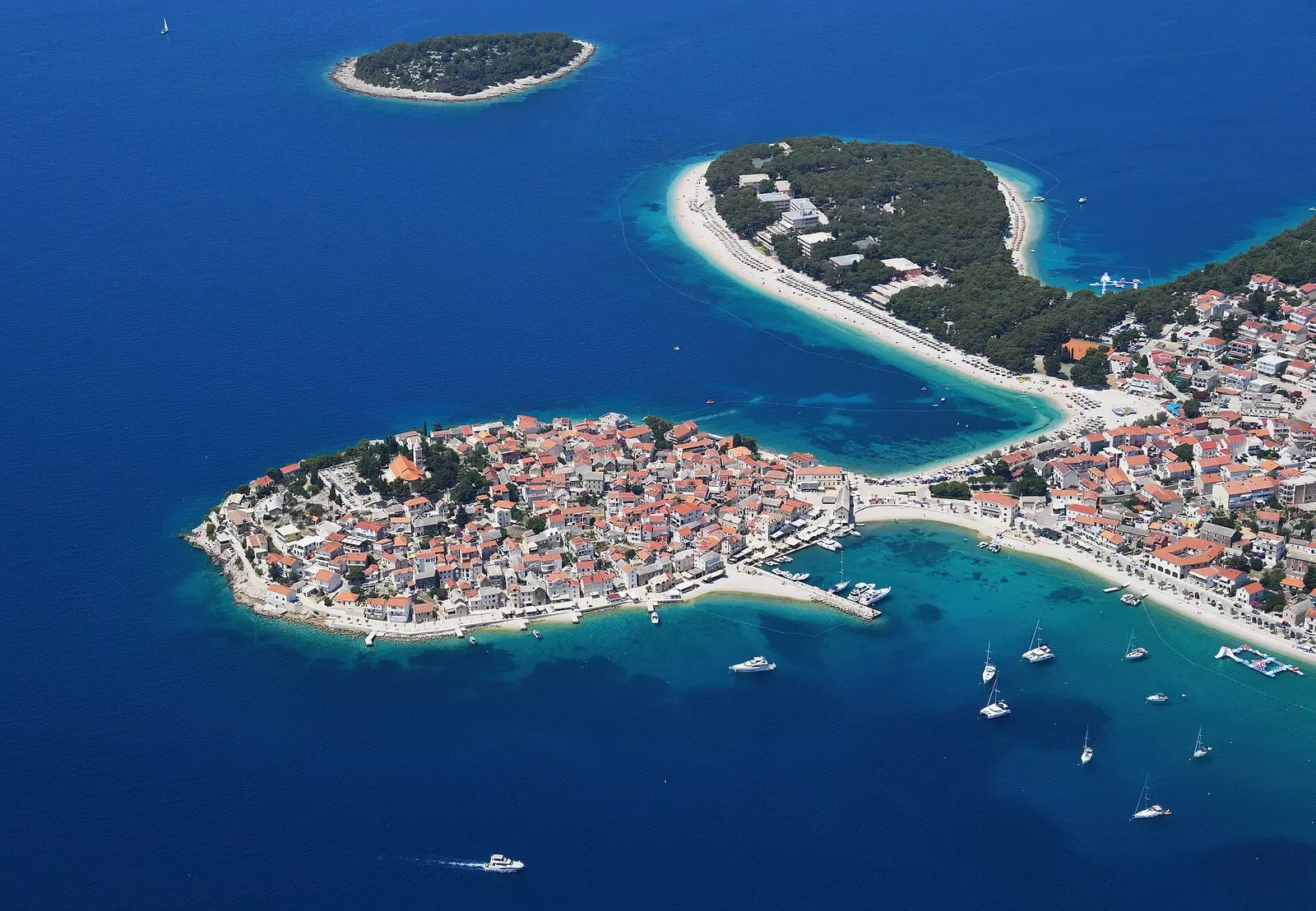
During the Spanish–American War in 1898, the Spanish scuttled the gunboat San Quintín — now usually written San Quentin — in the hope of blocking the passage between Grande and Chiquita islands at the mouth of Subic Bay. It left the oldest known wreck in Subic, a wooden gunboat that has spent well over a century growing into the reef beside it.
Marine life and season
- Nudibranchs
| Jan | Feb | Mar | Apr | May | Jun | Jul | Aug | Sep | Oct | Nov | Dec |
|---|---|---|---|---|---|---|---|---|---|---|---|
| Prime | Prime | Prime | Prime | Prime | Good | Fair | Fair | Fair | Good | Prime | Prime |
Season follows Subic Bay: November–May dry season is clearest, best February–May; the July–September monsoon cuts inner-bay visibility and cancels rough days.
Questions divers ask
How deep is the San Quentin wreck?+
It lies in 10–16 m, next to a coral reef — shallow enough for Open Water divers and for long, slow macro dives.
Sources
- The San Quentin — Camayan Divers
- Subic Bay Wreck Diving Sites | Maps, History and Dive Information — Scuba Tech Philippines
- Subic Bay — Wikipedia
- Olongapo (Wikivoyage) — Area wrecks list — Wikivoyage
More dive sites in Subic Bay
Wreck
An intact carrier bomber in 72 m of blue water
An intact AD-5N Skyraider, upright at 35 m
Open cargo holds from 5 m down, for any certified diver
Wreck
A trimix wreck at 69 m, dived in blue water
An inverted Japanese DC-3 copy, found in 2013
Barracuda and jack schools over an upright landing ship
A war-grave hellship 400 m off Alava Pier
A sheltered novice wreck inside Triboa Bay
Similar dives elsewhere

An 1869 P&O steamer rotted back to her iron ribs at 24 m
A small wreck at 22 m reached over rock clusters full of macro

Japanese bathroom tiles still on a three-level engine room
The stern breaks the surface at low tide