Coral Triangle · Philippines
Subic Bay
US and Japanese war wrecks 15 minutes by boat from the dive centres
Subic Bay, a former US naval base 2–4 hours by road northwest of Manila, holds one of the Philippines' densest wreck fleets, most of it sunk in the Spanish–American War of 1898 or in World War II. Most named wrecks lie in 4–36 m — the USS New York at 16–32 m, the El Capitan at 4–22 m — and boat rides from the Freeport Zone and Barrio Barretto dive centres take about 15 minutes. More than ten full-time operators run daily trips, with technical wrecks to 72 m for trimix divers.
About diving in Subic Bay
Diving here runs on short hops. More than ten full-time operators work out of the Freeport Zone waterfront and the Barrio Barretto strip, and unlike Coron, where wrecks are hours away, most Subic sites are about 15 minutes by boat from the centres, so two or three wreck dives before mid-afternoon is routine. Camayan, on the far side of the Freeport, runs reef and night dives straight off its beach. Foreign nationals pay a small SBMA gate fee to enter the zone by road, night dives need prior coordination with the SBMA, and the USS New York needs advance Harbor Patrol clearance because it sits in an active shipping lane.
The bay is protected and rarely rough, with mild current on most sites, but it is bay water: visibility runs 5–30 m depending on site and season, worst near the river outflows and best on the outer wrecks from February to May. The hulls carry the life. Schooling sweetlips pack wreck interiors, sometimes in the hundreds, groupers exceeding a meter hold territorial sections, bluespotted stingrays rest on the sand between structures, and coconut octopus occupy the crevices. San Quentin alone has over 20 recorded nudibranch species under a growth of soft corals, sponges and crinoids.
It suits wreck divers of every grade. Open Water divers get the El Capitan's cargo holds at 4–22 m; Advanced divers get the USS New York and the LST with its barracuda and jack schools; trimix divers get the Kyo Maru (69 m), Banshu Maru (54 m) and the largely intact AJ-2 Savage bomber at 72 m, with PSAI and TecRec technical training run locally. The Oryoku Maru, a war grave where hundreds of Allied prisoners died, is listed by some operators and described as permanently closed by another source — ask before planning on it. Divers after clear water, reef colour or reliable big animals will find the bay limited; sharks and large pelagics are uncommon inside it.
When to dive Subic Bay
| Jan | Feb | Mar | Apr | May | Jun | Jul | Aug | Sep | Oct | Nov | Dec |
|---|---|---|---|---|---|---|---|---|---|---|---|
| Prime | Prime | Prime | Prime | Prime | Good | Fair | Fair | Fair | Good | Prime | Prime |
November–May dry season is clearest, best February–May; the July–September monsoon cuts inner-bay visibility and cancels rough days.
Best months: January, February, March, April, May, November, December
Dive types & marine life
The wrecks are the habitat: eagle rays pass the USS New York, LST and El Capitan, blacktip reef sharks work the outside of Grande Island, and bull shark sightings at the deeper wrecks are increasingly reported, though one guide notes sharks stay uncommon inside the bay itself. Macro is dependable — harlequin ghost pipefish, coconut octopus, and 20-plus nudibranch species at San Quentin.
- Wreck
- Reef
- Night
- Eagle rays
- Reef sharks
- Barracuda
- Trevally & jacks
- Groupers
- Reef fish swarms
- Stingrays
- Nudibranchs
- Octopus & cuttlefish
- Macro critters
Notable dive sites in Subic Bay
Wreck
An intact carrier bomber in 72 m of blue water
An intact AD-5N Skyraider, upright at 35 m
Open cargo holds from 5 m down, for any certified diver
Wreck
A trimix wreck at 69 m, dived in blue water
An inverted Japanese DC-3 copy, found in 2013
Barracuda and jack schools over an upright landing ship
Over 20 nudibranch species on the bay's oldest wreck
A war-grave hellship 400 m off Alava Pier
A sheltered novice wreck inside Triboa Bay
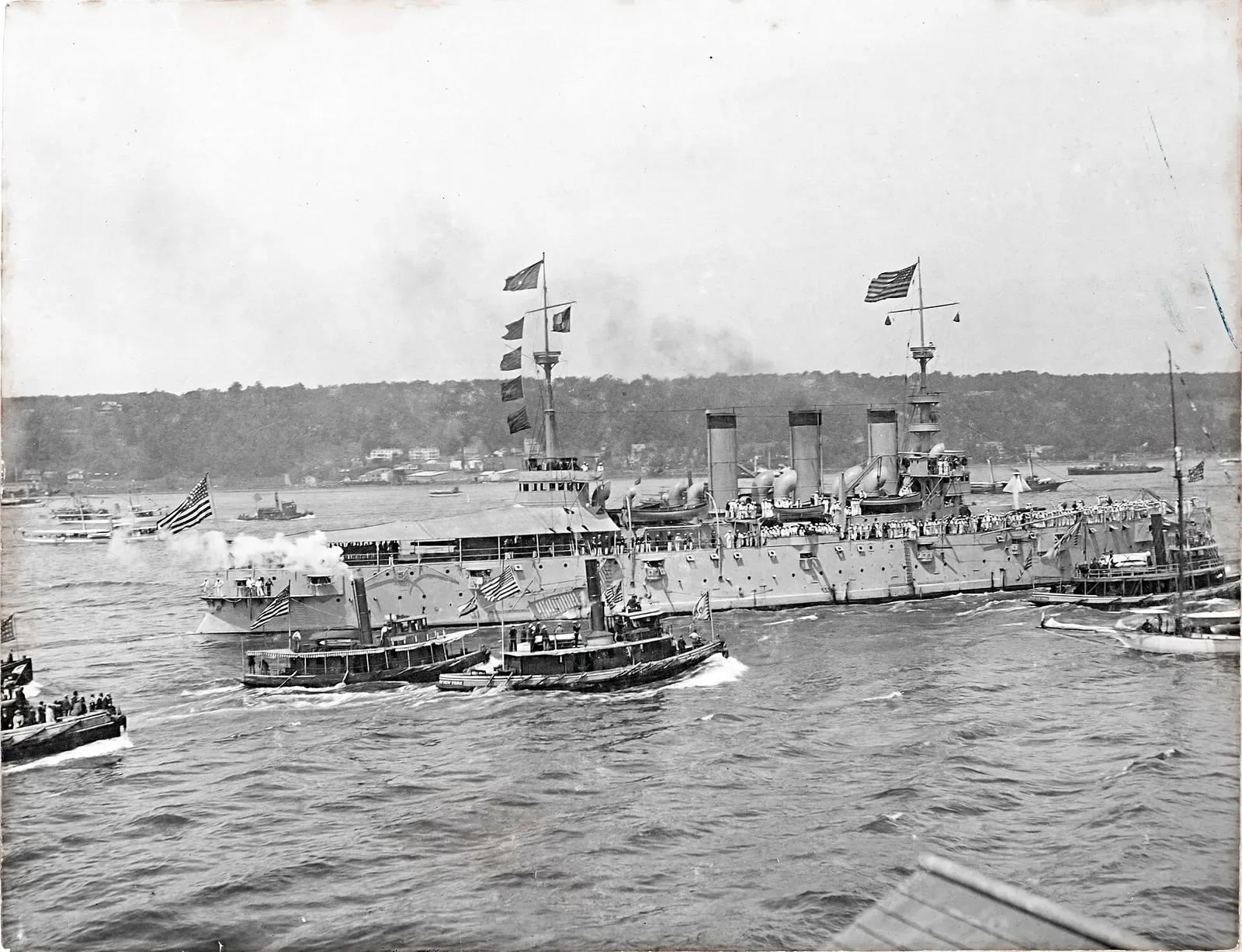
An 1891 armored cruiser scuttled to deny her to Japan
Getting there
Subic Bay is 100–120 km northwest of Manila, 2–4 hours by road; Victory Liner buses run hourly from Manila terminals to Olongapo. Clark International Airport is a 1–1.5 hour transfer. Dive centres line the Freeport Zone waterfront and the Barrio Barretto beach strip; foreign nationals pay a small SBMA gate fee at the zone entrance.
In The Logbook
- How a rebreather works, and what it buys youGear & kit · 6 min read
Similar destinations
Coral Triangle
Brunei Wrecks
Brunei
A minesweeper, a cement carrier and two ships nobody can firmly identify

Eighty human figures stand in a ring on the sand off Gili Meno
Wade off a Honiara roadside onto a Japanese transport from 1942
Coral Triangle
Halmahera — Kusu & Sali Islands
Indonesia
Blacktip reef sharks by day and the endemic Halmahera walking shark after dark.