
Segara is a shallow shore dive on a gentle slope where artificial reef structures were placed at around nine metres in 2008 and have since grown over with coral. It is worked as a muck site: nudibranchs, flatworms and crustaceans including durban shrimp, harlequin shrimp and boxer crab are what divers come here to find.
Where it is and how deep
8.2875° S, 115.6053° EPublished position for this site.
The dive
Entry is straight off the shore into shallow water, and the slope is gentle enough that you can drop onto the sand and start looking almost immediately. The artificial structures sit at around nine metres and are the spine of the dive: overgrown with coral now, they give the slope relief and hold the animals in a small enough area that a whole tank goes on a short stretch of bottom.
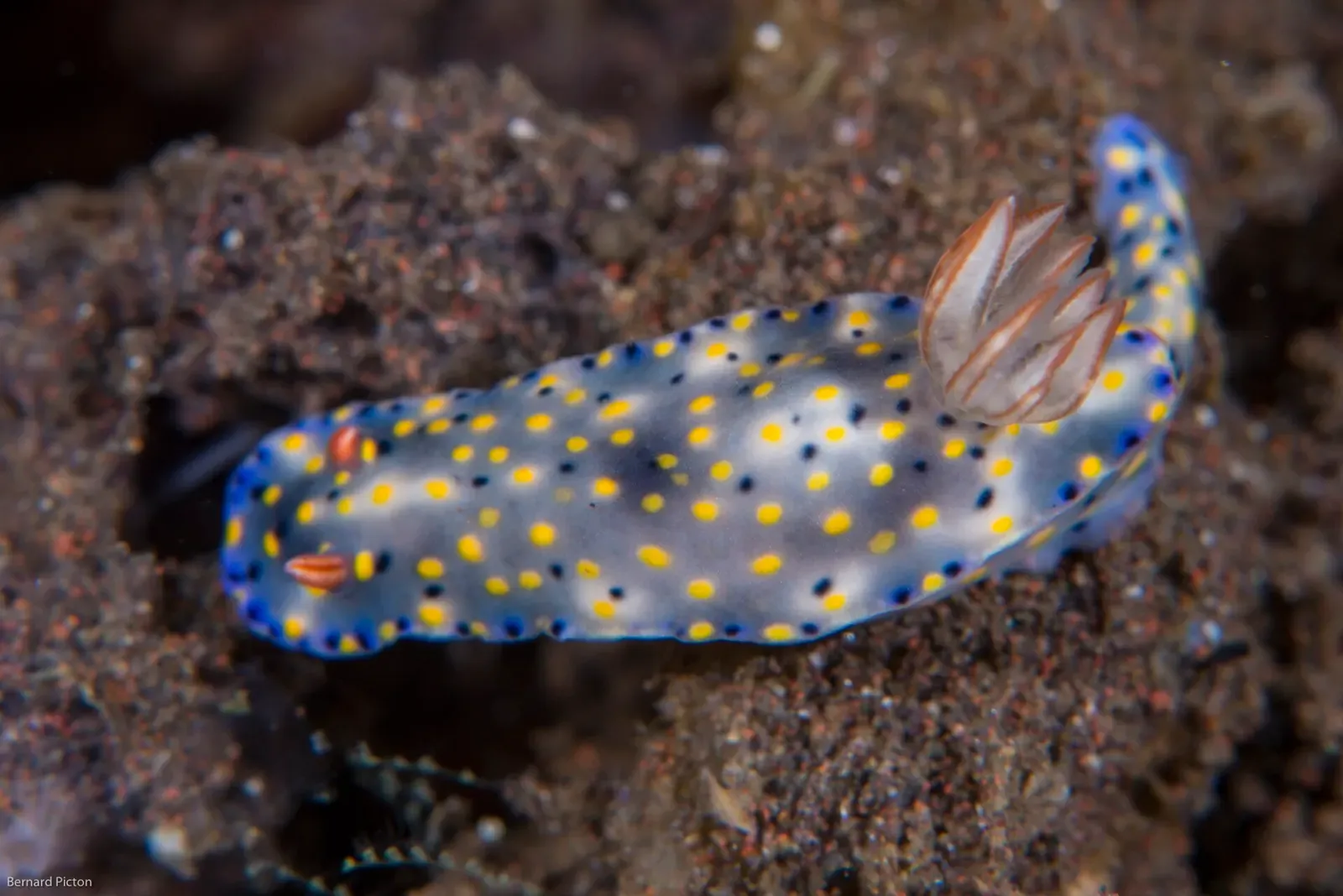
This is a slow dive done at arm's length from the sand. Many species of nudibranch and flatworm are found here, along with crustaceans including durban shrimp, harlequin shrimp and boxer crab, which is what has made it one of the muck sites macro divers in this area ask for. With the deepest point at nine metres, the dive ends when the gas does, and the long shallow profile suits repeated dives across a day.
Background
The reef at Segara is not natural. Artificial structures were placed here at around nine metres in 2008, and in the years since they have been overgrown with corals, turning a plain sandy slope into relief that holds animals. That growth is what made the site one of the muck dives preferred by macro divers working this stretch of the Tulamben coast, and it is why the structures, rather than the open sand, are where the dive is spent.
Marine life and season
- Nudibranchs
- Macro critters
| Jan | Feb | Mar | Apr | May | Jun | Jul | Aug | Sep | Oct | Nov | Dec |
|---|---|---|---|---|---|---|---|---|---|---|---|
| Good | Good | Good | Prime | Prime | Prime | Prime | Good | Good | Prime | Prime | Good |
Season follows Tulamben: Diveable all year. April to July and October to November give the calmest, clearest water; December to March is the rainy season, with more run-off and fewer divers.
Questions divers ask
How deep is Segara?+
The artificial reef structures sit at around nine metres, and the dive is a shallow shore entry onto a gentle slope. Depth is never the limiting factor, so bottom time is long.
What can you see at Segara?+
Many species of nudibranch and flatworm, and crustaceans including durban shrimp, harlequin shrimp and boxer crab. It is dived as a macro site rather than for anything large.
Sources
- Segara - Dive Site — SSI/Scubago
In The Logbook
- Nudibranchs: species, habits and where to diveMacro & muck · 13 min read
More dive sites in Tulamben
Artificial reef
Buddhist statues and Hindu temple fragments overgrown with coral
A wall to 60 m with a gorgonian fan at 27 metres
Reef
Five minutes by jukung to a coral slope dropping to 40 metres
Wall
The far end of the Tulamben volcanic wall, to 40 metres
Reef
Schools of juvenile blue triggerfish over a miniature reef
Black sand at 10 m with mimic octopus and frogfish
Muck & macro
Fine sand and rock past 30 metres, dived for the small stuff
Reef
A jukung-only reef of bommies and soft coral away from the crowds
Similar dives elsewhere

Two jetties over a steep sand slope to 30 metres
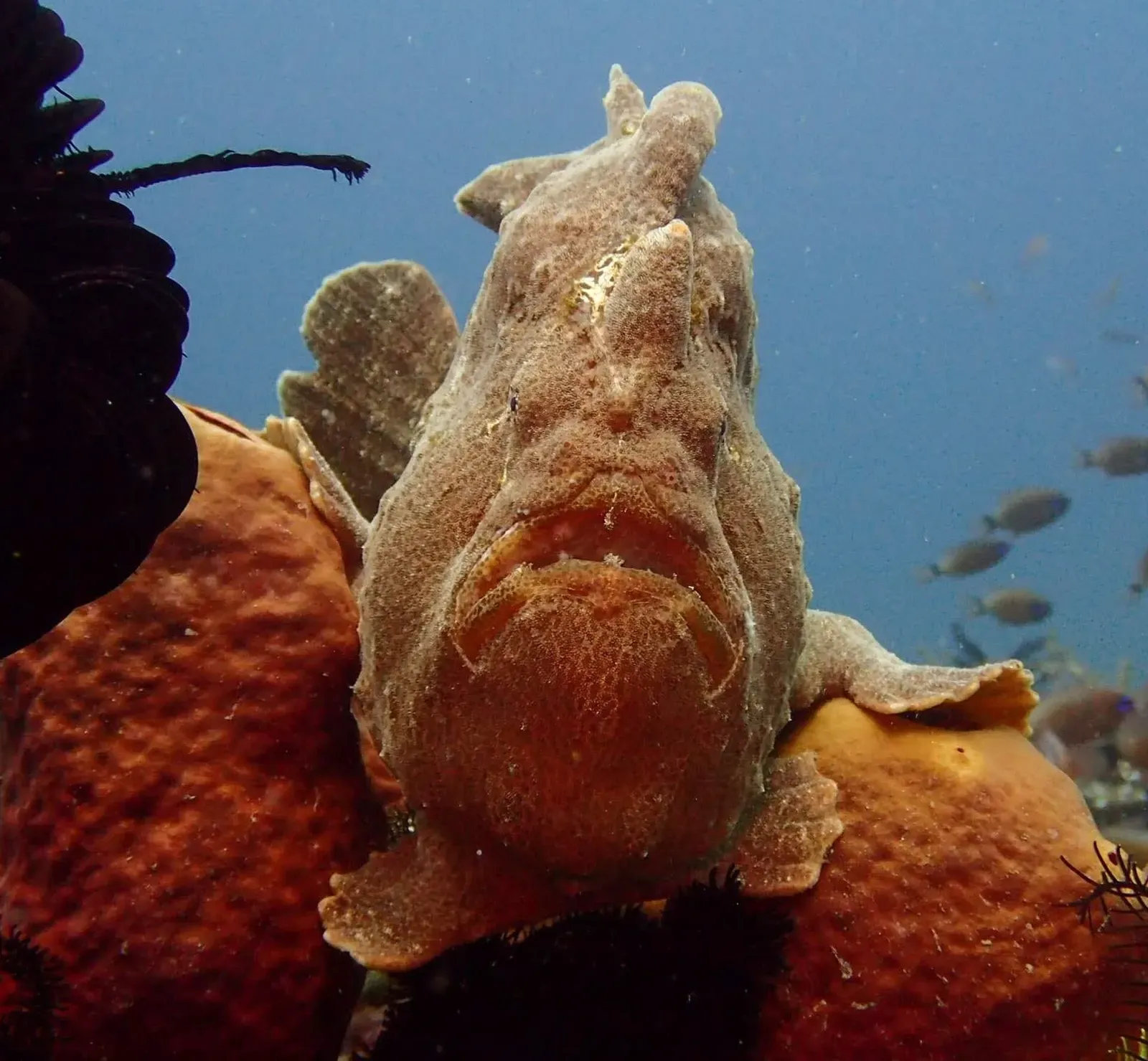
Coleman shrimp on fire urchins, and the coast's smallest finds

A sunken jeepney and a Mustang on black sand
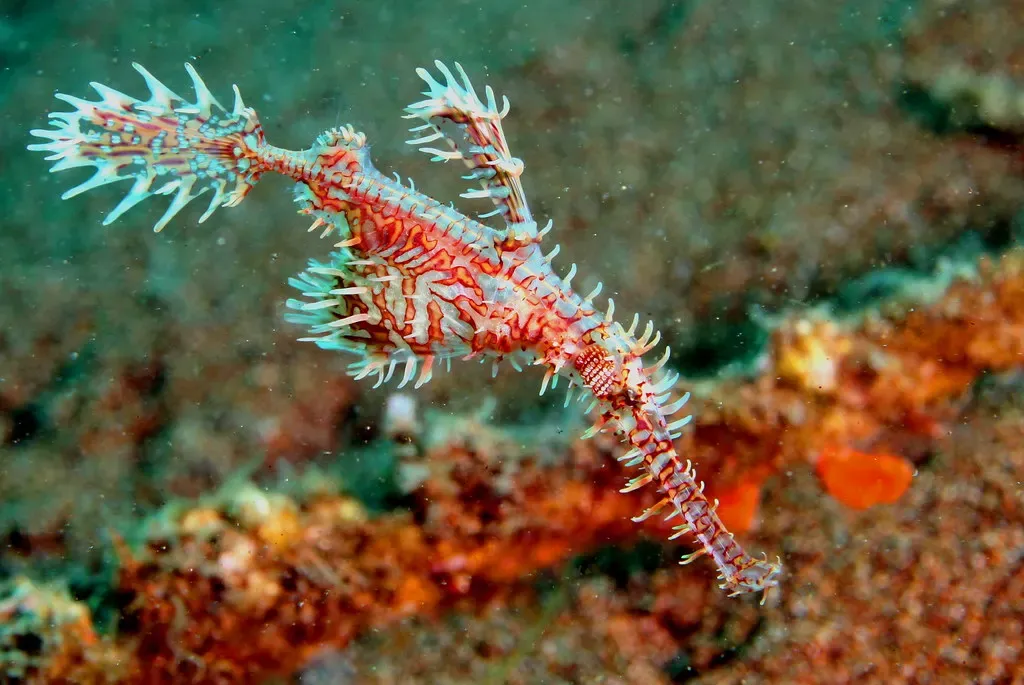

Two sunken cars at 24-28 m, with critters in the wreckage