Caribbean · Mexico
Xcalak & Banco Chinchorro
A quiet marine park reef, with day trips to the Banco Chinchorro atoll
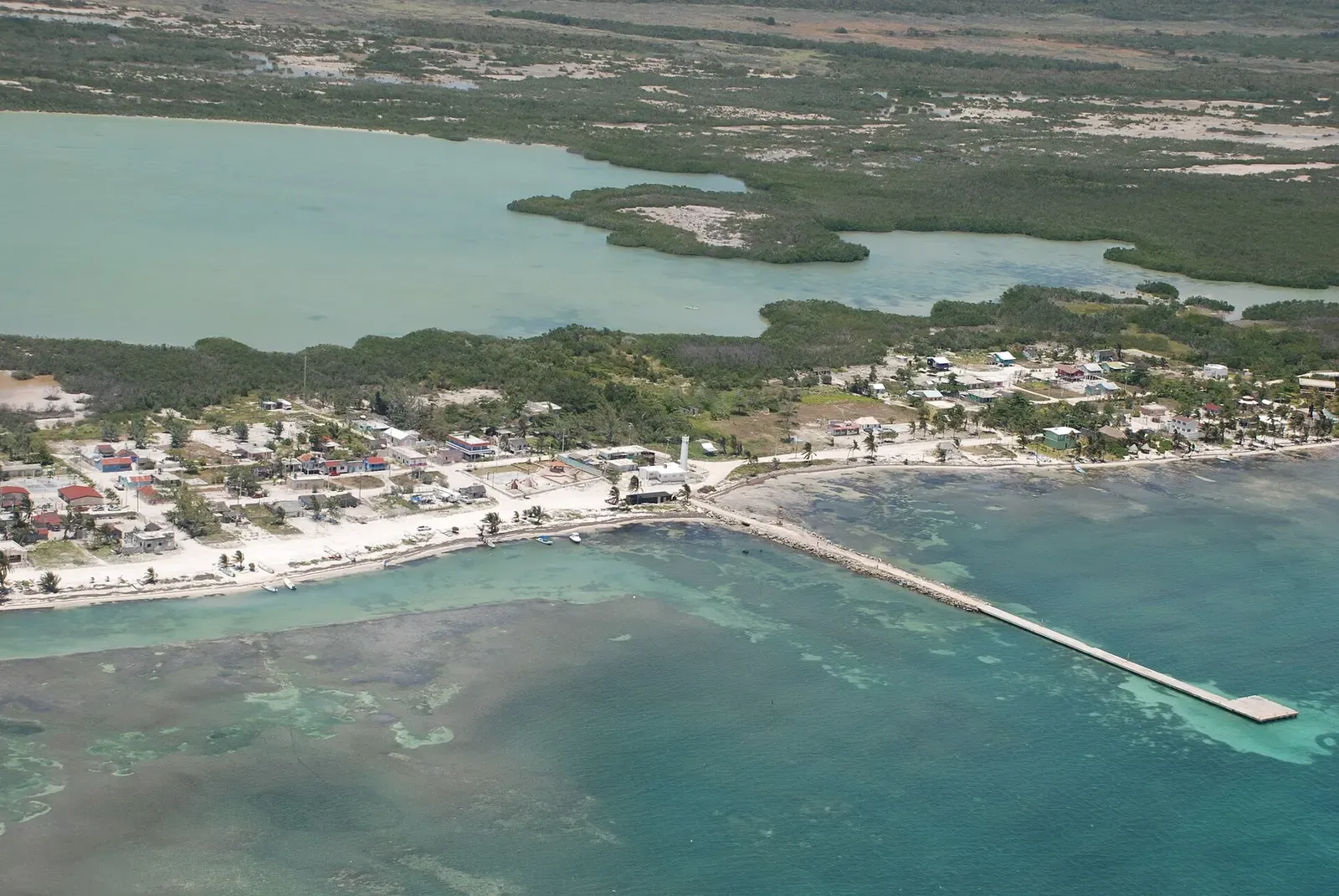
Photo: Juan Ortega · CC BY 3.0
Xcalak is a small fishing village at the southern tip of Mexico's Caribbean coast, inside the Xcalak Reef National Marine Park. Its dive sites lie 5–30 minutes out by boat: the beginner-friendly La Poza just inside the reef, the cenote-shaped wall of Alejandro's Reef, and La Chimenea, a wall dropping to 34 m. Day trips also run 2.5 hours offshore to Banco Chinchorro, the western hemisphere's largest coral atoll, with close to 200 shipwrecks.
About diving in Xcalak & Banco Chinchorro
Diving here is by boat, with dozens of sites between 5 and 30 minutes from the pier; the farthest, such as Hob Na, lie about half an hour north. Dive centres include XTC Dive Center, a PADI 5* Instructor Development Resort, and Diving Xcalak, on the shore of the park. The bigger outing is Banco Chinchorro, a UNESCO biosphere reserve reached by a 2.5-hour boat ride; permits are scarce, and the trip price includes the biosphere entrance fee and bracelet.
The reef offers deep and shallow walls, large tongue-and-groove formations, pozas (blue holes) and swim-throughs. Santa Julia has canyons as wide as city streets, and the La Poza dive ends at Copa del Mundo, a rock formation rising to about 5 m (15 ft) below the surface. Schools of large tarpon gather along the La Poza wall with jacks and snapper, groupers appear to nest at Hob Na, and night dives at Doña Nica find lobster and octopus in numbers. At Santa Julia the current usually runs north and the dive ends at Punta Gavilan, among Atlantic spadefish, chubs and snapper.
Xcalak suits divers who want a protected reef without crowds and can live without comforts: the village has small beach inns on self-contained power, no air-conditioned rooms, no cell phone coverage and no nightlife. Chinchorro, with close to 200 wrecks across 800 square kilometres, rewards those who plan around the calm summer months.
Best time to dive Xcalak & Banco Chinchorro
| Jan | Feb | Mar | Apr | May | Jun | Jul | Aug | Sep | Oct | Nov | Dec |
|---|---|---|---|---|---|---|---|---|---|---|---|
| Fair | Fair | Fair | Fair | Fair | Good | Good | Good | Fair | Fair | Fair | Fair |
Summer brings the calmest seas and near-daily Chinchorro trips. Hurricane Dean came ashore near Mahahual one August.
Dive types & marine life
Schools of large tarpon, jacks and snapper hold along the La Poza wall, groupers are seen often at Hob Na, and Punta Gavilan draws Atlantic spadefish and chubs. Chinchorro adds black coral at unusually shallow depths and a population of over 400 saltwater crocodiles in its mangroves.
- Reef
- Wall
- Wreck
- Night
- Groupers
- Trevally & jacks
- Octopus & cuttlefish
Best dive sites in Xcalak & Banco Chinchorro
- 1
La Poza
Mooring just inside the protected reef, a short boat ride from the dock, 5–26 m, for beginners and advanced divers.
- 2
La Chimenea
Coral wall from 12 m to 34 m (40–110 ft), surrounded by sand flats; a deep site for advanced divers only.
- 3
Alejandro's Reef
A horseshoe-shaped wall that traces the outline of a cenote.
- 4
Hob Na
About 30 minutes north: tall, narrow canyons dived along the top of the reef and down their sides.
- 5
Doña Nica
Two coral formations spanning 9–15 m (30–50 ft), full of marine life and suited to all levels.
- 6
Santa Julia
Huge tongue-and-groove formations cut by canyons as wide as city streets.
Site guides
Wall
A horseshoe-shaped wall tracing the outline of a cenote
Wall
Large numbers of lobster and octopus on night dives
Wall
Tall, narrow canyons where groupers appear to nest
Wall
La Catedral, a large cavern lit through a hole in its ceiling
Wall
Schools of large tarpon along the wall just past the swim-through
How to get to Xcalak & Banco Chinchorro
The nearest commercial airports are Cancún, Tulum and Chetumal. Buses run to Xcalak, though many visitors rent a car: the drive is about 6 hours from Cancún and 2.5 hours from Chetumal. Both dive centres are in Xcalak, on the marine park shore.
Dive videos
Manatees in Xcalak - Scuba diving with Amigos del Mar, Mahahual · Amigos del Mar Mahahual on YouTube
Questions divers ask
What certification does Xcalak diving need?+
Beginners can dive La Poza and Doña Nica, while La Chimenea, a coral wall from 12 m to 34 m (40–110 ft), is deep and open only to advanced divers.
How do divers get to Banco Chinchorro from Xcalak?+
Chinchorro is a UNESCO biosphere reserve reached by a 2.5-hour boat ride. Permits are scarce, and the trip price includes the biosphere entrance fee and bracelet.
How do divers get to Xcalak?+
The nearest commercial airports are Cancún, Tulum and Chetumal. Buses run to Xcalak, though many visitors rent a car: the drive is about 6 hours from Cancún and 2.5 hours from Chetumal.
When is the best time to dive Xcalak?+
Summer brings the calmest seas and near-daily Chinchorro trips, so Chinchorro rewards those who plan around the calm summer months. Water runs 21 to 27 °C.
Sources
- Recreational Diving - XTC Dive Center — XTC Dive Center
- Chinchorro - XTC Dive Center — XTC Dive Center
- About Xcalak - XTC Dive Center — XTC Dive Center
- Dive Sites - Diving Xcalak — Diving Xcalak
- Diving Xcalak — Diving Xcalak
- Xcalak - Wikivoyage — Wikivoyage
- Diving in Mexico - Wikivoyage — Wikivoyage
- Hurricane Dean - Wikipedia — Wikipedia
- La Poza, Xcalak - Scubago — Scubago
Photo credits
- Aerial view of Xcalak village on a sandy shore, with a long pier crossing the shallow reef lagoon and mangrove lagoons behind by Juan Ortega, CC BY 3.0, via Wikimedia Commons
Embed
Run a dive centre, club or blog? Embed this map of 11 dive sites near Xcalak & Banco Chinchorro on your own page.
Similar destinations
Spur-and-groove canyons and nurse sharks minutes from San Pedro's piers
Cold upwelling makes Colombia's Caribbean coast unexpectedly productive

Swim off a beach onto a wall that drops past 900 metres


A Soviet frigate lies broken in two between 15 and 30 m