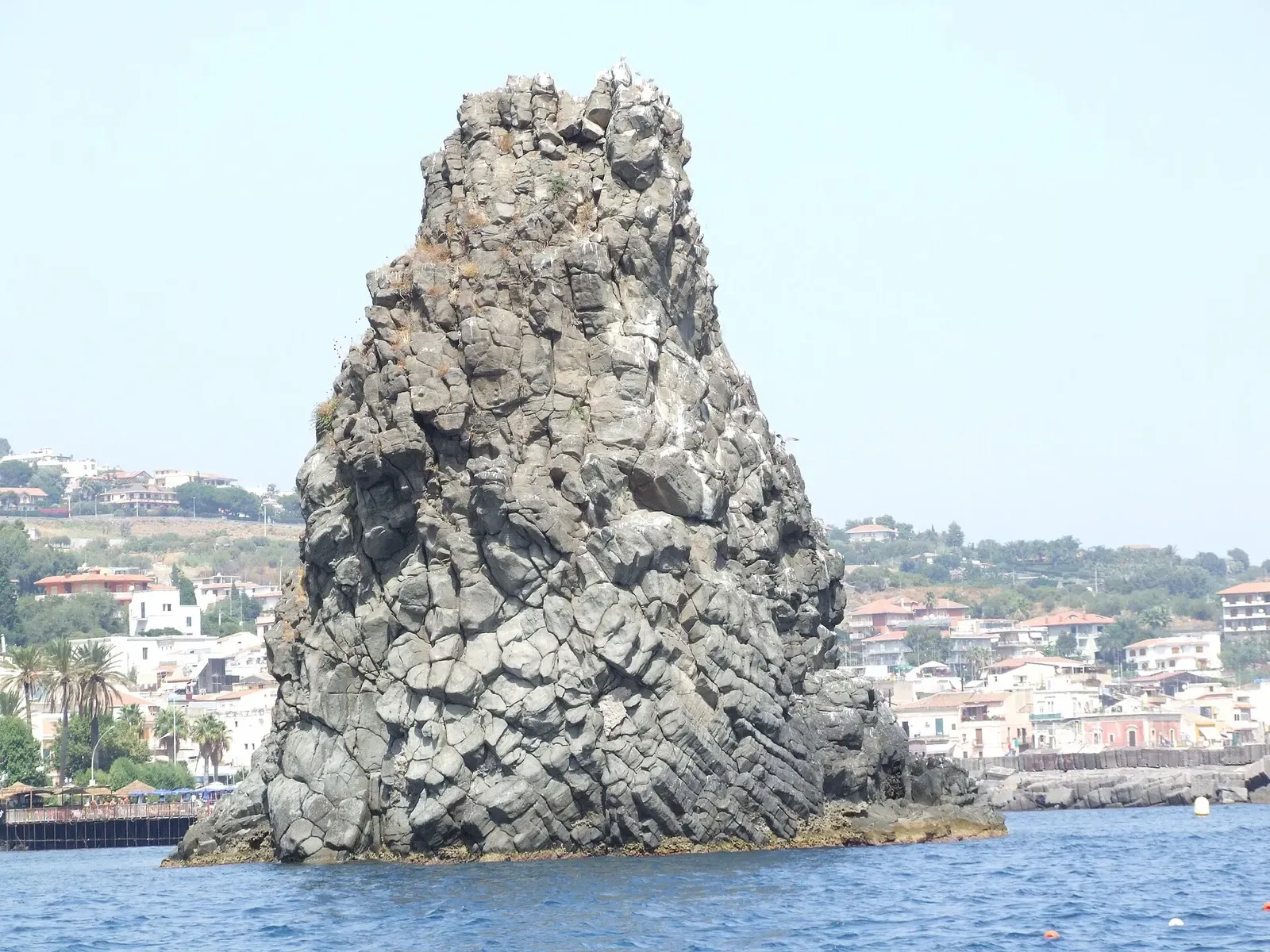
Catania & the Cyclops Islands · Italy · Wall · Reef
Faro di Capo Molini
Basalt platform dropping steeply to 40 m under the lighthouse
Area photo: Castielli · CC BY-SA 3.0
Facing the Capomulini lighthouse, a basalt platform about 30 m off the coast breaks abruptly into a steep landslide, giving dives at both 15 m and 35 m and a bottom that runs to 40 m. Medium current and the reserve's medio-impegnativo rating make this the demanding end of the area's rock diving.
Also known as Lighthouse Wall.
Where it is and how deep
37.5756° N, 15.1783° EApproximate position — the dashed circle shows where the site lies; your operator's briefing has the mooring.
The dive
The boat from Acitrezza moors below the Capomulini lighthouse, and the site offers a choice of levels: a basalt platform rises about 30 m from the coast, and dives can be planned at 15 m or at 35 m. The platform ends abruptly, breaking into a steep landslide of rock that carries the profile down towards the 40 m limit of the itinerary.
The drop-off is where the life concentrates — sessile organisms cover the rock and numerous reef-fish species work the slope above them. In late summer and autumn this is also the itinerary where large pelagic fish can pass, so it pays to glance into the blue as you follow the edge. Manage your depth on the landslide, then work back up onto the platform to finish the dive.
Marine life and season
- Reef fish swarms
| Jan | Feb | Mar | Apr | May | Jun | Jul | Aug | Sep | Oct | Nov | Dec |
|---|---|---|---|---|---|---|---|---|---|---|---|
| Fair | Fair | Fair | Good | Good | Prime | Prime | Prime | Prime | Good | Fair | Fair |
Season follows Catania & the Cyclops Islands: Dived year-round; late summer and autumn add pelagics at Capo Molini, and winter water drops to about 14°C.
Sources
- Lighthouse Wall — Scubago
- Gli itinerari subacquei — Area Marina Protetta Isole Ciclopi
More dive sites in Catania & the Cyclops Islands
Resident groupers, morays and large octopus below a prince's old residence
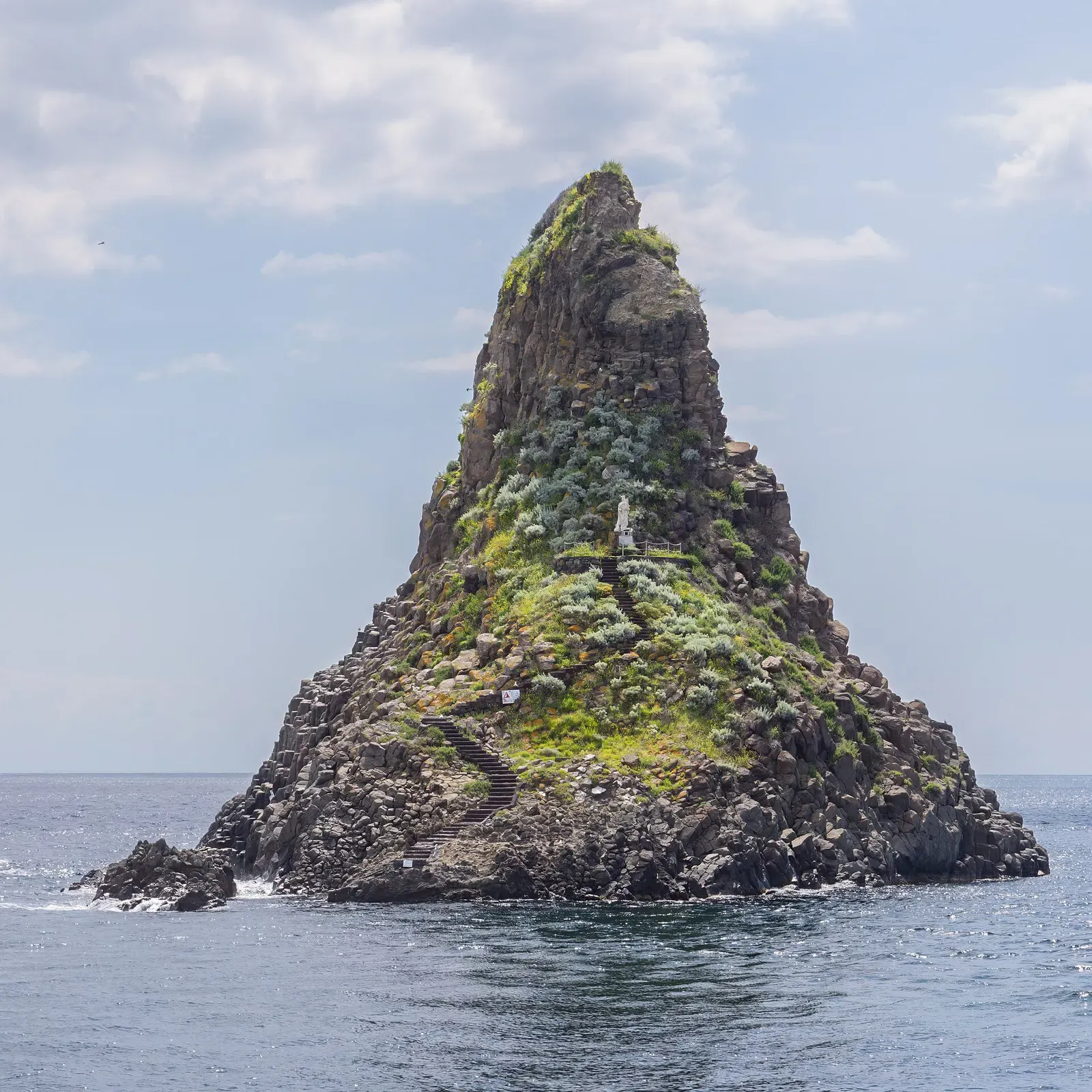
The Mediterranean's largest anemone, Alicia mirabilis, on a night-diveable shoal
Reef
Big morays in the cracked basalt of three rounded outcrops
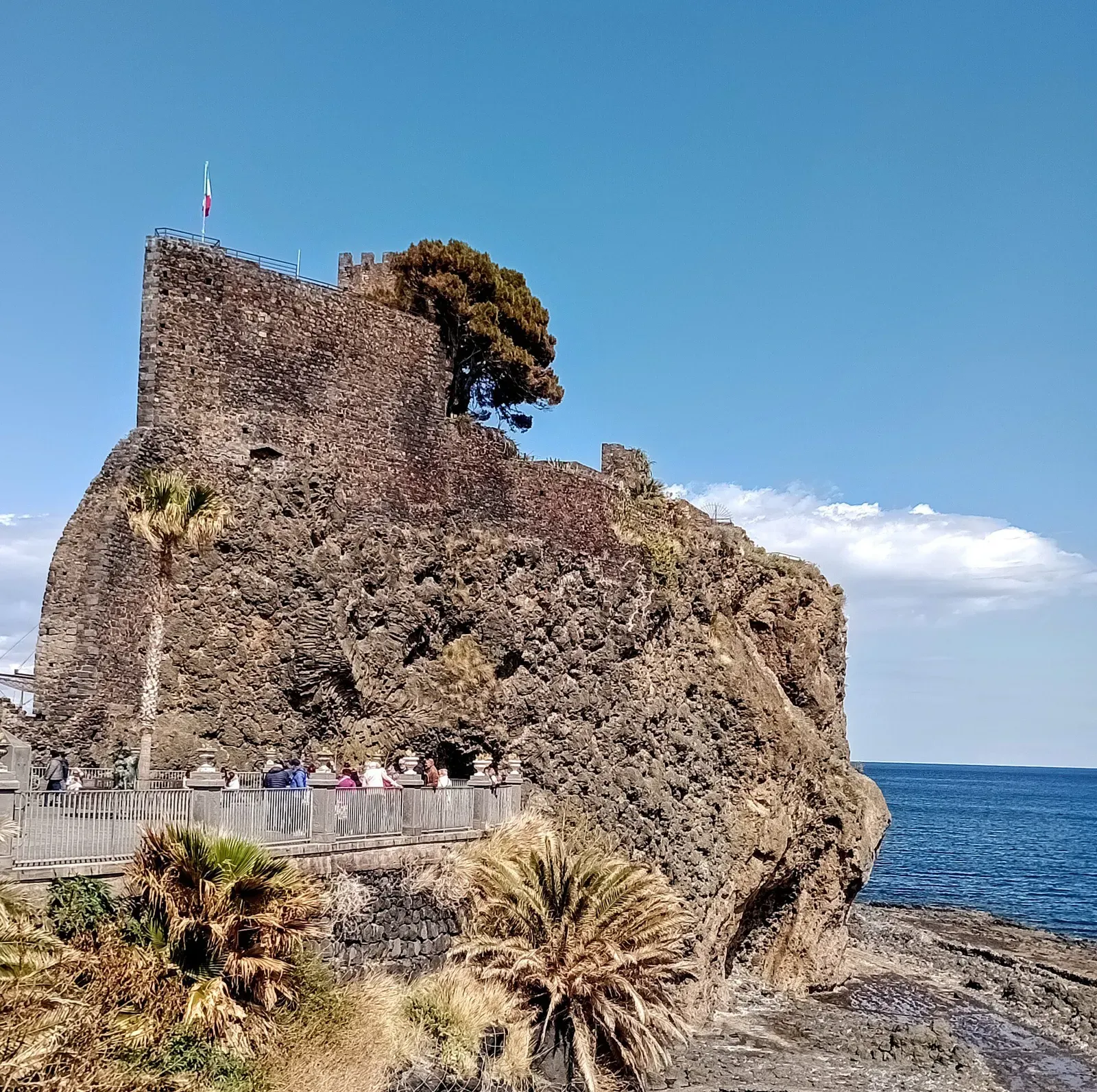
Pearly razorfish over the sand below the Norman castle
Reef
Large cerianthids in four colours on night explorations of the sand
Eight ancient anchors on a fixed line, 1st century BC to admiralty types
Reef
Shoal complex and summer drift on the reserve's southern boundary
Wreck
Capsized 50 m wreck at the foot of an underwater cliff, 38–42 m
Similar dives elsewhere
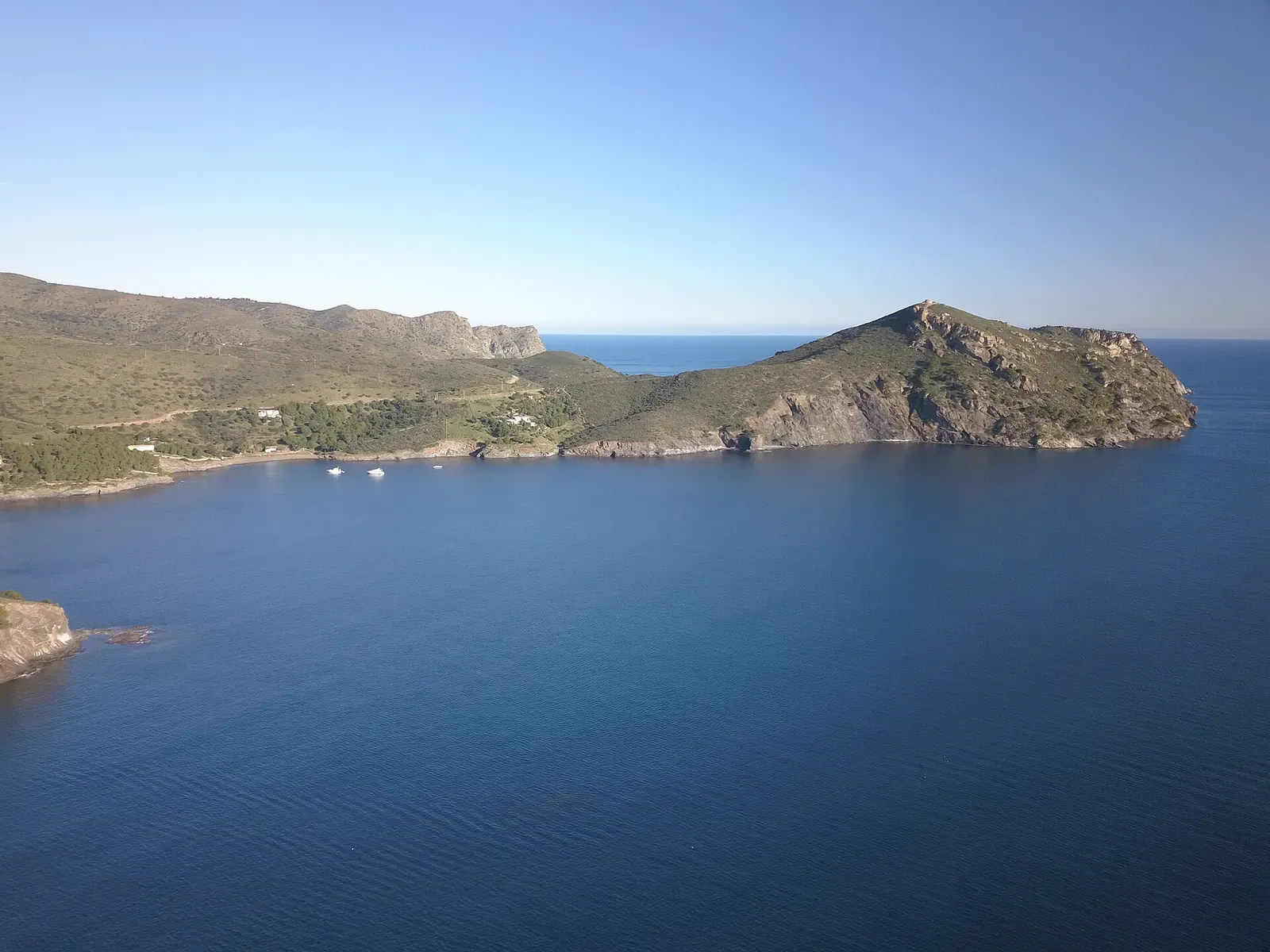
The park's best-known walls, and a cave with an air pocket
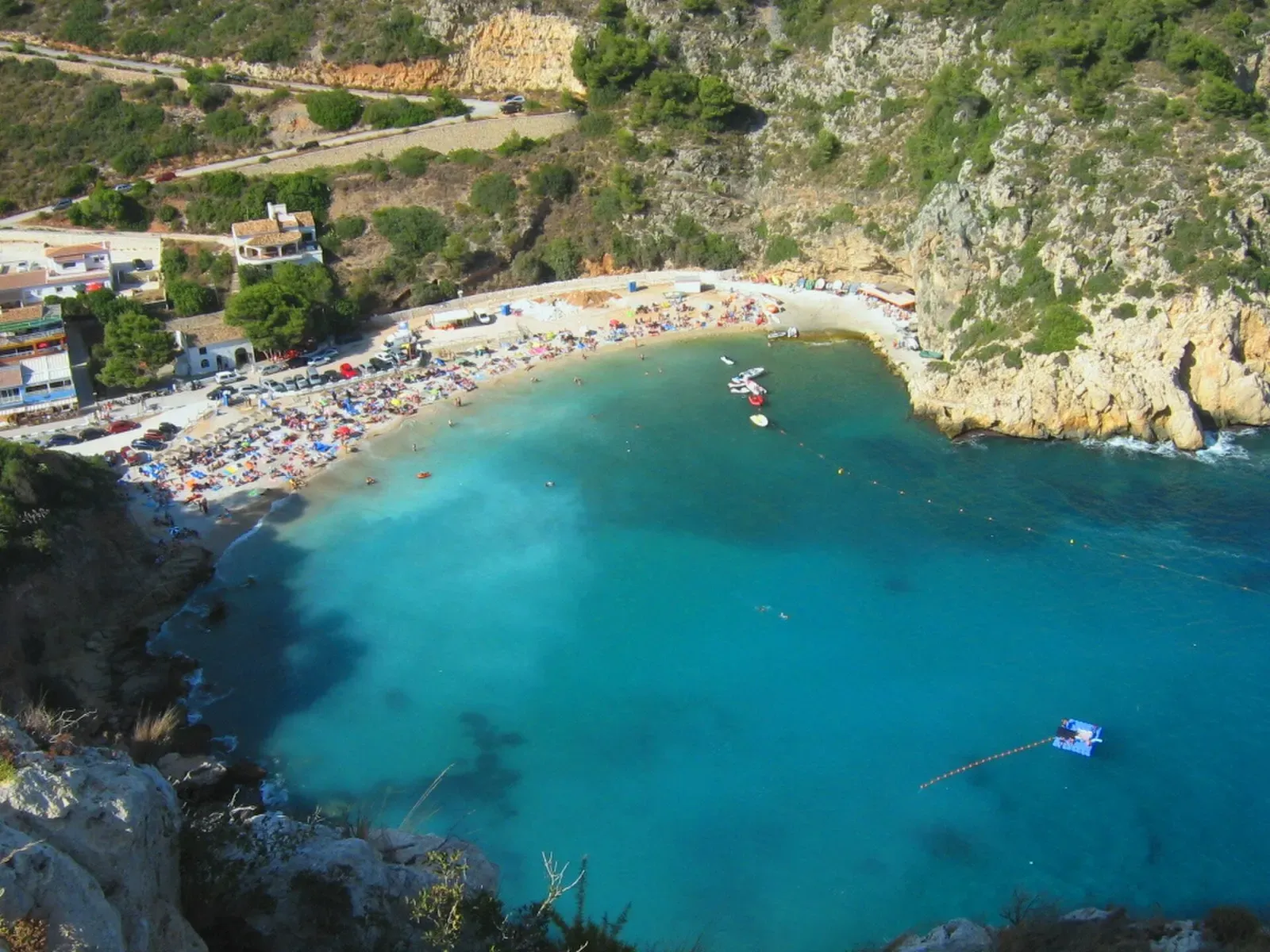
A sea-cut bowl in the Peñón to 35 m where amberjack and barracuda gather
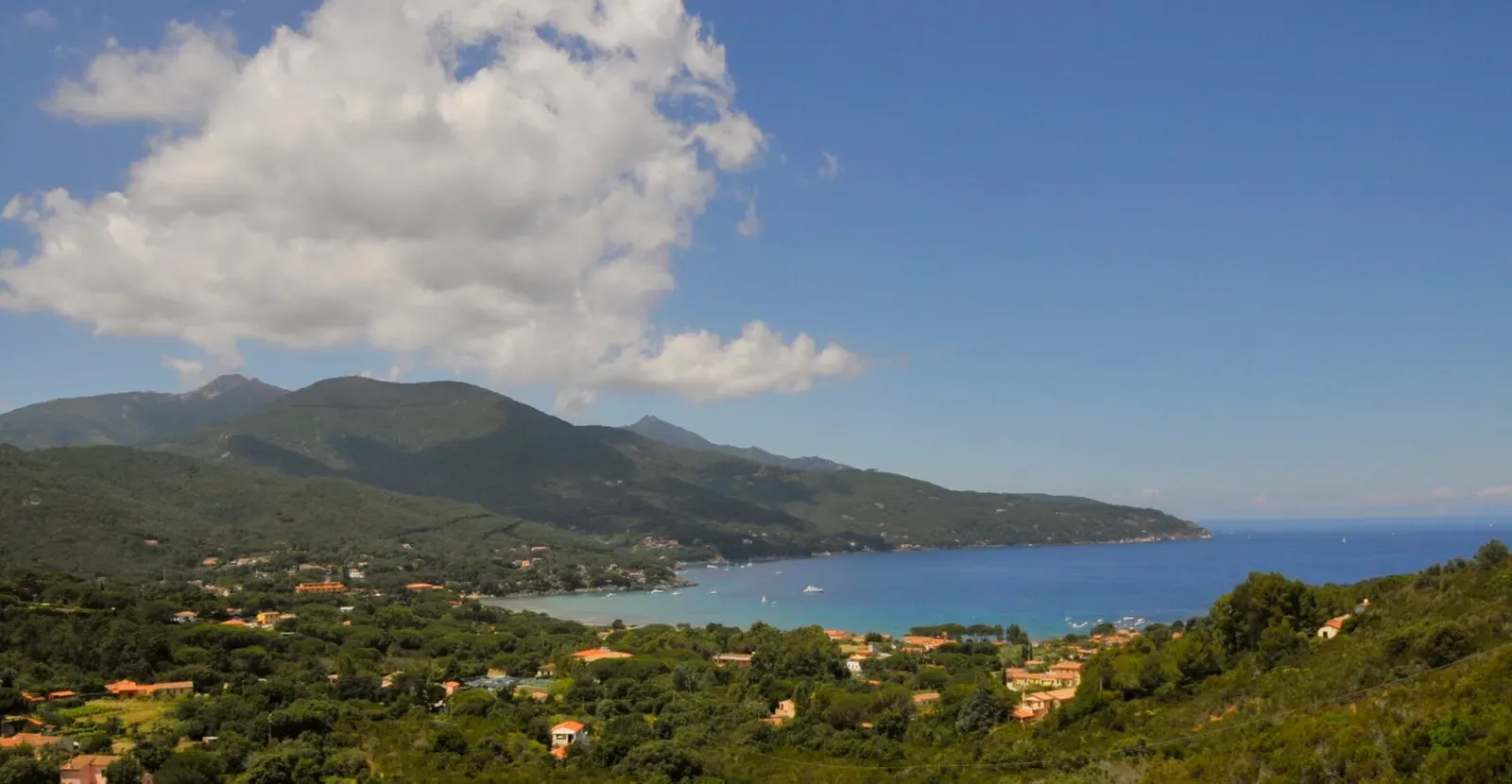

Two dives in one: an easier south side to 35 m, a deep north side past 40 m
A red-gorgonian wall from 20 to 40 m off Capo Sant'Andrea