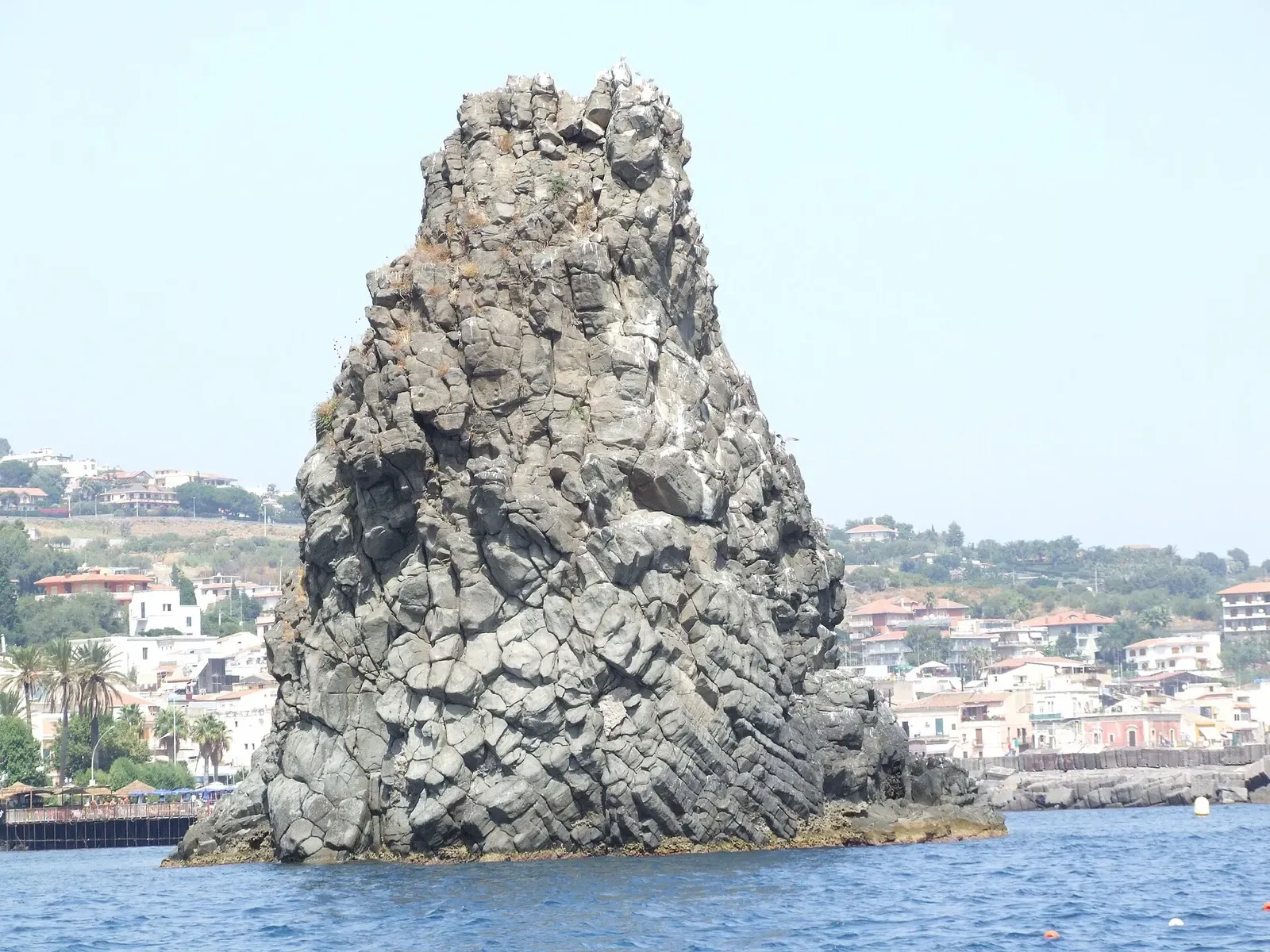
Catania & the Cyclops Islands · Italy · Reef
L'Antico Macello
Large cerianthids in four colours on night explorations of the sand
Area photo: Castielli · CC BY-SA 3.0
In the water directly off the Aci Castello promenade, in front of the building that served as a slaughterhouse in the 1970s, a rock landslide runs from 13 to 25 m. An easy itinerary in light current with good visibility — but dived by boat only, despite sitting just off the seafront.
Also known as Antico Macello.
Where it is and how deep
37.5572° N, 15.1494° EApproximate position — the dashed circle shows where the site lies; your operator's briefing has the mooring.
The dive
The boat anchors just off the Aci Castello seafront, in front of the building that worked as a slaughterhouse in the 1970s and gave the site its name. Below, a landslide of rocks spills across the bottom between 13 and 25 m. The route is rated easy, visibility is good and current light, so you can pick a line down the rocks and follow it at leisure.
The rocks hold damselfish nesting in the smallest crevices and blennies showing off their nuptial colours, so there is small life to pick over on every boulder. The site's best-known residents come out after dark: on night explorations over the sandy patches, large cerianthids sway their tentacle crowns, coloured orange, yellow, green and purple against the dark stone. Work slowly from rock to rock, then come back up the landslide towards the boat to end the dive.
Marine life and season
- Macro critters
| Jan | Feb | Mar | Apr | May | Jun | Jul | Aug | Sep | Oct | Nov | Dec |
|---|---|---|---|---|---|---|---|---|---|---|---|
| Fair | Fair | Fair | Good | Good | Prime | Prime | Prime | Prime | Good | Fair | Fair |
Season follows Catania & the Cyclops Islands: Dived year-round; late summer and autumn add pelagics at Capo Molini, and winter water drops to about 14°C.
Sources
- Gli itinerari subacquei — Area Marina Protetta Isole Ciclopi
More dive sites in Catania & the Cyclops Islands
Resident groupers, morays and large octopus below a prince's old residence
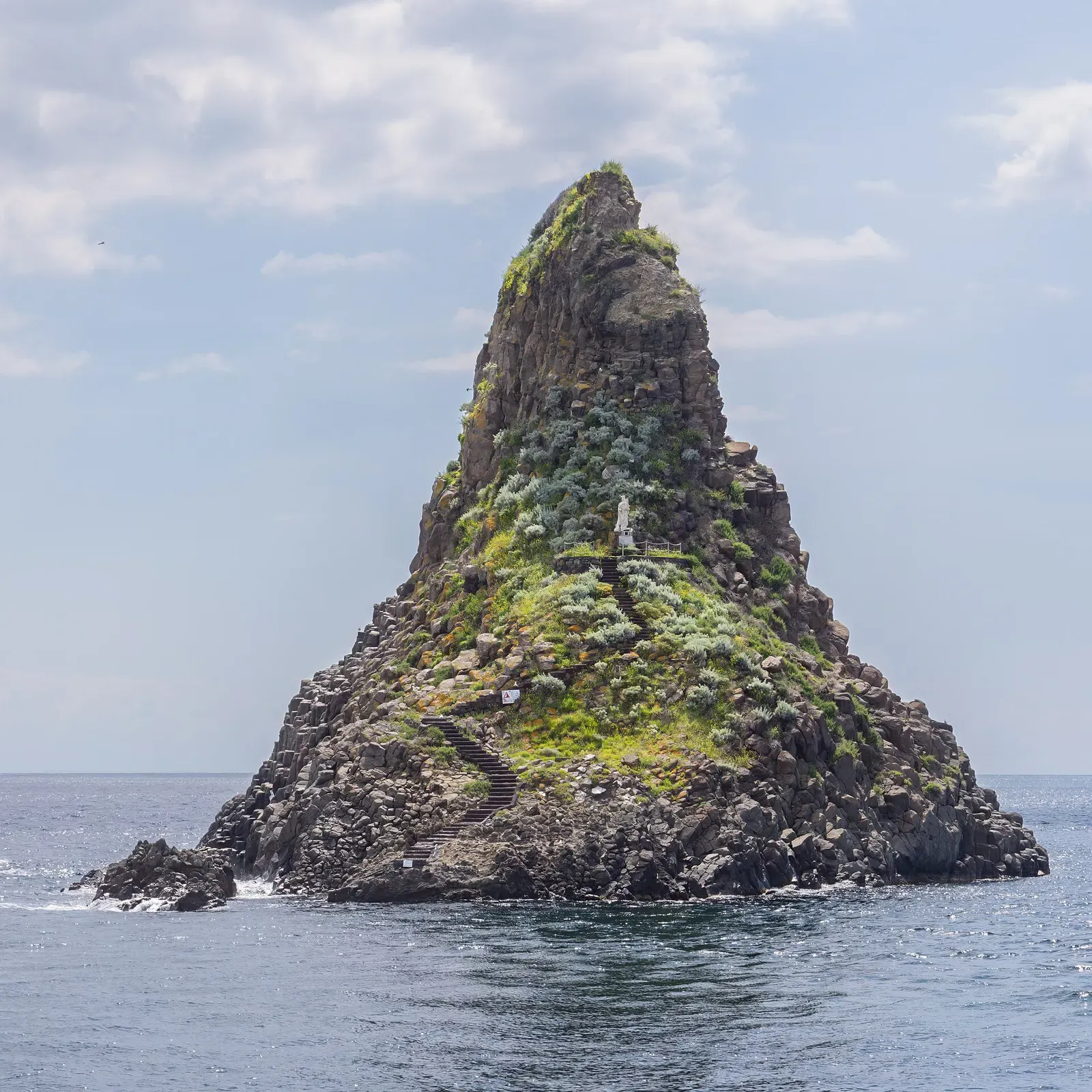
The Mediterranean's largest anemone, Alicia mirabilis, on a night-diveable shoal
Basalt platform dropping steeply to 40 m under the lighthouse
Reef
Big morays in the cracked basalt of three rounded outcrops
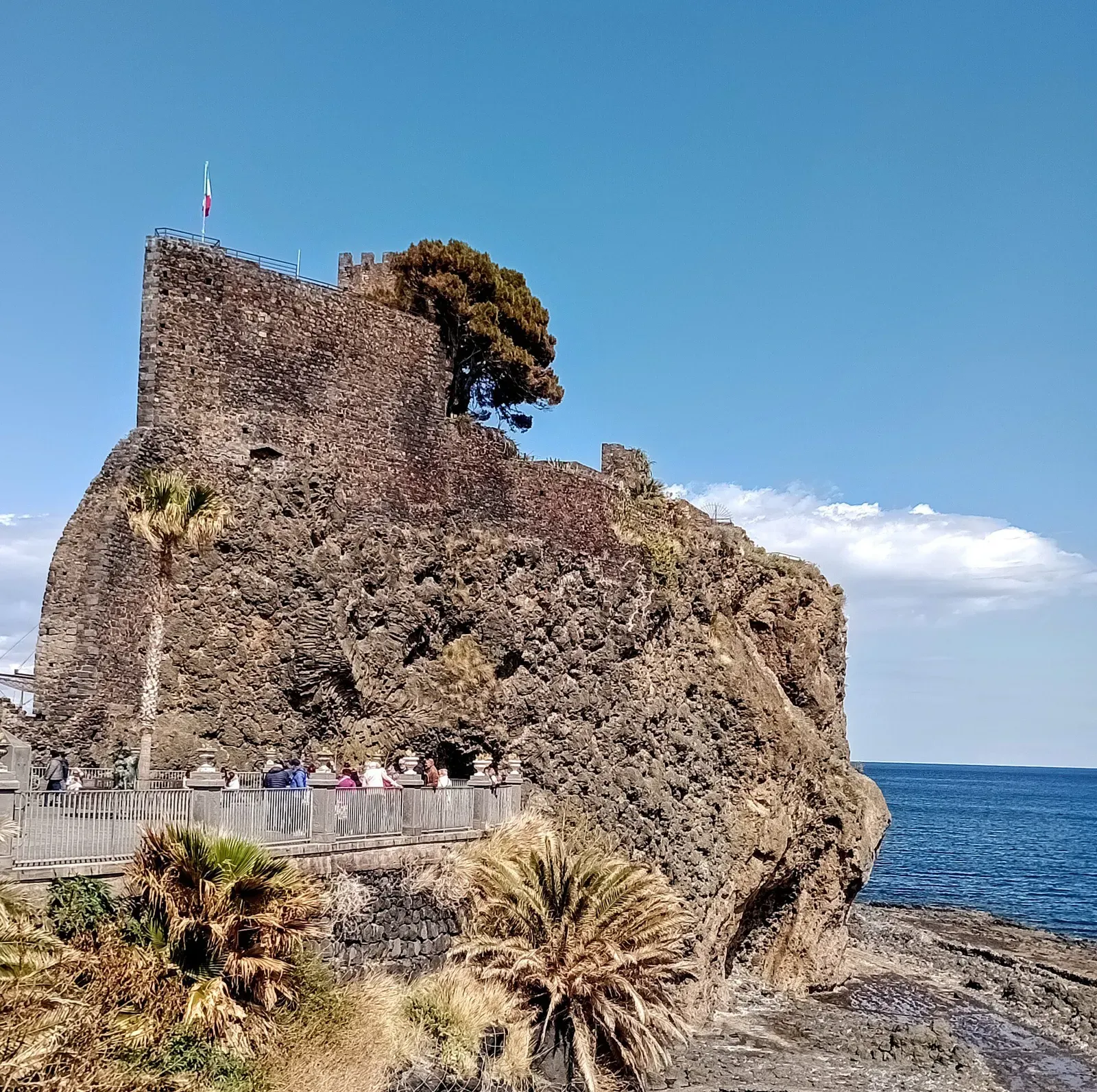
Pearly razorfish over the sand below the Norman castle
Eight ancient anchors on a fixed line, 1st century BC to admiralty types
Reef
Shoal complex and summer drift on the reserve's southern boundary
Wreck
Capsized 50 m wreck at the foot of an underwater cliff, 38–42 m
Similar dives elsewhere
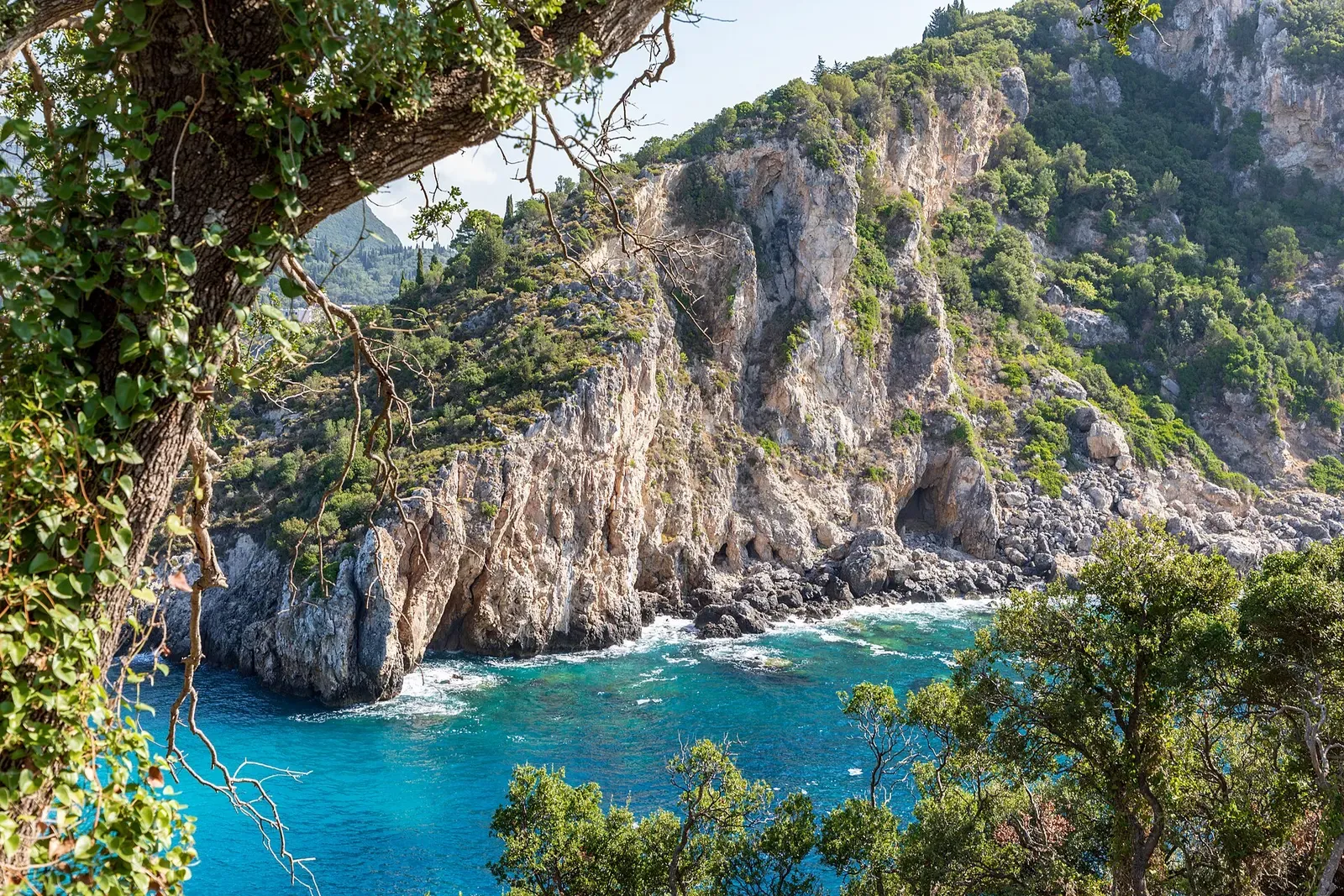
A reef from 1.5 to 30 m with a wreck at 40 m beyond, dived day and night
Old fishing nets turned into a reef, with congers and groupers underneath


A giant anchor and its chain links lying at 21 m
Sand, coralligenous and rock between 12 and 30 m