Catania & the Cyclops Islands · Italy · Reef · Night
Faraglione Piccolo
The Mediterranean's largest anemone, Alicia mirabilis, on a night-diveable shoal
Photo: Diego Delso · CC BY-SA 4.0
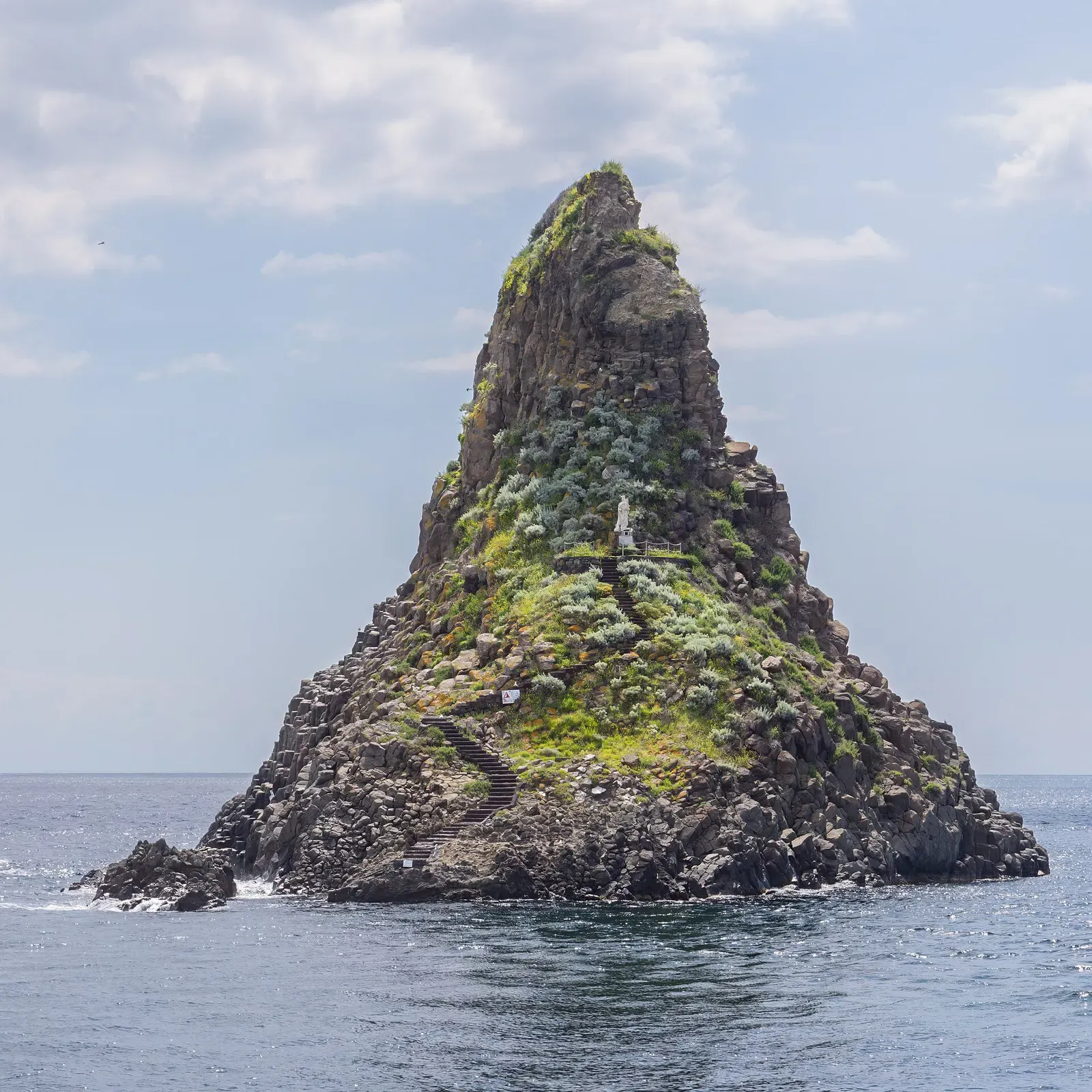
South of the Faraglione di Mezzo sea stack, the smallest of the Cyclops stacks and a scatter of lava boulders create a series of small shoals between 11 and 21 m. An easy itinerary with excellent visibility and light current, and the reserve's shore-entry choice for safe night dives.
Where it is and how deep
37.5565° N, 15.1630° EApproximate position — the dashed circle shows where the site lies; your operator's briefing has the mooring.
The dive
You enter from shore and swim out to where the Faraglione Piccolo, south of the Faraglione di Mezzo, joins a field of lava boulders to form a series of small shoals. The bottom lies between 11 and 21 m, the current is light and visibility excellent, so the route is an easy circuit of the shoals at whatever pace the group likes.
This is the itinerary the reserve describes for night exploration from the coast in full safety — the shoals are compact enough to navigate by torchlight on the same easy profile you dived by day. After dark it is easy to meet the cicala di mare, a slipper lobster and an expert in camouflage, and with some luck the largest anemone in the Mediterranean, Alicia mirabilis. Ascend over the shallow tops of the shoals and swim back in to shore.
Marine life and season
- Macro critters
| Jan | Feb | Mar | Apr | May | Jun | Jul | Aug | Sep | Oct | Nov | Dec |
|---|---|---|---|---|---|---|---|---|---|---|---|
| Fair | Fair | Fair | Good | Good | Prime | Prime | Prime | Prime | Good | Fair | Fair |
Season follows Catania & the Cyclops Islands: Dived year-round; late summer and autumn add pelagics at Capo Molini, and winter water drops to about 14°C.
Photos from Faraglione Piccolo
Diego Delso · CC BY-SA 4.0
Diego Delso · CC BY-SA 4.0
Questions divers ask
Can you night dive at Faraglione Piccolo?+
Yes — it is the itinerary the reserve names for safe night dives, entered from shore over small shoals between 11 and 21 m in light current.
Sources
- Gli itinerari subacquei — Area Marina Protetta Isole Ciclopi
- Faraglione di Mezzo (OpenStreetMap/Nominatim) — OpenStreetMap contributors
Photo credits
- One of the Cyclops sea stacks rising from the water off Aci Trezza, close-up by Diego Delso, CC BY-SA 4.0, via Wikimedia Commons
- Several Cyclops sea stacks seen from the rocky shoreline at Aci Trezza by Diego Delso, CC BY-SA 4.0, via Wikimedia Commons
- Two smaller Cyclops sea stacks with calm water between them, seen from the coast by Diego Delso, CC BY-SA 4.0, via Wikimedia Commons
More dive sites in Catania & the Cyclops Islands
Resident groupers, morays and large octopus below a prince's old residence
Basalt platform dropping steeply to 40 m under the lighthouse
Reef
Big morays in the cracked basalt of three rounded outcrops
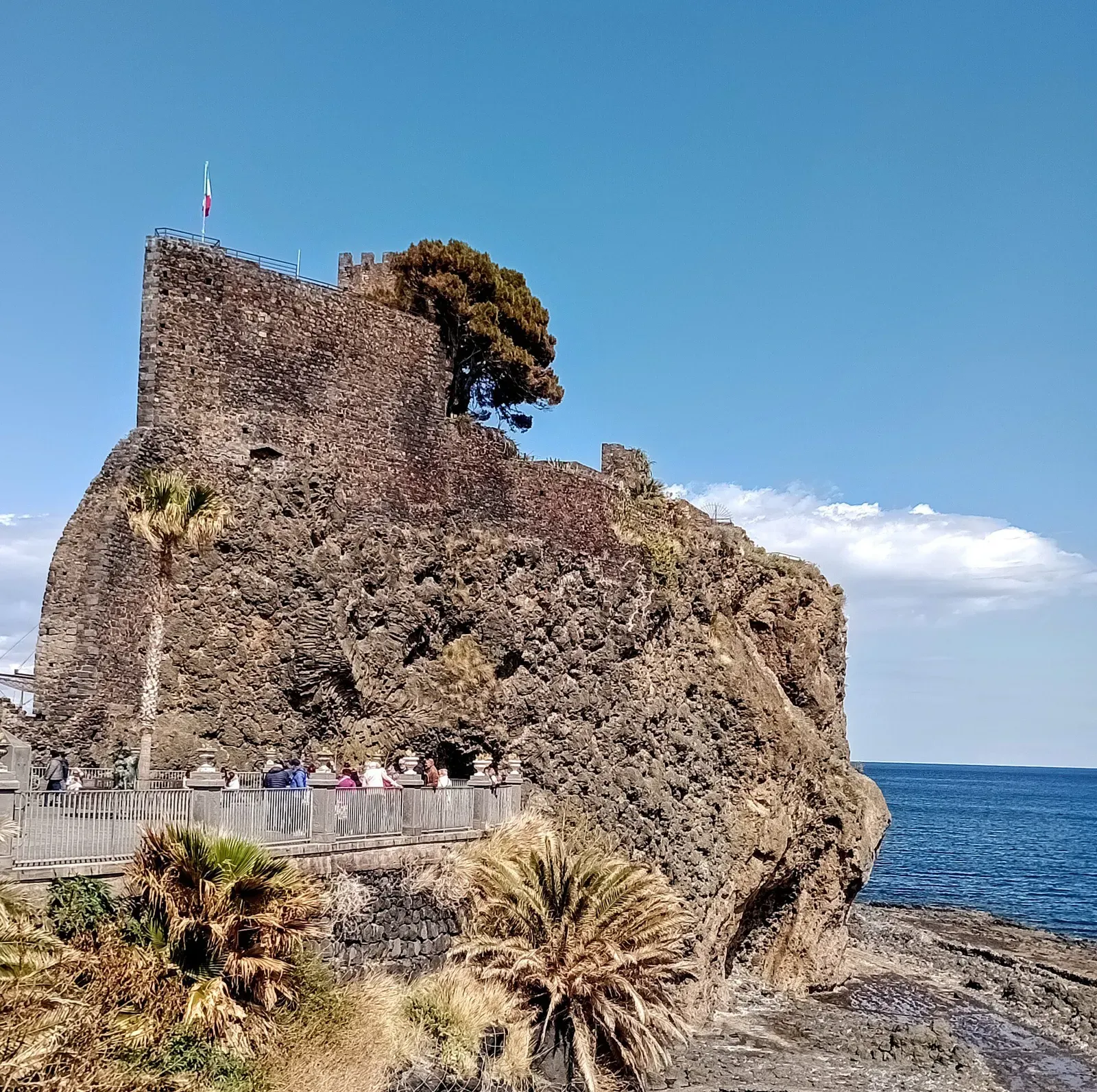
Pearly razorfish over the sand below the Norman castle
Reef
Large cerianthids in four colours on night explorations of the sand
Eight ancient anchors on a fixed line, 1st century BC to admiralty types
Reef
Shoal complex and summer drift on the reserve's southern boundary
Wreck
Capsized 50 m wreck at the foot of an underwater cliff, 38–42 m
Similar dives elsewhere
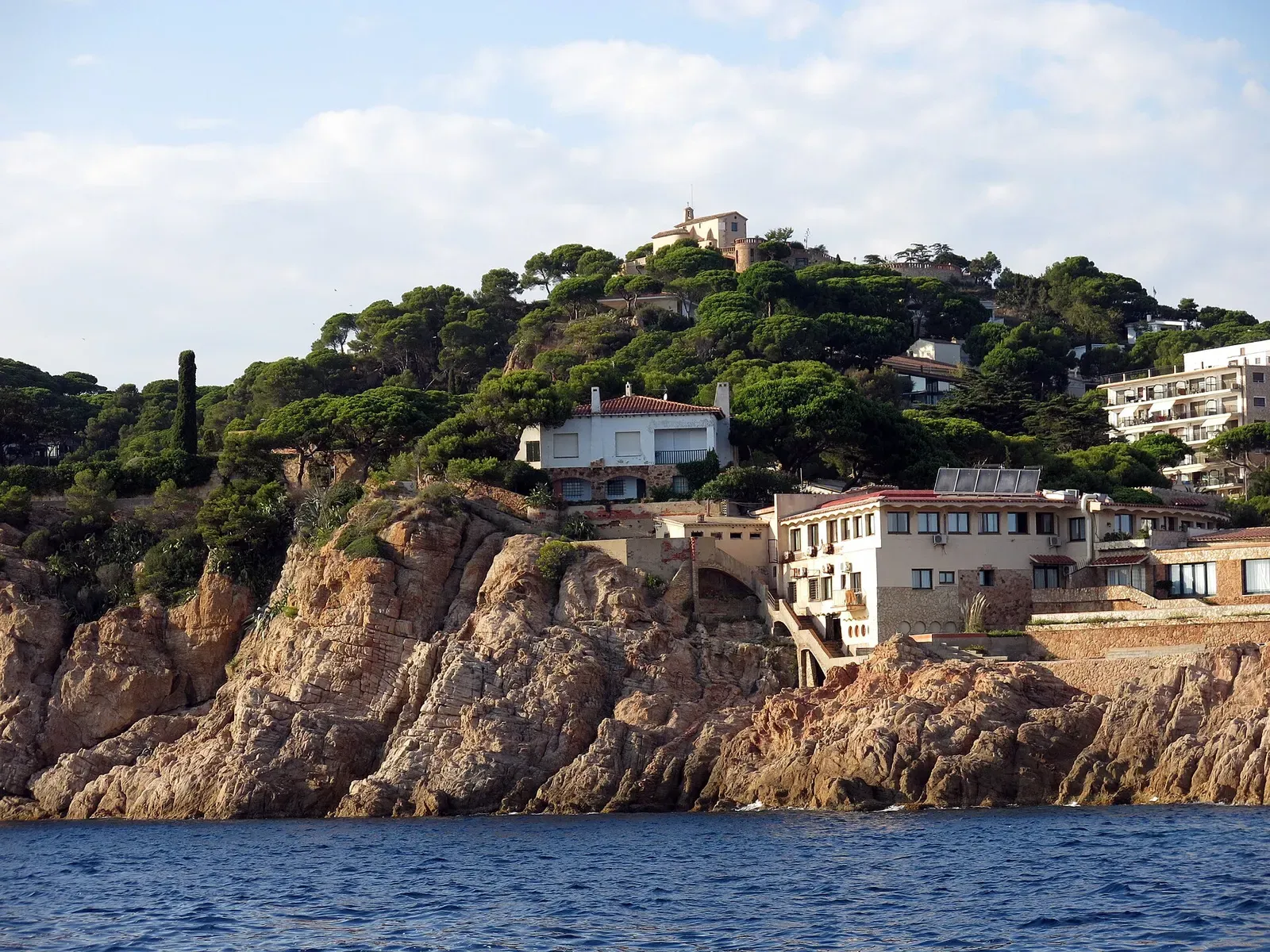
A protected cove at 5–20 m with passages to swim

One of the area's dive highlights, and an ideal night dive
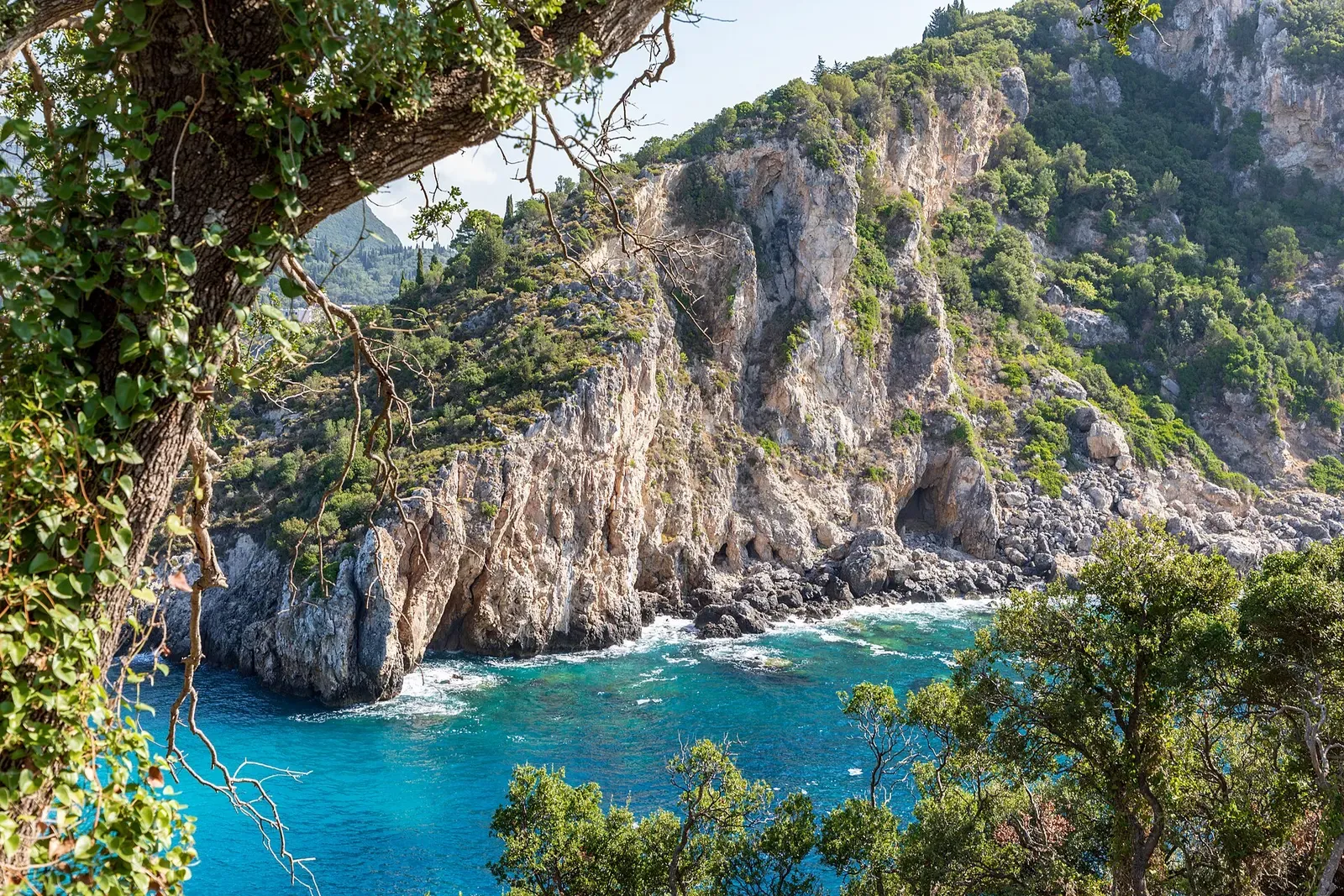
A reef from 1.5 to 30 m with a wreck at 40 m beyond, dived day and night


Alicia mirabilis anemones out on the boulders at night