
A rock reef off Mononaftis where a 400-year-old anchor lies at 32 m. Other anchors, older and newer, are scattered around the same ground, left by the ships that used what was once a popular natural port. The depth puts it at the deep end of the recreational range, so it is a short, planned dive on one feature.
Where it is and how deep
35.4175° N, 25.0218° EPublished position for this site.
The dive
The dive is built around one object. You drop onto the Mononaftis reef and work down the rock to 32 m, where the old anchor lies, four centuries in the water. At that depth no-decompression time is short, so the sensible plan is a straight descent to the anchor rather than sightseeing on the way down, with the looking done once you are on it.
Once you have had your look, the rest of the dive is the shallower reef on the way back. Other anchors lie around the same ground, some older than the big one and some modern, which is the point of the site as much as the anchor itself: this was a natural port that ships used for a long time. Ascend along the rock and keep an eye on gas, because the deep part of the profile is behind you and the shallows will take whatever time is left.
Background
The anchor that gives the site its name is around 400 years old and lies on the reef at 32 m. It is not alone: the ground around it holds other anchors, some older still and some recent, left by ships that anchored here over centuries. Taken together they are the evidence that this bay worked as a natural port long before anyone dived it.
Marine life and season
The sources we used don't single out particular species here.
| Jan | Feb | Mar | Apr | May | Jun | Jul | Aug | Sep | Oct | Nov | Dec |
|---|---|---|---|---|---|---|---|---|---|---|---|
| Fair | Fair | Fair | Good | Good | Prime | Prime | Prime | Prime | Prime | Good | Fair |
Season follows Crete: April to November is the season, warmest from July to September; the summer meltemi can blow out the exposed north-coast sites for a day or two at a time.
Know before you go
- At 32 m the no-decompression clock runs fast; agree a bottom time and a turn pressure before you drop rather than working it out at the anchor.
Sources
- Big Anchor — Scubago — Scubago
More dive sites in Crete
Fossil dwarf-elephant bones in a chamber that still holds air
Wreck
A 183 m troopship in 20 m of water, with no current on it
Cave & cavern
Light beams across a drowned cave hung with intact dripstone
Cave & cavern
Shallow swim-throughs a short swim from a pebble beach
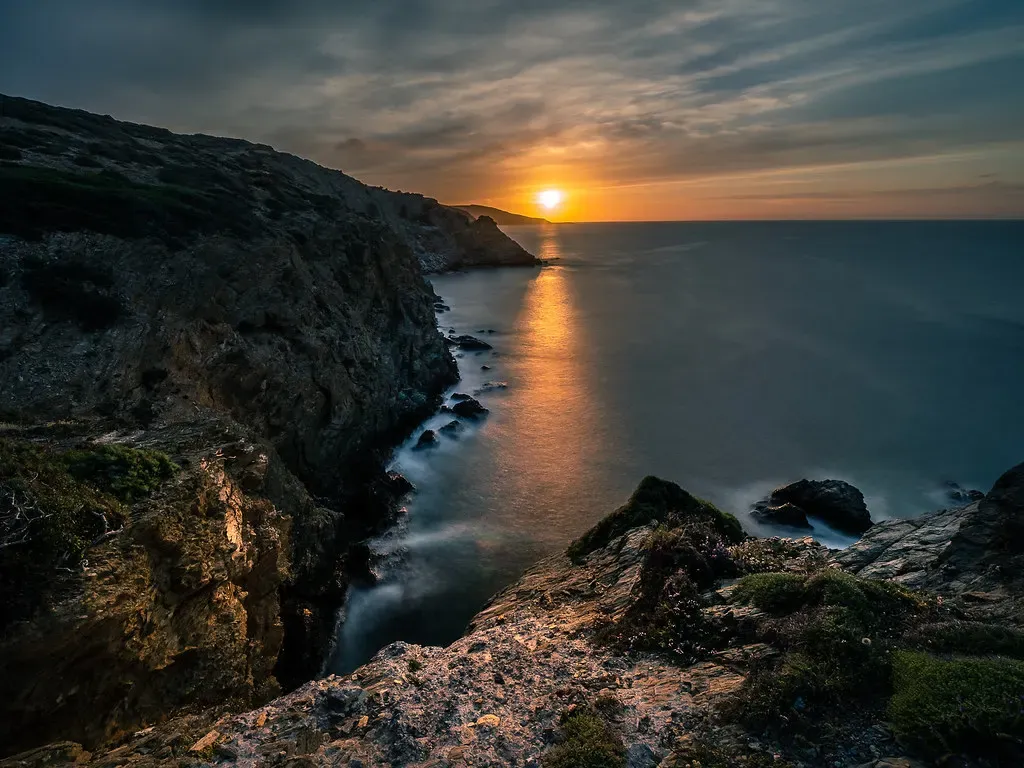
Barracuda circling over a reef 50 m off the beach
Cave & cavern
A fixed rope up a siphon into an air pocket inside the cliff
Reef
A tunnel entered at 14 m that lets you out at 8 m
Wall
A wall from the surface to past 60 m, in clear water
Similar dives elsewhere
Reef
Backyard
Byblos, Amchit & Batroun · Lebanon
A rocky training site suited to all diving courses
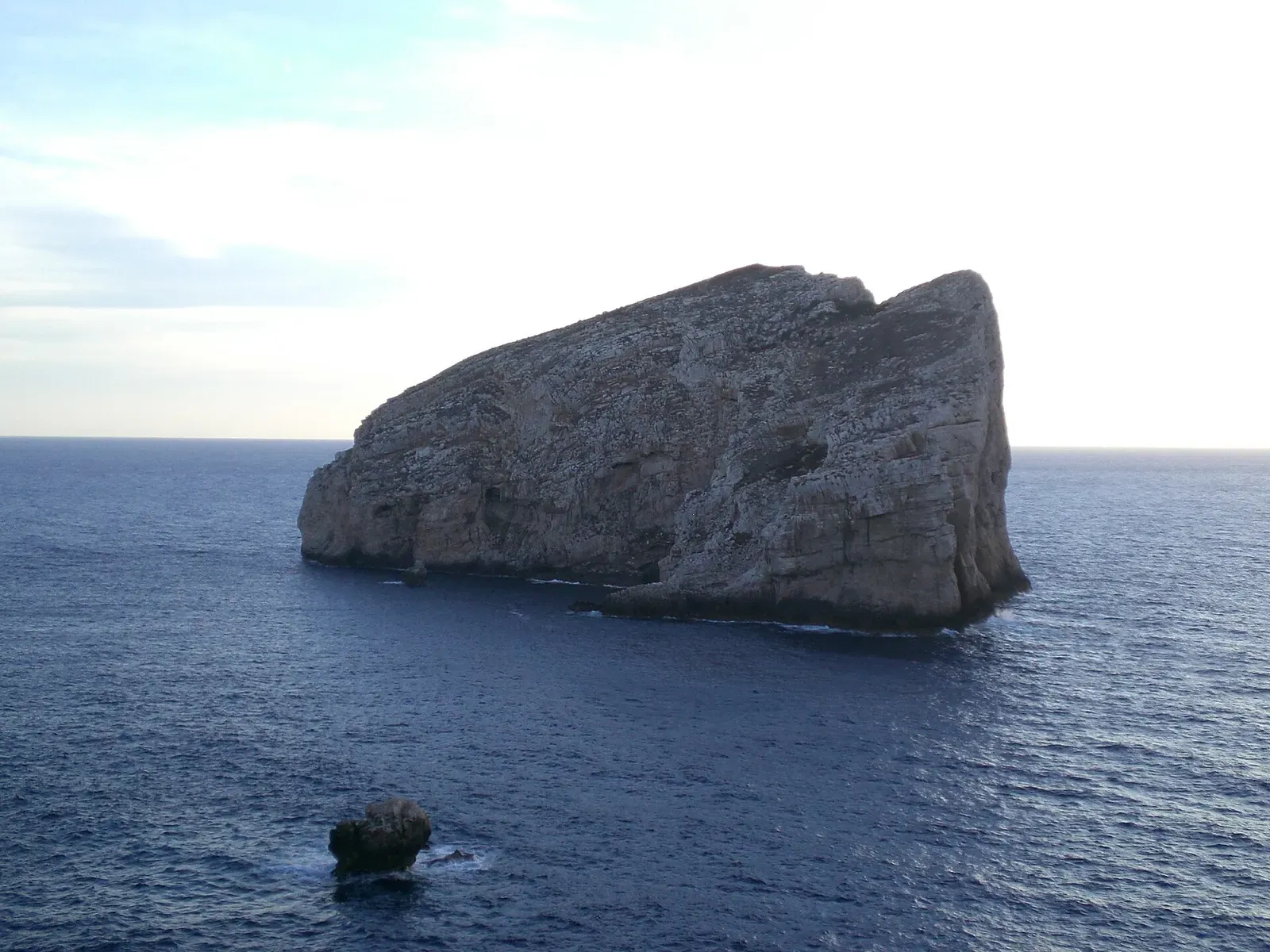
Two rock towers on a 30 m bottom, and a wall passage at 5 m
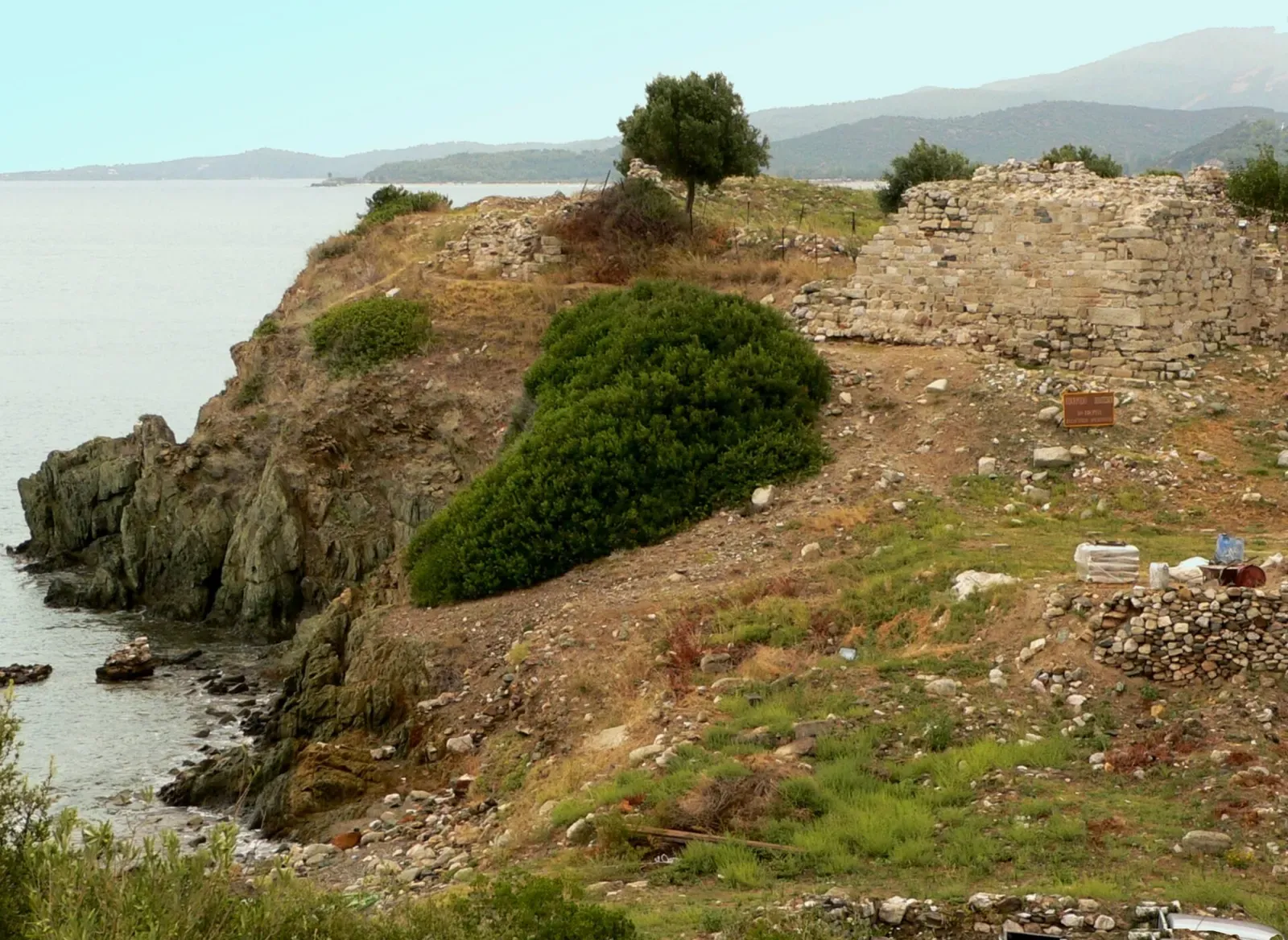
A mushroom-shaped reef from 3 m to 33 m in the open Aegean
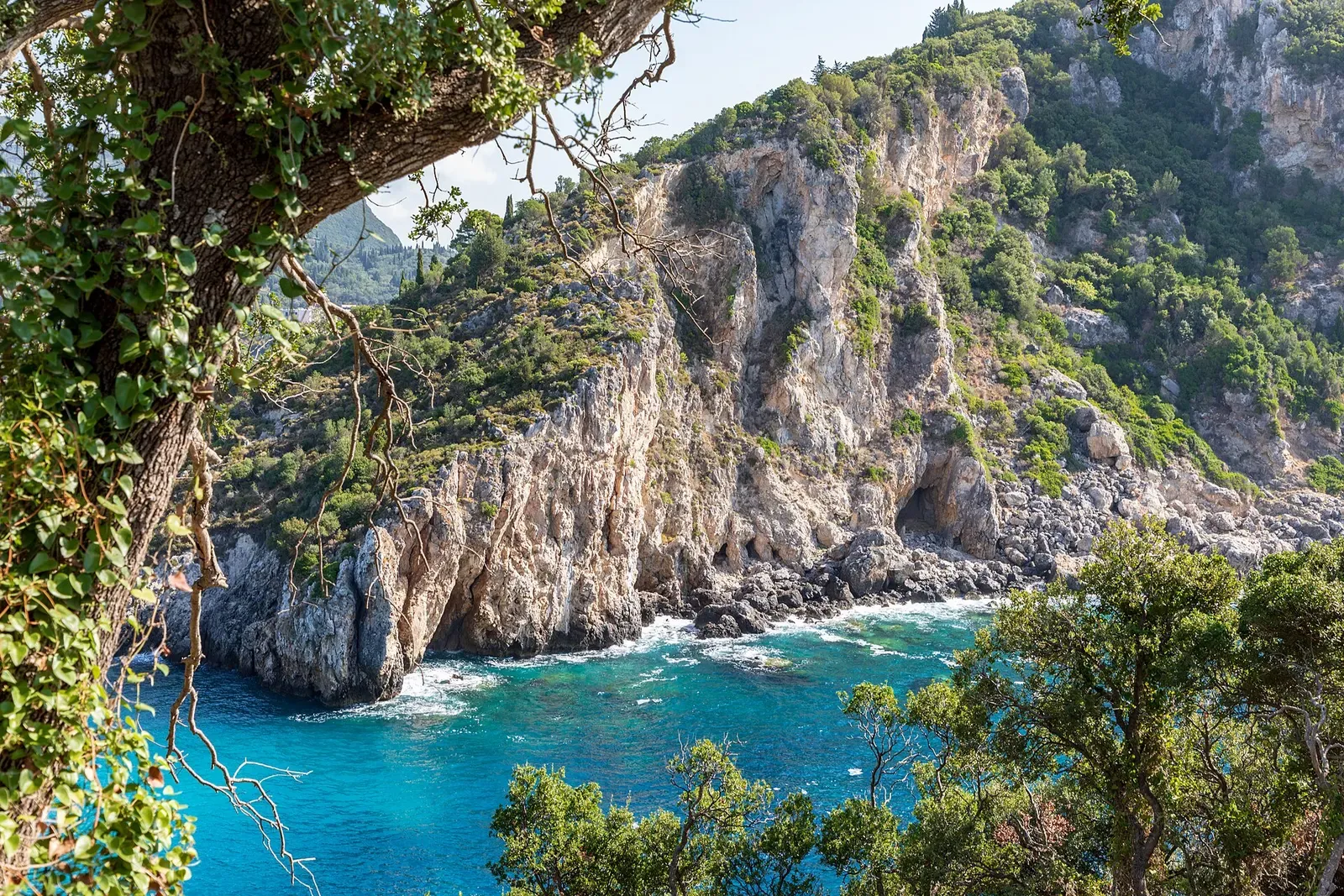
A beach-entry house reef by the Nissaki marina, averaging 12 m