
A limestone cave on the open coast of Cape Drapano, just outside Souda Bay, whose entrance sits between 3.5 and 10 m and is about 9 m wide. A tunnel of roughly 40 m leads in to a chamber that still holds air, its roof 13 m above the water and hung with stalactites, and the rock below carries the fossilised bones of a dwarf elephant. Operators run out by boat from Chania, Marathi or Almyrida.
Also known as Spilia Elefantas, Cave of the Elephants.
Where it is and how deep
35.4692° N, 24.2439° EApproximate position — the dashed circle shows where the site lies; your operator's briefing has the mooring.
The dive
The entrance is a gap in the rock between 3.5 and 10 m, about 9 m wide, and shallow enough that you are still in daylight when you reach it. Divers go in behind a guide with torches lit. From there the passage runs roughly 40 m into the cliff, opening gradually rather than all at once, so the interior chambers arrive in stages as the light from the entrance falls away behind you.
The passage climbs, and at the end of it the surface flattens out inside the rock: an air-filled chamber whose highest point stands 13 m above the water, hung with stalactites and stalagmites that formed when this was dry ground. The fossil bed is in the rock itself, vertebrae, teeth and tusks of a dwarf elephant estimated at around 60,000 years old, with dwarf deer remains identified alongside them.
Outside the cave the rock is worth the rest of the tank. Octopus sit back in the crevices, moray eels and cardinalfish use the cracks, and sea bream, damselfish, painted comber and rainbow wrasse work the open rock, with shrimp, hermit crabs, starfish and purple and black urchins down in the smaller holes. Visibility on this coast often exceeds 30 m, so the return along the wall stays bright.
Background
The cave was found by a spearfisher on the open coast of Cape Drapano, just outside Souda Bay; accounts date the discovery to 1999 or 2000. What he had swum into was a cave that had been dry land, its stalactites and stalagmites built in air and later drowned by rising sea level. The bones held in the rock belong to the Cretan dwarf elephant, described as Palaeoloxodon chaniensis, and are estimated at around 60,000 years old; dwarf deer remains have been identified alongside them.
Marine life and season
- Octopus & cuttlefish
- Macro critters
| Jan | Feb | Mar | Apr | May | Jun | Jul | Aug | Sep | Oct | Nov | Dec |
|---|---|---|---|---|---|---|---|---|---|---|---|
| Fair | Fair | Fair | Good | Good | Prime | Prime | Prime | Prime | Prime | Good | Fair |
Season follows Crete: April to November is the season, warmest from July to September; the summer meltemi can blow out the exposed north-coast sites for a day or two at a time.
Know before you go
- The entrance faces open water and the site closes out in northerly winds, so the dive is booked on the forecast rather than the calendar.
- Beyond the entrance you are in an overhead environment in the dark: stay with the guide, keep torches lit and hold your buoyancy off the formations.
Photos from Elephant Cave
nsyll · CC BY 2.0
nsyll · CC BY 2.0
Dive videos
The Most Beautiful Cave Dive in Europe | Elephant Cave, Crete · Divemaster Austin on YouTube
Elephant Cave Crete complete dive inwards - Paradise Dive Center · Dive_Travel_Adventure on YouTube
Elephant Cave | Blue Adventures Diving & Snorkeling - Chania, Crete - Greece · Blue Adventures Diving LTD on YouTube
Questions divers ask
How deep is the Elephant Cave dive?+
Published figures differ. PADI lists a maximum of 8 m, one operator's profile for the site goes to 18 m, and the entrance itself is between 3.5 and 10 m deep. Depth is not what makes the dive demanding; the overhead section beyond the entrance is.
Do I need a cave certification for the Elephant Cave?+
No. Operators list Open Water and above. What they ask for is good buoyancy control and comfort in an overhead environment, because the interesting part of the dive is inside the rock.
Sources
- Elephant Cave | Chania Diving — Chania Diving
- Dive site: Elephant cave (North coast - Georgioupolis) — Evelin Divers
- Elephant Cave Diving in Chania — Omega Divers Chania
- Elephant Cave In Chania: Everything Divers Should Know — Blue Adventures Diving
- Elephant cave dive site | PADI — PADI
- Elephant Cave (Spilia Elefantas) — Diving in Chania | DiveOne — DiveOne Club
- Best Dive Sites in Crete, Greece: A Diver's Guide — Diveline
- Palaeoloxodon creutzburgi — Wikipedia
Photo credits
- Divers silhouetted in the wide blue-lit entrance of Elephant Cave off Cape Drapano by nsyll, CC BY 2.0, via Openverse
- Divers with torchlight exploring the tunnel inside Elephant Cave by nsyll, CC BY 2.0, via Openverse
- Stalactites hanging in the dark inner chamber of Elephant Cave by nsyll, CC BY 2.0, via Openverse
In The Logbook
- Where to dive in every month of the yearTrip planning · 14 min read
- Cavern and cenote diving without cave trainingCaves & caverns · 8 min read
More dive sites in Crete
Reef
A 400-year-old anchor at 32 m, with more scattered around it
Wreck
A sugar carrier lost in 1985, lying in 12-16 m
Cave & cavern
A fixed rope up a siphon into an air pocket inside the cliff
Seagrass, sand and rock in 7 m, straight off the beach
Reef
Cool, fresh-fed water over rocky patches to 15 m
Wall
A vertical wall dropping to 40 m, 15 minutes out by boat
Reef
A tunnel entered at 14 m that lets you out at 8 m
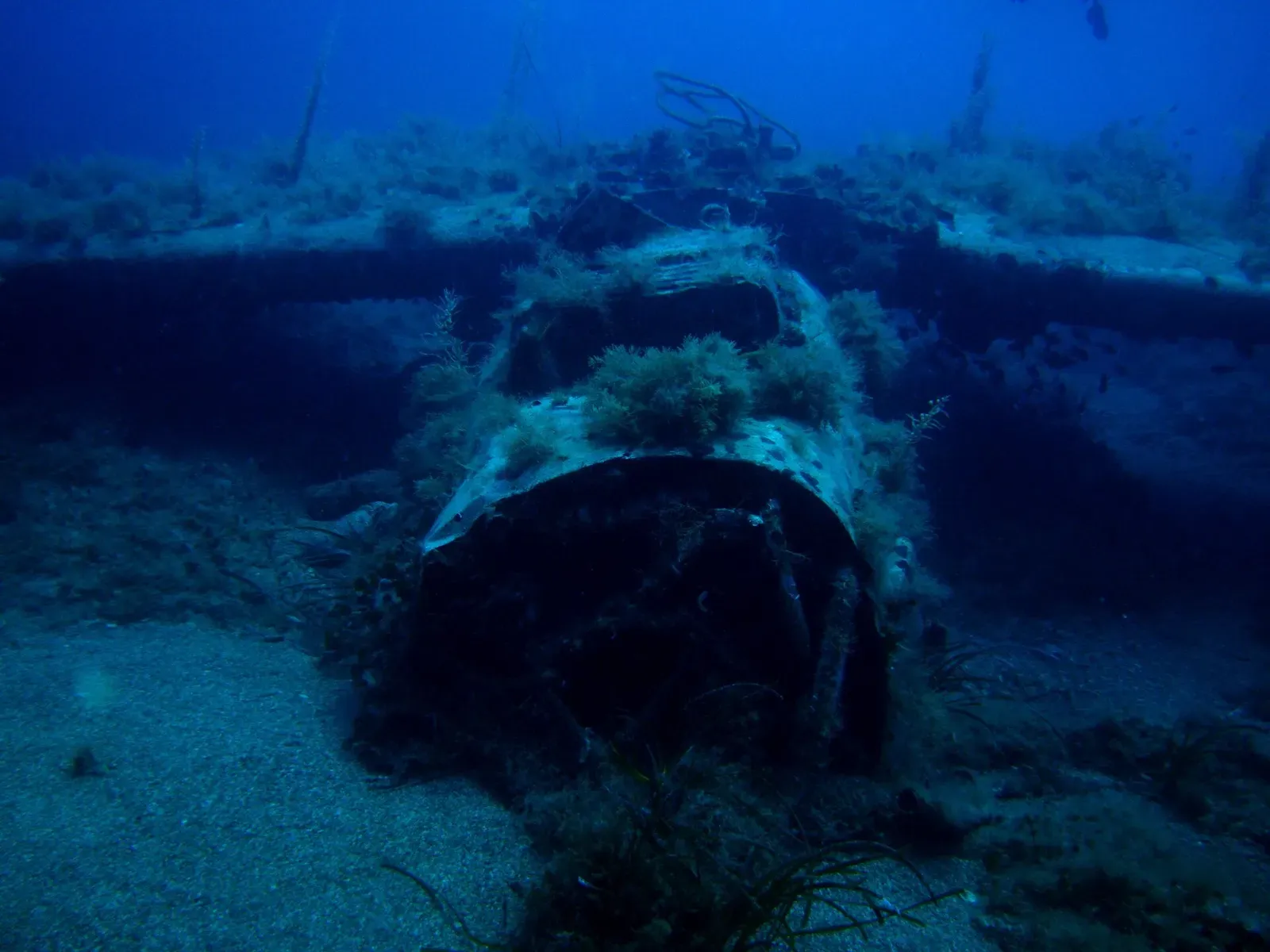
A Bf 109 upside down on sand, its guns and ammunition still in place
Similar dives elsewhere
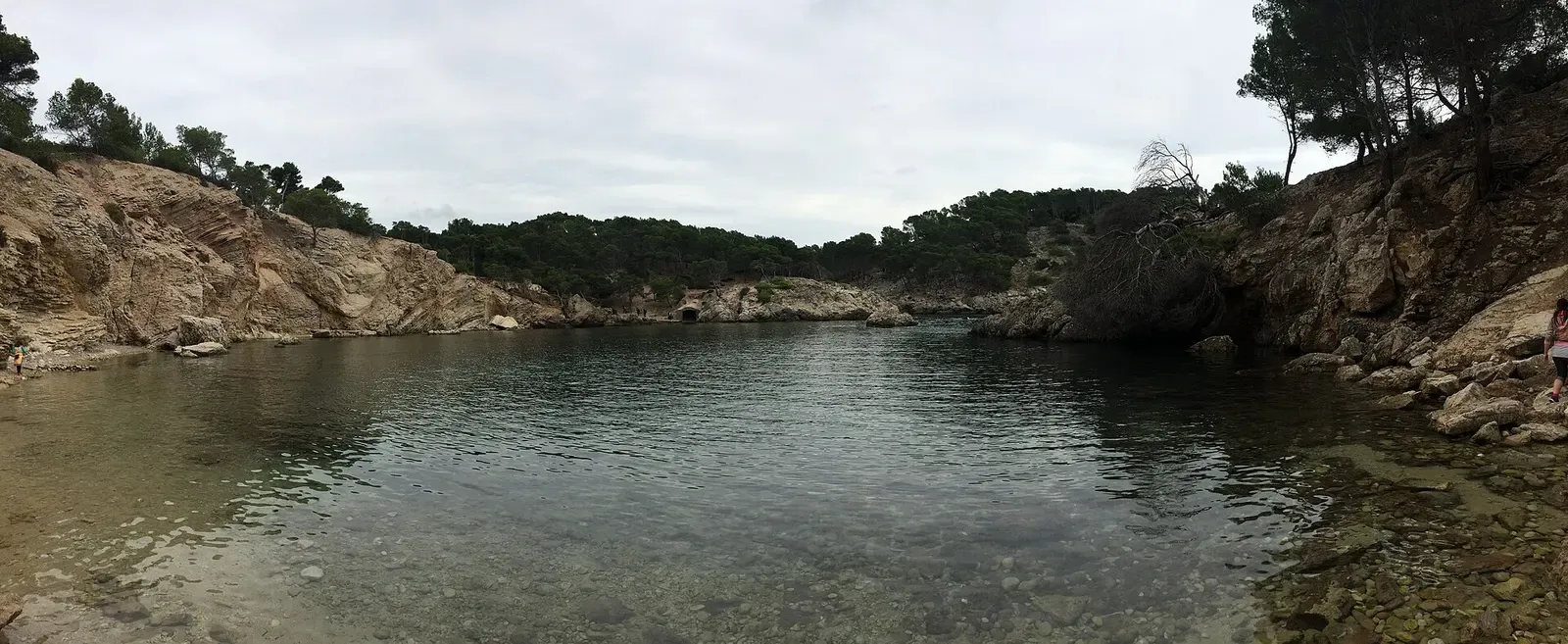
A 30 m tunnel through the cliffs from 6 m, plus a cavern with an air bubble
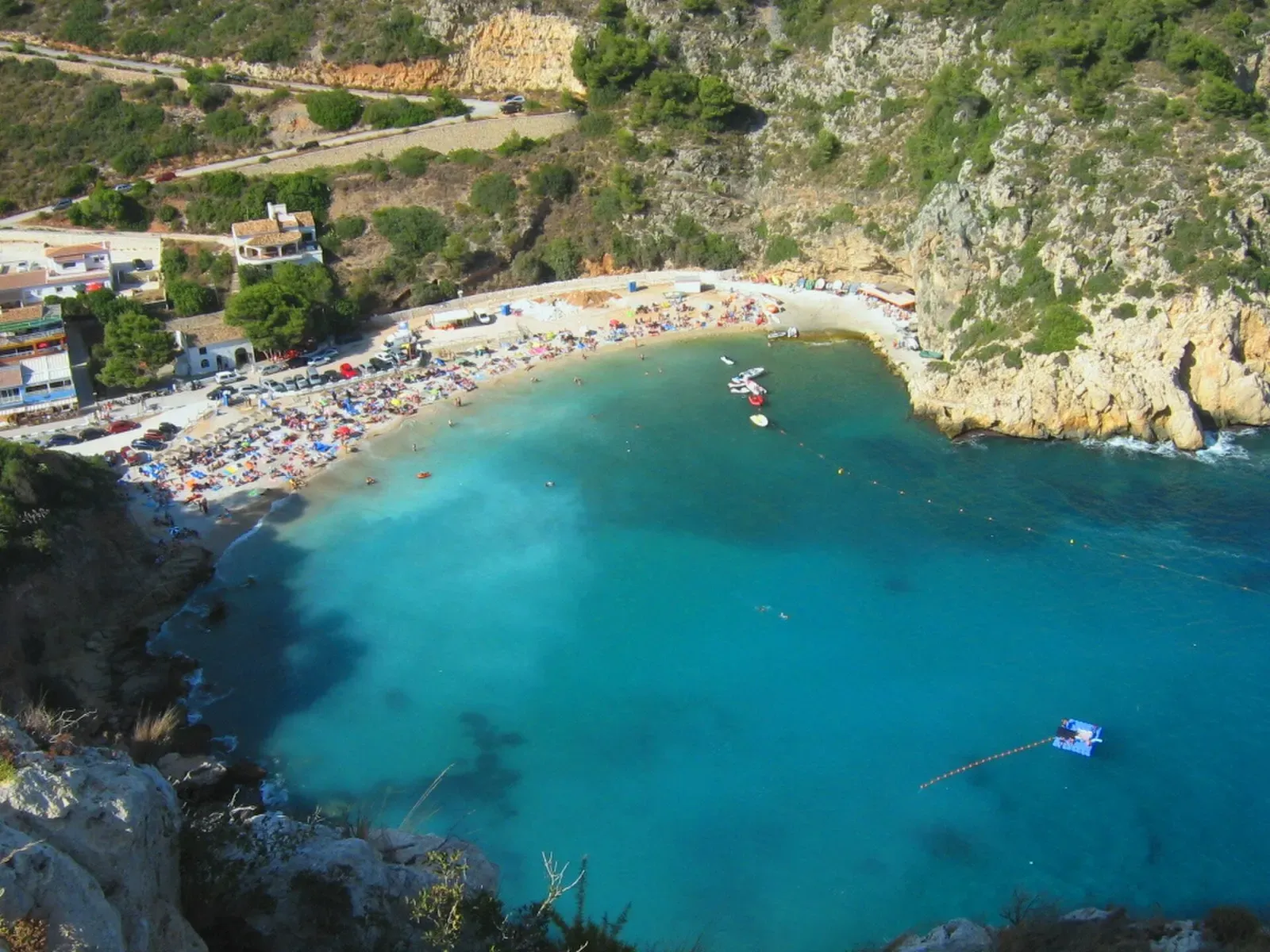
A 50 m training cavern at 17 m, 15 minutes from Moraira port
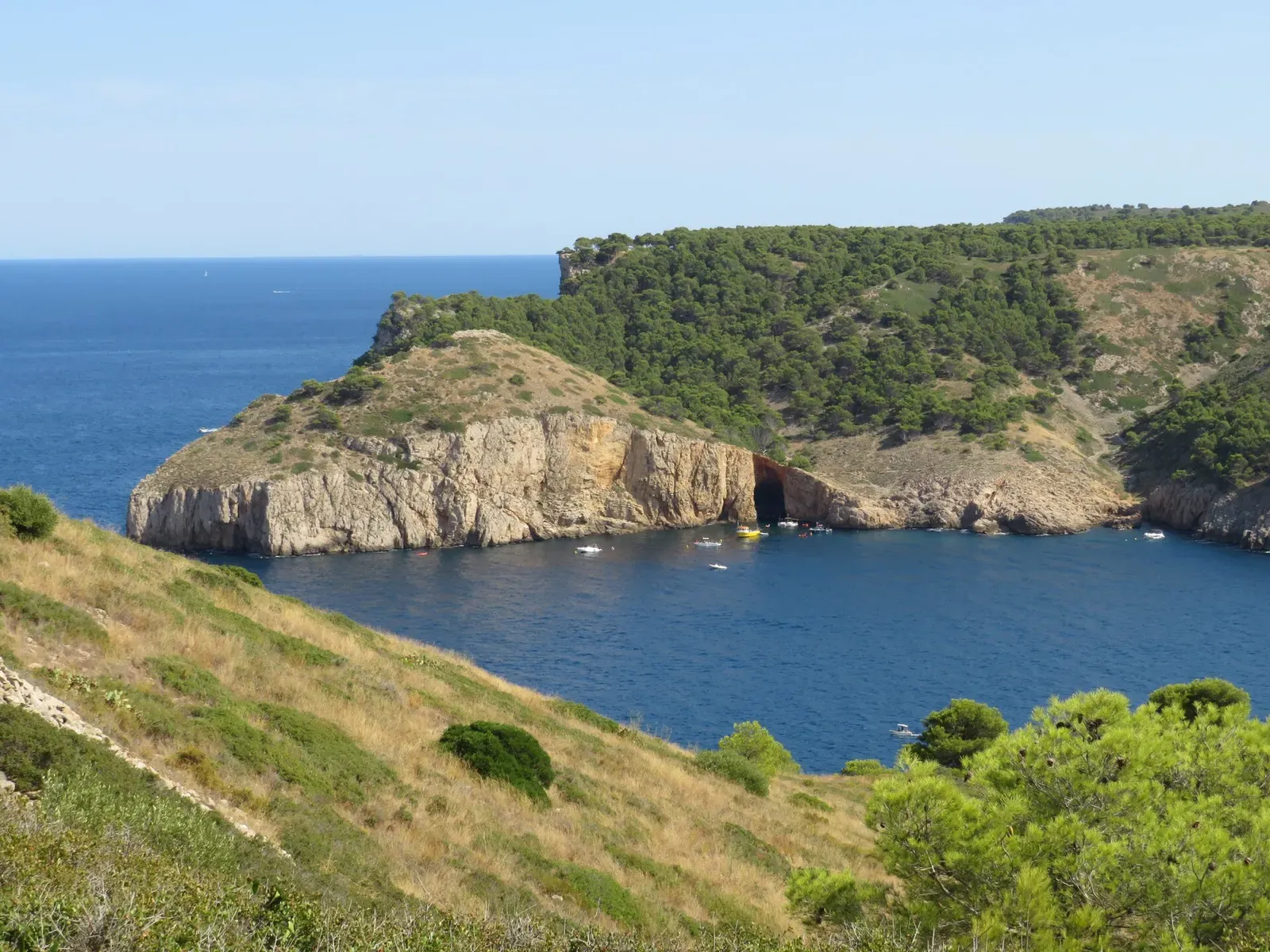
An air dome at the end of the first cave
Cave & cavern
Cave of Georgitsis
Ios & Folegandros · Greece
Ancient stalactites in an air pocket at the back of the cave