
Crete's diving is built on caves and wartime metal. The Elephant Cave near Chania was dry land during the last ice age and still holds the fossil bones of an extinct dwarf elephant; divers swim a 40 m tunnel from an entrance at about 10 m and surface inside a stalactite chamber. The Minnewaska, a First World War troopship, lies at the mouth of Souda Bay, a Messerschmitt Bf 109 rests upside down on sand off Anissaras, and the limestone coast is cut with caverns, arches and walls.
About diving in Crete
Crete is about 260 km long, and its diving falls into three centres that no single base covers: Chania in the west, the Heraklion and Agia Pelagia coast in the middle, and Plakias on the south coast facing the Libyan Sea. Most dives are guided boat trips on short runs. RHIBs reach the Chania caves in 10 to 30 minutes from Chania, Marathi or Almyrida, and El Greco Cave is a few minutes off the beach at Agia Pelagia. The standard Chania day pairs Elephant Cave with the Minnewaska wreck just around the cape. In the south the diving is from the shore, with Shinaria bay as the main base for the Plakias centres.
The limestone of the White Mountains carries on below the waterline, and it is cut with caverns that were dry caves before the sea rose over them. Their stalactites and stalagmites formed in air and are still intact. In Elephant Cave a 40 m tunnel leads to a chamber where divers surface under the dripstone, beside the fossil bones of an extinct dwarf elephant. At the Cathedral, fresh water seeping from the rock sets up haloclines that blur the view and drop the temperature by about a degree. Outside the caves the rock falls in walls and boulder slopes, with groupers, moray eels, scorpionfish and octopus in the cracks.
The metal spans two world wars and the present day. The Minnewaska, a 183 m liner turned troopship, struck a mine off Souda Bay in 1916 and was run aground; salvage later flattened her into a spread of plates and machinery. The Messerschmitt Bf 109 off Anissaras is popularly tied to the 1941 Battle of Crete, although its variant was built later. The newest wrecks are deliberate: the municipality of Apokoronas has scuttled the navy tug Nestor and, in June 2026, the landing ship Folegandros at about 25 m, beside 44 artificial reefs, to make Greece's first organised wreck-diving park.
It suits divers who come for geology and history rather than big animals, and mixed groups, since the reefs, the Minnewaska and the shallow training bays are Open Water ground while El Greco Cave and the Messerschmitt give experienced divers a step up. The fish life is modest and some dives are quiet, so divers after pelagics or colourful reef should look elsewhere. A week with two bases, Chania and then Heraklion or Agia Pelagia, covers the best of it. For another Greek island with caverns and wartime wrecks, Paros and Naxos in the Cyclades is the nearest alternative.
Best time to dive Crete
| Jan | Feb | Mar | Apr | May | Jun | Jul | Aug | Sep | Oct | Nov | Dec | |
|---|---|---|---|---|---|---|---|---|---|---|---|---|
| Season | Fair | Fair | Fair | Good | Good | Prime | Prime | Prime | Prime | Prime | Good | Fair |
| Sea surface | 17°C63°F | 16°C61°F | 16°C61°F | 17°C63°F | 20°C68°F | 24°C75°F | 26°C79°F | 27°C81°F | 26°C79°F | 23°C73°F | 21°C70°F | 19°C66°F |
| Daytime high | 18°C64°F | 18°C64°F | 20°C68°F | 24°C75°F | 29°C84°F | 31°C88°F | 32°C90°F | 31°C88°F | 31°C88°F | 28°C82°F | 24°C75°F | 20°C68°F |
| Rain | 88 mm3.5 in | 67 mm2.6 in | 46 mm1.8 in | 21 mm0.8 in | 16 mm0.6 in | 9 mm0.4 in | 4 mm0.2 in | 6 mm0.2 in | 18 mm0.7 in | 36 mm1.4 in | 48 mm1.9 in | 79 mm3.1 in |
| Jan | Feb | Mar | Apr | May | Jun |
|---|---|---|---|---|---|
| Fair | Fair | Fair | Good | Good | Prime |
| Sea surface | |||||
| 17°C63°F | 16°C61°F | 16°C61°F | 17°C63°F | 20°C68°F | 24°C75°F |
| Daytime high | |||||
| 18°C64°F | 18°C64°F | 20°C68°F | 24°C75°F | 29°C84°F | 31°C88°F |
| Rain | |||||
| 88 mm3.5 in | 67 mm2.6 in | 46 mm1.8 in | 21 mm0.8 in | 16 mm0.6 in | 9 mm0.4 in |
| Jul | Aug | Sep | Oct | Nov | Dec |
|---|---|---|---|---|---|
| Prime | Prime | Prime | Prime | Good | Fair |
| Sea surface | |||||
| 26°C79°F | 27°C81°F | 26°C79°F | 23°C73°F | 21°C70°F | 19°C66°F |
| Daytime high | |||||
| 32°C90°F | 31°C88°F | 31°C88°F | 28°C82°F | 24°C75°F | 20°C68°F |
| Rain | |||||
| 4 mm0.2 in | 6 mm0.2 in | 18 mm0.7 in | 36 mm1.4 in | 48 mm1.9 in | 79 mm3.1 in |
2011–2025 averages. Sea surface: NOAA Coral Reef Watch, measured at the surface, so deeper water can run colder. Daytime high and rain: NASA POWER.
April and May open the season with the sea still at 16 to 19 °C, so a 7 mm suit is the norm. June to October is the prime run: the water averages about 23 °C in June, 26 °C in July and August and 25 °C in September, and a 5 mm suit is enough in high summer. From mid-May to mid-September the meltemi, the dry north wind of the Aegean, can blow out the exposed north-coast sites for a day or two at a time, the Cathedral and Dia Island first. Operators then fall back on the sheltered mouth of Souda Bay, and Shinaria on the south coast, shielded by the bulk of the island, almost always stays diveable. November still holds water near 20 °C, though late in the season many resort hotels and restaurants close. From December to March the sea bottoms out near 16 °C in February.
Best months: June, July, August, September, October
Crete water temperature and weather by month
The sea surface runs from 16 °C (61 °F) in February to 27 °C (81 °F) in August. It is 24 °C (75 °F) or warmer from June to September. Most rain falls from November to March, peaking at about 90 mm (3.5 in) in January; it stays largely dry from April to September. Daytime highs reach 32 °C (90 °F) in July and drop to 18 °C (64 °F) in January. The coldest water here is about 16 °C (61 °F), so pack a 7 mm suit with a hood, or a semi-dry.
Dive types & marine life
The life is small and worth hunting: dusky groupers under ledges, octopus and cuttlefish in the rubble, nudibranchs and macro on the rock, shoals of small fish over the boulders and barracuda higher in the water. Sea turtles turn up occasionally, at Shinaria among other places. June to October is the reliable window, and night dives are when the cephalopods come out.
- Cave & cavern
- Wall
- Wreck
- Reef
- Night
- Groupers
- Octopus & cuttlefish
- Nudibranchs
- Reef fish swarms
- Barracuda
- Sea turtles
- Macro critters
Best dive sites in Crete
- 1
Elephant Cave
A 40 m tunnel off Cape Drapano to an air chamber hung with dripstone and dwarf-elephant fossils.
- 2
The Cathedral
Drowned dry cave in the Akrotiri cliff, 14 to 21 m, with intact stalactites and haloclines.
- 3
El Greco Cave
Advanced cavern at Agia Pelagia entered at 17 m, with a roped siphon up into an air pocket.
- 4
Messerschmitt Bf 109 Wreck
German fighter upside down on sand off Anissaras at 24 m; the tail lies 50 m away at 30 m.
- 5
SS Minnewaska
The 183 m troopship mined in 1916, now flattened wreckage in 20 m or less at the mouth of Souda Bay.
- 6
Dia Island (Petalidi)
Walls from 7 m to past 30 m at an uninhabited Natura 2000 island off Heraklion; calm days only.
- 7
Shinaria Beach
South-coast shore dive with a drop-off, canyons and a cavern, sheltered from the north wind.
- 8
R/K Nestor
Navy tug scuttled at about 16 m as the first wreck of the Apokoronas diving park east of Chania.
Site guides
Reef
A 400-year-old anchor at 32 m, with more scattered around it
Wreck
A sugar carrier lost in 1985, lying in 12-16 m
Cave & cavern
A fixed rope up a siphon into an air pocket inside the cliff
Fossil dwarf-elephant bones in a chamber that still holds air
Seagrass, sand and rock in 7 m, straight off the beach
Reef
Cool, fresh-fed water over rocky patches to 15 m
Wall
A vertical wall dropping to 40 m, 15 minutes out by boat
Reef
A tunnel entered at 14 m that lets you out at 8 m
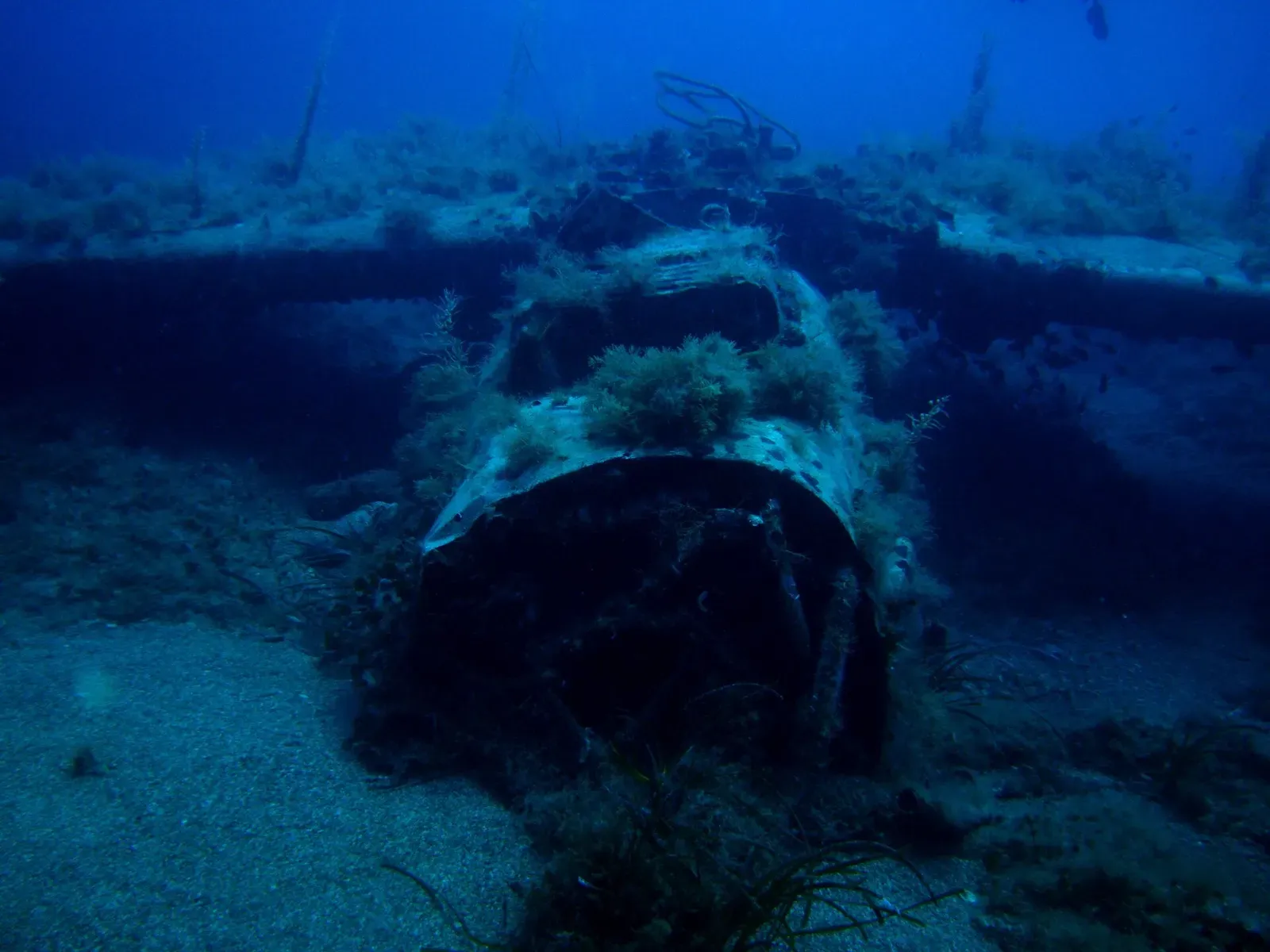
A Bf 109 upside down on sand, its guns and ammunition still in place
Barracuda circling over a reef 50 m off the beach
Wall
A wall from the surface to past 60 m, in clear water
Reef
Amphorae and ancient wreck remains along a 300 m rock
Wreck
A tugboat scuttled at 16 m and opened up for divers
Wall
Drop-off, canyons and a cavern on the Plakias coast
Cave & cavern
Shallow swim-throughs a short swim from a pebble beach
Wreck
A 183 m troopship in 20 m of water, with no current on it
Cave & cavern
Light beams across a drowned cave hung with intact dripstone
How to get to Crete
Chania and Heraklion both have international airports, so a trip can fly into one and out of the other; from overseas the usual connection is through Athens. Most dive centres sit within a short drive of one or the other, and a hire car covers the rest. When the meltemi blows out the north coast, the mouth of Souda Bay and the south-coast bays are the fallbacks.
Photos from Crete
nsyll · CC BY 2.0
nsyll · CC BY 2.0
nsyll · CC BY 2.0
PervyPirate at en.wikipedia · Public domain
Dive videos
Crete, Diving Elephant Cave - Just amazing! · Mostly Water on YouTube
WE CAN'T BELIEVE THIS EXISTS! | DIVING in ELEPHANT CAVE, CATHEDRAL | Chania, Crete 🇬🇷 · Magnus Ferdinand on YouTube
Questions divers ask
What certification do I need to dive in Crete?+
Open Water covers the reefs, the Minnewaska wreck and a guided trip into Elephant Cave, whose entrance is shallow and keeps daylight in view. El Greco Cave, with its roped siphon, and the Messerschmitt at 24 to 30 m are advanced dives. All cavern dives here are guided.
How warm is the sea around Crete?+
The sea averages about 16 °C from February to April and peaks near 26 °C in August, staying around 25 °C through September. A 5 mm wetsuit suits high summer and a 7 mm the shoulder months. The caverns and haloclines run colder than the open water.
Where should I base myself for diving in Crete?+
Split the trip between two bases. Chania has the caverns, the Minnewaska and the new Apokoronas wreck park; Heraklion or Agia Pelagia has El Greco Cave, the Messerschmitt and day trips to Dia Island. Plakias covers the south-coast shore diving at Shinaria.
Is the Messerschmitt wreck in Crete from the Battle of Crete?+
Probably not, despite the local story. The airframe is identified as a Bf 109 G-6, a variant not built until the spring of 1942, so it cannot have come down in the 1941 fighting. When and why it crashed is not documented.
What happens to the diving when the meltemi blows?+
The dives move rather than stop. The summer north wind shuts the exposed north-coast sites, but the mouth of Souda Bay usually stays diveable, and Shinaria on the south coast, sheltered by the island, almost always does.
Sources
- Best Dive Sites in Crete, Greece: A Diver's Guide — Diveline
- The ultimate Guide to Crete Diving — The Very Hungry Mermaid
- Best Places to Dive: Cave of Elephants – Crete, Greece — Greater Cleveland Aquarium
- Elephant cave dive site — PADI
- SS Minnewaska (1908) — Wikipedia
- An Aegean Wreck: The German Warplane that Chronicles the Battle of Crete — EasyDive24
- Greece Scuttles Navy Vessels for New Scuba Diving Park in Crete — GreekReporter
- Decommissioned Landing Ship Sunk for Shipwreck Diving Park Off Crete — To Vima
- Chaniá Sea Temperature: monthly averages — Sea Temperatures
- Etesians — Wikipedia
- Crete — Wikipedia
Photo credits
- Divers silhouetted in the blue entrance of the Elephant Cave by nsyll, CC BY 2.0, via Openverse
- Two divers over rocky reef in clear blue water outside a cavern by nsyll, CC BY 2.0, via Openverse
- Fossilised dwarf elephant remains embedded in cave rock under a dive light by nsyll, CC BY 2.0, via Openverse
- Spiny lobster with banded antennae sheltering beneath a rocky overhang by nsyll, CC BY 2.0, via Openverse
- Overturned Messerschmitt Bf 109 fuselage resting on the sandy seabed off Hersonissos by PervyPirate at en.wikipedia, Public domain, via Wikimedia Commons
Embed
Run a dive centre, club or blog? Embed this map of 12 dive sites near Crete on your own page.
In The Logbook
- Where to dive in every month of the yearTrip planning · 14 min read
- What are thermoclines and haloclines?Ocean science · 8 min read
- What is surge in diving, and how deep it goesOcean science · 8 min read
- Why is the sea blue? Water filters out redOcean science · 7 min read
- Cavern and cenote diving without cave trainingCaves & caverns · 8 min read
- WWII wrecks you can dive, by theatreWrecks · 7 min read
- The best shore dives in the worldShore diving · 8 min read
- Your first wreck dive: what to expect and whereFirst dives · 6 min read
Similar destinations
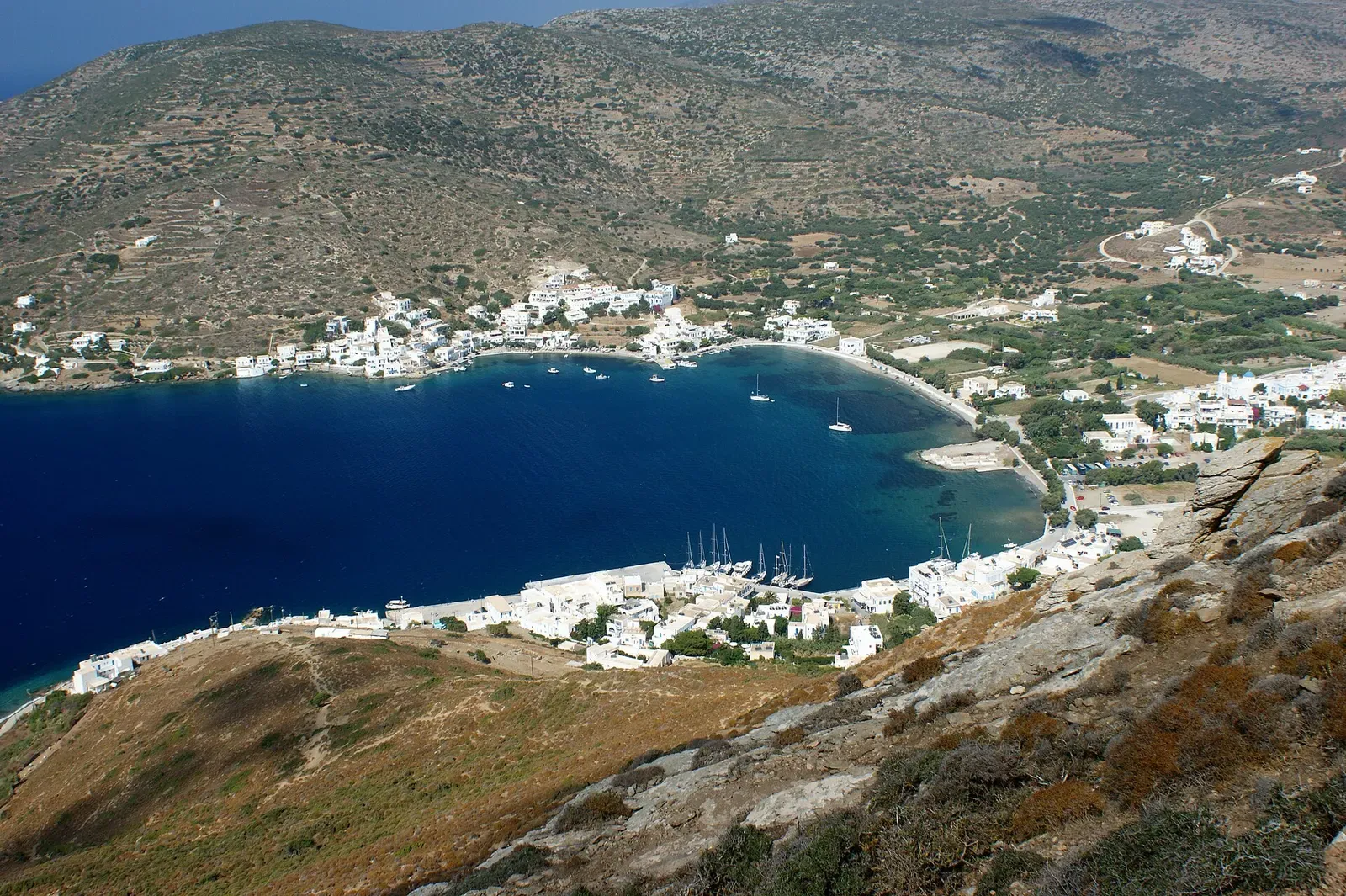
A 40 m wall under the monastery filmed in The Big Blue

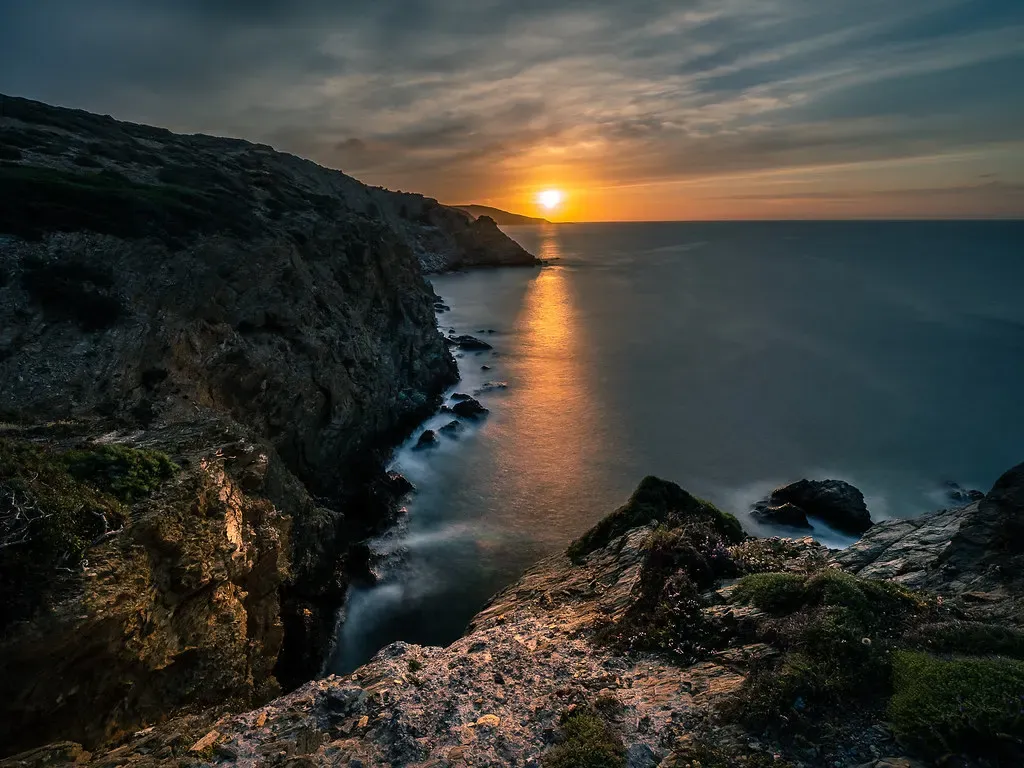
Granite seamounts rising to the surface off Sardinia's south-east corner
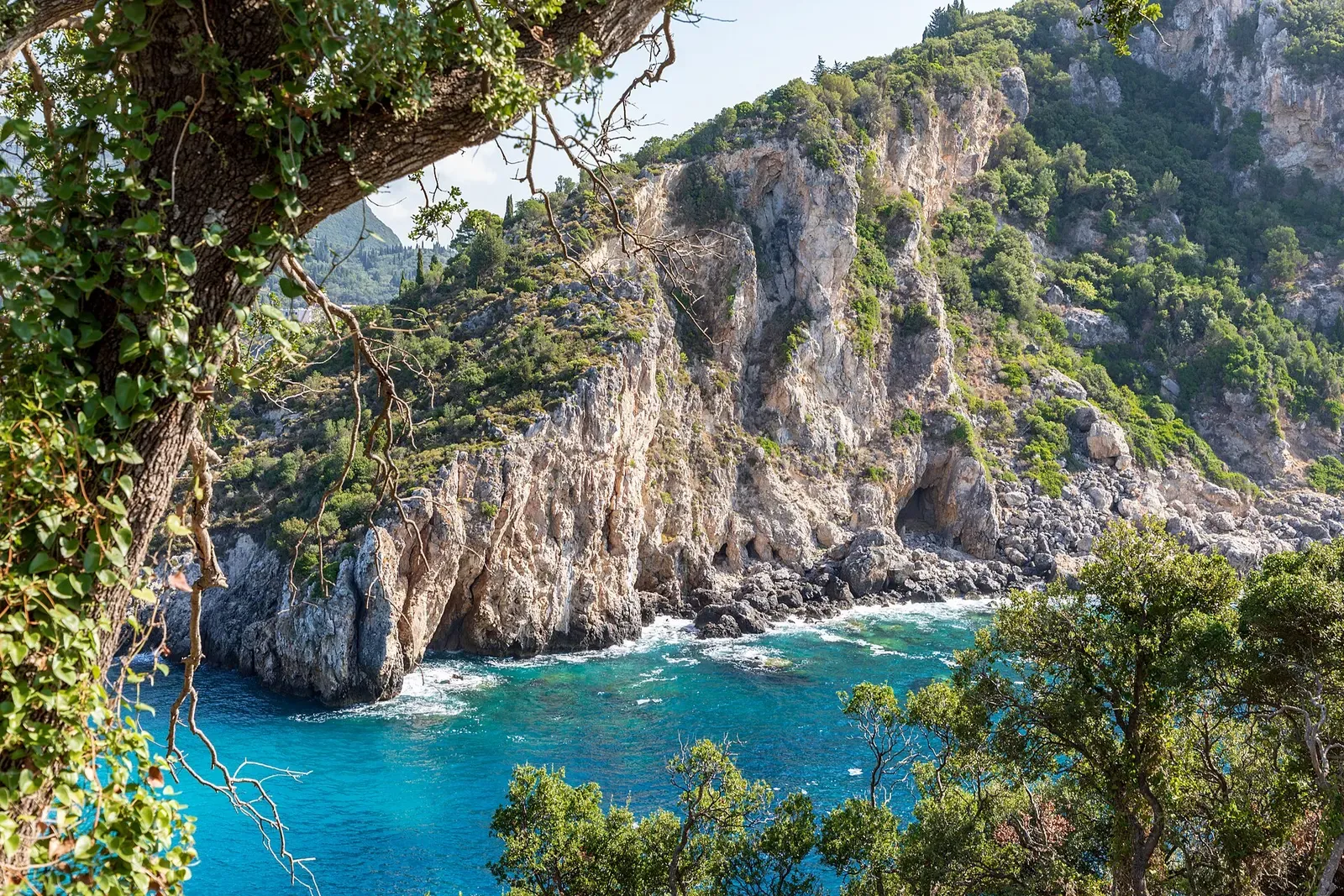
A cluster of cavern dives at Paleokastritsa, wrecks and reefs off the north-east coast
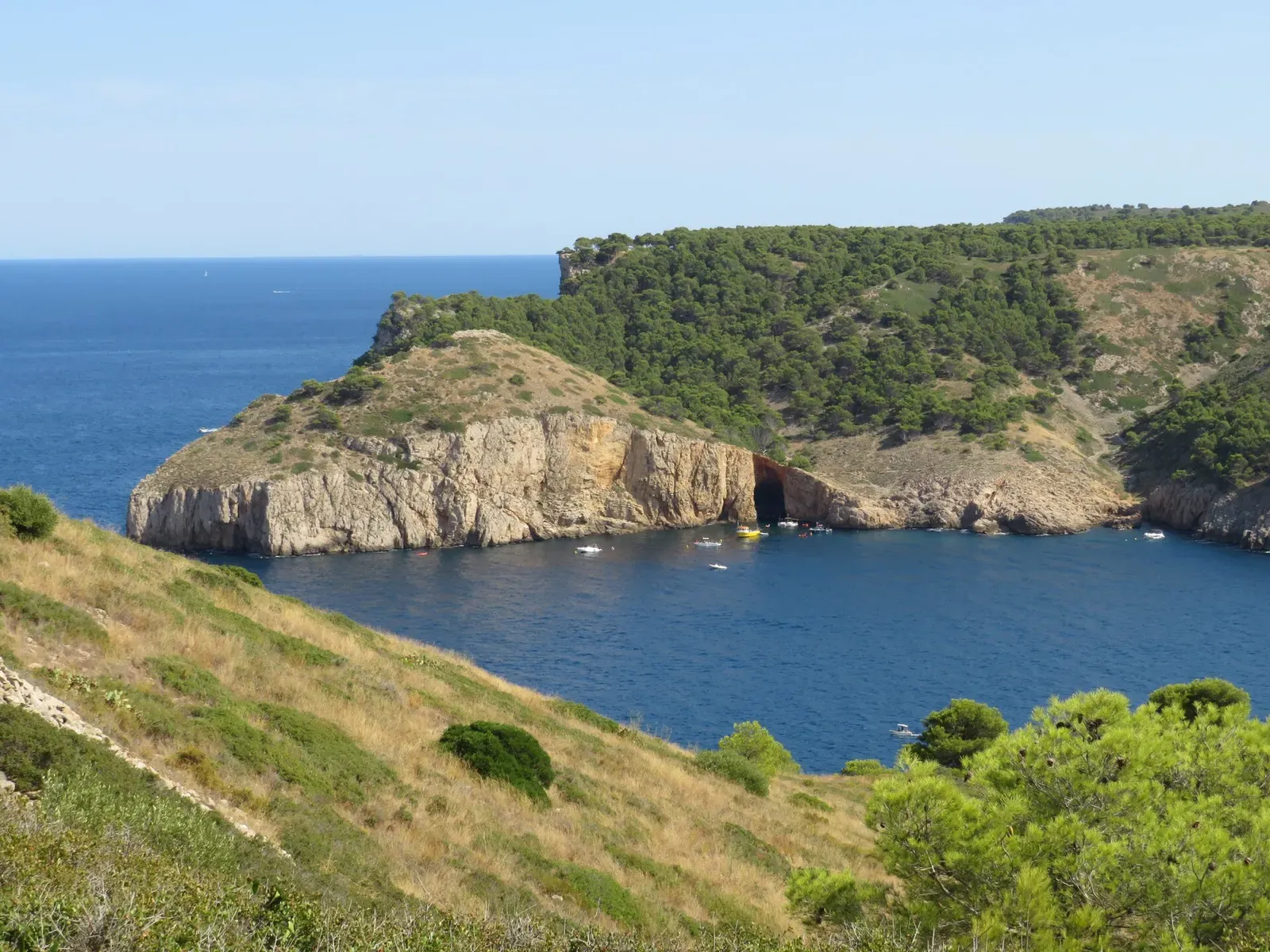

Tunnels, walls and a shallow wreck under the Montgrí cliffs, dived from L'Escala