Dahlak Archipelago · Eritrea · Reef · Artificial reef
Dahlak Kebir
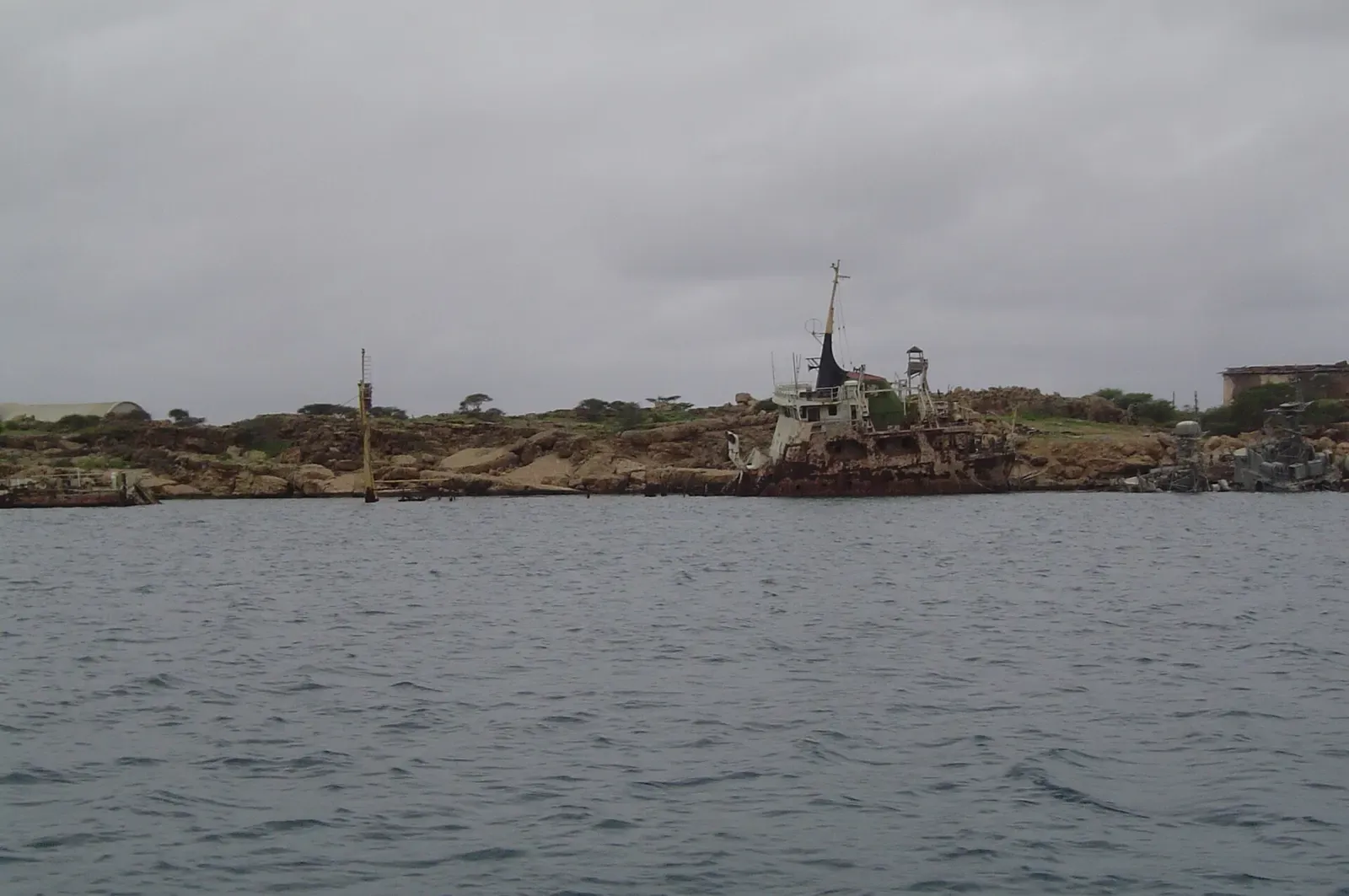
Coral-grown hulls off an island with a 10th-century necropolis
Photo: Amod Photography · CC BY-SA 4.0
Wrecks lie in the water off the archipelago's main island, unnamed by any published source but long enough down to carry coral growth and the fish life that comes with it. That, rather than the surrounding reef, is what a boat anchors here for. Ashore, the western village holds ancient cisterns and a necropolis dating from at least AD 912.
Also known as Dahlak Deset.
Where it is and how deep
15.7225° N, 40.0891° EPublished position for this site.
The dive
A dive here is a dive on steel. The boat anchors over one of the hulls in the water near the island, and what you get is coral growth on a man-made frame with fish working around it rather than the reef structure the northern Red Sea trades on. No published source names any of the wrecks off Dahlak Kebir, so treat whatever a guide calls a given hull as provisional rather than settled.
Away from the hulls the ground is the shallow shelf that runs through the whole archipelago: coral heads scattered on sand and seagrass rather than wall or drop-off. No published figure exists for the depth on any named site here, so the profile is whatever the crew reads off the anchorage that morning, and a sensible one stays well inside recreational limits given how far help is from these islands.
Background
The western village on Dahlak Kebir lies on the west of the island and is known for its ancient cisterns and necropolis, dating from at least AD 912. The hulls in the water are far more recent. When the Soviet Navy left its base on neighbouring Nokra in 1991 it deliberately destroyed what it could not take, leaving many wrecks in the sea near the base and near Dahlak Kebir, which have since attracted coral growth and fish.
Marine life and season
The sources we used don't single out particular species here.
| Jan | Feb | Mar | Apr | May | Jun | Jul | Aug | Sep | Oct | Nov | Dec |
|---|---|---|---|---|---|---|---|---|---|---|---|
| Prime | Prime | Good | Fair | Off-season | Off-season | Off-season | Off-season | Off-season | Good | Prime | Prime |
Season follows Dahlak Archipelago: October-April offers bearable heat and settled seas; in summer air tops 40°C, water can pass 32°C, and no boats run.
Questions divers ask
What is there to dive at Dahlak Kebir?+
Wrecks in the water near the island, which have attracted coral growth and various fish life, plus the shallow reef and seagrass ground that surrounds it. None of the hulls has a published identification, and no source publishes a depth for any of them.
Sources
- Dahlak Kebir — Wikipedia
- Nokra Naval Base — Wikipedia
Photo credits
- Rusting shipwrecks beached on the shore of Dahlak Kebir under an overcast sky by Amod Photography, CC BY-SA 4.0, via Wikimedia Commons
More dive sites in Dahlak Archipelago
Reef
Granite underwater landscape, unlike the rest of the Red Sea
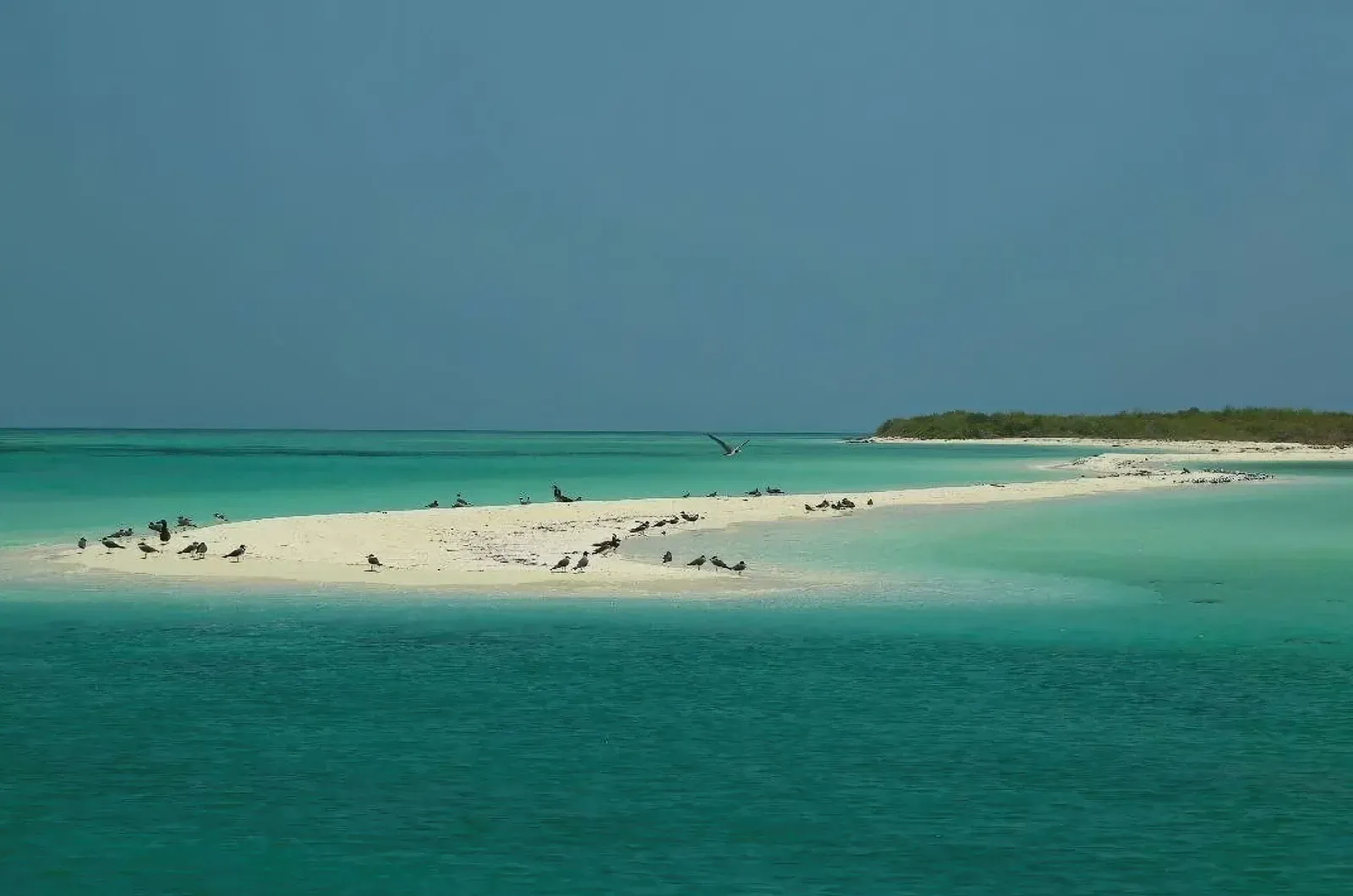
A low island dived on whatever the crew can reach that day
Artificial reef
Hulls left when the Soviet Navy abandoned its base in 1991
Similar dives elsewhere
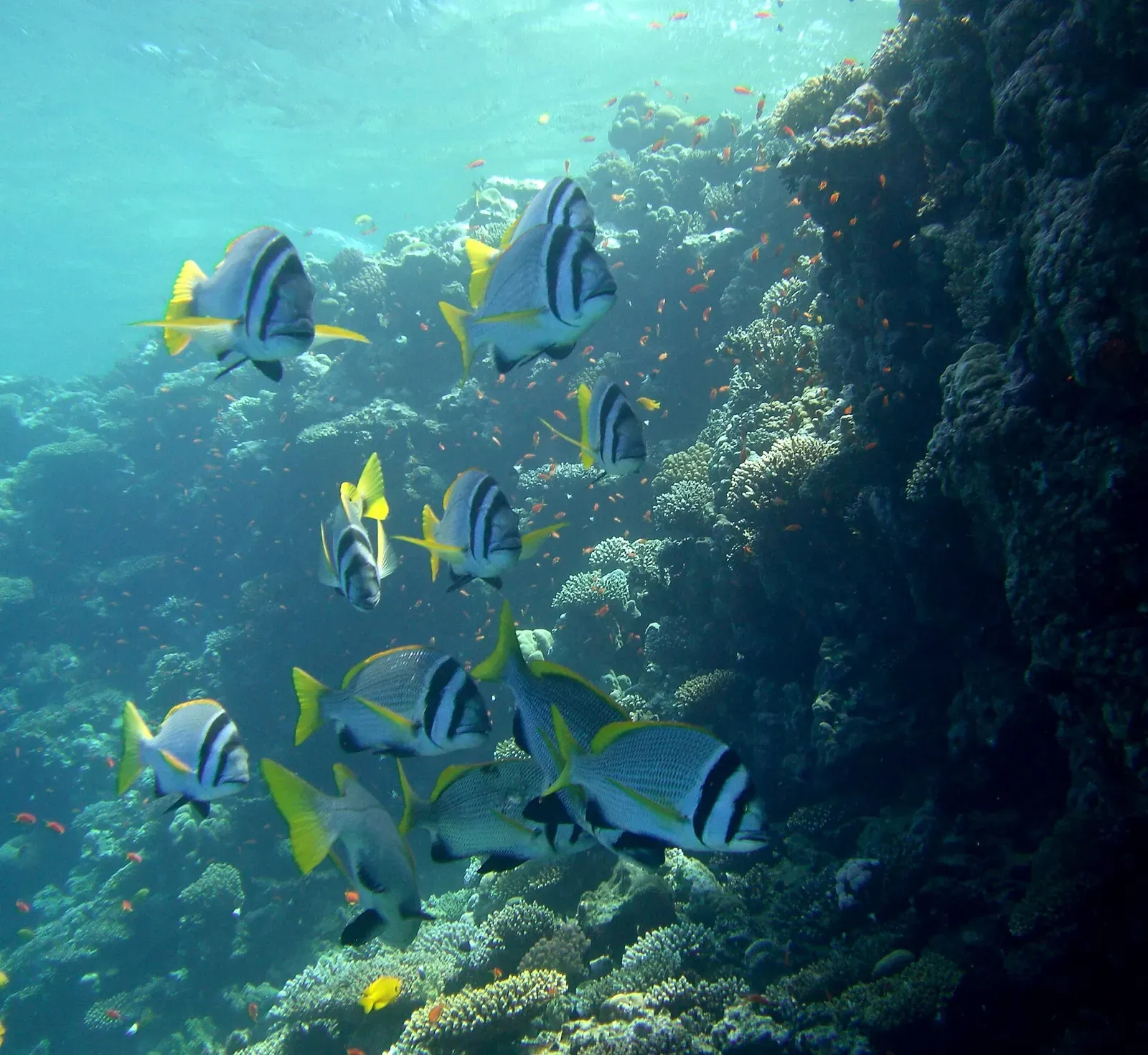
Freediving lines to 40 m and a scrap-metal elephant on the sand

A desalination pipe sheltering crocodilefish and lionfish
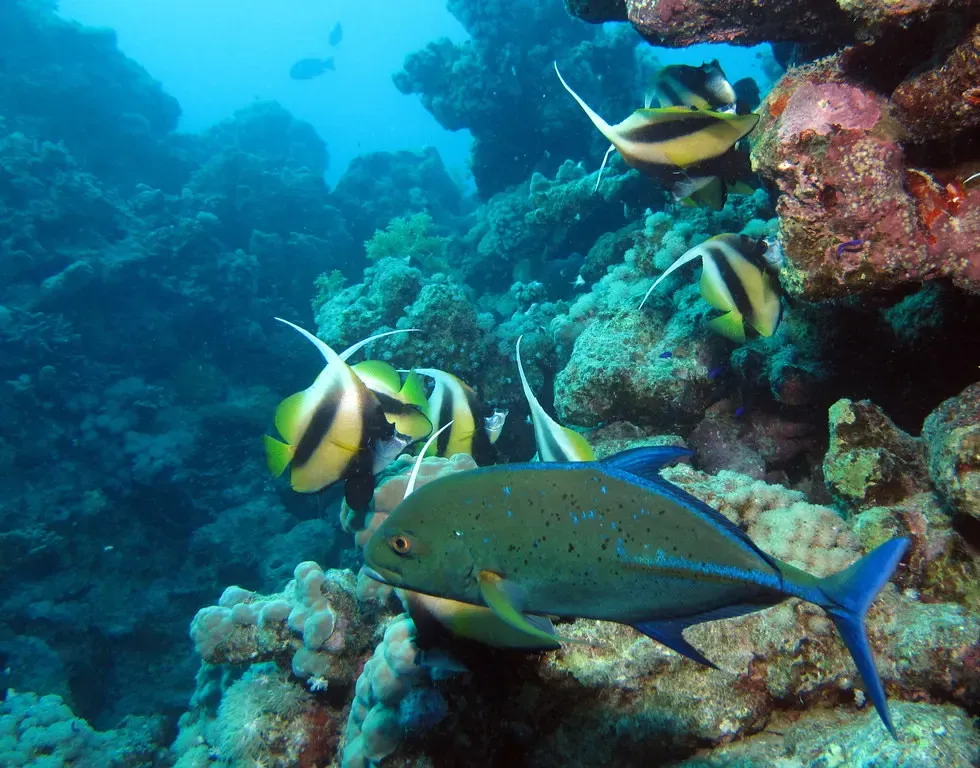
Four small reefs around a lagoon, canyon terrain, mild current

A table-coral channel from the lagoon out to a pelagic drop-off