
The French battleship Bouvet struck a mine on 18 March 1915 as the Allied fleet withdrew from its attempt to force the Dardanelles, and capsized within about two minutes. She lies upside down on the floor of the strait at 68 metres, a technical dive on the park's table and a grave from one of the campaign's defining days.
Also known as French battleship Bouvet.
Where it is and how deep
40.0208° N, 26.2750° EPublished position for this site.
The dive
Bouvet is a technical dive and is treated as one: 68 metres inside the Dardanelles, run on mixed gas with staged decompression and planned around the strait's current. She lies upside down on the sea floor, so the whole profile is over an inverted hull of 122.4 metres and 12,200 tons, and a single dive covers a part of the ship rather than the whole of her. The park's guided-dive rule applies here exactly as it does on the shallow wrecks.
The history is the draw. On 18 March 1915 the Allied fleet tried to force the strait and failed; Bouvet hit a mine while withdrawing from the action and went over within about two minutes, and HMS Irresistible was mined the same day. A Turkish sonar survey in the early 2010s found that a 305 mm shell from an Ottoman shore battery had also struck her at the waterline amidships, so the mine had help. The wreck is a grave: this is a look, not a visit.
The wreck
- Vessel
- Bouvet
- Type
- French pre-dreadnought battleship
- Length
- 122.4 m (402 ft)
- Sunk
- 1915
- Cause
- Mined while withdrawing, with a 305 mm shell hit at the waterline
- Lies
- Upside down on the floor of the Dardanelles at 68 m
Marine life and season
The sources we used don't single out particular species here.
| Jan | Feb | Mar | Apr | May | Jun | Jul | Aug | Sep | Oct | Nov | Dec |
|---|---|---|---|---|---|---|---|---|---|---|---|
| Fair | Fair | Fair | Prime | Prime | Good | Good | Prime | Prime | Good | Fair | Fair |
Season follows Gallipoli: April–May and August–September bring the best conditions; the wrecks can be dived all year.
Know before you go
- Full decompression obligation at 68 m, with no direct ascent and long run times — technical gas planning and support are not optional.
- Divers report strong currents around the Gallipoli wrecks; a dive this deep goes when the operator says the water allows it.
Dive videos
Bouvet · Gallipoli Wrecks Dive Centre on YouTube
Sources
- Gallipoli Wrecks dive site table — Gallipoli Wrecks
- French battleship Bouvet — Wikipedia
- Deep Heritage: cathodic protection for Dardanelles wrecks — Western Front Association
- East Cheshire Sub-Aqua Club Gallipoli trip report — ECSAC
In The Logbook
- Deep wreck diving: where recreational stopsWrecks · 8 min read
More dive sites in Gallipoli
Wreck
Landing barges from 25 April 1915, scattered in 23–25 m
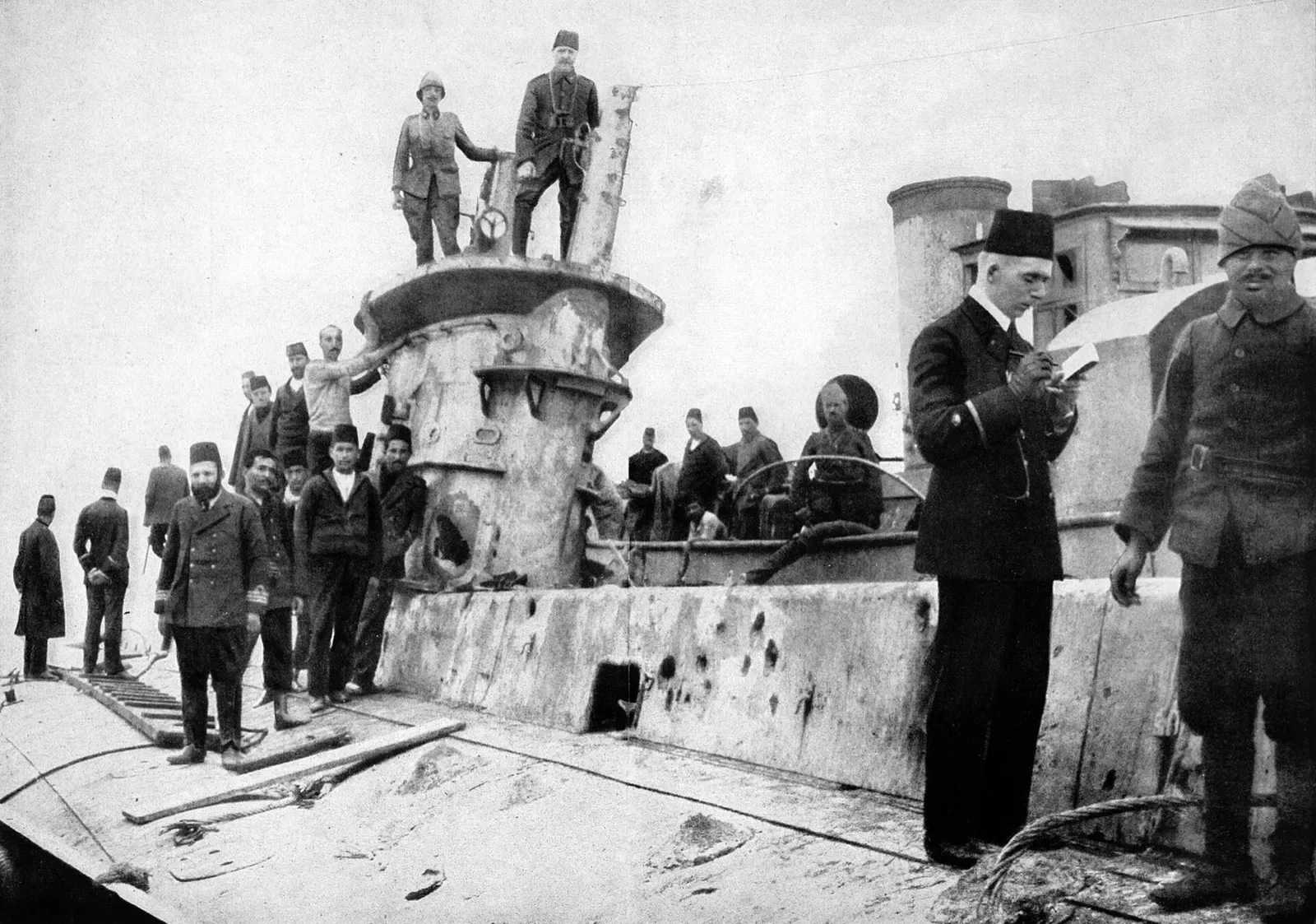
A 1915 British submarine in 8 m off Kepez Point
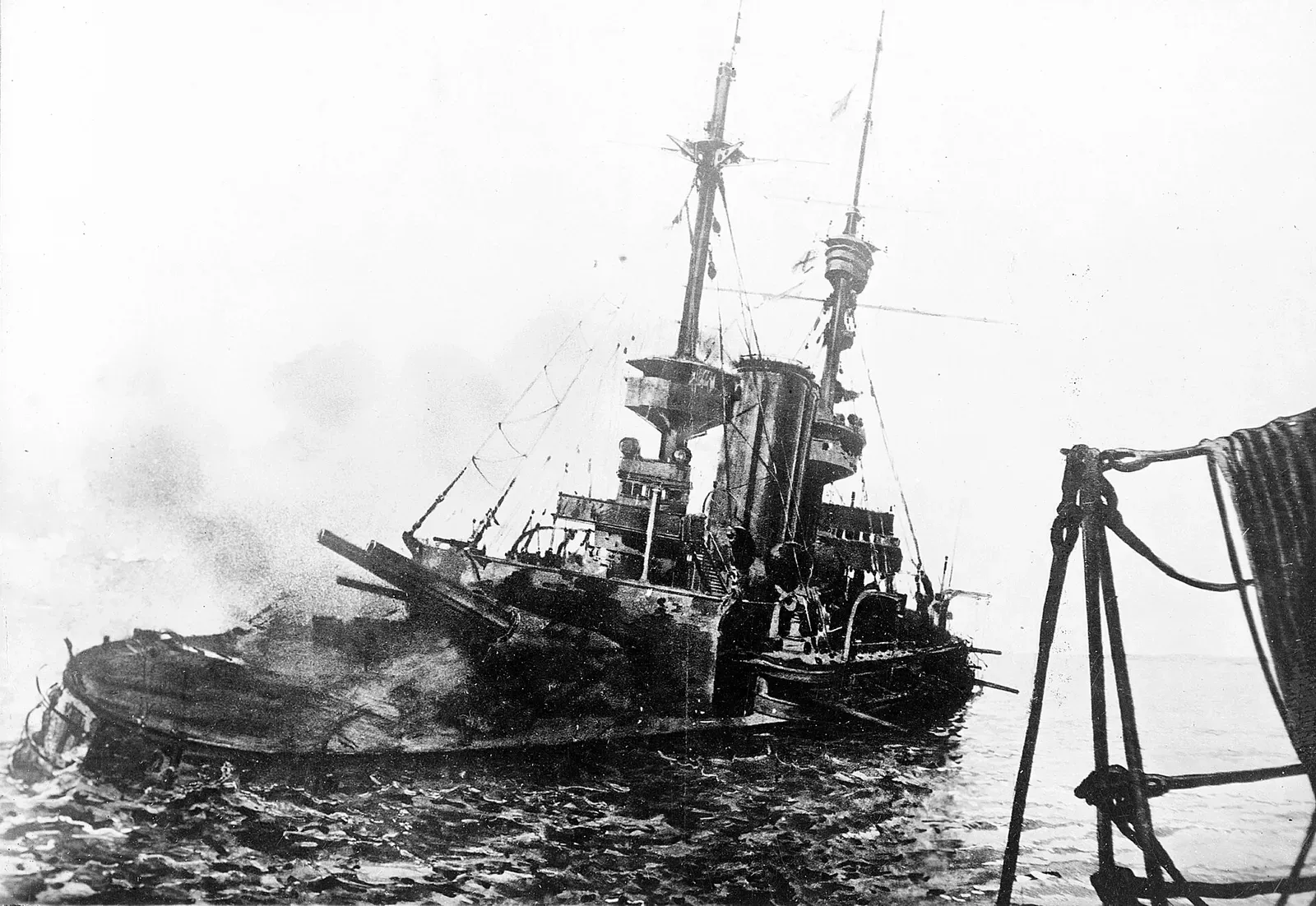
A mined 1898 battleship at 65 m, technical divers only
Four Yarrow boilers standing in 13 m of Suvla Bay sand
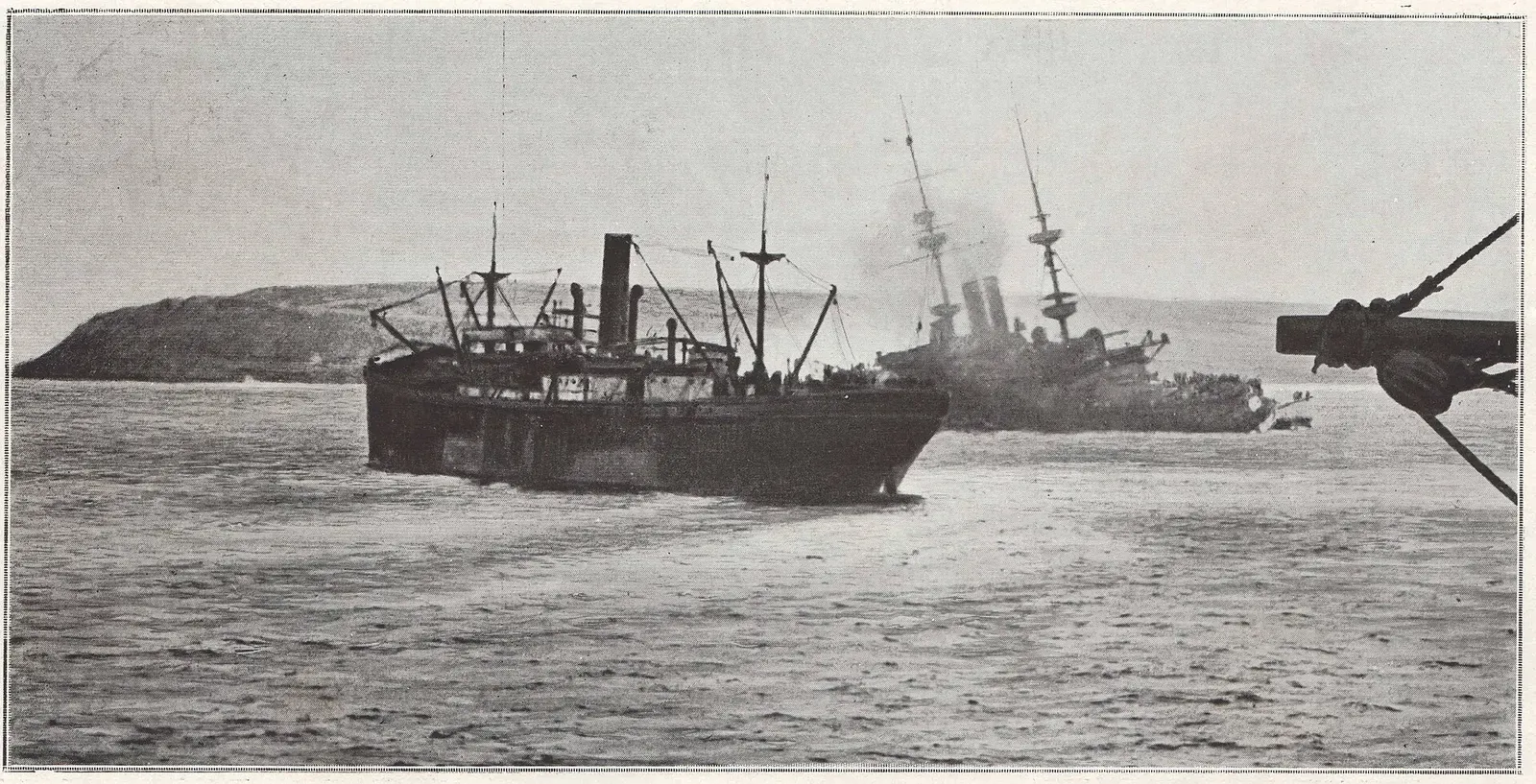
An 1895 battleship lying upside down and largely intact in 23 m
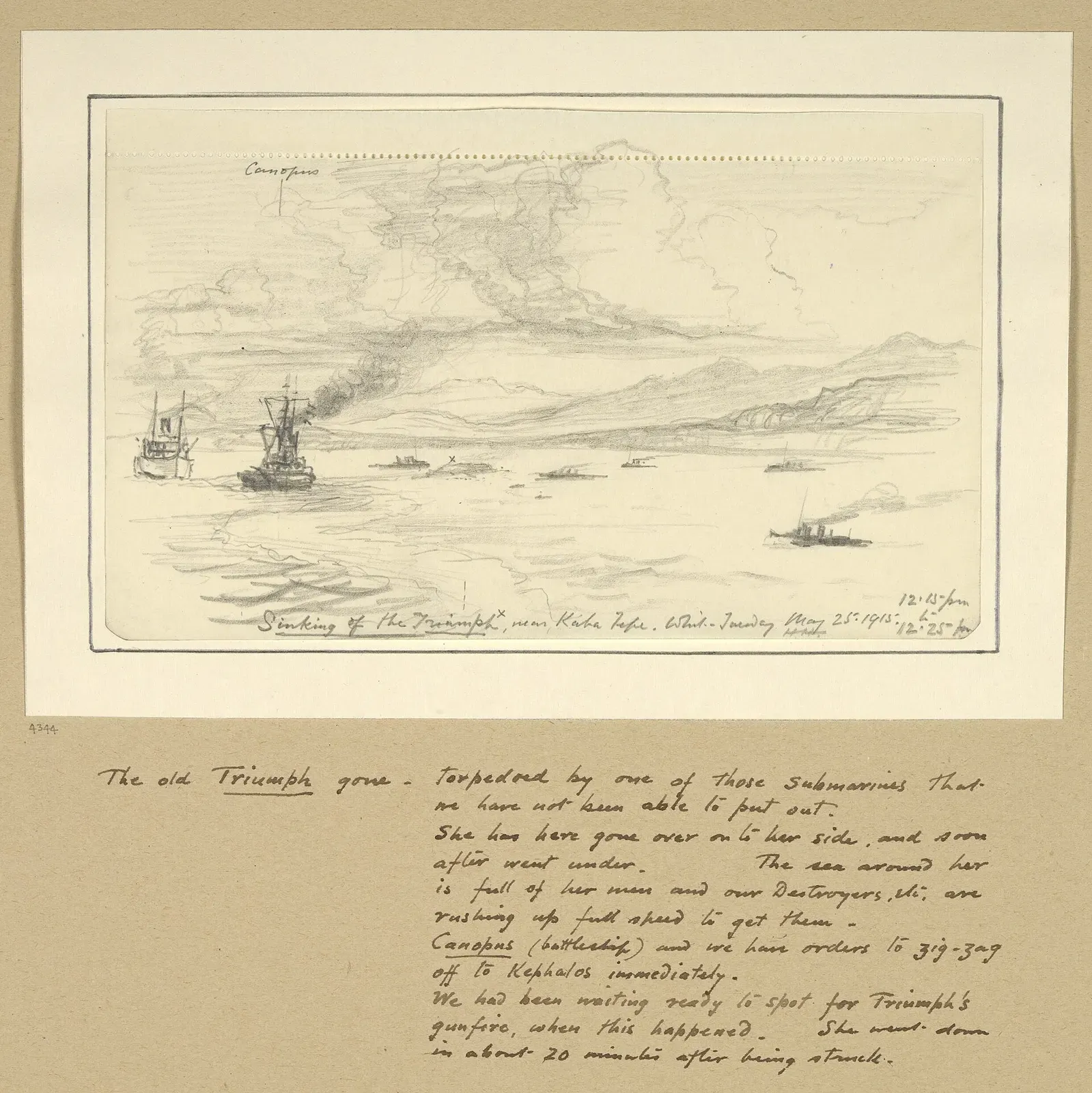
A 1903 battleship at 73 m, torpedoed off Gaba Tepe by U-21
Wreck
The park's most intact wreck: a 1908 minesweeper in 27 m
Wreck
A French battleship scuttled as a breakwater, in 5–7 m at V Beach
Similar dives elsewhere
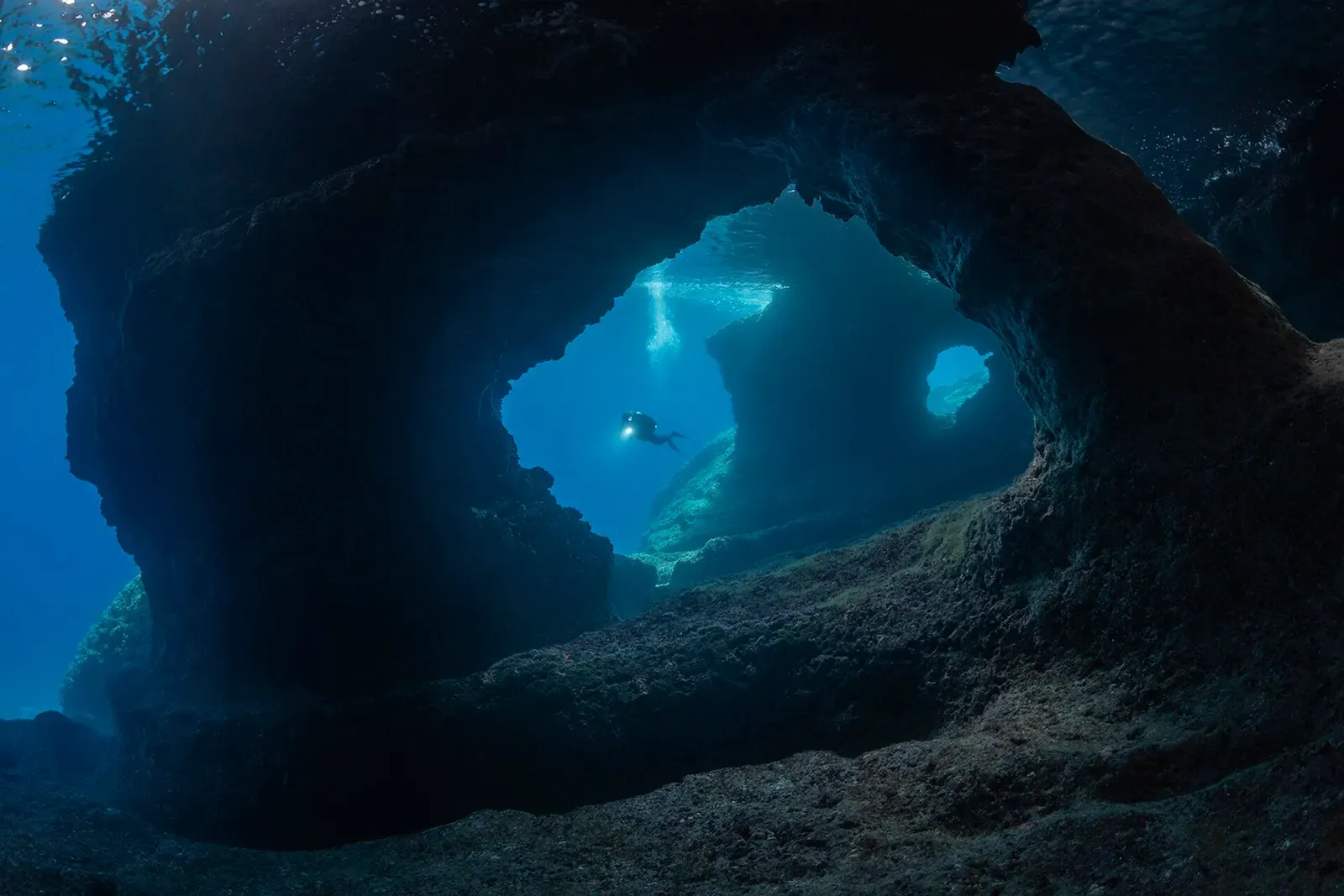
Airframe on sand at 65 to 72 m, visibility to 40 m
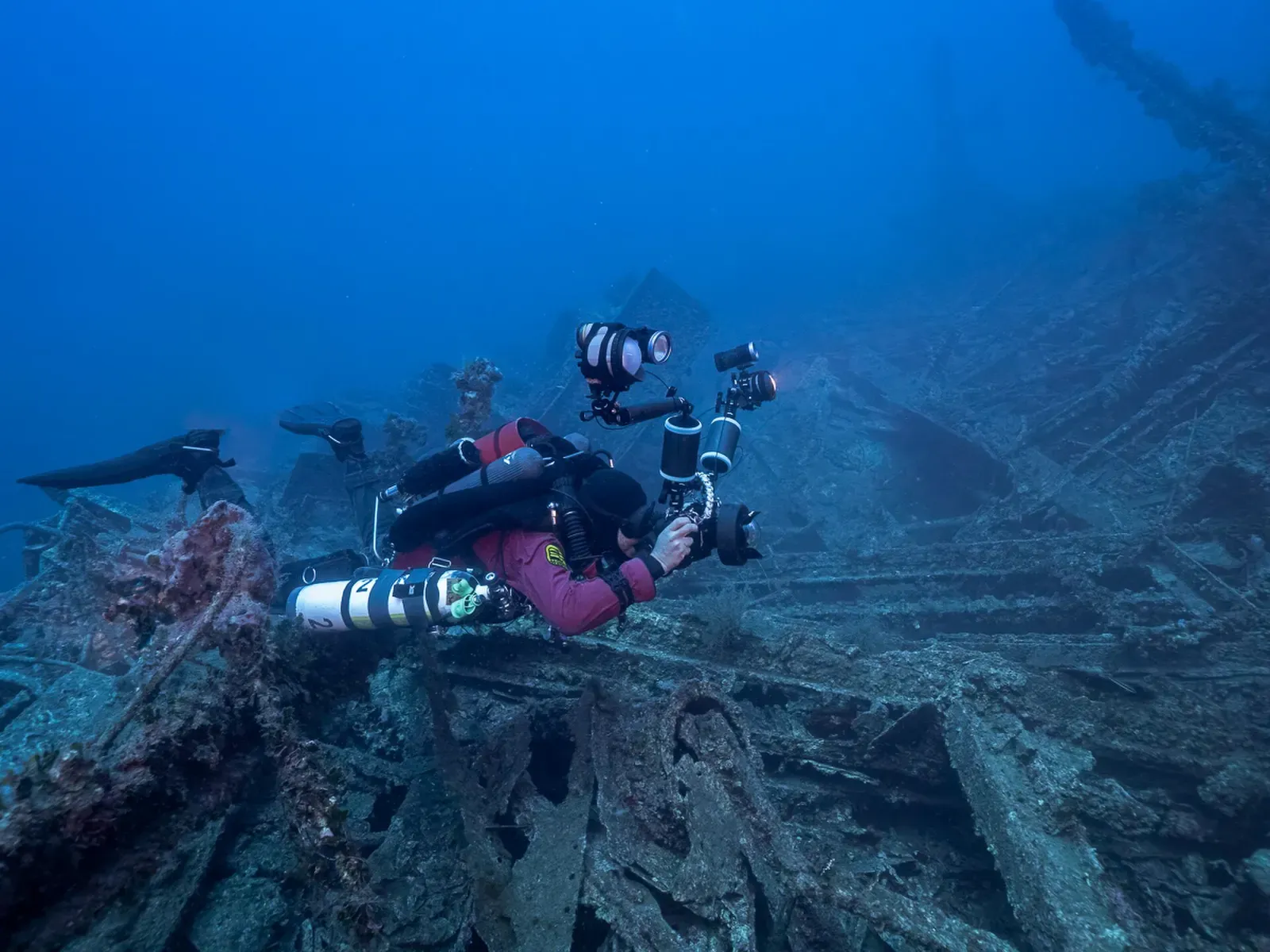

A 152 m passenger ship leaning to port in deep water
Wreck
Relitto Penelope
Polignano a Mare & Monopoli · Italy
An old cargo ship resting in deep water off Polignano
Wreck
SMS Szent István
Premuda · Croatia
An Austro-Hungarian dreadnought, inverted at 66 m