
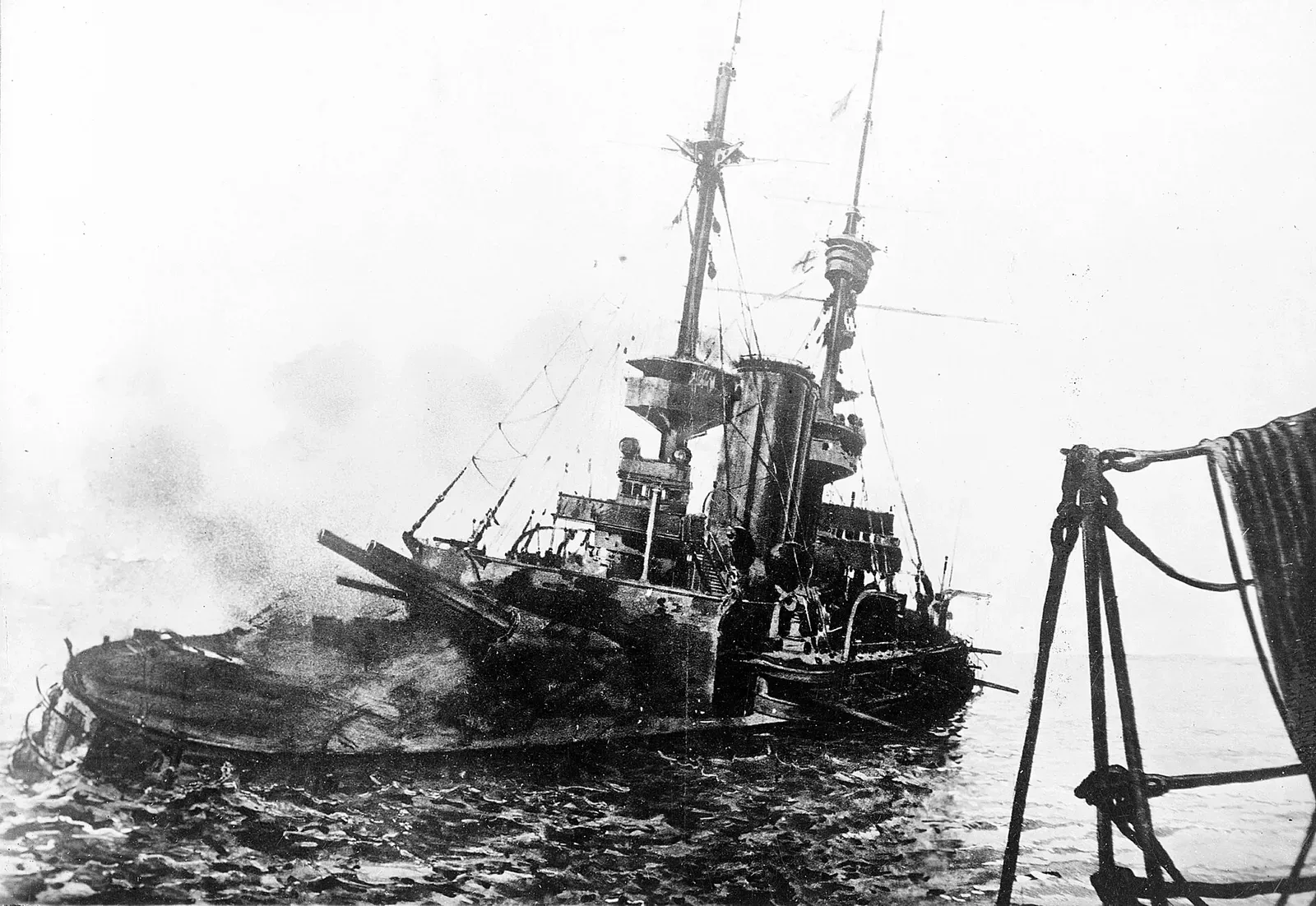
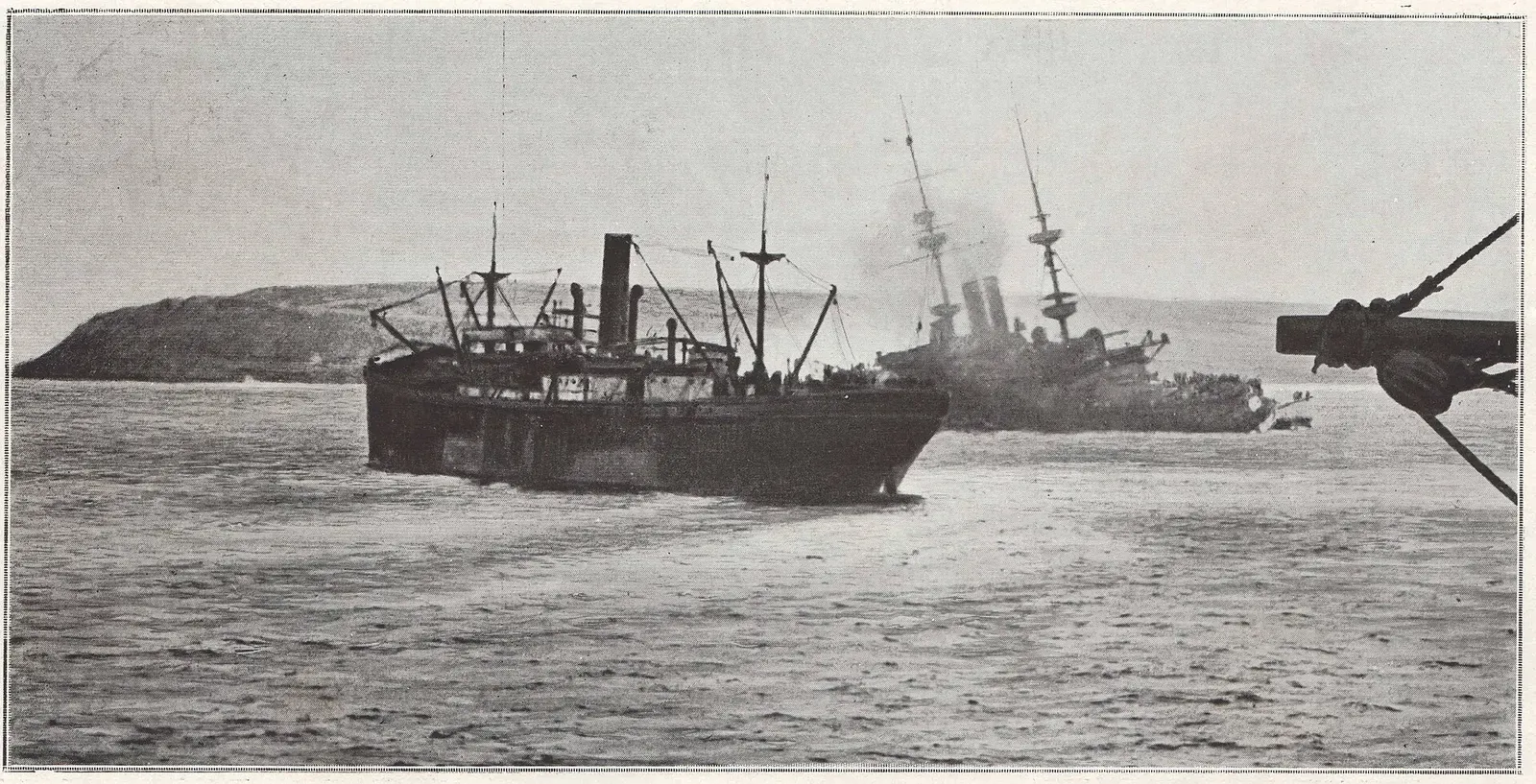
The French battleship Masséna was towed from Toulon late in 1915 and scuttled off Cape Helles on 9 November to form a breakwater sheltering the Allied evacuation. What is left of the 112-metre hull lies in 5 to 7 metres of water at V Beach, alongside the transport Saghalien. It is a shallow, structural dive with very little published about it.
Also known as Massena.
Where it is and how deep
40.0447° N, 26.1889° EApproximate position — the dashed circle shows where the site lies; your operator's briefing has the mooring.
The dive
Masséna is one of two ships run ashore at V Beach in November 1915 to make a breakwater, and she is dived for what she was rather than for what is left of her: a battleship of 112.65 metres, towed the length of the Mediterranean from Toulon to be sunk on purpose so that an army could be taken off the peninsula. The dive centre's table gives 5 metres and the park's own page 7, so this is a flat, sunlit swim with the boat above you the whole time.
Beyond that depth the published record is thin. No operator publishes a route, a condition report or a species list for her, and no position for the wreck itself is given — the sources place the two ships together at V Beach in the Cape Helles area, close to the River Clyde. Expect a guide-led swim over shallow structure, briefed as history first: the evacuation these ships were scuttled to protect withdrew the Allied expeditionary force in January 1916.
The wreck
- Vessel
- Masséna
- Type
- French battleship
- Length
- 112.65 m (370 ft)
- Sunk
- 1915
- Cause
- Scuttled to form a breakwater protecting the Allied evacuation
- Lies
- Run ashore at V Beach, Cape Helles, alongside the transport Saghalien
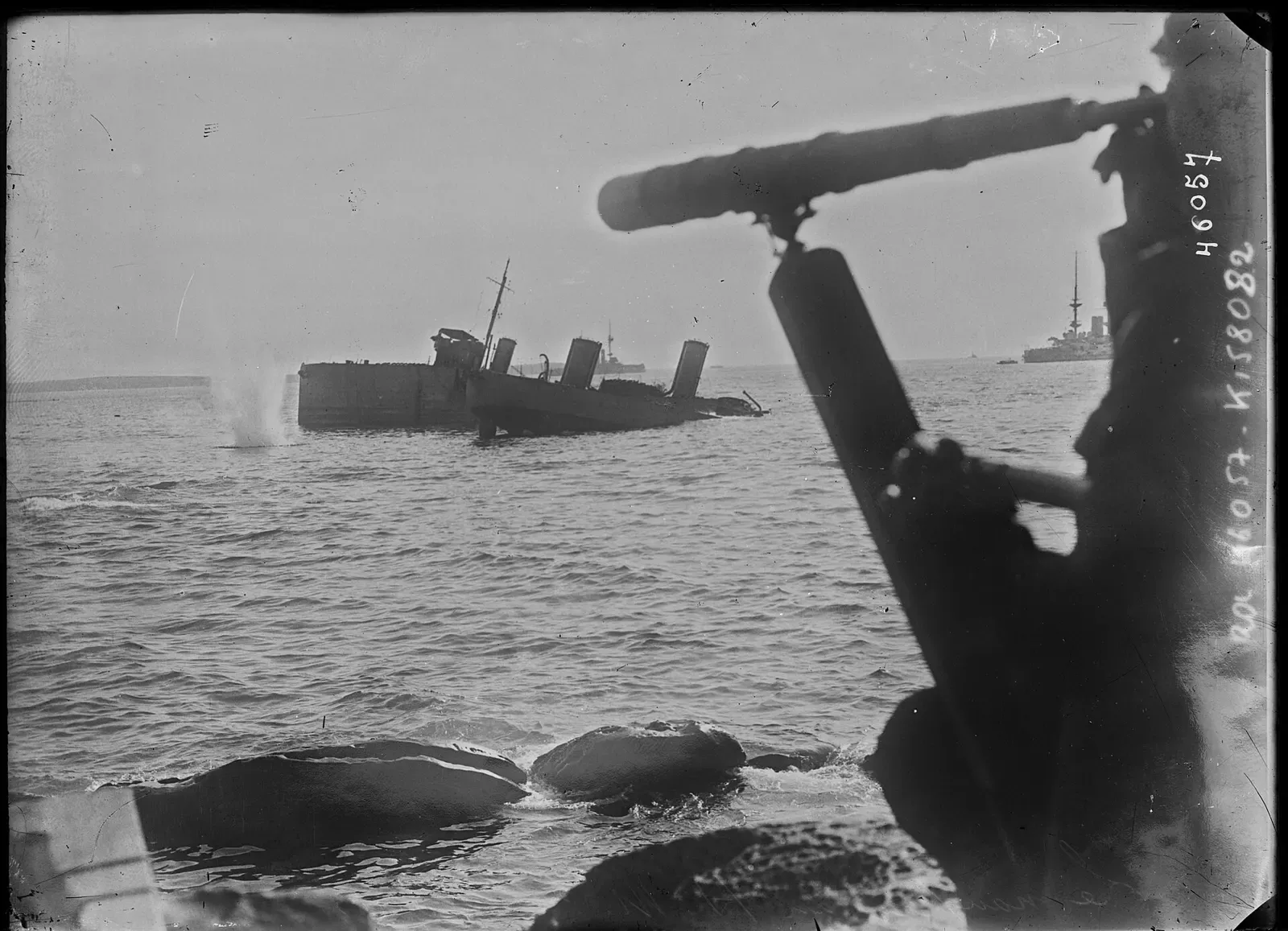
Masséna ended her career as a piece of harbour engineering. Towed from Toulon to Cape Helles late in 1915, she was scuttled on 9 November together with the French passenger ship Saghalien to form a breakwater at V Beach, sheltering the evacuation that withdrew the Allied expeditionary force from the peninsula in January 1916. The hulls were still conspicuous four years later: in February and March 1919 the Australian Historical Mission photographed them from HMS Tumult, about half a mile offshore, while documenting the Gallipoli battlefields.
Marine life and season
The sources we used don't single out particular species here.
| Jan | Feb | Mar | Apr | May | Jun | Jul | Aug | Sep | Oct | Nov | Dec |
|---|---|---|---|---|---|---|---|---|---|---|---|
| Fair | Fair | Fair | Prime | Prime | Good | Good | Prime | Prime | Good | Fair | Fair |
Season follows Gallipoli: April–May and August–September bring the best conditions; the wrecks can be dived all year.
Sources
- Gallipoli Wrecks dive site table — Gallipoli Wrecks
- French battleship Masséna — Wikipedia
- AWM photograph G01854A — Australian War Memorial
- Deep Heritage: cathodic protection for Dardanelles wrecks — Western Front Association
- Massena and Saghalien — Gallipoli Historic Site Directorate (divinggelibolu.com)
In The Logbook
- Ships sunk on purpose, and where to dive themWrecks · 14 min read
More dive sites in Gallipoli
Wreck
A battleship lost on 18 March 1915, upside down at 68 m
Wreck
Landing barges from 25 April 1915, scattered in 23–25 m
A 1915 British submarine in 8 m off Kepez Point
A mined 1898 battleship at 65 m, technical divers only
Four Yarrow boilers standing in 13 m of Suvla Bay sand
An 1895 battleship lying upside down and largely intact in 23 m
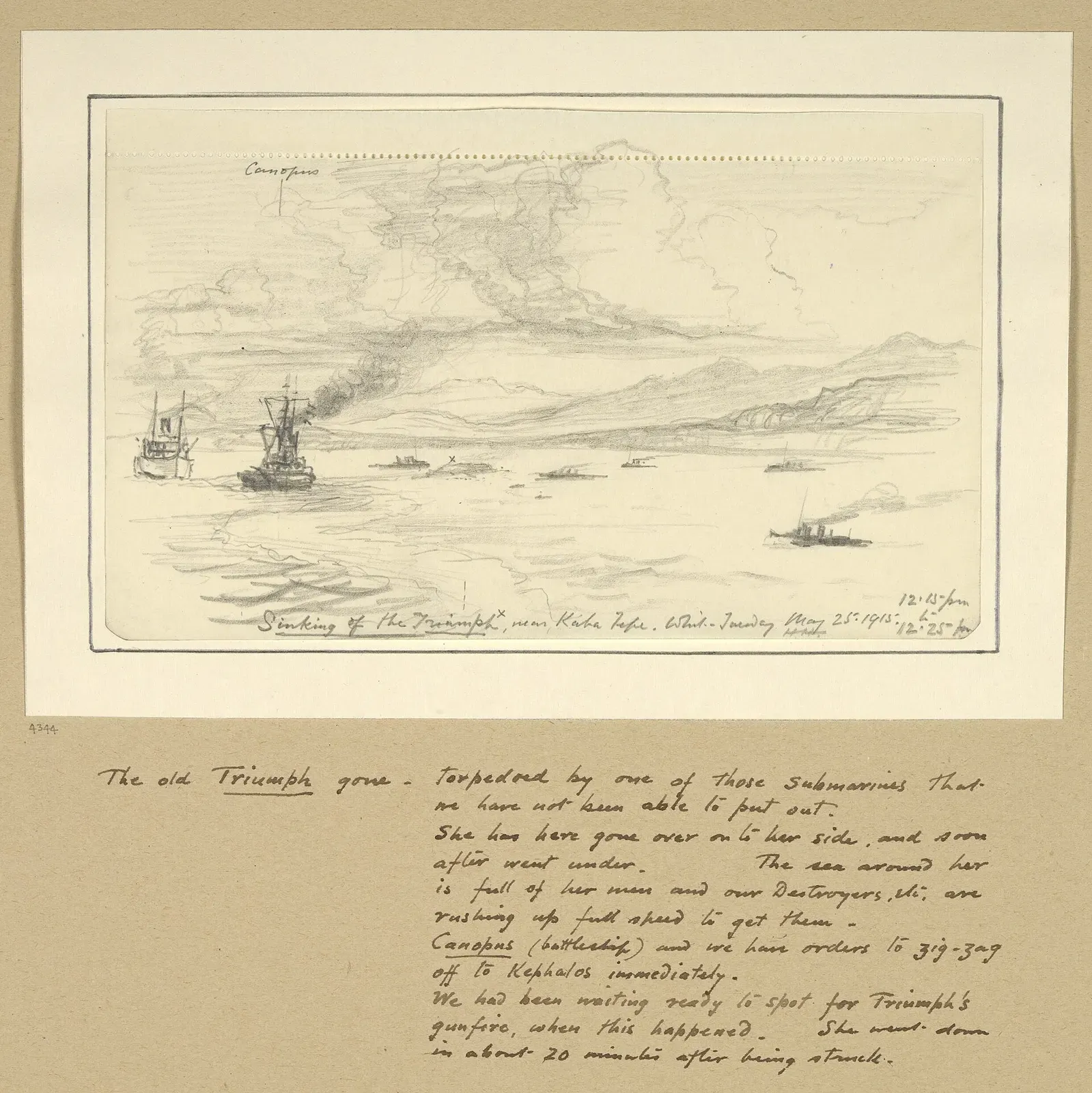
A 1903 battleship at 73 m, torpedoed off Gaba Tepe by U-21
Wreck
The park's most intact wreck: a 1908 minesweeper in 27 m
Similar dives elsewhere
Wreck
Africa Shipwreck
Milos & Kimolos · Greece
Engine and machinery exposed inside a wave-broken cargo boat
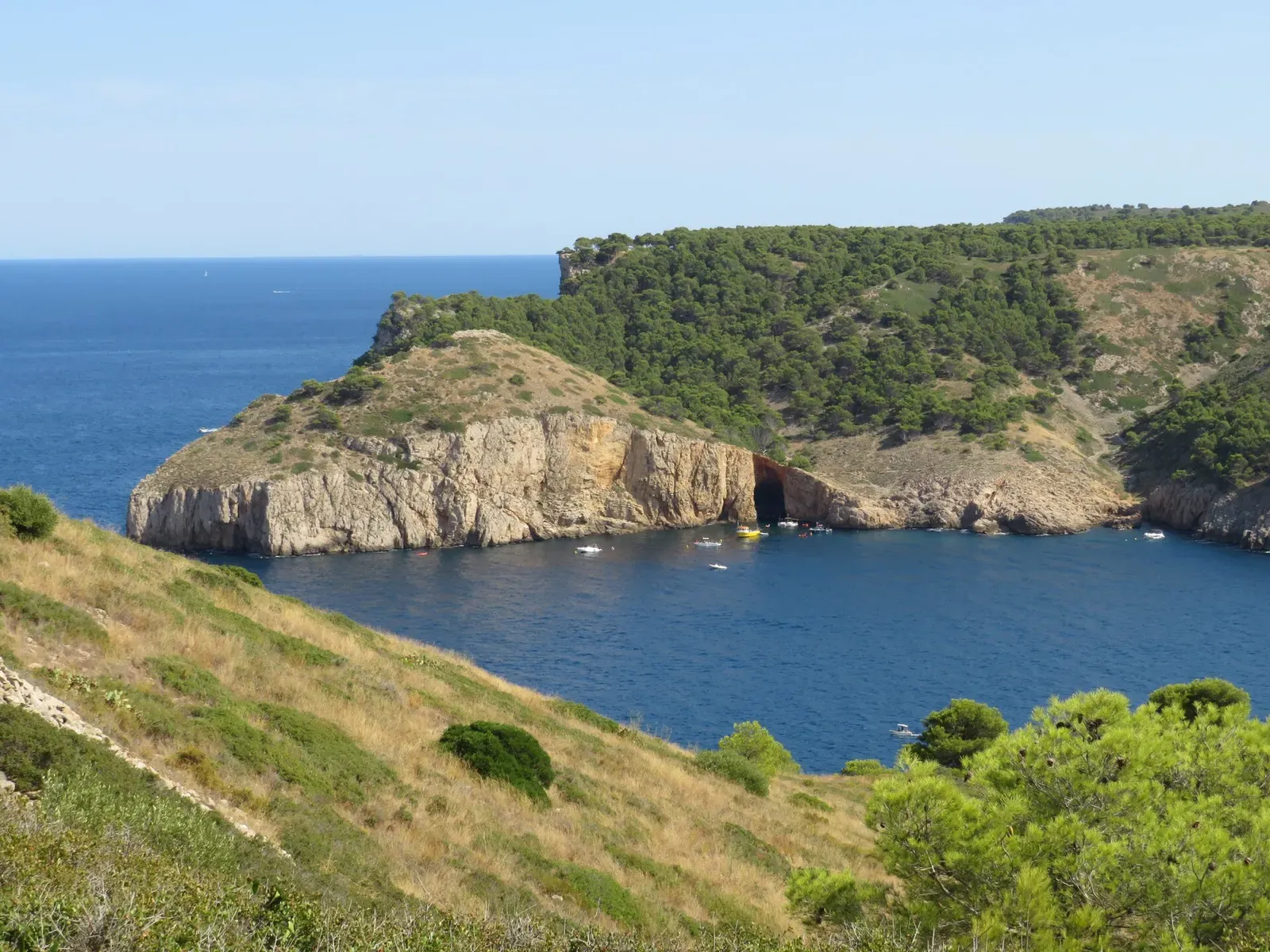
A dynamited navy tug in 5–10 m off Illa Mateua

A 25 m cod boat lost in a storm in 1913, on 12 m of sand
Wreck
Hydroplane wreck
Piran & Portorož · Slovenia
Engines, propellers and floats of an interwar seaplane