
The Gallipoli peninsula holds WWI wrecks of the Dardanelles campaign, from the battleship HMS Majestic off Cape Helles to the destroyer HMS Louis in Suvla Bay and SS Milo, a breakwater ship in the shallows off Anzac Cove. Boats run from Kabatepe to sites inside the Gallipoli Historical Underwater Park, and the wrecks span recreational dives and deep technical dives.
About diving in Gallipoli — Dardanelles Wrecks
Boats leave from Kabatepe harbour, 20 minutes from Eceabat, for wrecks in a northern sector of the historic site and a southern sector near the entrance to the strait. Heavy ship traffic in the Dardanelles brings restrictions on navigation and diving in many parts of the strait. Currents can sometimes reach 4 to 5 knots, at times with three different flows to work through on the way to the bottom, and strong wind can blow out a day's diving.
Several hundred ships and boats sank in the coastal waters between Anzac Cove and Suvla Bay, and the locations of 216 have been found. Some wrecks have stayed largely intact despite the damage that sank them, while much of HMS Louis lies under the sand. Lundy is home to octopuses, lobsters, conger eels and scorpionfish, and much of it is encrusted with sponges. Groupers, two-banded sea breams and crawfish live on the rocky ground at Cape Küçük Kemikli, and off Arıburnu the rock and reef formation known as Shark Rocks suits intermediate and advanced divers.
Divers of any certification level have sites here: recreational tours stay within no-decompression limits on wrecks from 3 to 30 m, while many of the significant wrecks lie deeper than 50 m and are the preserve of technical divers. The currents and visibility can make those deep dives challenging. Ashore, the Gallipoli Peninsula Historical National Park holds the landing beaches, war memorials and cemeteries, so a trip here pairs the wrecks with the battlefields above them.
Best time to dive Gallipoli — Dardanelles Wrecks
| Jan | Feb | Mar | Apr | May | Jun | Jul | Aug | Sep | Oct | Nov | Dec | |
|---|---|---|---|---|---|---|---|---|---|---|---|---|
| Season | Fair | Fair | Fair | Prime | Prime | Good | Good | Prime | Prime | Good | Fair | Fair |
| Sea surface | 14°C57°F | 13°C55°F | 13°C55°F | 14°C57°F | 18°C64°F | 22°C72°F | 25°C77°F | 25°C77°F | 23°C73°F | 20°C68°F | 17°C63°F | 15°C59°F |
| Daytime high | 16°C61°F | 17°C63°F | 19°C66°F | 23°C73°F | 27°C81°F | 32°C90°F | 35°C95°F | 34°C93°F | 32°C90°F | 26°C79°F | 22°C72°F | 18°C64°F |
| Rain | 114 mm4.5 in | 69 mm2.7 in | 59 mm2.3 in | 53 mm2.1 in | 37 mm1.5 in | 33 mm1.3 in | 14 mm0.6 in | 9 mm0.4 in | 24 mm0.9 in | 56 mm2.2 in | 79 mm3.1 in | 104 mm4.1 in |
| Jan | Feb | Mar | Apr | May | Jun |
|---|---|---|---|---|---|
| Fair | Fair | Fair | Prime | Prime | Good |
| Sea surface | |||||
| 14°C57°F | 13°C55°F | 13°C55°F | 14°C57°F | 18°C64°F | 22°C72°F |
| Daytime high | |||||
| 16°C61°F | 17°C63°F | 19°C66°F | 23°C73°F | 27°C81°F | 32°C90°F |
| Rain | |||||
| 114 mm4.5 in | 69 mm2.7 in | 59 mm2.3 in | 53 mm2.1 in | 37 mm1.5 in | 33 mm1.3 in |
| Jul | Aug | Sep | Oct | Nov | Dec |
|---|---|---|---|---|---|
| Good | Prime | Prime | Good | Fair | Fair |
| Sea surface | |||||
| 25°C77°F | 25°C77°F | 23°C73°F | 20°C68°F | 17°C63°F | 15°C59°F |
| Daytime high | |||||
| 35°C95°F | 34°C93°F | 32°C90°F | 26°C79°F | 22°C72°F | 18°C64°F |
| Rain | |||||
| 14 mm0.6 in | 9 mm0.4 in | 24 mm0.9 in | 56 mm2.2 in | 79 mm3.1 in | 104 mm4.1 in |
2011–2025 averages. Sea surface: NOAA Coral Reef Watch, measured at the surface, so deeper water can run colder. Daytime high and rain: NASA POWER.
The park can be dived throughout the year, but most diving runs from May, when the water warms. The best conditions come in late spring, April to May, and again in late summer, August to September, with September the best time to be in the region. From November to March the water falls to about 10–13 °C and divers switch to 7 mm, semidry or dry suits.
Best months: April, May, August, September
Gallipoli water temperature and weather by month
The sea surface runs from 13 °C (55 °F) in March to 25 °C (77 °F) in August. It is 24 °C (75 °F) or warmer from July and August. Most rain falls from October to March, peaking at about 110 mm (4.3 in) in January; July to September are the driest. Daytime highs reach 35 °C (95 °F) in July and drop to 16 °C (61 °F) in January. The coldest water here is about 13 °C (55 °F), so pack a 7 mm suit with a hood, or a semi-dry.
Dive types & marine life
Large shoals of fish gather on most of the wrecks, and schooling bream and dentex have made HMS Majestic their home. Bream, snapper, red scorpionfish, wrasse, lobster and conger eel turn up on the wreck dives.
- Wreck
- Reef
- Groupers
Best dive sites in Gallipoli — Dardanelles Wrecks
- 1
HMS Majestic
Battleship wreck lying in 18 to 23 m, combining history with underwater life.
- 2
Lundy
Largely intact wreck at 27 m, damaged only at the stern where it was struck.
- 3
HMS Louis
Destroyer at 13 m north of Suvla Bay, suited even to relatively inexperienced divers.
- 4
SS Milo
Shallow wreck at 5 to 7 m that has kept much of its structure.
- 5
HMS Triumph
Swiftsure-class battleship off Kabatepe for technical divers with nitrox and a drysuit.
Site guides
Wreck
A battleship lost on 18 March 1915, upside down at 68 m
Wreck
Landing barges from 25 April 1915, scattered in 23–25 m
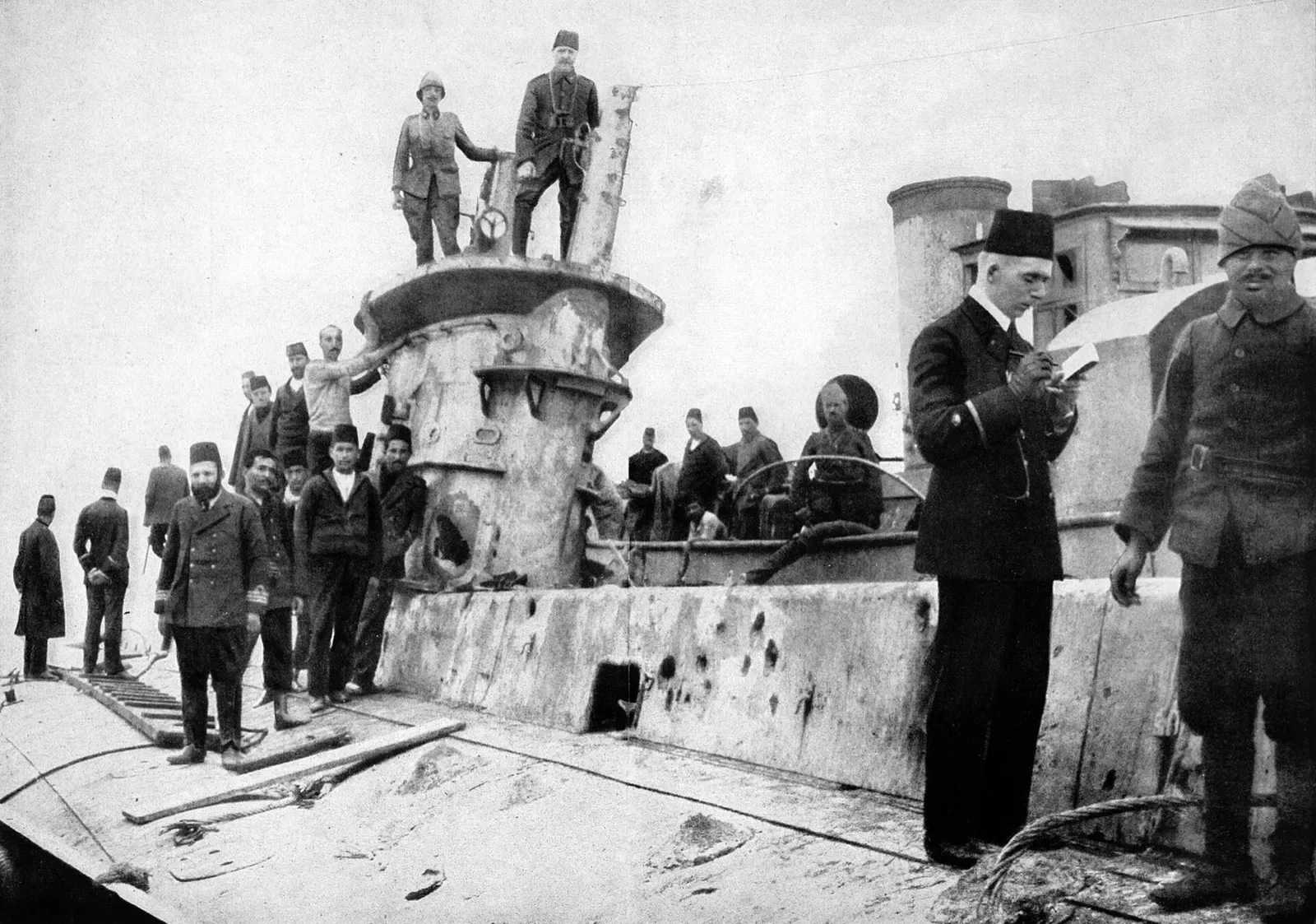
A 1915 British submarine in 8 m off Kepez Point
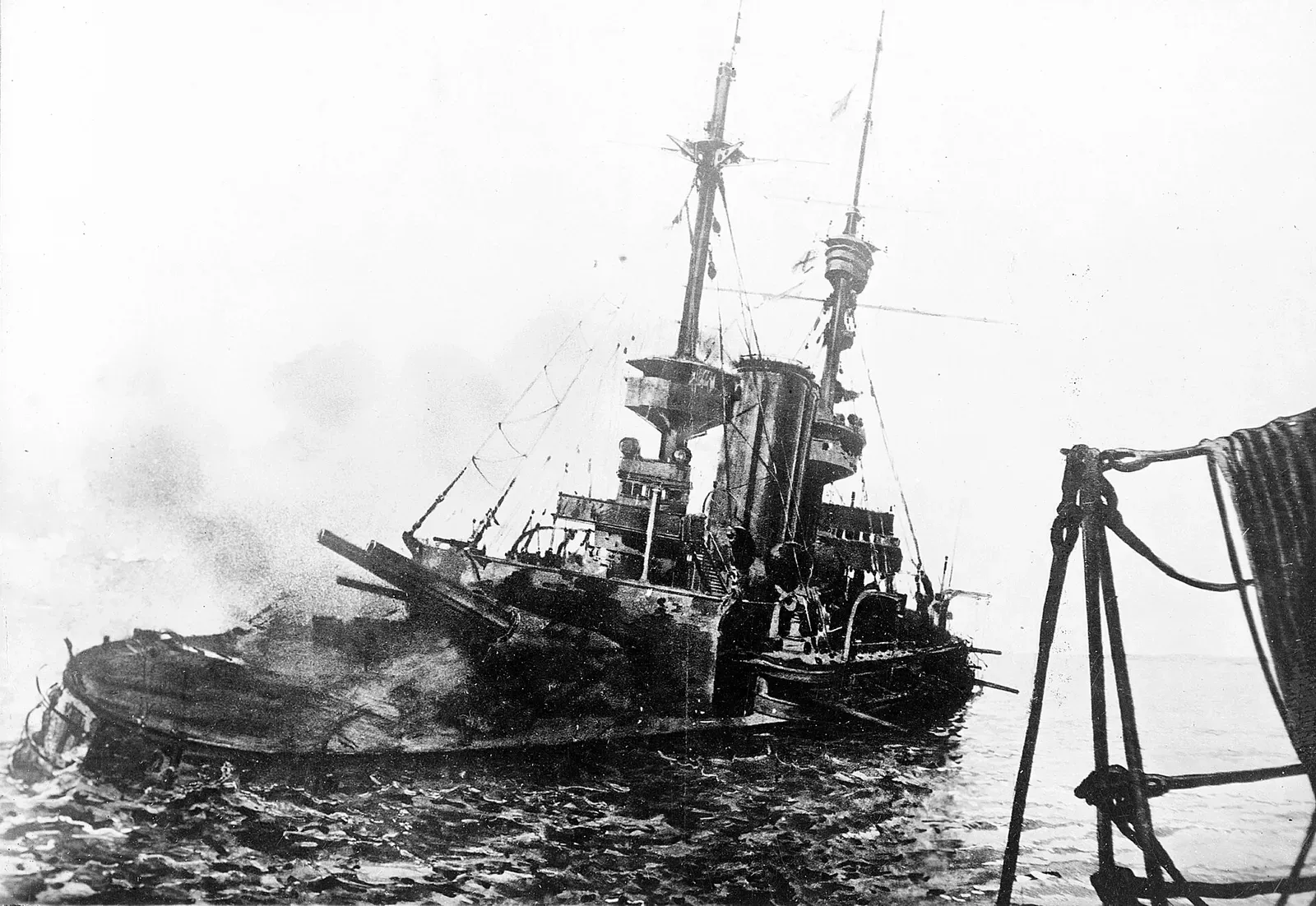
A mined 1898 battleship at 65 m, technical divers only
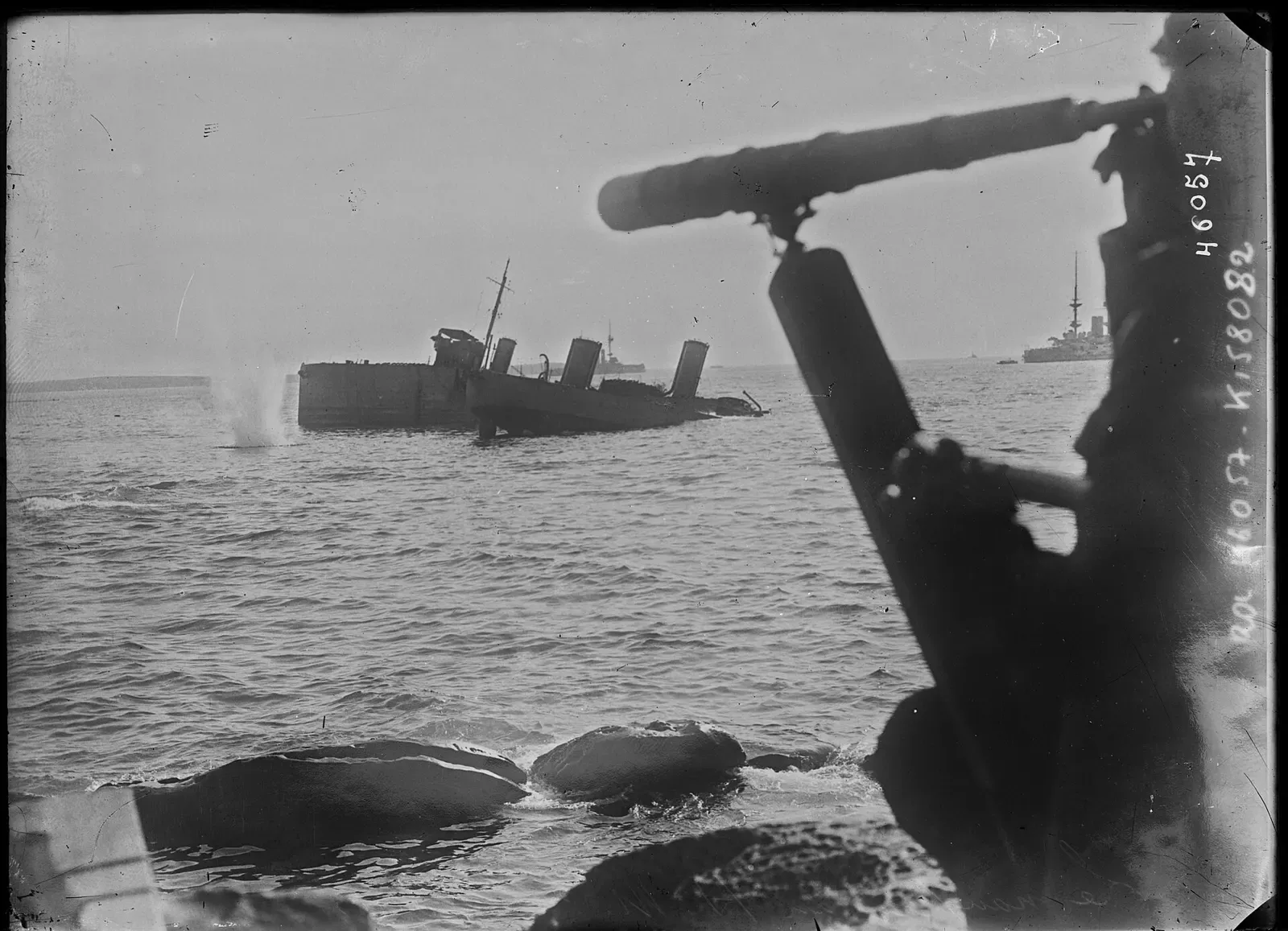
Four Yarrow boilers standing in 13 m of Suvla Bay sand
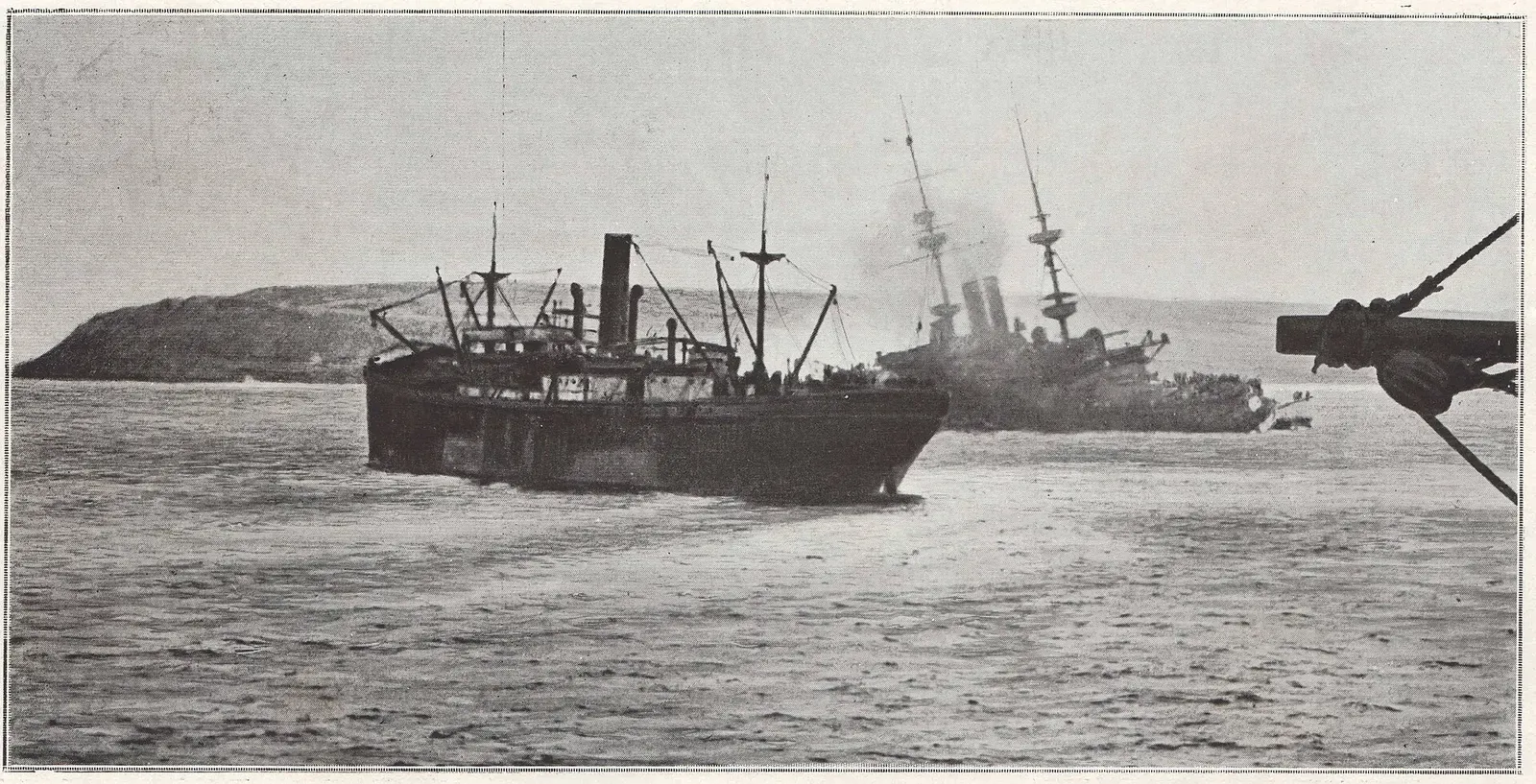
An 1895 battleship lying upside down and largely intact in 23 m
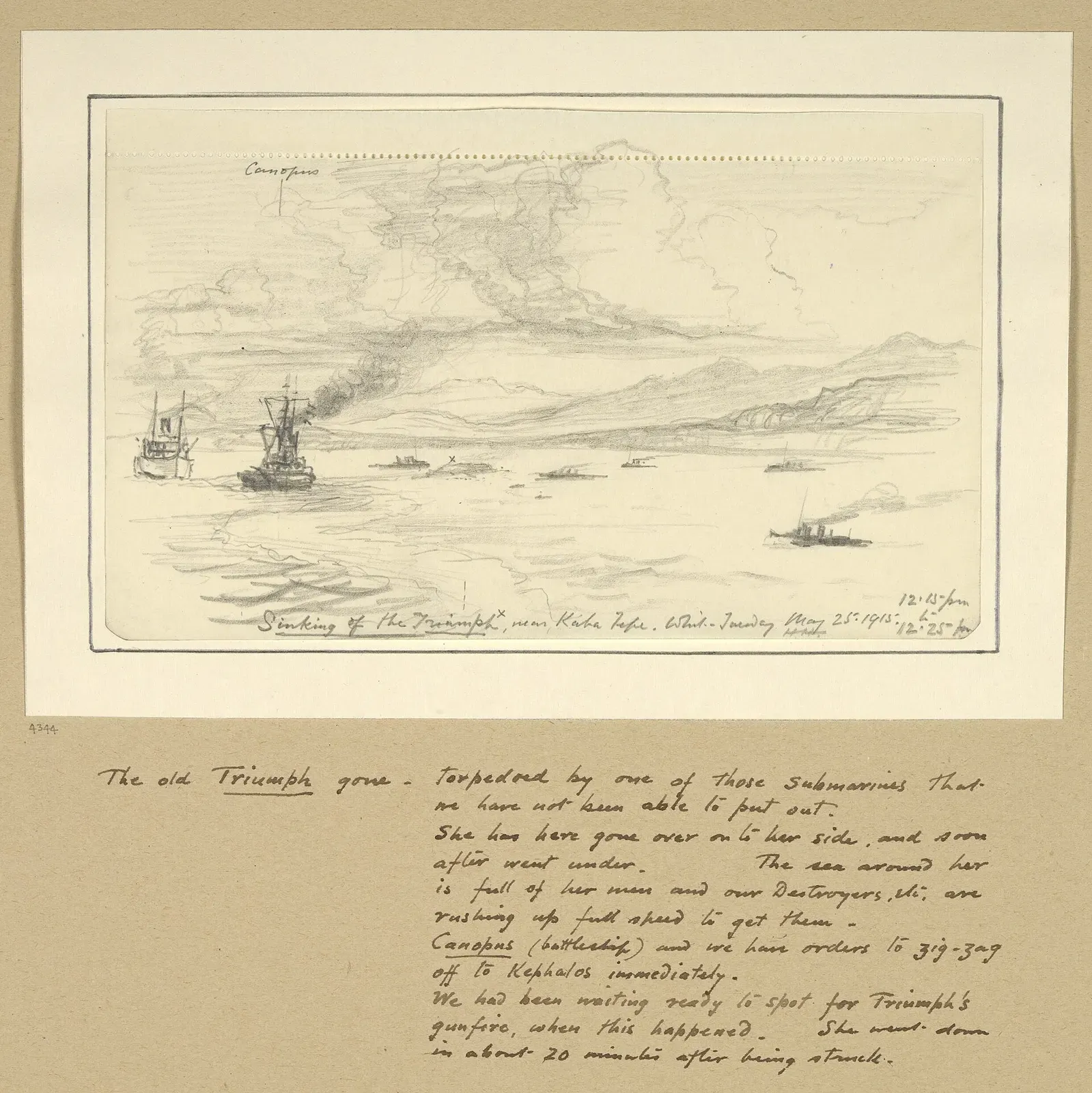
A 1903 battleship at 73 m, torpedoed off Gaba Tepe by U-21
Wreck
The park's most intact wreck: a 1908 minesweeper in 27 m
Wreck
A French battleship scuttled as a breakwater, in 5–7 m at V Beach
Wreck
The ironclad torpedoed by submarine B11, in about 12 m
Wreck
A French transport sunk as a breakwater, in 5 to 7 m off Helles
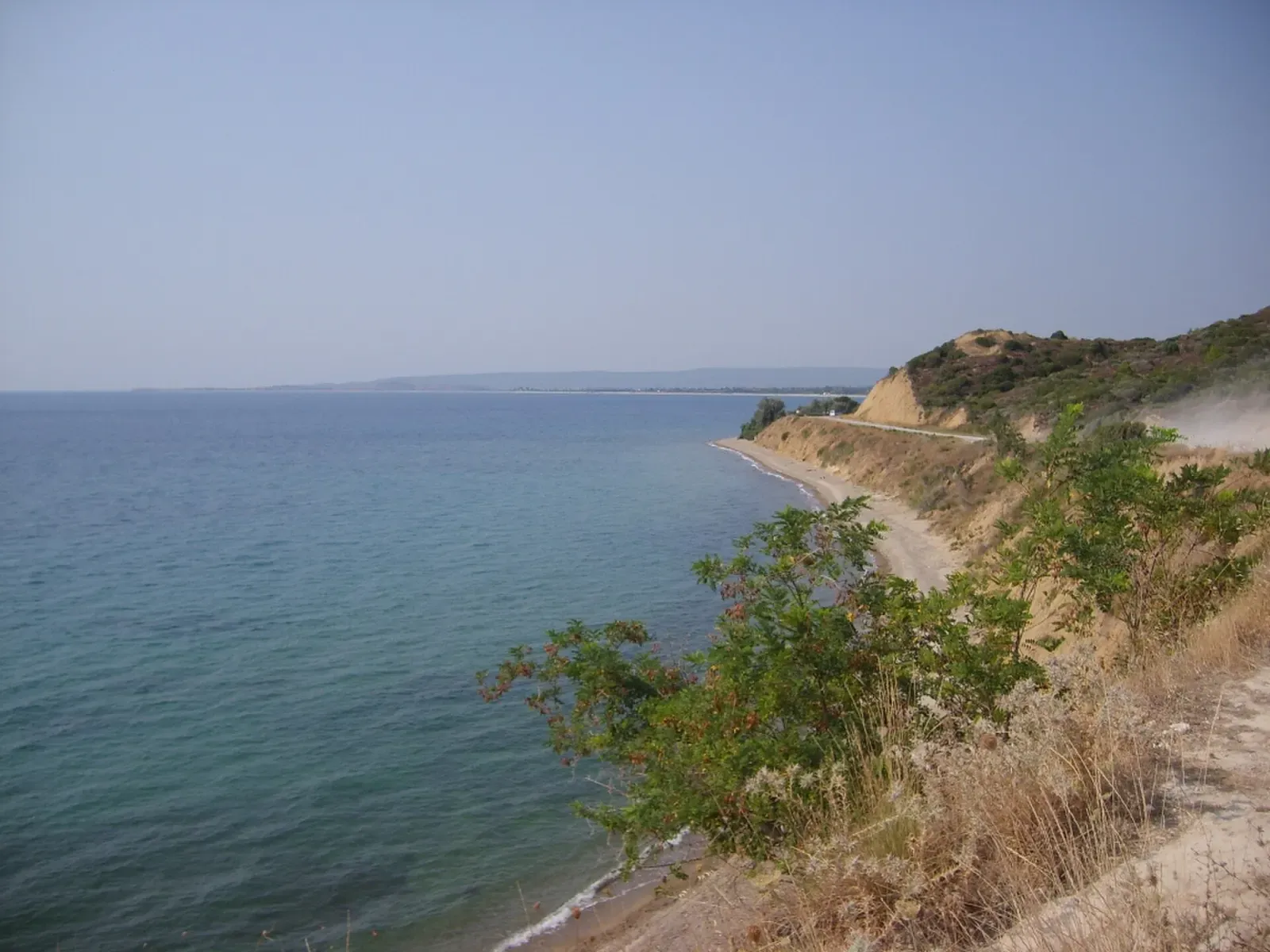
A 1915 blockship in 7 m off the Anzac landing beaches
How to get to Gallipoli — Dardanelles Wrecks
Fly from Istanbul to Çanakkale and cross the strait to Eceabat by ferry, or over the new bridge between Asia Minor and Europe. Dive boats leave from Kabatepe, 20 minutes from Eceabat.
Photos from Gallipoli — Dardanelles Wrecks
Unknown authorUnknown author · Public domain
Emin Başar ÖZDEMİR · CC BY 3.0
by rock · CC BY 3.0
Dive videos
Divers take plunge into WWI history at Gallipoli · TRT World on YouTube
Diving with Gallipoli Wrecks Dive Centre (May 2025) · Gallipoli Wrecks Dive Centre on YouTube
Questions divers ask
Do the deep Gallipoli wrecks need permits?+
Technical dives need permits and logistics arranged through the dive centre well in advance, and some of the deeper wrecks can only be dived with permission from the responsible agencies.
Can the wrecks be dived in winter, and in what suit?+
Yes, the park can be dived throughout the year. A 3 to 5 mm wetsuit can be worn from April to October; from November to March divers switch to a 7 mm wetsuit, a semidry suit or a drysuit.
Can someone who has never dived try a Gallipoli wreck?+
Yes. A discovery dive for first-timers explores a shallow, sheltered wreck site under the close supervision of instructors, with all equipment provided.
Sources
- Gallipoli Wrecks Dive Centre — Gallipoli Wrecks Dive Centre
- HMS Louis — Gallipoli Historic Underwater Park, Ministry of Culture and Tourism
- Lundy — Gallipoli Historic Underwater Park, Ministry of Culture and Tourism
- SS Milo — Gallipoli Historic Underwater Park, Ministry of Culture and Tourism
- HMS Triumph — Gallipoli Historic Underwater Park, Ministry of Culture and Tourism
- Gallipoli Historical Underwater Park — Gallipoli Historic Underwater Park, Ministry of Culture and Tourism
- Gallipoli, Turkey trip report — East Cheshire Sub-Aqua Club
- Forgotten Shipwrecks: The Ghosts of Gallipoli — Divernet
- Trending Dive Spots: Çanakkale, Turkey — Scuba Diving
- Eceabat Average Sea Temperatures — SeaTemperature.org
- ARGOS DIVING CLUB — Argos Diving Club / LiveJournal
Photo credits
- Kabatepe beach on the Gallipoli peninsula, with bathers on pale sand and pine-topped cliffs along the shore. by by rock, CC BY 3.0, via Wikimedia Commons
- A 1915 photograph of soldiers wading ashore from a boat at Anzac Beach while a warship lies offshore. by Unknown authorUnknown author, Public domain, via Wikimedia Commons
- Rows of white headstones in a lawn cemetery at Anzac Cove with scrub-covered hills behind. by Emin Başar ÖZDEMİR, CC BY 3.0, via Wikimedia Commons
- The sun setting into a calm sea beyond a harbour wall at Kabatepe. by by rock, CC BY 3.0, via Wikimedia Commons
Embed
Run a dive centre, club or blog? Embed this map of 12 dive sites near Gallipoli on your own page.
In The Logbook
- Ships sunk on purpose, and where to dive themWrecks · 14 min read
- How a rebreather works, and what it buys youGear & kit · 8 min read
- How deep can you scuba dive?Body & health · 13 min read
- Why is 1.4 bar the oxygen limit in diving?Body & health · 13 min read
- Deep wreck diving: where recreational stopsWrecks · 8 min read
- Air, nitrox or trimix: which gas, and when?Gear & kit · 15 min read
- Your first wreck dive: what to expect and whereFirst dives · 6 min read
Similar destinations
Diving inside Blue Bay, the first national underwater park in Turkey
Mediterranean
Amphorae of a Roman wreck on a volcanic shoal off Lipari

Four thousand Classical amphorae still stacked on the seabed at 25 m


.jpg)
A 40 m wall under the monastery filmed in The Big Blue