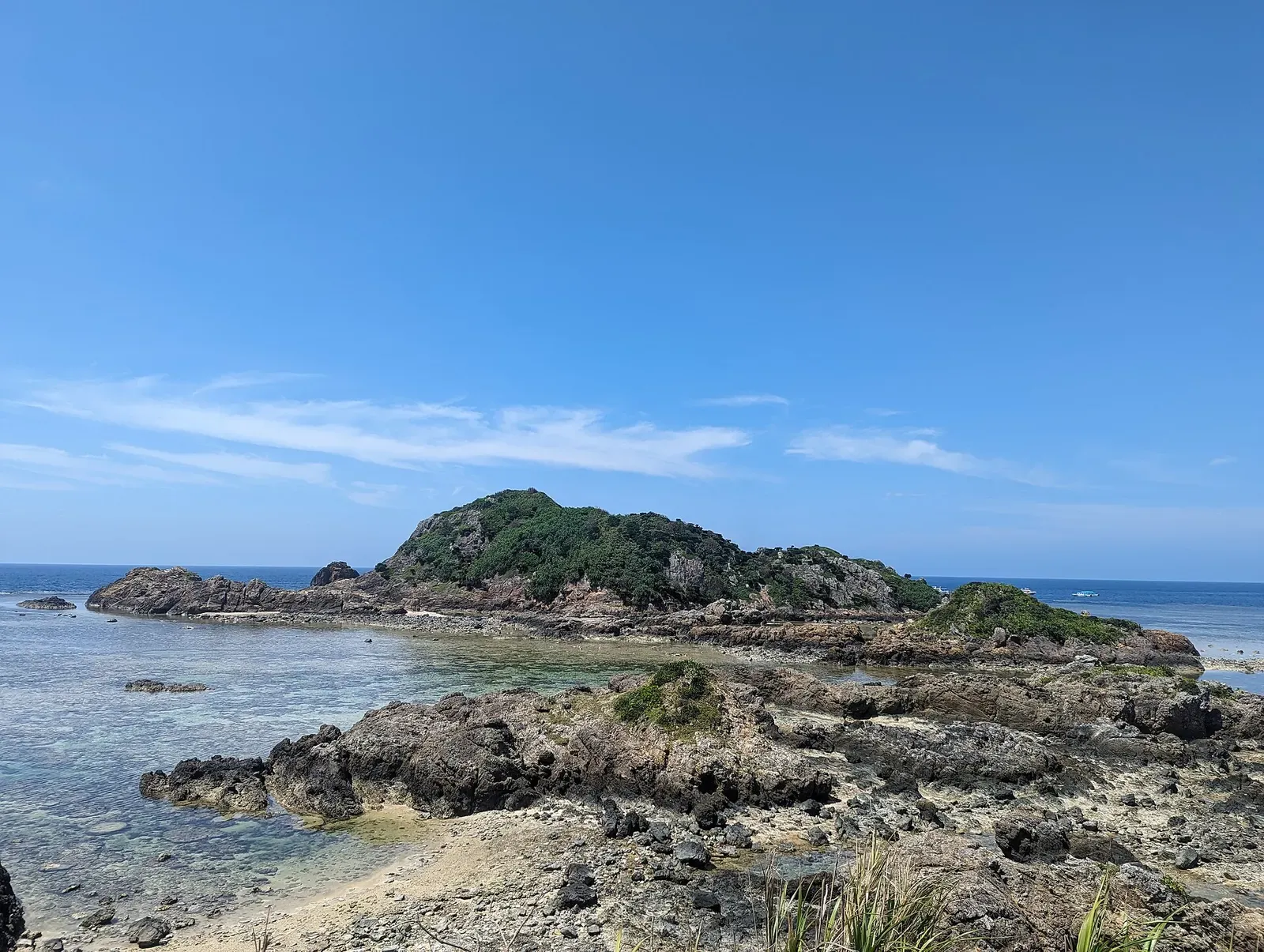
A cleaning station on a small hill of seabed off the northwest side of Ishigaki, where manta rays come in to be cleaned. The profile is shallow, roughly 10 to 20 metres, and the site is credited with one of the highest rates of manta ray encounters in the world.
Also known as Manta Ray Scramble.
Where it is and how deep
24.4829° N, 124.1291° EPublished position for this site.
The dive
The boat ride out is short, ten to fifteen minutes from Ishigaki, so the site slots easily into a half-day trip. The feature is a small hill rising from the seabed in open water rather than a reef to swim along; that mound is the cleaning station, and the whole dive is arranged around it rather than around a route.
Most of the dive is spent holding position and watching. The rays pass over the station at around 5 to 10 metres, shallow enough that people snorkelling on the surface see them at the same time. The tide is normally gentle here, but it strengthens at times, and that is the variable that decides whether the wait is comfortable or hard work.
Timing counts for more than technique. Autumn is the stretch when groups of mantas, rather than single animals, are close to guaranteed; for the rest of the year nothing is published about how often they turn up. Depths are modest enough for a long bottom time, so the plan is usually to get into position early and stay put until the group's air or the tide says otherwise.
Marine life and season
- Manta rays
| Jan | Feb | Mar | Apr | May | Jun | Jul | Aug | Sep | Oct | Nov | Dec |
|---|---|---|---|---|---|---|---|---|---|---|---|
| Fair | Fair | Good | Prime | Prime | Prime | Good | Good | Good | Prime | Prime | Fair |
Season follows Ishigaki: Manta sightings peak April-November; typhoon season (Jul-Sep) and winter winds disrupt boat schedules.
Know before you go
- The tide is usually gentle but can strengthen without much warning; stay low on the sand or rubble and keep the group together rather than finning out into open water.
Photos from Manta Scramble
Syced · CC0
Syced · CC0
Syced · CC0
Dive videos
Diving in Ishigaki HD Ishizaki Manta Ray Scramble (JPN) · clrblw120 on YouTube
Questions divers ask
How deep is Manta Scramble?+
The dive sits in roughly 10 to 20 metres, and the mantas themselves usually pass over the cleaning station at 5 to 10 metres, so it is a shallow dive with a long bottom time.
When are mantas most reliable at Manta Scramble?+
Autumn is the stretch when groups of mantas, rather than single rays, are close to guaranteed. For the rest of the year the station is still dived, but no figures are published for how often the rays show up.
Sources
- Manta Ray Scramble — Scubago
- Ishigaki — Wikivoyage
- Ishigaki — Wikivoyage (fr)
Photo credits
- Green rocky islet rising from a clear turquoise reef flat under a blue sky by Syced, CC0, via Wikimedia Commons
- Rocky green promontory jutting into a shallow turquoise lagoon with scattered coral rock by Syced, CC0, via Wikimedia Commons
- Low rocky islet surrounded by exposed reef flat and clear shallow water by Syced, CC0, via Wikimedia Commons
- Close-up of a clear tide pool set in weathered reef rock by Syced, CC0, via Wikimedia Commons
In The Logbook
- Where to dive with manta rays, month by monthBig animals · 8 min read
More dive sites in Ishigaki
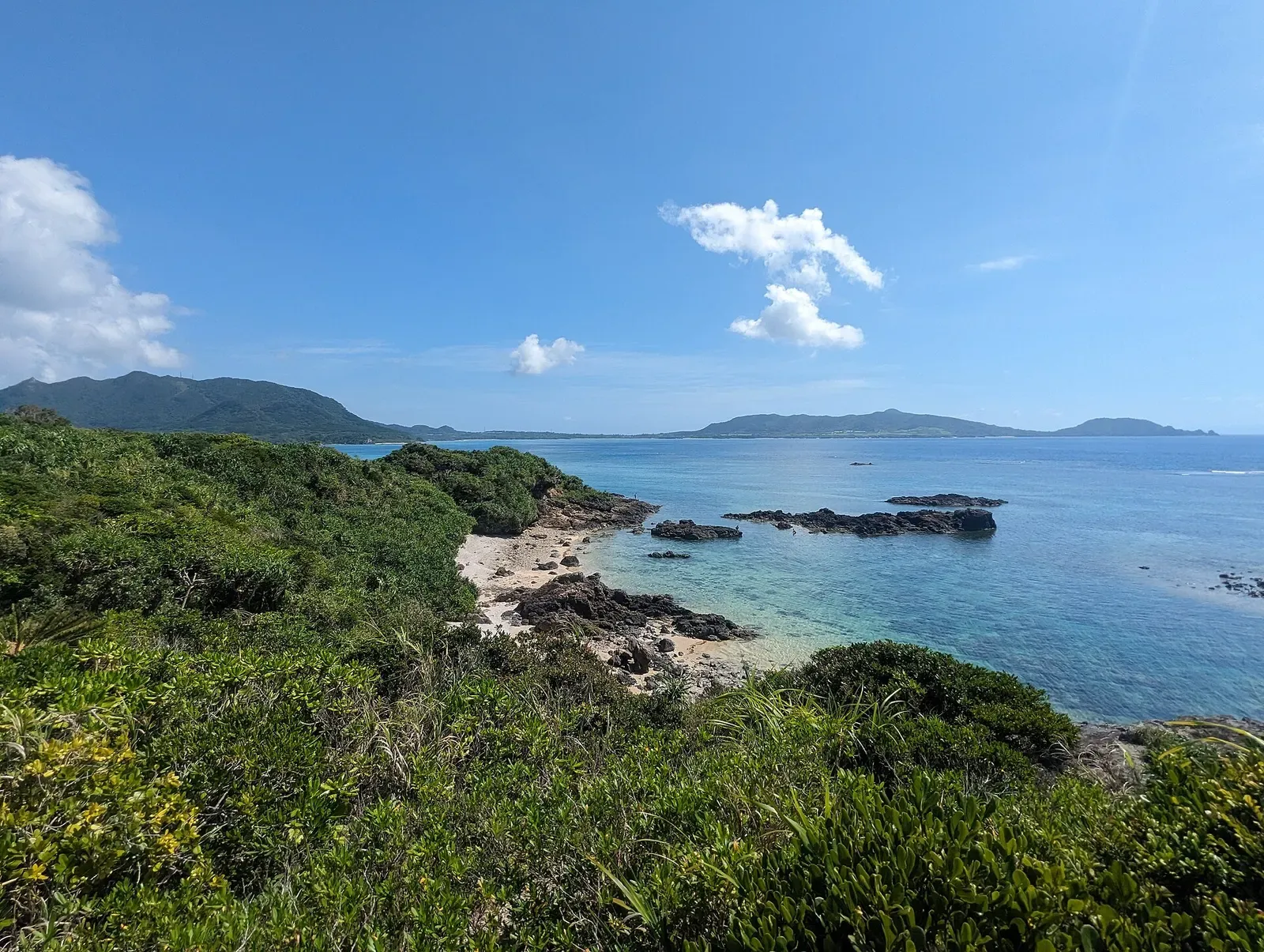
A well-known manta cleaning station spanning 5 to 25 metres.
Reef
A 5 m coral shelf dropping to three coral heads on sand at 20 to 25 m.
Similar dives elsewhere
Reef
Arima
Kozushima · Japan
Goatfish that let divers settle on the sand beside them

A tropical longfin grouper resident here for over a decade


15 resident sea turtles in a calm abandoned harbour
Reef
Haejung Gongwon
Gangneung · South Korea
Coral and sea pines on a reef with a descent line