
East Asia · Japan
Ishigaki
Reef manta rays circle shallow cleaning stations in Kabira Bay most of the year.
Photo: Tzuhsun Hsu · CC BY-SA 2.0
Ishigaki anchors Japan's Yaeyama Islands beside Sekisei Lagoon, the country's largest coral reef system, shared with neighboring Iriomote. The island is best known for manta ray cleaning stations in Kabira Bay, where reef manta rays circle shallow coral heads for much of the year, drawing divers who hover in a current-swept line to watch. Typhoons and winter northeast winds regularly force boats to shift between the island's north and south coasts to find shelter.
About diving in Ishigaki
A normal day is a two- or three-tank boat trip out of the main port or one of the smaller west-coast harbours, back alongside by mid-afternoon. Wind decides where the boat goes: in the winter northeasterly the fleet works the sheltered south and west coasts, and in settled weather full-day trips run further out toward Kuroshima, Hatoma and the Iriomote channels. Operators slot the manta dive around the tide and the number of other boats on the site rather than to a fixed hour.
Sekisei Lagoon gives the area a soft, spread-out character: coral heads standing on sand, gentle slopes and rubble flats rather than big walls or drop-offs. Bleaching events over the past decade have thinned parts of it, so expect patchy recovery next to healthy thickets. Away from the lagoon there are sand slopes with garden eels and shrimp gobies, fringing reef along the north shore, and silty inshore bays that shops use for macro work and for night dives.
Manta diving here is choreographed. Guides put the group down on sand or rubble a set distance back from the coral heads, and everyone stays low and still while the rays queue above for the cleaner wrasse. Nobody swims at them; exhaled bubbles push them off the station, so buoyancy and a slow breathing rate count for more than any kit you can bring. Depths are modest enough for long bottom times, and the site gets busy on good days, which makes an early or late slot worth asking for.
It suits photographers who can shoot wide in the morning and macro in the afternoon, and it makes a comfortable base for the rest of the Yaeyamas, with Taketomi, Kohama and Iriomote all short ferry rides away for days when the boats stay in. Plan around the calendar: manta sightings peak from April through November, typhoons can erase days between July and September, and midwinter is the least reliable stretch for getting out at all.
Best time to dive Ishigaki
| Jan | Feb | Mar | Apr | May | Jun | Jul | Aug | Sep | Oct | Nov | Dec | |
|---|---|---|---|---|---|---|---|---|---|---|---|---|
| Season | Fair | Fair | Good | Prime | Prime | Prime | Good | Good | Good | Prime | Prime | Fair |
| Sea surface | 23°C73°F | 23°C73°F | 23°C73°F | 25°C77°F | 27°C81°F | 29°C84°F | 30°C86°F | 30°C86°F | 29°C84°F | 28°C82°F | 26°C79°F | 25°C77°F |
| Daytime high | 24°C75°F | 24°C75°F | 25°C77°F | 26°C79°F | 28°C82°F | 30°C86°F | 31°C88°F | 31°C88°F | 30°C86°F | 29°C84°F | 27°C81°F | 25°C77°F |
| Rain | 66 mm2.6 in | 54 mm2.1 in | 74 mm2.9 in | 99 mm3.9 in | 176 mm6.9 in | 164 mm6.5 in | 129 mm5.1 in | 163 mm6.4 in | 151 mm5.9 in | 121 mm4.8 in | 96 mm3.8 in | 82 mm3.2 in |
| Jan | Feb | Mar | Apr | May | Jun |
|---|---|---|---|---|---|
| Fair | Fair | Good | Prime | Prime | Prime |
| Sea surface | |||||
| 23°C73°F | 23°C73°F | 23°C73°F | 25°C77°F | 27°C81°F | 29°C84°F |
| Daytime high | |||||
| 24°C75°F | 24°C75°F | 25°C77°F | 26°C79°F | 28°C82°F | 30°C86°F |
| Rain | |||||
| 66 mm2.6 in | 54 mm2.1 in | 74 mm2.9 in | 99 mm3.9 in | 176 mm6.9 in | 164 mm6.5 in |
| Jul | Aug | Sep | Oct | Nov | Dec |
|---|---|---|---|---|---|
| Good | Good | Good | Prime | Prime | Fair |
| Sea surface | |||||
| 30°C86°F | 30°C86°F | 29°C84°F | 28°C82°F | 26°C79°F | 25°C77°F |
| Daytime high | |||||
| 31°C88°F | 31°C88°F | 30°C86°F | 29°C84°F | 27°C81°F | 25°C77°F |
| Rain | |||||
| 129 mm5.1 in | 163 mm6.4 in | 151 mm5.9 in | 121 mm4.8 in | 96 mm3.8 in | 82 mm3.2 in |
2011–2025 averages. Sea surface: NOAA Coral Reef Watch, measured at the surface, so deeper water can run colder. Daytime high and rain: NASA POWER.
Manta sightings peak April-November; typhoon season (Jul-Sep) and winter winds disrupt boat schedules.
Best months: April, May, June, October, November
Ishigaki water temperature and weather by month
The sea surface runs from 23 °C (73 °F) in February to 30 °C (86 °F) in August. It is 24 °C (75 °F) or warmer from April to December. Most rain falls from May to October, peaking at about 180 mm (7.1 in) in May; January and February are the driest. Daytime highs reach 31 °C (88 °F) in July and drop to 24 °C (75 °F) in January. The coldest water here is about 21 °C (70 °F), so pack a 5 mm suit.
Dive types & marine life
Reef mantas are the headline and are most consistent from April through November, thinning in midwinter. Turtles, reef sharks and barracuda schools turn up through the year on the outer reefs, while the sand flats and inshore bays hold nudibranchs, gobies and other macro subjects that still dive well on windy days.
- Reef
- Coral garden
- Drift
- Muck & macro
- Night
- Manta rays
- Reef sharks
- Sea turtles
- Nudibranchs
- Macro critters
- Reef fish swarms
- Barracuda
Best dive sites in Ishigaki
A well-known manta cleaning station spanning 5 to 25 metres.
One of the world's highest manta encounter rates, in 10 to 20 m.
Reef
A 5 m coral shelf dropping to three coral heads on sand at 20 to 25 m.
Sekisei Lagoon
Japan's largest coral reef system spanning shallow patch reefs and channels.
How to get to Ishigaki
The island's airport takes direct flights from Tokyo, Osaka and Naha. Most divers base in Ishigaki City beside the port, where the dive boats and the inter-island ferries leave from, though a few shops sit up near Kabira instead. Shore diving exists, but the sites people come for are boat access only, and shops will usually collect you from your hotel.
Photos from Ishigaki
Tzuhsun Hsu · CC BY-SA 2.0
Tzuhsun Hsu · CC BY-SA 2.0
Syced · CC0
Syced · CC0
Dive videos
Scuba Diving in Japan | Ishigaki Island · Gareth Leonard on YouTube
Diving OKINAWA - Ishigaki - Akajima - Japan - Underwater Video 4K - BLUE PARADISES (S03) · Fly&Dive on YouTube
Photo credits
- Limestone cliffs drop into a turquoise reef with a dive boat anchored offshore at Cape Ugon, Ishigaki. by Tzuhsun Hsu, CC BY-SA 2.0, via Wikimedia Commons
- Visitors walk a grassy trail along the sea cliffs of Cape Ugon on Ishigaki's west coast. by Tzuhsun Hsu, CC BY-SA 2.0, via Wikimedia Commons
- A wind-sculpted sea stack rises from calm blue water at Cape Ugon, Ishigaki. by Tzuhsun Hsu, CC BY-SA 2.0, via Wikimedia Commons
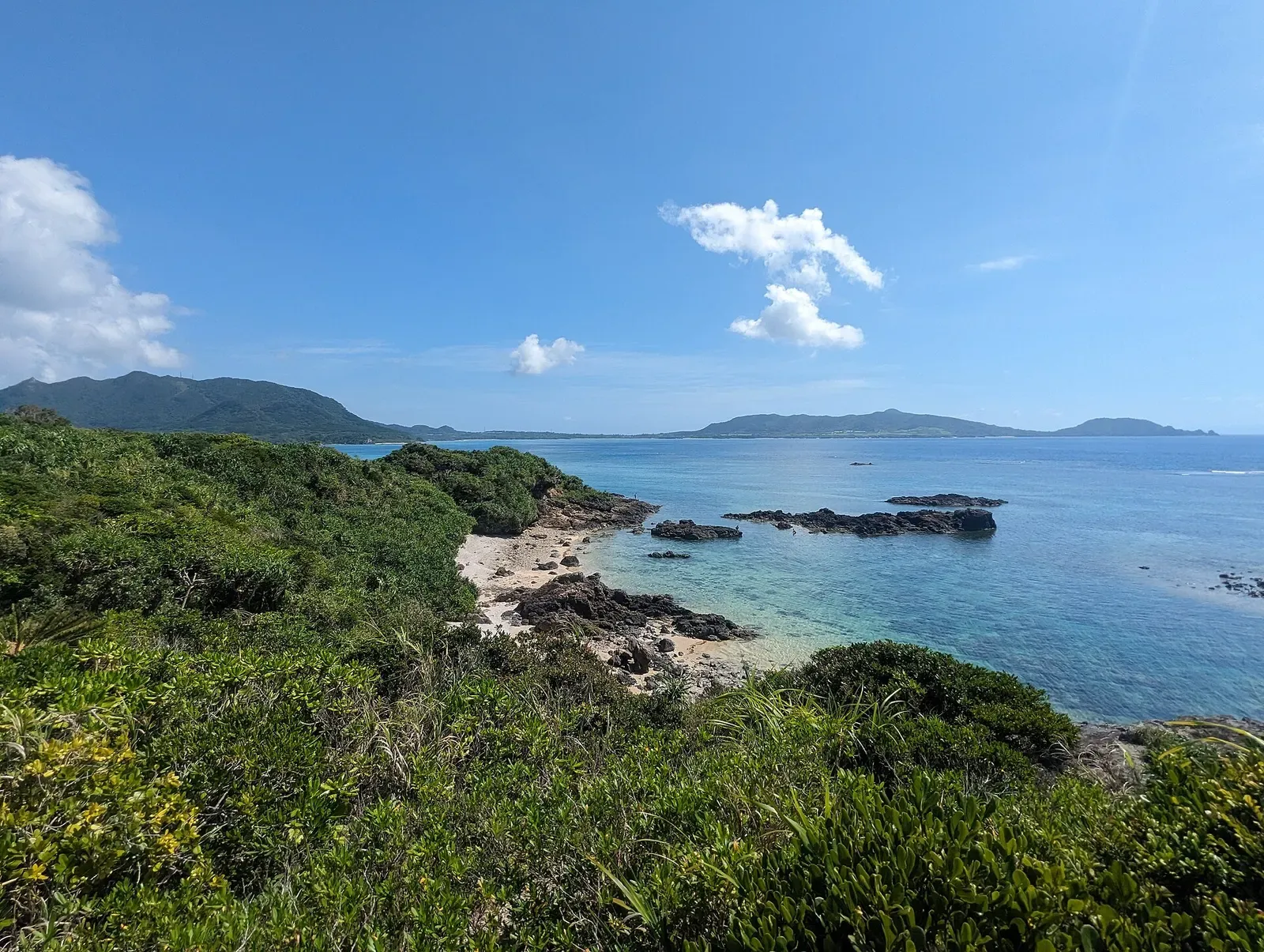
- An elevated view over a turquoise cove near Kabiraishi-zaki, close to Ishigaki's manta ray dive sites. by Syced, CC0, via Wikimedia Commons
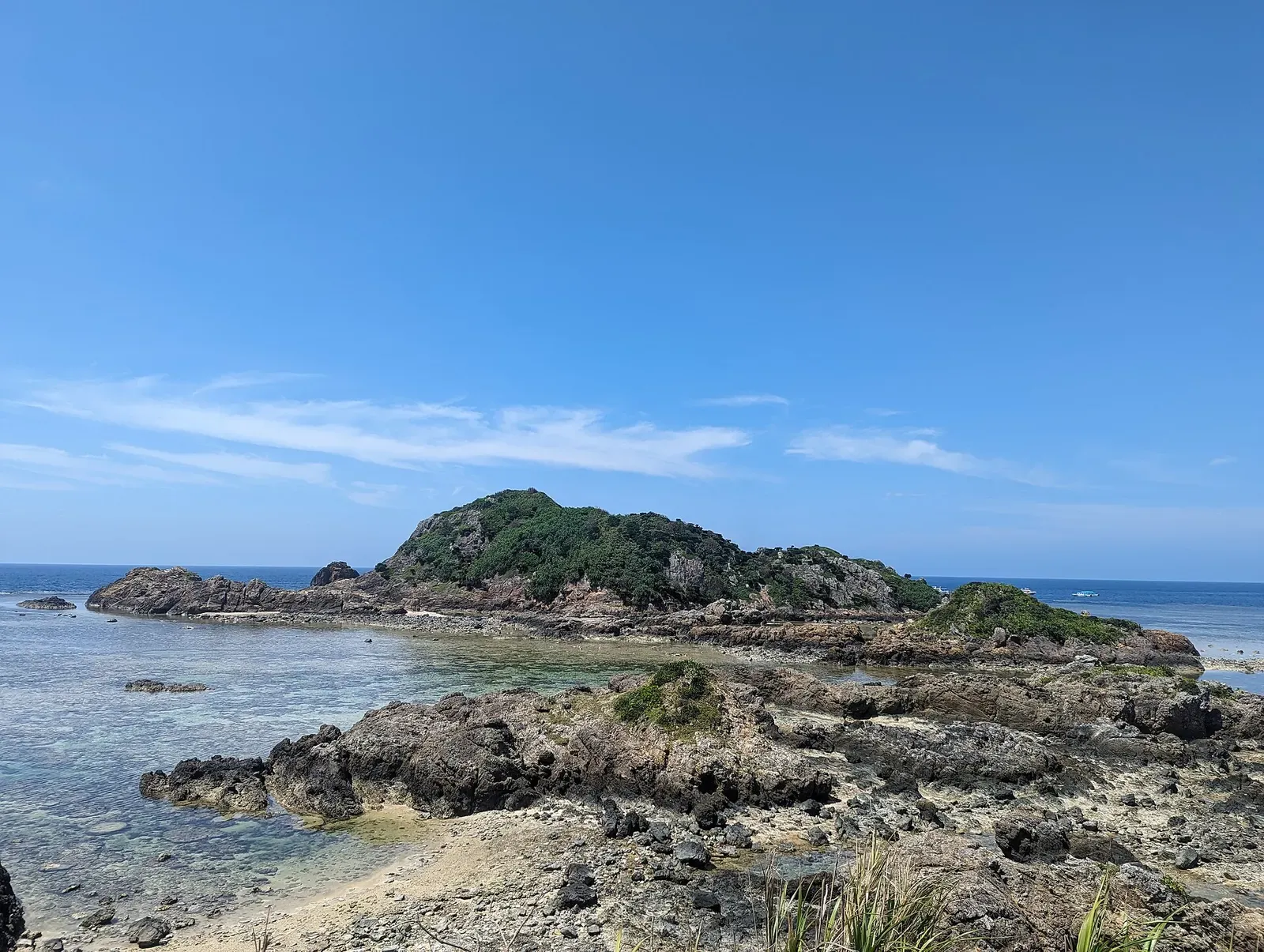
- A rocky headland juts into the sea at Kabiraishi-zaki on Ishigaki's north shore. by Syced, CC0, via Wikimedia Commons
Embed
Run a dive centre, club or blog? Embed this map of 5 dive sites near Ishigaki on your own page.
In The Logbook
- Where to dive with manta rays, month by monthBig animals · 8 min read
Similar destinations
East Asia
A constant-current drift through the Yonara Channel and its manta points.
Kuroshio-fed reefs with resident green turtles off Taiwan's volcanic isle

Shore-entry coral slopes at the warm southern tip of Taiwan


Kerama Blue visibility over coral gardens with turtles on nearly every dive.