
Julian Rocks · Australia · Cave & cavern
Cray Cave
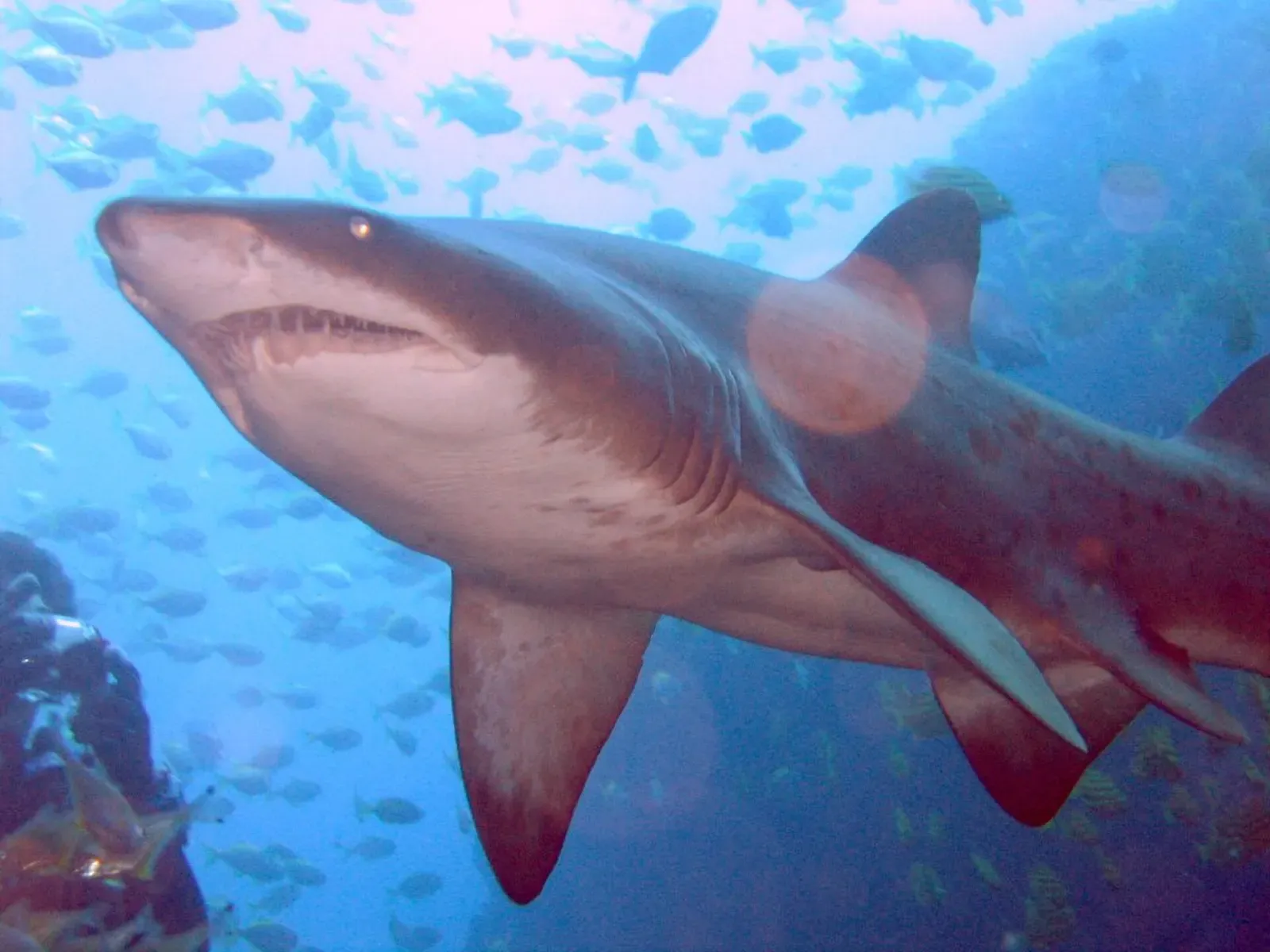
Grey nurse sharks around a cave at the island's deep end
Area photo: JulianGWilson · CC BY-SA 4.0
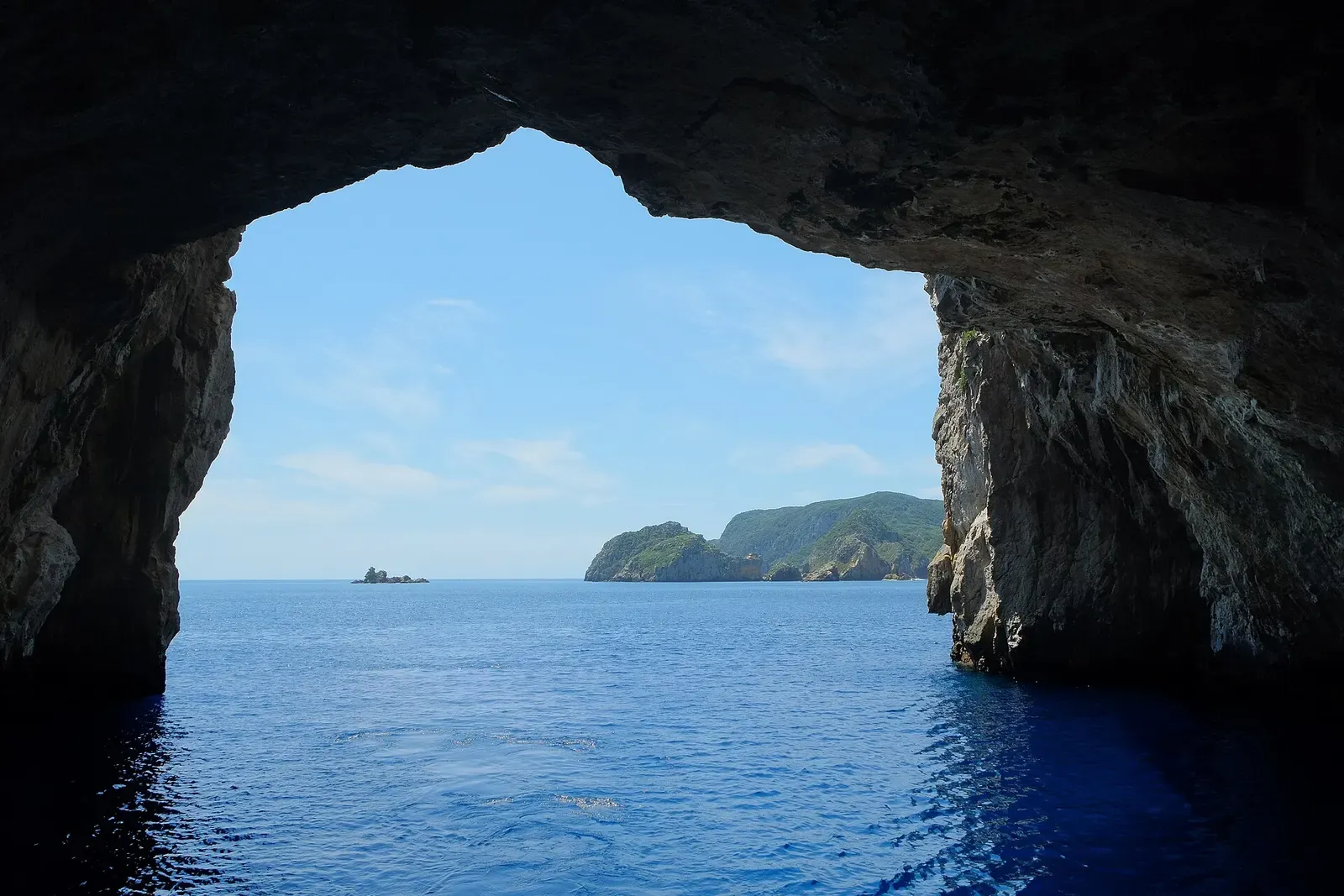
Cray Cave is a small cave ringed by large rock outcrops at the south-east end of Julian Rocks, with a maximum depth of 25 m — the deepest of the sites the local dive centre lists on the island, and the one it puts to more advanced divers. Grey nurse sharks are common around it right through winter, while wobbegongs, cods, turtles and large bull rays are on the site all year.
Also known as The Cray Cave.
Where it is and how deep
28.6124° S, 153.6308° EApproximate position — the dashed circle shows where the site lies; your operator's briefing has the mooring.
The dive
Cray Cave is at the south-east end of the island, a small cave set among large rock outcrops, and at a 25 m maximum it runs deeper than anything else the local centre dives on Julian Rocks. That is why it is put to more advanced divers, rather than because the cave itself is demanding, and the practical effect is a shorter dive than the shallow ground on the rest of the rock allows.
Winter is the season. Grey nurse sharks are commonly around the site through those months, often several at once, and Julian Rocks is one of about a dozen critical habitats for the species in New South Wales. The reserve sits inside a Cape Byron Marine Park sanctuary zone declared in 2006, so hold position and let the sharks come past rather than swimming in at them.
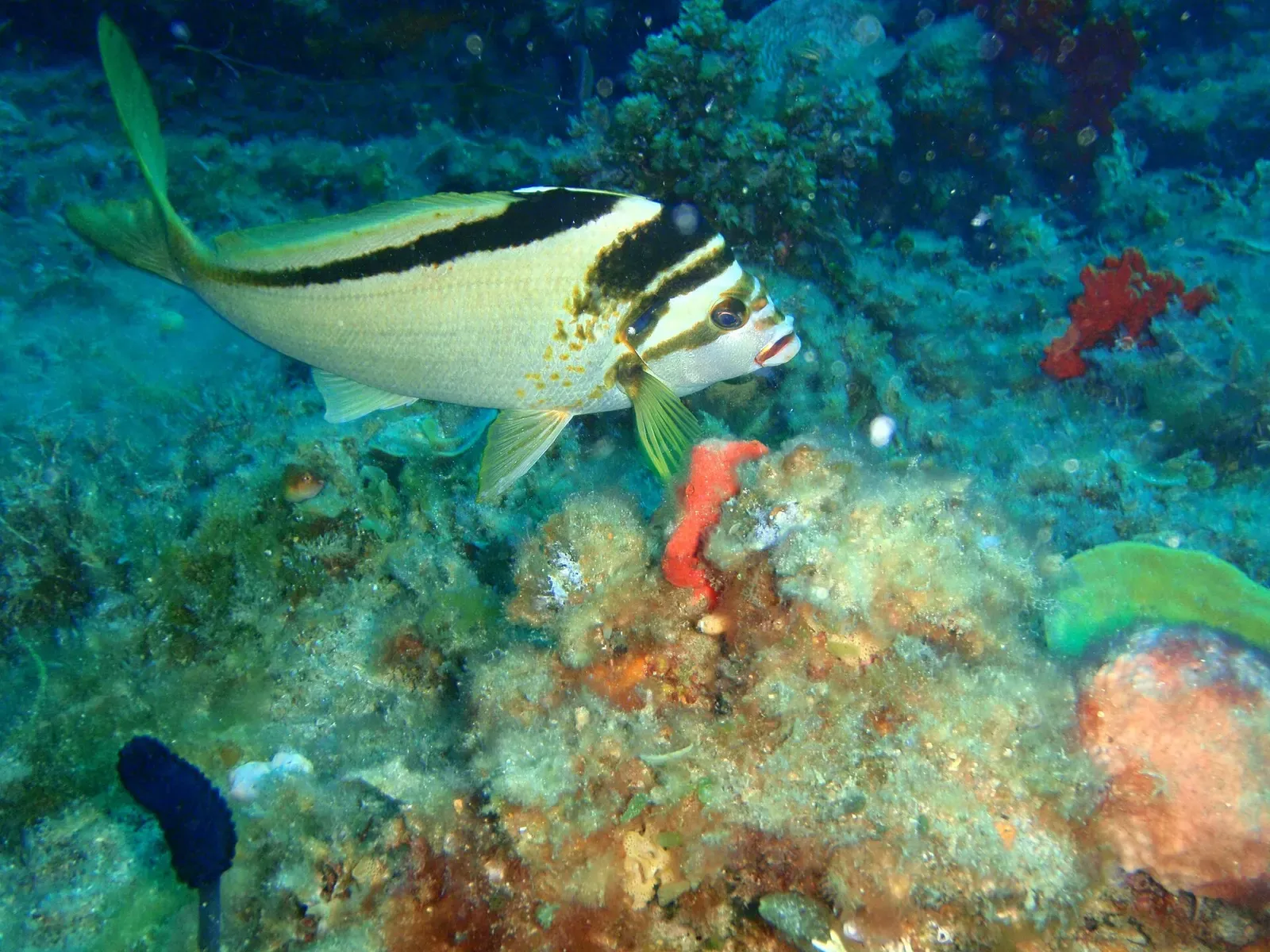
Outside the shark season the outcrops around the cave carry the dive. Wobbegongs, cods, turtles and large bull rays are on this site year-round, so a summer dive here is not a wasted one. The wobbegongs in particular lie flat against the rock and are easy to swim straight past, which is worth knowing before you put a hand on a ledge at 25 m.
Marine life and season
- Sand tiger sharks
- Wobbegongs
- Groupers
- Sea turtles
- Stingrays
| Jan | Feb | Mar | Apr | May | Jun | Jul | Aug | Sep | Oct | Nov | Dec |
|---|---|---|---|---|---|---|---|---|---|---|---|
| Prime | Prime | Prime | Good | Good | Prime | Prime | Prime | Prime | Good | Good | Prime |
Season follows Julian Rocks: Leopard sharks arrive Dec–Apr and grey nurse Jun–Nov, so the site has a marquee species almost year-round.
Know before you go
- A 25 m maximum on a rock where everything else is shallower: watch gas and no-decompression time, both of which run down faster here than on the rest of Julian Rocks.
- Grey nurse sharks gather around the cave in winter; do not corner them against the rock or block the way they came in.
Dive videos
Cod Hole and Cray Cave at Julian Rocks · TheNicko32 on YouTube
Questions divers ask
How deep is Cray Cave at Julian Rocks?+
It reaches 25 m at its deepest, which makes it the deepest of the sites the local dive centre lists on the island and the reason it is put to more advanced divers.
When are grey nurse sharks at Cray Cave?+
Through winter, when several are commonly around the site. Wobbegongs, cods, turtles and large bull rays are there year-round.
Sources
- Byron Bay Dive Centre — Julian Rocks dive sites — Byron Bay Dive Centre
- Julian Rocks dive site — PADI
- Nguthungulli Julian Rocks Nature Reserve — Wikipedia
More dive sites in Julian Rocks
A small cave at 15 to 21 m on the island's northern tip
Wall
Spanish dancers and pineapple fish on vertical rock at 18 m
Pinnacle
Bombies at 5 to 15 m where mantas come in to feed
Reef
Resident green, hawksbill and loggerhead turtles shelter here
Similar dives elsewhere

An L-shaped cave in from 14 m and out of the wall at 22 m
One of the largest ocean caverns in the Southern Hemisphere
A large whale jaw bone on the sand at 12 metres, inside the cave
.jpg)
Beginner and intermediate caves in stone, down to 28 m