
Julian Rocks · Australia · Reef
The Nursery
Resident green, hawksbill and loggerhead turtles shelter here
Area photo: JulianGWilson · CC BY-SA 4.0
The Nursery is the protected shallow ground at Julian Rocks and the island's most commonly dived site. It runs 5 to 12 m over a bottom holding more than 500 species of fish, many of them juveniles, and green, hawksbill and loggerhead turtles shelter and feed here. Entry is by boat, and the water is shallow enough that snorkellers work the same rock as divers on their first dive in the ocean.
Where it is and how deep
No published position for this site — the map shows Julian Rocks and its other sites; operators know the mooring.
The dive
Every dive at Julian Rocks is a boat dive, and The Nursery is the protected shallow end of the island — the site the local dive centre works most often. You drop onto a bottom that sits between 5 and 12 m and stays there, so depth never becomes the limiting factor on the dive. It is the ground used for new divers, and snorkellers work the same rock from the surface while a group is down.
The draw is density rather than depth. More than 500 different species of fish have been recorded on this ground, and a large share of what you see is juvenile: small, unbothered, tucked into the shelter of the rock. Covering distance matters less than working slowly along one patch, which will usually hold several species at once if you stop long enough to separate them.
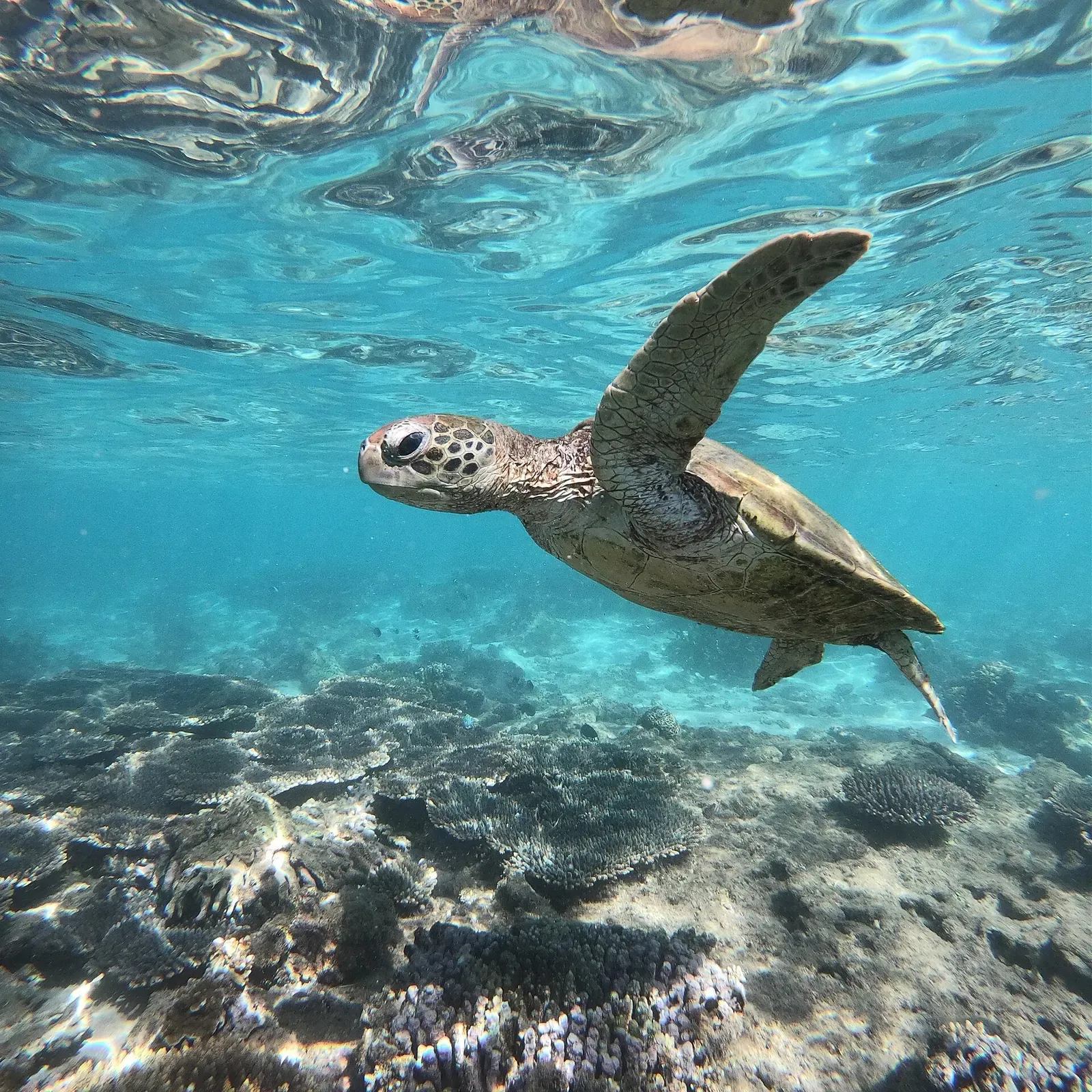
Turtles are the other reason to book it. Green, hawksbill and loggerhead turtles all use this ground as shelter and as a feeding area, and they are resident rather than seasonal. Because the water is shallow there is no depth pressure to move on, so you can stay with one animal as long as it tolerates you and still finish the dive with gas in hand.
Marine life and season
- Sea turtles
| Jan | Feb | Mar | Apr | May | Jun | Jul | Aug | Sep | Oct | Nov | Dec |
|---|---|---|---|---|---|---|---|---|---|---|---|
| Prime | Prime | Prime | Good | Good | Prime | Prime | Prime | Prime | Good | Good | Prime |
Season follows Julian Rocks: Leopard sharks arrive Dec–Apr and grey nurse Jun–Nov, so the site has a marquee species almost year-round.
Dive videos
Byron Bay - The Nursery - Scuba · Liam Stewart on YouTube
Questions divers ask
How deep is The Nursery at Julian Rocks?+
Between 5 and 12 m. It is the shallow, protected ground on the island, which is why the dive centre uses it for new divers and why snorkellers can work the same rock from the surface.
Can beginners dive The Nursery?+
Yes. The local dive centre describes it as the site for new divers and snorkellers, a protected shallow haven of 5 to 12 m, and Open Water certification covers it. Access is by boat, as it is for every dive on Julian Rocks.
Sources
- Byron Bay Dive Centre — Julian Rocks dive sites — Byron Bay Dive Centre
- Julian Rocks dive site — PADI
- Nguthungulli Julian Rocks Nature Reserve — Wikipedia
In The Logbook
- Where to dive with sea turtlesBig animals · 15 min read
More dive sites in Julian Rocks
A small cave at 15 to 21 m on the island's northern tip
Cave & cavern
Grey nurse sharks around a cave at the island's deep end
Wall
Spanish dancers and pineapple fish on vertical rock at 18 m
Pinnacle
Bombies at 5 to 15 m where mantas come in to feed
Similar dives elsewhere
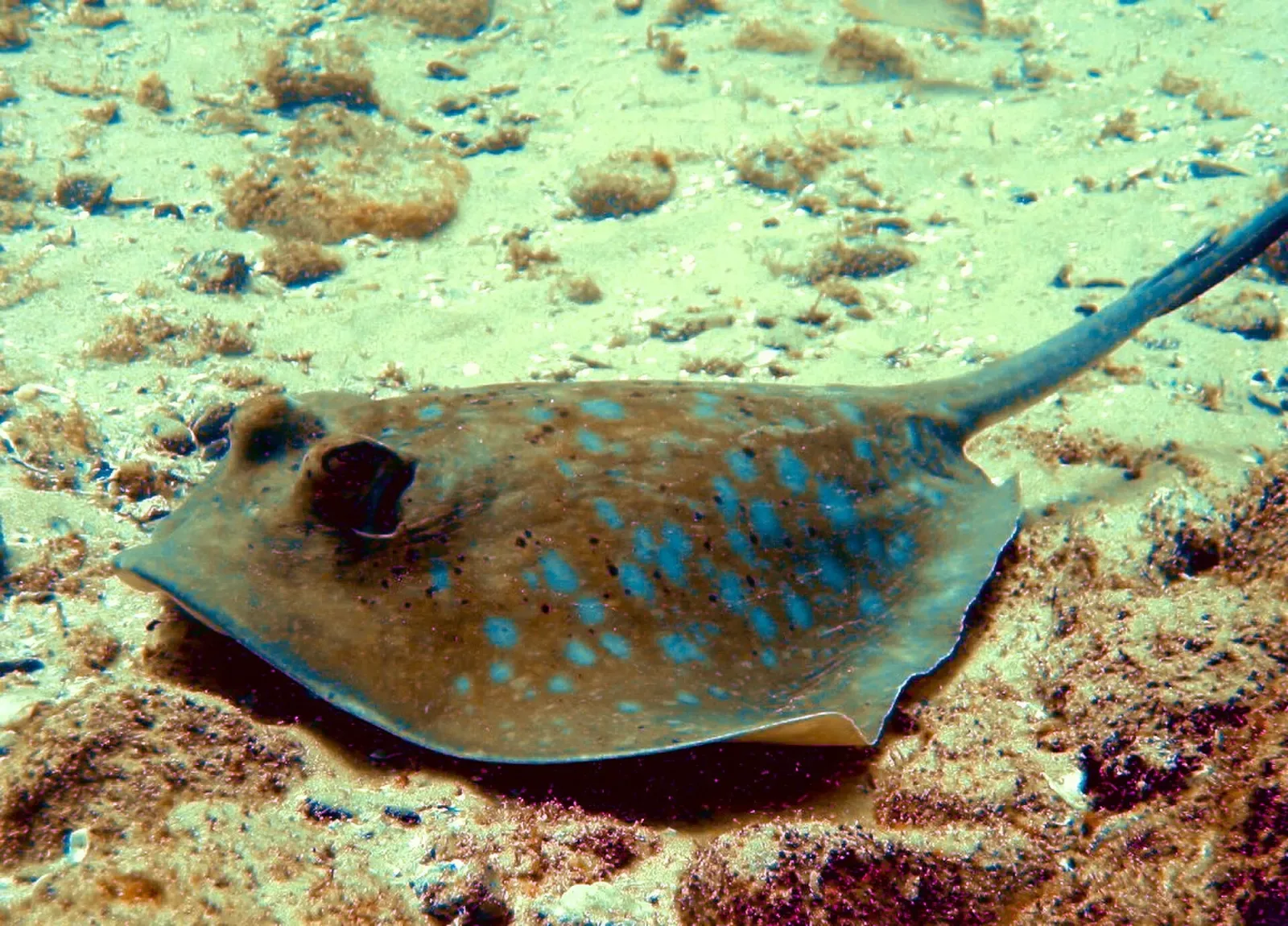
A tennis-court-sized reef with resident green turtles
Shore-entry reef with a spring nursery of young tiger sharks

Ledges and ground cracks in a no-take sanctuary zone

.jpg)
Rocky ledges and cracks at 12-14 m inside a no-anchor sanctuary zone