
Kaikōura · New Zealand · Wall · Pelagic & blue water
Kaikōura Canyon
Thirty metres at the head, then 600, then 2,000
Area photo: Bernard Spragg. NZ from Christchurch, New Zealand · Public domain
A geologically active submarine canyon southwest of the Kaikōura Peninsula. At the canyon head the water is around 30 metres deep, then drops rapidly to 600 metres and continues down to about 2,000. That deep water lies only about a kilometre off the shoreline, which is why sperm whales, dolphins and orca feed this close in.
Also known as Kaikoura Canyon.
Where it is and how deep
42.5500° S, 173.7169° EPublished position for this site.
The dive
This is a dive on the edge of something rather than into it. At the head of the canyon, southwest of the peninsula, the water is around 30 metres deep; from there the seabed drops rapidly to 600 metres and continues to about 2,000. No operator publishes a route, entry point or turn-around depth for the canyon, so the figures describe the geology rather than a dive anyone has written down.
What the geology buys is proximity. The deep water is only about a kilometre off the shoreline, so animals that elsewhere mean a long offshore run are working within sight of land: sperm whales, large pods of dusky dolphins, small groups of Hector's dolphins, orca, and humpback whales passing through on their northern winter migration. On the reefs around the canyon, pāua, kina and rock lobster are the residents.
Far below diveable depth, the canyon floor carries a benthic community measured at 10 to 100 times the abundance of comparable deep-sea habitat — sea cucumbers, heart urchins, bristle worms and spoon worms at a density of around 500 individuals per square metre. Part of the canyon sits inside the Hikurangi Marine Reserve, 10,416 hectares established in 2014, in which no fishing, harvesting or mining is allowed and only limited passive recreation is available.
Background
The 2016 Kaikōura earthquake reached the canyon as well as the coast, causing submarine mudslides and sediment flows that devastated the deep-sea life on the canyon floor — ground that had been recorded at 10 to 100 times the abundance of comparable deep-sea habitat. Part of the canyon is now covered by the Hikurangi Marine Reserve, established in 2014 and covering 10,416 hectares in which no fishing, harvesting or mining is allowed and only limited passive recreation is available.
Marine life and season
- Whales
- Orcas
- Dolphins
| Jan | Feb | Mar | Apr | May | Jun | Jul | Aug | Sep | Oct | Nov | Dec |
|---|---|---|---|---|---|---|---|---|---|---|---|
| Prime | Prime | Prime | Good | Good | Fair | Fair | Fair | Good | Good | Prime | Prime |
Season follows Kaikōura: Nov–Mar is warmest and calmest; sperm whales and seals are present year-round, and dusky dolphin pods are largest in winter.
Know before you go
- The seabed falls from about 30 m at the canyon head to 600 m, so there is no bottom to stop a runaway descent: plan the profile on the shallow side and keep a visual reference throughout.
- Part of the canyon sits inside the Hikurangi Marine Reserve, which is open only to limited passive recreation. Confirm the boundary and what is permitted before planning a dive here.
Questions divers ask
How deep is the Kaikōura Canyon?+
Around 30 metres at the head, dropping rapidly to 600 metres and continuing down to about 2,000 metres. Only the shallow head is within recreational range, no operator publishes a dive route for the canyon, and the canyon proper is far beyond diveable depth.
Why is there so much wildlife off Kaikōura?+
The canyon's deep water comes to within about a kilometre of the shoreline, so deep-water habitat sits unusually close to shore. Sperm whales, dusky and Hector's dolphins, orca and migrating humpback whales all use the area.
Sources
- Kaikōura Canyon — Wikipedia
- Hikurangi Marine Reserve — Wikipedia
In The Logbook
- Where to dive in DecemberTrip planning · 10 min read
- Where to dive in every month of the yearTrip planning · 14 min read
- Where can you legally swim with whales?Big animals · 14 min read
- Cold-water diving: is it worth the drysuit?Cold water · 8 min read
Similar dives elsewhere
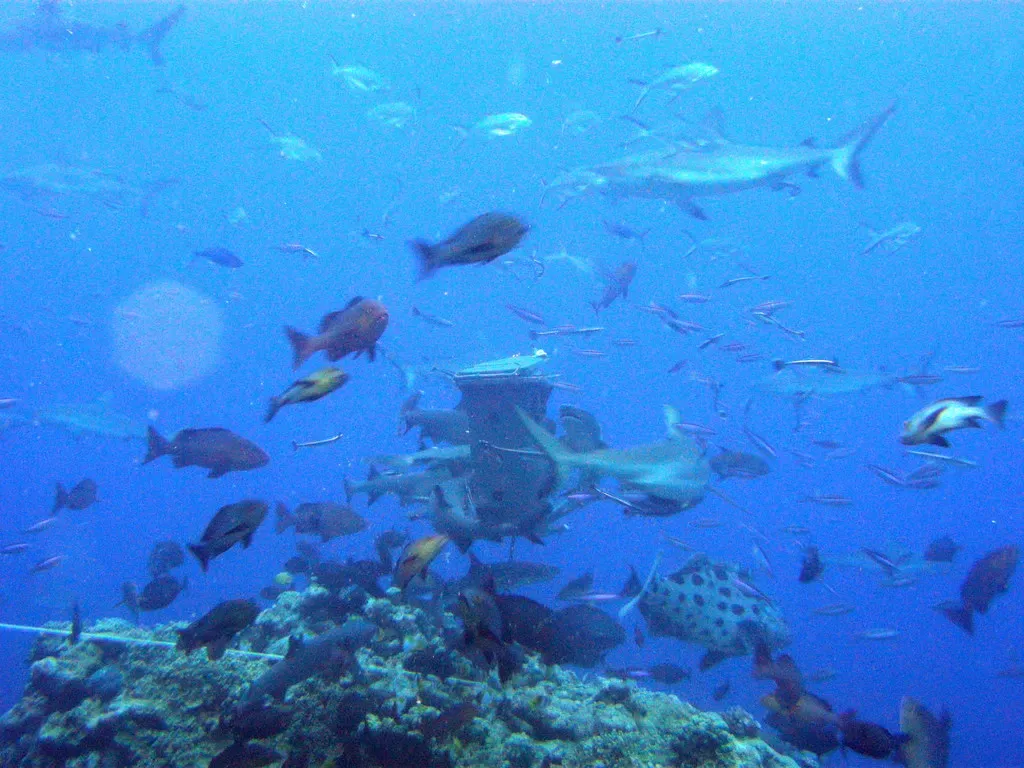
Ten to thirty sharks work the ledges when the drum goes in

Gullies and trenches between reef turrets, and a gorgonian-filled overhang.
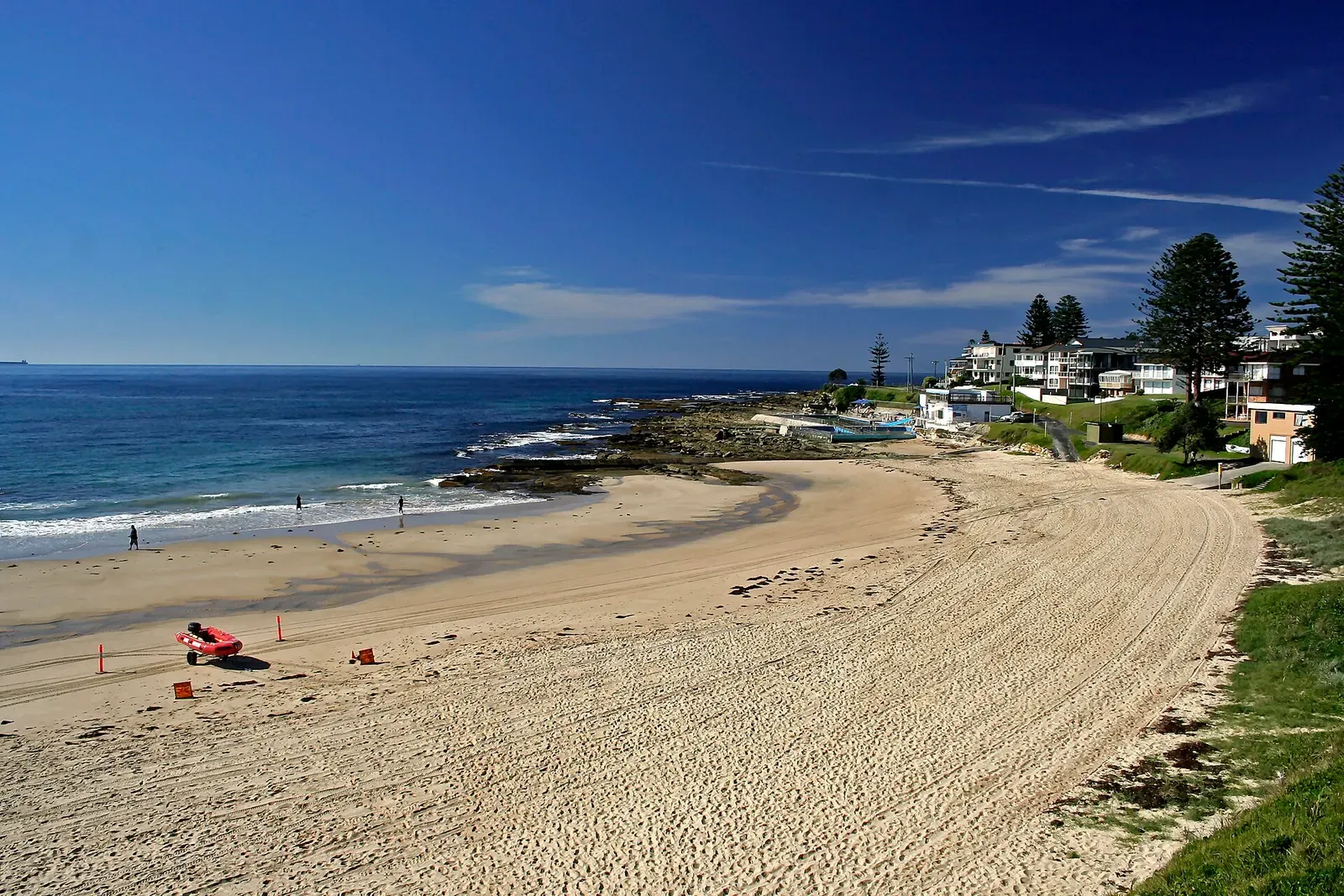
Wall and bommies with fiddler rays and eagle rays, dived above or below 20 m

.jpg)
A broken wall from 12 m to 30 m, cut with overhangs