Mediterranean · Greece
Kos & the Kefalos Peninsula
Amphora shards over 800 years old on The Potteries reef off Pserimos
Kos is a Greek island whose day boat from Kos harbour dives Pserimos, the island between Kos and Kalymnos, while a base on St. Stefanos beach at Kefalos, opposite Kastri islet, has reefs close by. The Pserimos sites mix reef and history: amphora shards at The Potteries, nudibranchs on Trigger Reef, the broken steel wreck of the Thor Star and a cave among drop-offs at The Cave of the Black Rock. The wreck’s stern and the cave are the dives for experienced divers.
About diving in Kos & the Kefalos Peninsula
Boat days start in Kos harbour, where the day boat leaves at 09:00 for Pserimos, the island between Kos and Kalymnos whose reefs, wreck and cave are the core of the diving. Some dives begin with a zodiac ride from the big boat to the start of the site and end with a pick-up where the drift finishes. The captain may swap the planned sites on the day as the weather and sea change. At Kefalos a base on St. Stefanos beach, opposite Kastri islet, stands 30 m from the sea with reefs close by.
Underwater the boat sites are rocky reef running down to sand, broken by walls, drop-offs and caves. One drift follows a vertical wall that levels out at an outcrop at 18 m before falling away to around 50 m. The Thor Star, a steel ship 73.51 m long, now rests broken on the bottom off the south-east side of Pserimos, and at The Cave of the Black Rock the cave mouth is about 7 m high and 5 m wide. On the drift down the sheltered side of the Island, an islet in the mouth of a bay, the current runs from nothing to moderate.
The Potteries and Trigger Reef suit divers who want to stay shallow: the reef meets the sand at about 12 m on The Potteries and about 14 m on Trigger Reef, so there is nothing to gain by going deeper. The cave and the wreck are the dives to build up to, the cave for experienced divers and the wreck’s deep stern for experienced wreck divers. Photographers should know that the amphorae at The Potteries may not be photographed, while the nudibranchs on Trigger Reef make good subjects for macro photography.
Best time to dive Kos & the Kefalos Peninsula
| Jan | Feb | Mar | Apr | May | Jun | Jul | Aug | Sep | Oct | Nov | Dec |
|---|---|---|---|---|---|---|---|---|---|---|---|
| Fair | Fair | Fair | Good | Good | Good | Good | Good | Good | Good | Fair | Fair |
The St. Stefanos base at Kefalos opens on 25 April and stays open every day until 5 November. From April to October the water on that side gives visibility of over 25 m. The sea warms to its peak in August, at about 26 °C, and after the base closes it keeps cooling to a low near 17 °C in February.
Best months: April, May, June, July, August, September, October
Dive types & marine life
Octopuses and scorpionfish hide under the pottery fragments at The Potteries, and on Trigger Reef nudibranchs such as Flabellina affinis and the pilgrim hervia are a near-certain find most of the summer. The Thor Star draws more big fish than the sites around it: jacks, bonito and snappers, and sometimes tuna.
- Reef
- Wreck
- Wall
- Cave & cavern
- Drift
- Octopus & cuttlefish
- Nudibranchs
- Trevally & jacks
Best dive sites in Kos & the Kefalos Peninsula
- 1
The Potteries
Reef some 12 m down, its seabed covered in amphora shards, some more than 800 years old.
- 2
Thor Star
Steel ship lying in three pieces, the stern at 24 m; a wreck for experienced wreck divers.
- 3
The Cave of the Black Rock
Plateaus and drop-offs off the north-east of Pserimos, for experienced divers only.
- 4
Trigger Reef
Reef at about 14 m, close enough to The Potteries to dive both on the same day.
Site guides
Reef
Volcanic activity of Kos showing itself on the seabed
Cave & cavern
Shallow caverns that keep the whole dive above 12 m
Pinnacle
A pinnacle rising to within 2 m of the surface
Cave & cavern
Schools of barracuda in the blue off a drop-off that falls to around 50 m
Reef
Amphora shards, some more than 800 years old, spread over the reef
Wreck
A loading crane that leads across the wreck to the bridge and propeller
Reef
Nudibranchs and Flabellina affinis grazing on the reef
How to get to Kos & the Kefalos Peninsula
Kos airport has a public bus to Kos Town via Mastichari and on to Kefalos. Buses from the other resorts reach Kos Town in time for the morning dive boat from the harbour, and transfers can also be arranged for a fee.
Questions divers ask
Can divers take amphora fragments from The Potteries?+
No. Greek law forbids removing the pottery fragments from the seabed, so the shards stay where they lie.
Is The Cave of the Black Rock suitable for newly certified divers?+
No. The Cave is for experienced divers only. The Potteries, an easy reef dive off the same island, is the better choice for newer divers.
What happens to the boat dive when the wind is up?+
The boat from Kos harbour departs every day the wind’s force and direction permit, so a strong or badly placed wind cancels the trip.
Sources
- Sea World Scuba Diving Center Kos — Sea World Scuba Diving Center Kos
- About us — Sea World Scuba Diving Center Kos
- Our daily program — Liamis Dive Centre
- Dive Sites in Kos & nearby islands — Liamis Dive Centre
- Kos Island for Scuba Divers: The Best Diving Spots — Astir Odysseus Kos Resort & Spa
- Kos Average Sea Temperatures — seatemperature.org
- Kos — Wikivoyage
Embed
Run a dive centre, club or blog? Embed this map of 12 dive sites near Kos & the Kefalos Peninsula on your own page.
Similar destinations

A hot spring vents into the sea off Karaada's caves
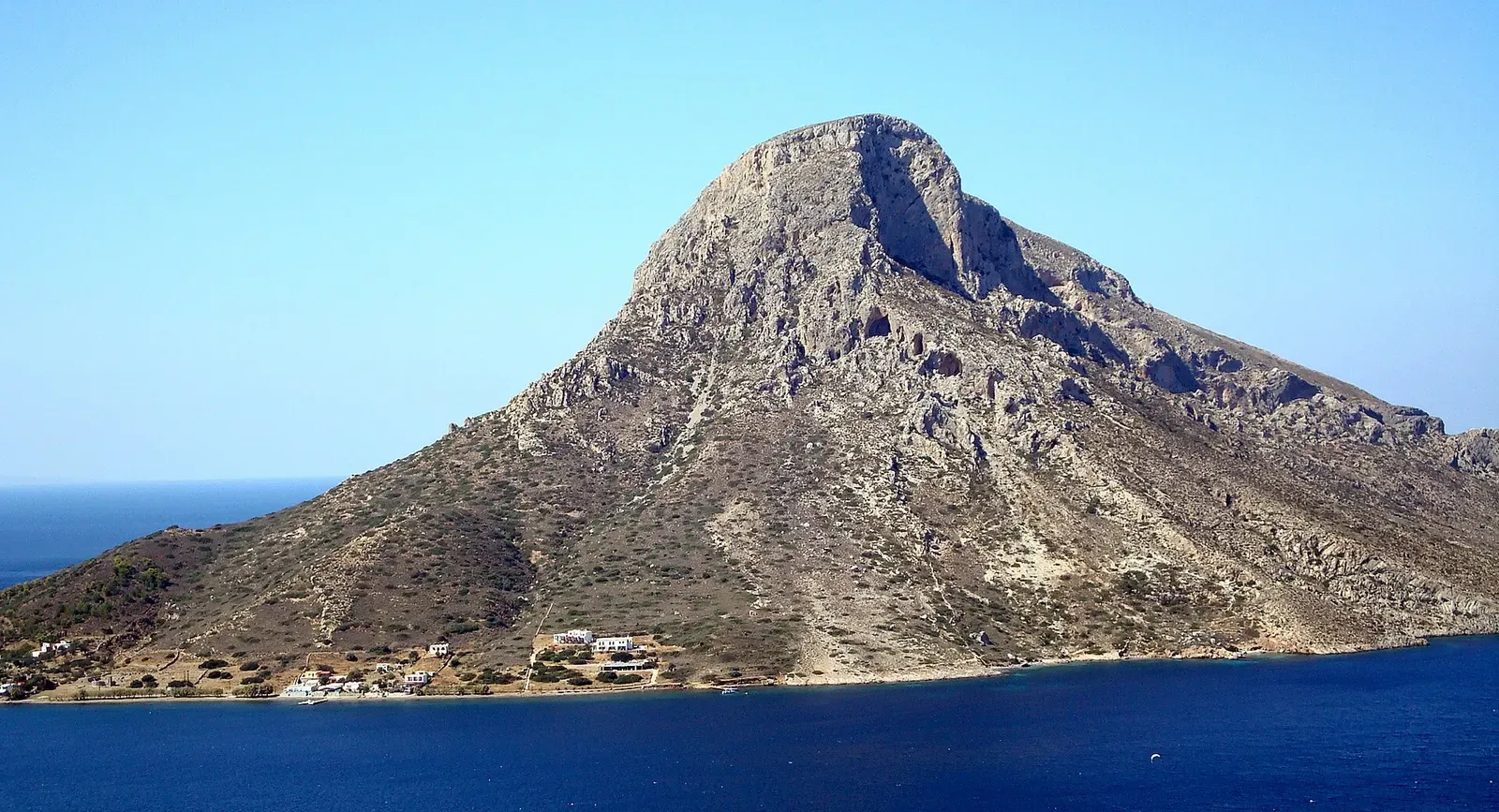
Caves, arches and gorges in the Labyrinth of Telendos
Mediterranean
Leros & Lakki
Greece
Battle of Leros wrecks from 1943, led by the destroyer Vasilissa Olga
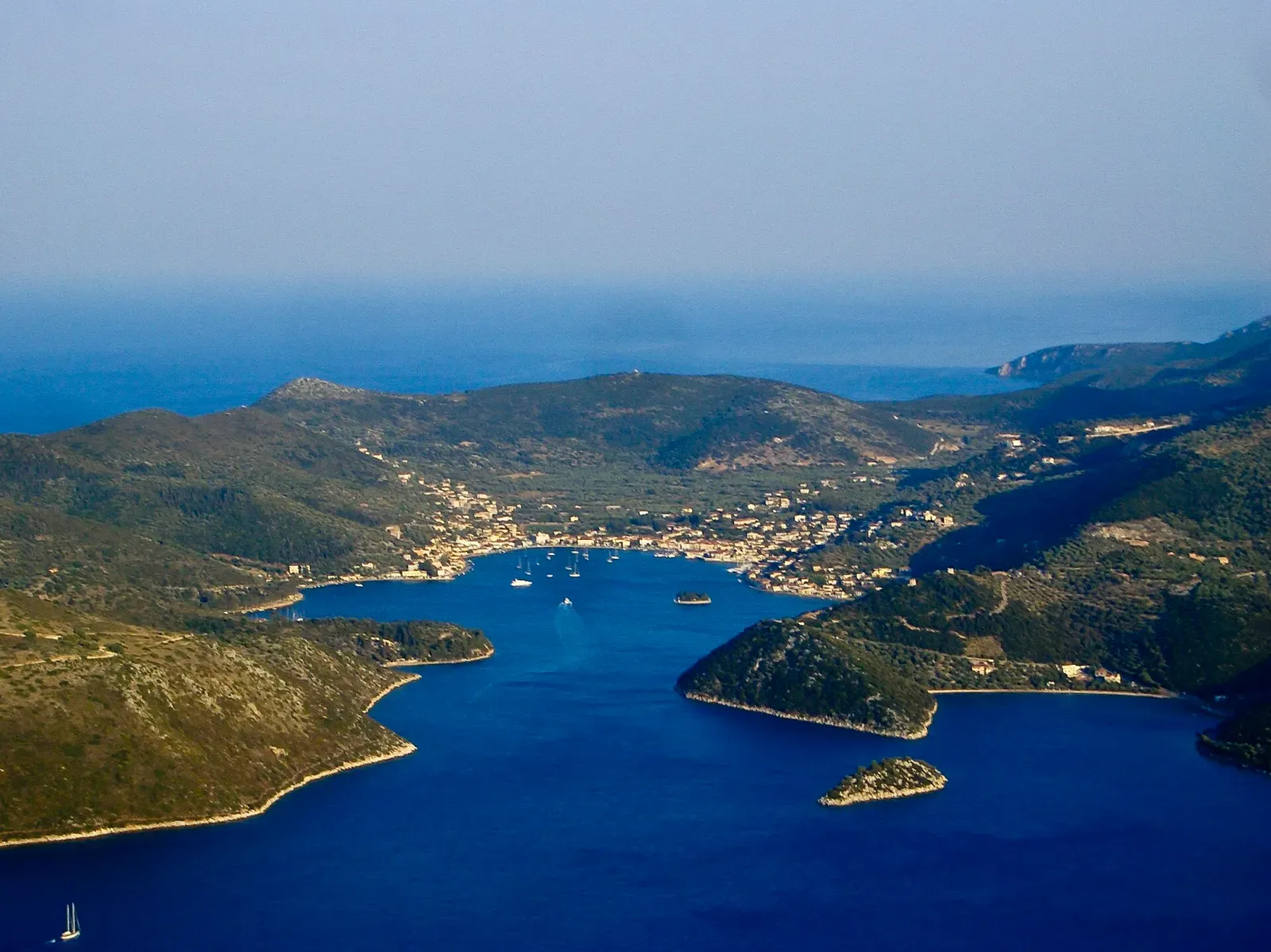
Caves and grottoes lit through their roofs on both sides of the Ithaca channel