Australia & New Zealand · Australia
Mooloolaba
Grey nurse sharks in winter and a scuttled destroyer in 28 m
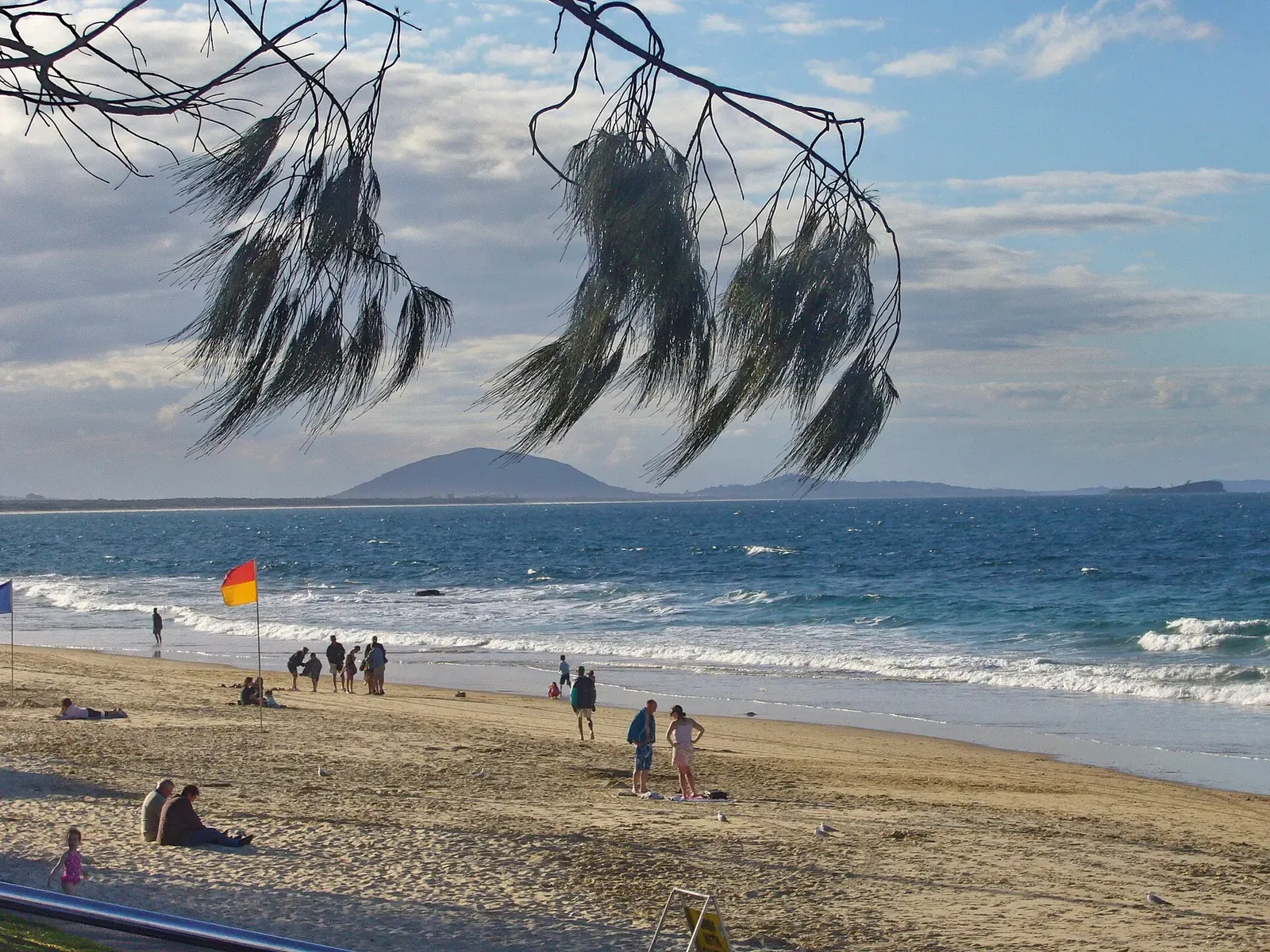
Photo: Tanya Dedyukhina · CC BY 3.0
Mooloolaba is a Sunshine Coast harbour town whose two dive centres, both working this coast since the 1970s, run day boats about fifteen minutes out to a cluster of rock reefs and to the ex-HMAS Brisbane, a 133 m destroyer scuttled off Mudjimba in 2005 and sitting upright with her hull in 28 m. The reef sites — Nurse Rock, Hanging Rock, The Hole, the Pinnacles and the Old Woman Island ledge — run roughly 5 to 24 m, and grey nurse sharks aggregate at Nurse Rock from July to October.
About diving in Mooloolaba
Everything here runs off a day boat from Mooloolaba Harbour. Two centres work the town, Sunreef with roots back to 1976 and Scuba World since 1979, and Scuba World alone lists up to fifteen sites along this stretch of the Sunshine Coast. Once a boat clears the calm water of the Mooloolah River system the ride out to the reef is about fifteen minutes, and the ex-HMAS Brisbane lies 2.8 nautical miles off Mudjimba. Operators ask for a certification card or a signed dive log proving the depth a diver has already dived to.
The reefs are rock with coral growing over it: ledges, overhangs and boulder piles rather than a tropical coral garden. Hanging Rock is an outcrop leaning over a sandy trench at 13 to 19 m, MKVI an east-west ledge at 10 to 17 m with a mini cave that usually holds large pelagics, wobbegongs and slipper lobsters, and the Pinnacles two towers rising from sand at 24 m to tops at 14 and 16 m, all on the Outer Gneerings. Old Woman Island, also called Mudjimba Island, carries a ledge from 16 m up to 5 m and is a haven for turtles. Several sites hold enough nudibranchs to be dived for them alone, and more than 200 fish species have been recorded at the wreck site.
The wreck is not currently the dive it was. Tropical Cyclone Alfred crossed the coast in March 2025 and lifted the forward smoke stack off the hull, setting it down intact on the sand, and both operators now list the ex-HMAS Brisbane as external only, with no penetration at this stage. It runs 6 to 28 m and is still sold to Open Water divers. The deeper reef is gated by certification instead: Murphys Reef, where Ship Rock runs 23 to 32 m and the Pyramids 19 to 31 m, needs Advanced or Deep, and a double-deep Mooloolaba Coral Reef trip mandates Nitrox certification and Nitrox use.
It suits divers based in Brisbane or on the Sunshine Coast who want a two-dive morning without a long trip, and newer divers holding Open Water, since most named reef sites are certifiable at that level and Mudjimba Island is sheltered enough for training. The operators still ask for prior boat diving and a dive to 15 m, and push a skills update on anyone out of the water a while. Divers travelling specifically to swim inside a wreck should wait for the Brisbane to be reassessed or go elsewhere; South West Rocks, further south, has both an overhead dive and grey nurse sharks.
Best time to dive Mooloolaba
| Jan | Feb | Mar | Apr | May | Jun | Jul | Aug | Sep | Oct | Nov | Dec | |
|---|---|---|---|---|---|---|---|---|---|---|---|---|
| Season | Fair | Fair | Fair | Fair | Good | Good | Prime | Prime | Prime | Prime | Fair | Fair |
| Sea surface | 26°C79°F | 27°C81°F | 26°C79°F | 25°C77°F | 23°C73°F | 22°C72°F | 21°C70°F | 20°C68°F | 21°C70°F | 22°C72°F | 24°C75°F | 25°C77°F |
| Daytime high | 31°C88°F | 31°C88°F | 29°C84°F | 27°C81°F | 25°C77°F | 23°C73°F | 23°C73°F | 24°C75°F | 27°C81°F | 29°C84°F | 30°C86°F | 31°C88°F |
| Rain | 174 mm6.9 in | 186 mm7.3 in | 187 mm7.4 in | 97 mm3.8 in | 92 mm3.6 in | 70 mm2.8 in | 46 mm1.8 in | 45 mm1.8 in | 34 mm1.3 in | 80 mm3.1 in | 75 mm3.0 in | 116 mm4.6 in |
| Jan | Feb | Mar | Apr | May | Jun |
|---|---|---|---|---|---|
| Fair | Fair | Fair | Fair | Good | Good |
| Sea surface | |||||
| 26°C79°F | 27°C81°F | 26°C79°F | 25°C77°F | 23°C73°F | 22°C72°F |
| Daytime high | |||||
| 31°C88°F | 31°C88°F | 29°C84°F | 27°C81°F | 25°C77°F | 23°C73°F |
| Rain | |||||
| 174 mm6.9 in | 186 mm7.3 in | 187 mm7.4 in | 97 mm3.8 in | 92 mm3.6 in | 70 mm2.8 in |
| Jul | Aug | Sep | Oct | Nov | Dec |
|---|---|---|---|---|---|
| Prime | Prime | Prime | Prime | Fair | Fair |
| Sea surface | |||||
| 21°C70°F | 20°C68°F | 21°C70°F | 22°C72°F | 24°C75°F | 25°C77°F |
| Daytime high | |||||
| 23°C73°F | 24°C75°F | 27°C81°F | 29°C84°F | 30°C86°F | 31°C88°F |
| Rain | |||||
| 46 mm1.8 in | 45 mm1.8 in | 34 mm1.3 in | 80 mm3.1 in | 75 mm3.0 in | 116 mm4.6 in |
2011–2025 averages. Sea surface: NOAA Coral Reef Watch, measured at the surface, so deeper water can run colder. Daytime high and rain: NASA POWER.
Grey nurse sharks hold at Nurse Rock July–October, the months operators also rate clearest; summer is murkier and falls inside the November–April cyclone season.
Best months: July, August, September, October
Mooloolaba water temperature and weather by month
The sea surface runs from 20 °C (68 °F) in August to 27 °C (81 °F) in February. It is 24 °C (75 °F) or warmer from November to April. Most rain falls from December to March, peaking at about 190 mm (7.5 in) in March; July to September are the driest. Daytime highs reach 31 °C (88 °F) in January and drop to 23 °C (73 °F) in July. The coldest water here is about 19 °C (66 °F), so pack a 5 mm suit.
Dive types & marine life
Grey nurse sharks aggregate at Nurse Rock in winter, July to October, wobbegongs are the summer draw at the same site, and humpback whales pass through the cooler months. Turtles are named on the Old Woman Island reef and on the ex-HMAS Brisbane, which also draws bull, shovelnose and eagle rays, leopard sharks and Queensland groupers. Nudibranchs are the macro constant.
- Reef
- Wreck
- Cave & cavern
- Muck & macro
- Night
- Sand tiger sharks
- Wobbegongs
- Sea turtles
- Eagle rays
- Groupers
- Nudibranchs
- Whales
Best dive sites in Mooloolaba
Reef
Thousands of anemones, and shrimp 5 mm long
Wreck
A 133 m destroyer on sand at 28 m, dived outside only
Wall
A 50 m wall with an overhang you shoot from underneath
Reef
A mini cave that usually holds pelagics and wobbegongs
Reef
Grey nurse sharks on the rock from July to October
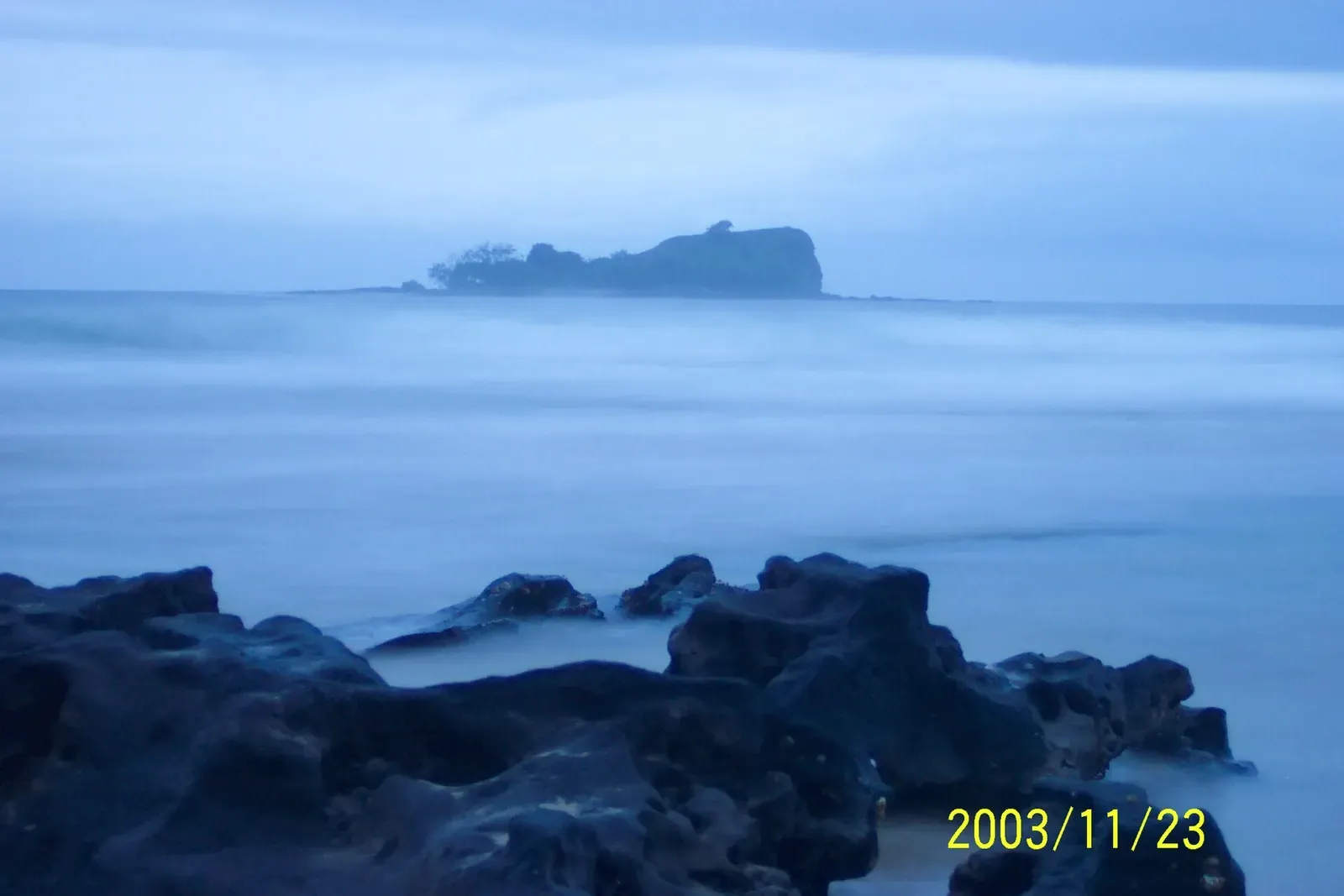
Sheltered ledge from 16 m up to 5 m, thick with nudibranchs
Reef
Eighty metres of coral-covered boulders on open sand
Reef
Reef shaped like a hull, in 23 to 32 m
Reef
A 12 m ledge where rays stop to be cleaned
Reef
A 3 m hole dropping into a bowl of wobbegongs and groupers
Pinnacle
Two towers off the sand at 24 m, tops at 14 and 16 m
Reef
Shallow reef of nooks and crannies, anchor at 10 m
Murphys Reef
Advanced ground at 19 to 32 m: Ship Rock and the Pyramids, an 80 m coral-encrusted boulder pile.
How to get to Mooloolaba
Mooloolaba is 97 km north of Brisbane, about an hour's drive, or half an hour south of Sunshine Coast Airport, which is 10 km north of Maroochydore and has daily flights to Sydney and Melbourne. Flixbus stops here on its Brisbane–Cairns route. Both dive centres are based at Mooloolaba Harbour on the Mooloolah River.
Photo credits
- Mooloolaba Beach with hanging casuarina branches, a surf lifesaving flag and an island visible offshore by Tanya Dedyukhina, CC BY 3.0, via Wikimedia Commons
Embed
Run a dive centre, club or blog? Embed this map of 10 dive sites near Mooloolaba on your own page.
In The Logbook
- Nudibranchs: species, habits and where to diveMacro & muck · 13 min read
- Ships sunk on purpose, and where to dive themWrecks · 14 min read
Similar destinations
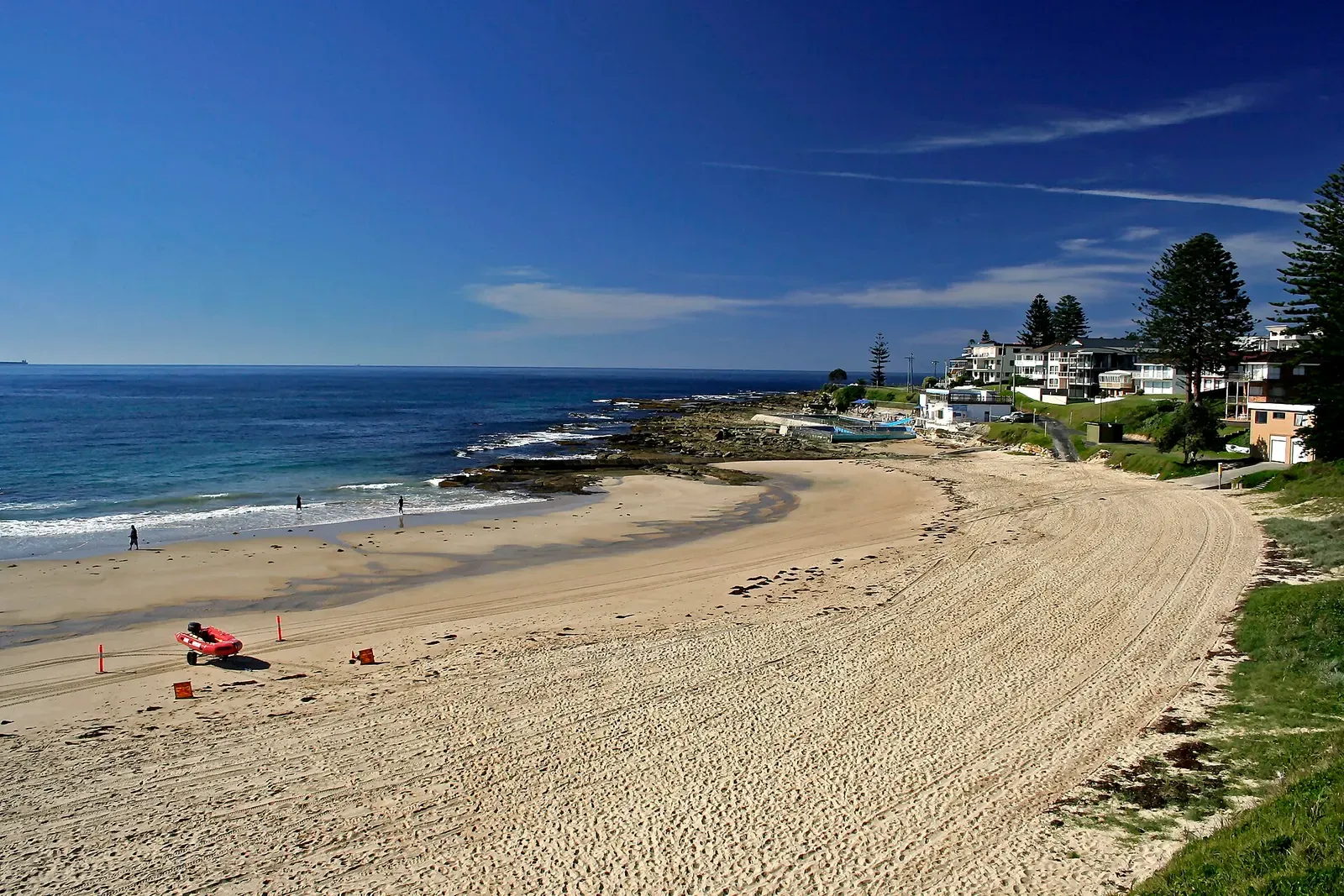
Blue gropers, seagrass critters and deep collier wrecks an hour north of Sydney
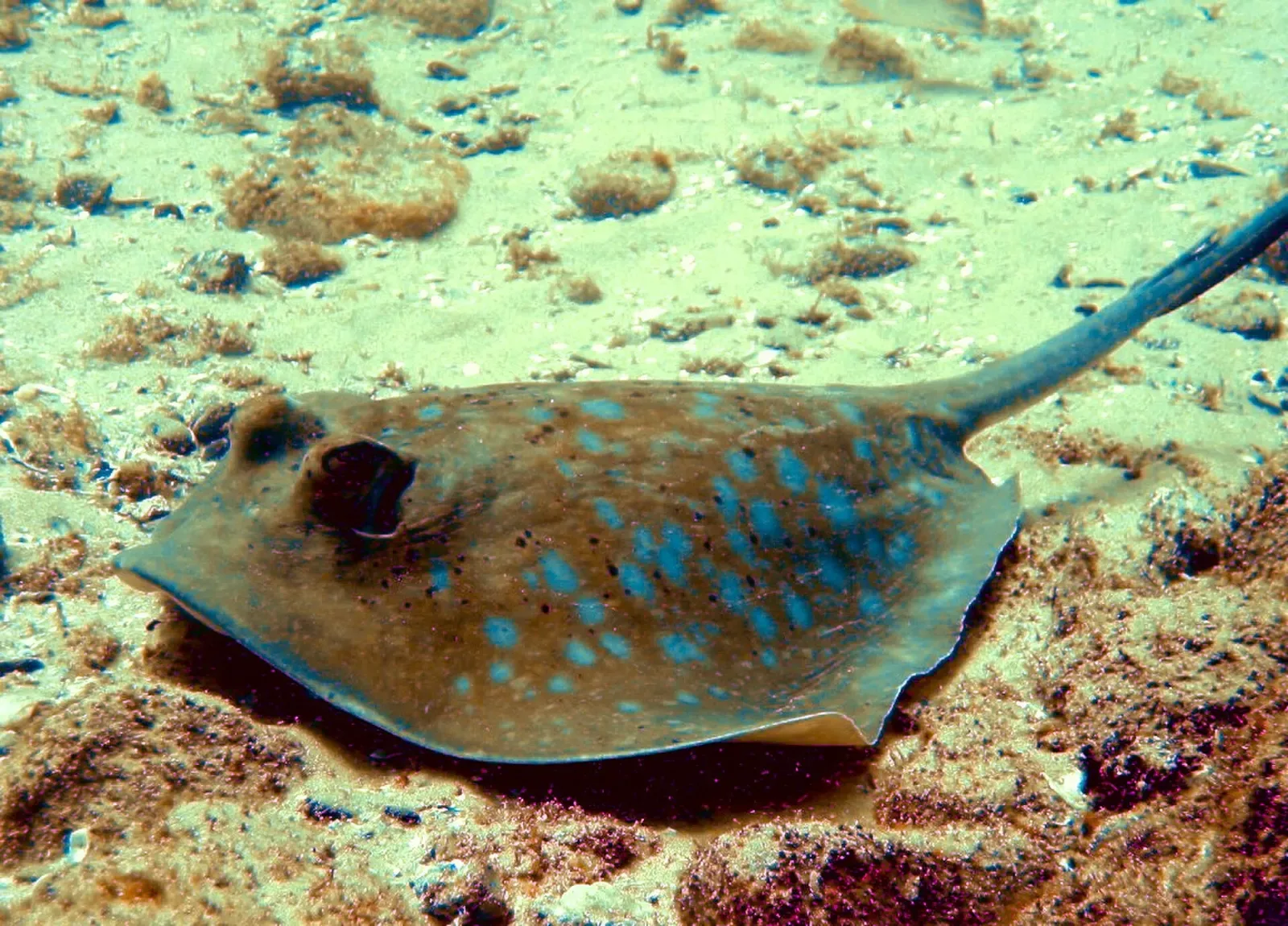
A 125 m ocean through-cave, and grey nurse sharks in the gutters

White quartz sand lifts the light over temperate sponge gardens


Tropical and temperate species overlap on one rock 2.5 km offshore