Costa Brava · Spain · Reef · Cave & cavern · Wall
Furió d'Aigua Xelida
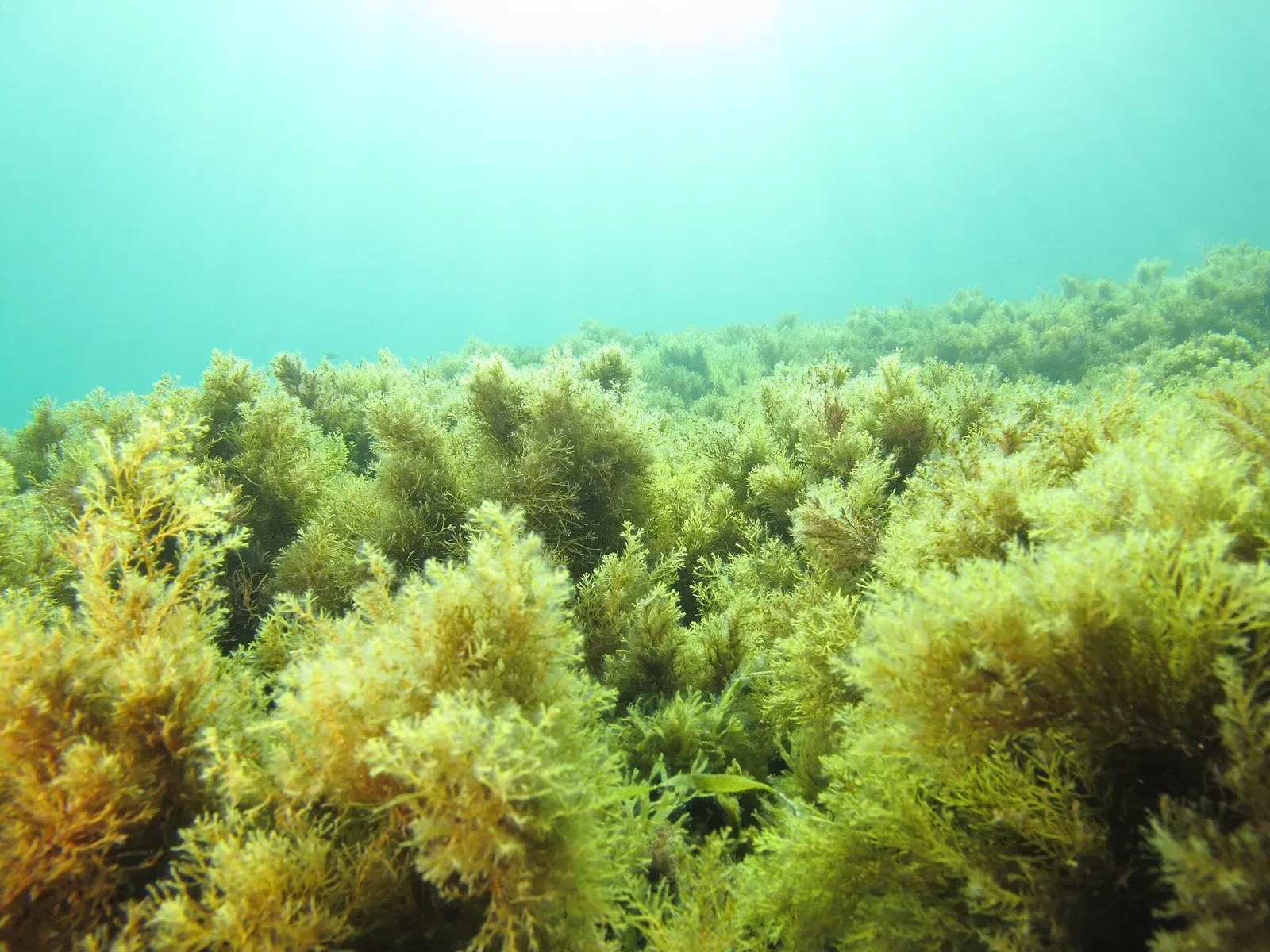
A swim-through cave at 12 m beside the mooring
Photo: sito.rm · CC BY-SA 3.0
An offshore rock ten minutes north-east of Tamariu, with a mooring line that reaches the reef at 8 m and a small cave at 12 m near the anchorage, big enough to dive through as a buddy team. The listed average depth is 15 m and the maximum 35 m, and the rock is known for its populations of moray eels and lobsters.
Also known as Furió d'Aigua Gelida, Aigua Xelida.
Where it is and how deep
41.9191° N, 3.2199° EPublished position for this site.
The dive
The rock lies ten minutes north-east of Tamariu and is dived from a mooring, which makes the descent simple: the line reaches the reef at 8 m, shallow enough for the whole team to regroup on it before the dive proper begins. From there the ground falls away — the listed average is 15 m and the maximum 35 m — so the depth you take is chosen rather than forced on you.
The feature is a small cave at 12 m near the anchorage, big enough to dive through as a buddy team, and close enough to the mooring to be taken first or last. Around it the rock holds moray eels and lobsters, the two populations the site is named for locally. A lamp is recommended here, for the cave and for the holes the morays sit in, and the mooring line gives a fixed reference for the descent and the ascent.
Marine life and season
- Macro critters
| Jan | Feb | Mar | Apr | May | Jun | Jul | Aug | Sep | Oct | Nov | Dec |
|---|---|---|---|---|---|---|---|---|---|---|---|
| Fair | Fair | Fair | Fair | Good | Good | Prime | Prime | Good | Good | Fair | Fair |
Season follows Costa Brava: Surface water sits near 13 °C from January to March and peaks around 25 °C in August; local guidance is 5 mm in July and August, 7 mm April to June and September to October, drysuit the rest.
Know before you go
- A lamp is recommended here: the cave at 12 m and the holes in the rock stay dark even in good surface light.
Photos from Furió d'Aigua Xelida
Jordiipa · CC BY-SA 3.0
Sources
- Furio de Aigua Xelida — Scubago
- Furió d'Aigua Xelida — Wannadive — Wannadive.net
- Diving in Tamariu — Submarinisme Costa Brava
Photo credits
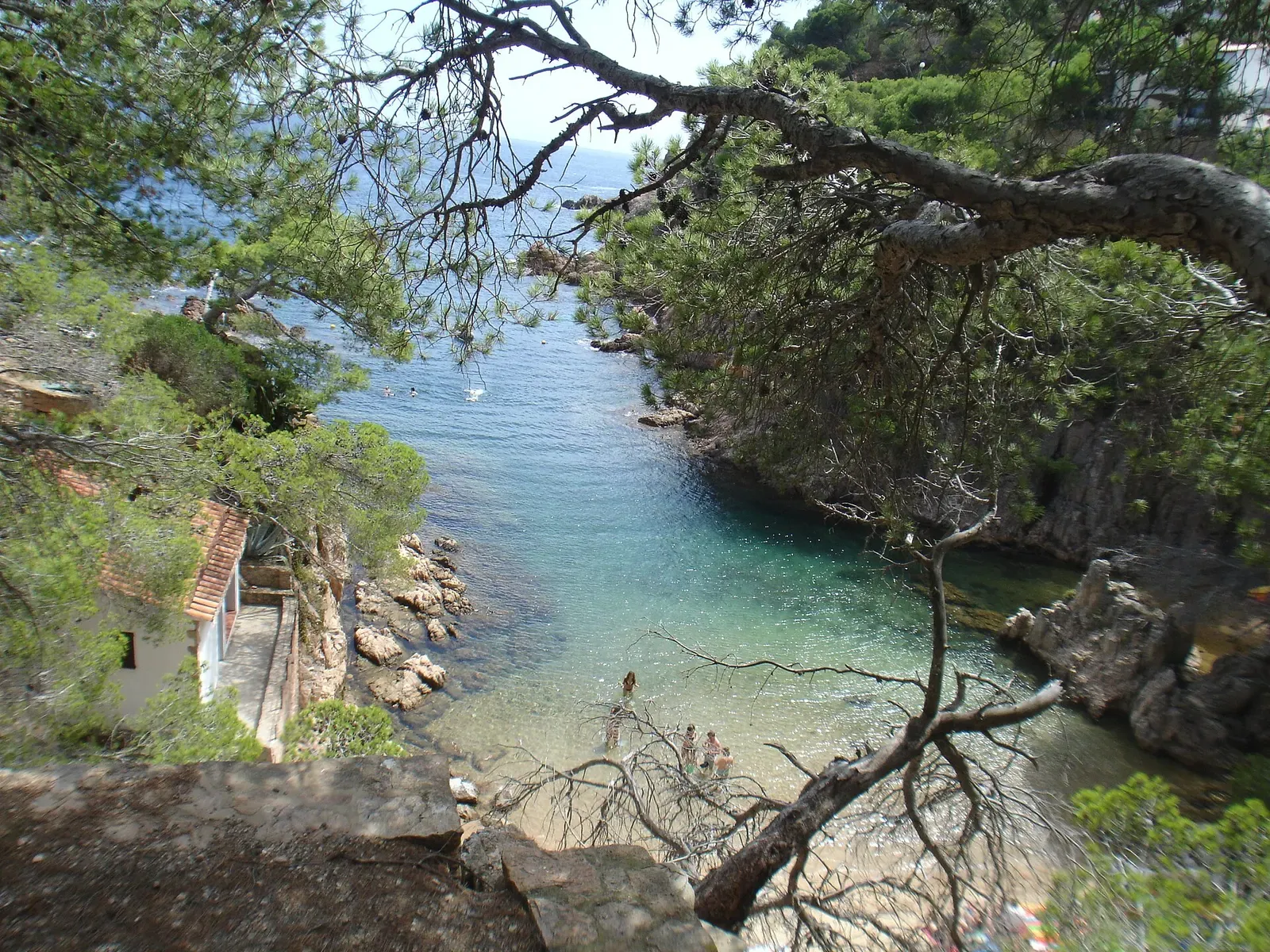
- The turquoise inlet of Cala d'Aigua Xelida, framed by pines and rock by sito.rm, CC BY-SA 3.0, via Wikimedia Commons
- Swimmers on the small beach at Cala d'Aigua Xelida by Jordiipa, CC BY-SA 3.0, via Wikimedia Commons
More dive sites in Costa Brava
A shore dive 30 m from the base, inside a buoy line
A pool ladder into a cove of nudibranchs and shrimp
Twin gorges between three walls, 10 m down to 40 m
Drift
Three rocky bars round the cape, dived as a drift
Cave & cavern
A 120 m grotto from a 12 m entrance to bats at the far end
Wreck
A confiscated navy tug from 18 m to a 32 m seabed
Reef
Large congers on a rock seven minutes from Tamariu
Sand slope
A pool-like training bay from 1 to 8 m
Similar dives elsewhere
A rocky slope, a long wall and a tiny cave to finish
Reefs, caves and drop-offs from 5 m to 50 m by the research station
A shore entry in the marine reserve, 4 m to a small drop-off


A 40 m canyon at the end of a 5 to 20 m drop-off