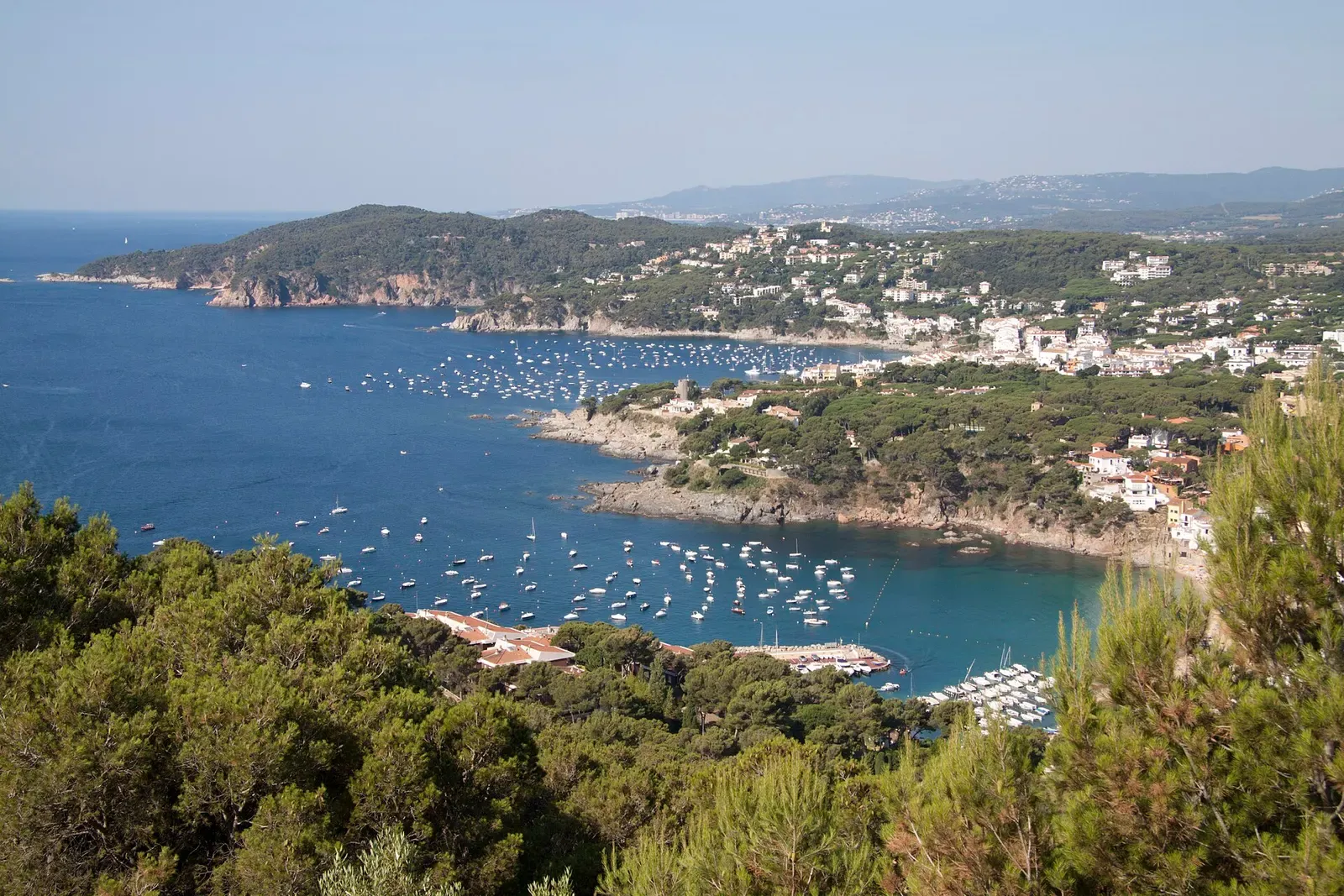
Costa Brava · Spain · Drift · Wall
Cap de Begur
Three rocky bars round the cape, dived as a drift
Area photo: Mikipons · CC BY-SA 3.0
The cape itself, dived as a drift along three rocky bars that surround it from north to south. The first and deepest is at about 37 m and is formed by red gorgonians, the second sits around 30 m in calcareous and coral rock, and the third and shallowest is covered with green calcareous algae.
Where it is and how deep
41.9504° N, 3.2344° EApproximate position — the dashed circle shows where the site lies; your operator's briefing has the mooring.
The dive
Cap de Begur is dived drifting, and that sets the shape of it: the boat puts you in at one end and collects you at the other, and the ground you cross is three rocky bars that surround the cape from north to south. Which bar you take is the decision of the dive, because they lie at different depths and the deepest of them is the furthest out.
The first and deepest is at about 37 m and is formed by red gorgonians, the second is around 30 m in calcareous and coral rock, and the third is covered with green calcareous algae. The second bar is the one that fits a recreational profile; the outer bar puts you past 35 m with the water still carrying you, so it is a dive to plan tightly rather than one to wander through.
Marine life and season
The sources we used don't single out particular species here.
| Jan | Feb | Mar | Apr | May | Jun | Jul | Aug | Sep | Oct | Nov | Dec |
|---|---|---|---|---|---|---|---|---|---|---|---|
| Fair | Fair | Fair | Fair | Good | Good | Prime | Prime | Good | Good | Fair | Fair |
Season follows Costa Brava: Surface water sits near 13 °C from January to March and peaks around 25 °C in August; local guidance is 5 mm in July and August, 7 mm April to June and September to October, drysuit the rest.
Know before you go
- The dive is done drifting, so carry a surface marker and surface as a team — the boat follows the group instead of waiting on a mooring.
Sources
- Cap de Begur — Scubago
- Diving in Aiguablava — Submarinisme Costa Brava
- Diving in Llafranc — Submarinisme Costa Brava
More dive sites in Costa Brava
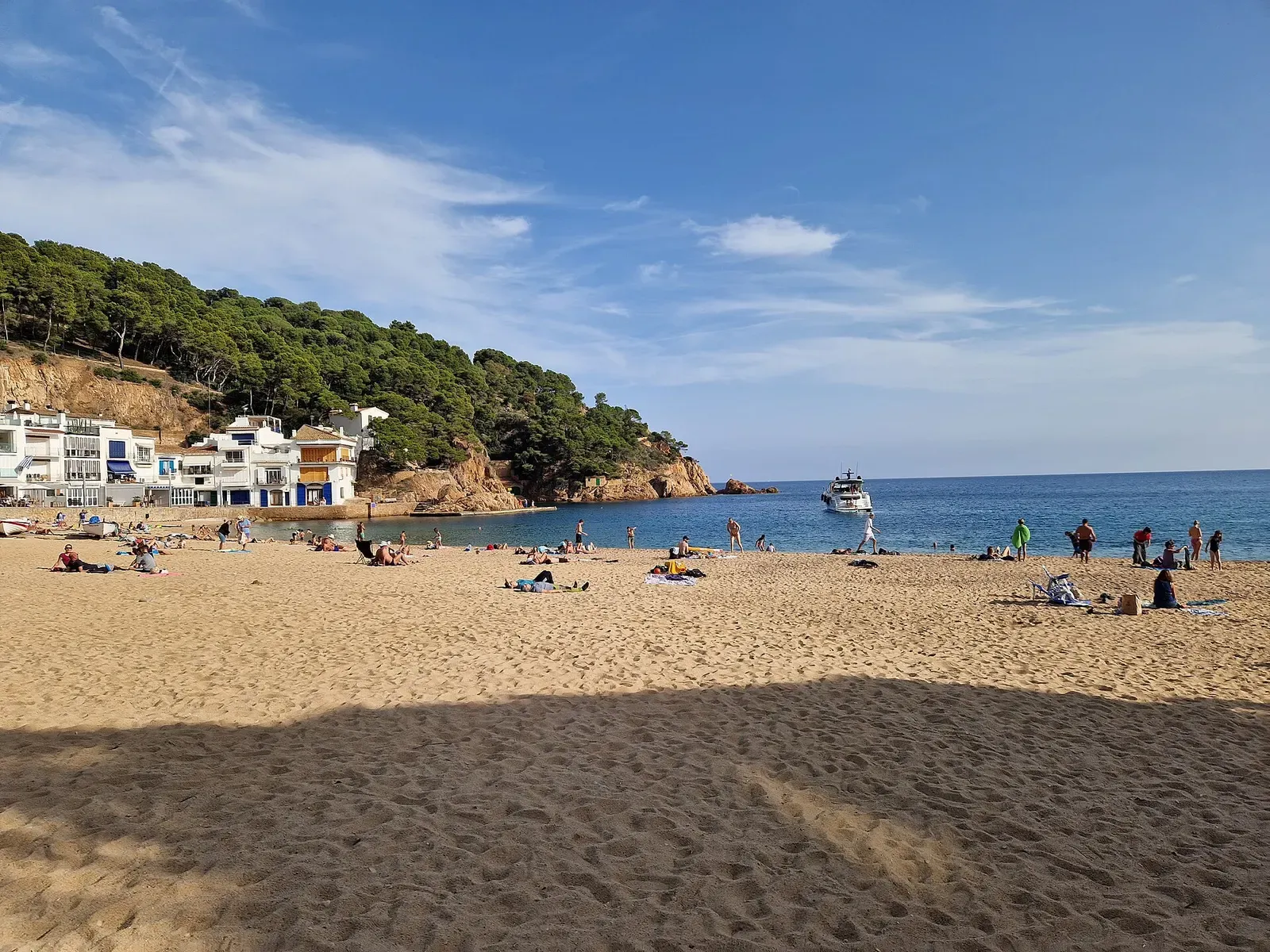
A shore dive 30 m from the base, inside a buoy line
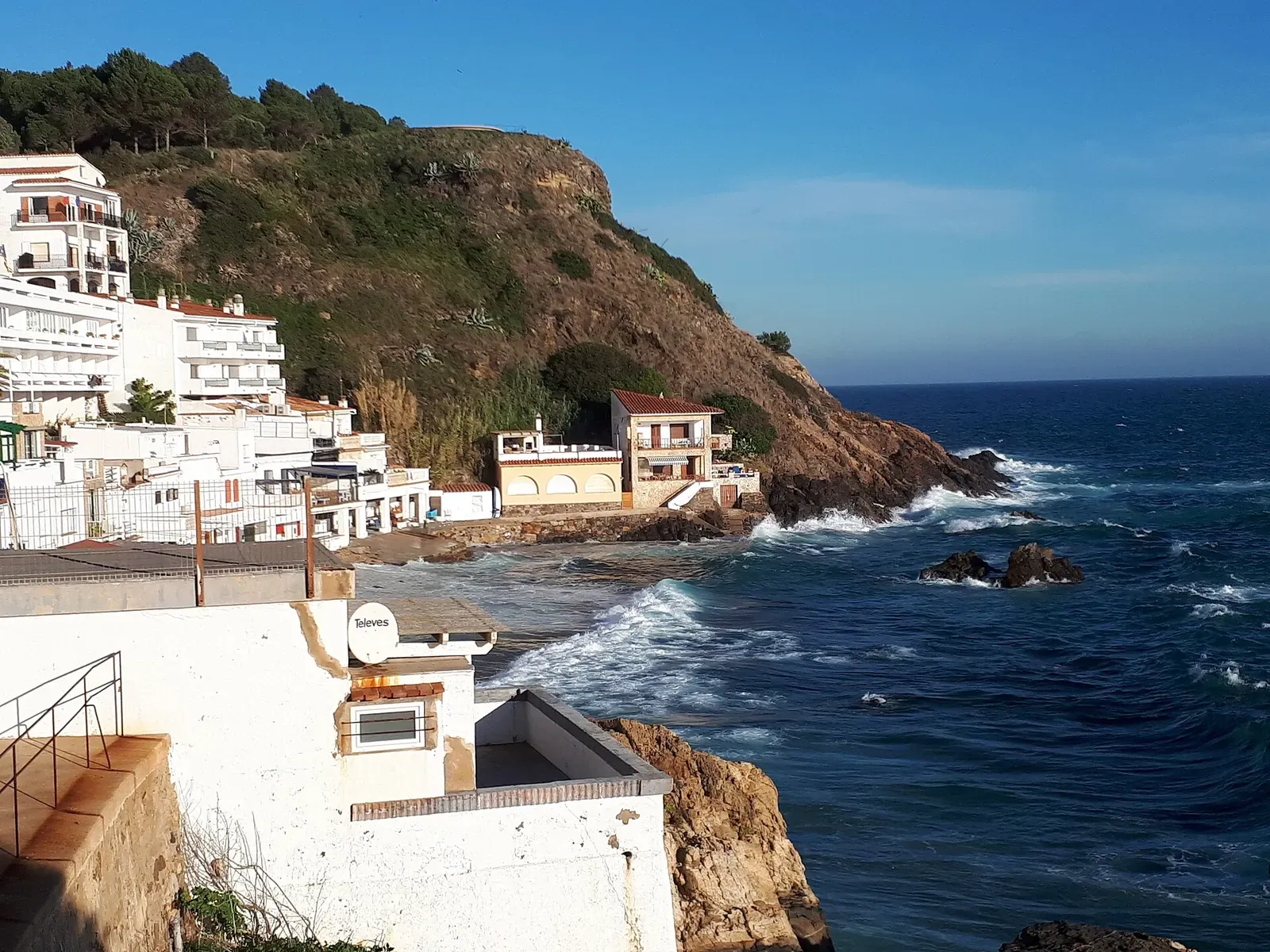
A pool ladder into a cove of nudibranchs and shrimp
Twin gorges between three walls, 10 m down to 40 m
Cave & cavern
A 120 m grotto from a 12 m entrance to bats at the far end
Wreck
A confiscated navy tug from 18 m to a 32 m seabed
Reef
Large congers on a rock seven minutes from Tamariu
Sand slope
A pool-like training bay from 1 to 8 m
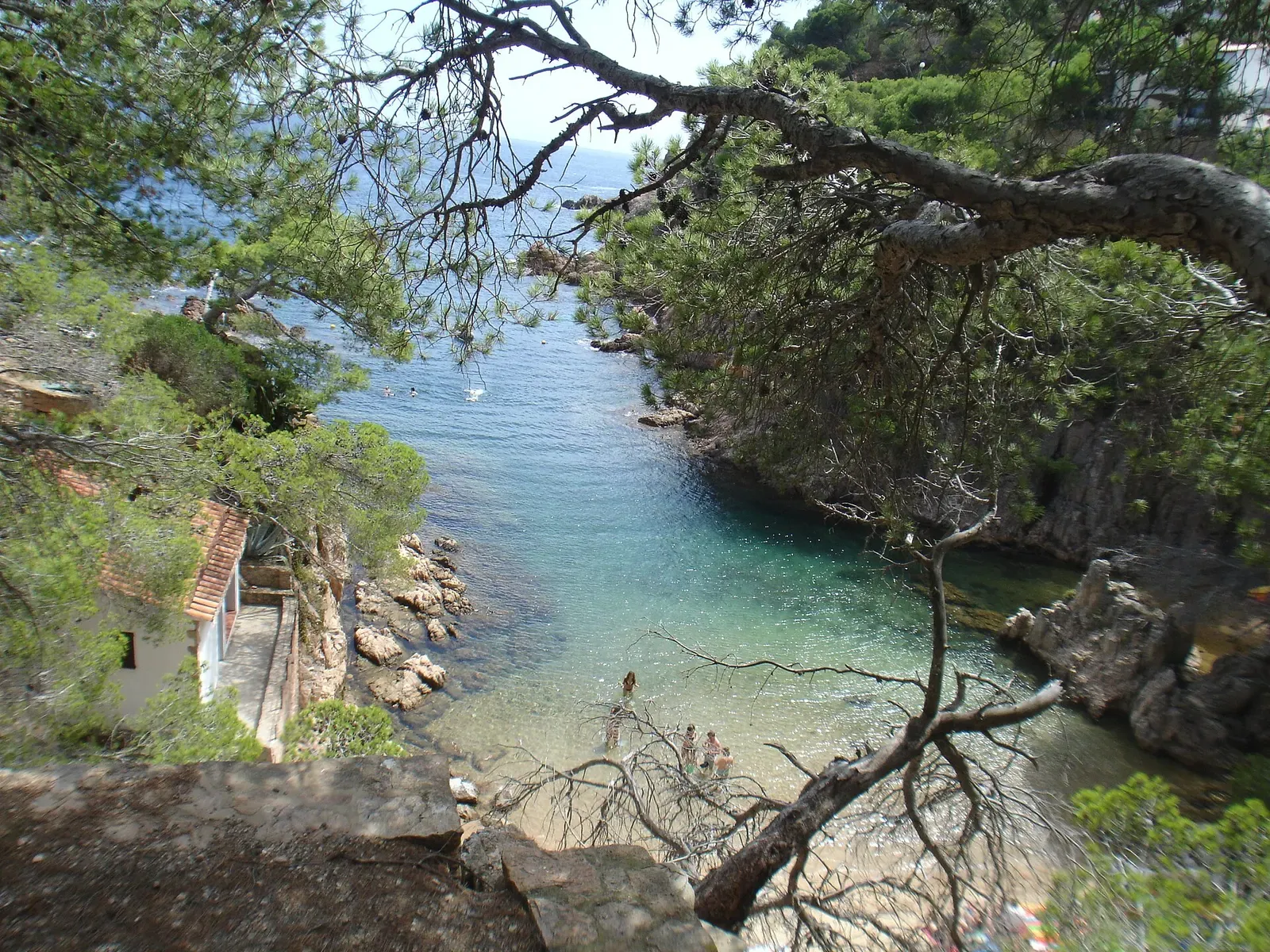
A swim-through cave at 12 m beside the mooring
Similar dives elsewhere

A current-swept ridge where grey reef sharks hold out in the blue

Bali's other mola mola plateau, deeper and rougher than Crystal Bay

A current-washed plateau at 25–30 m, pelagics one day, pygmies the next

A cleaning station at 22 m ends the long ridge