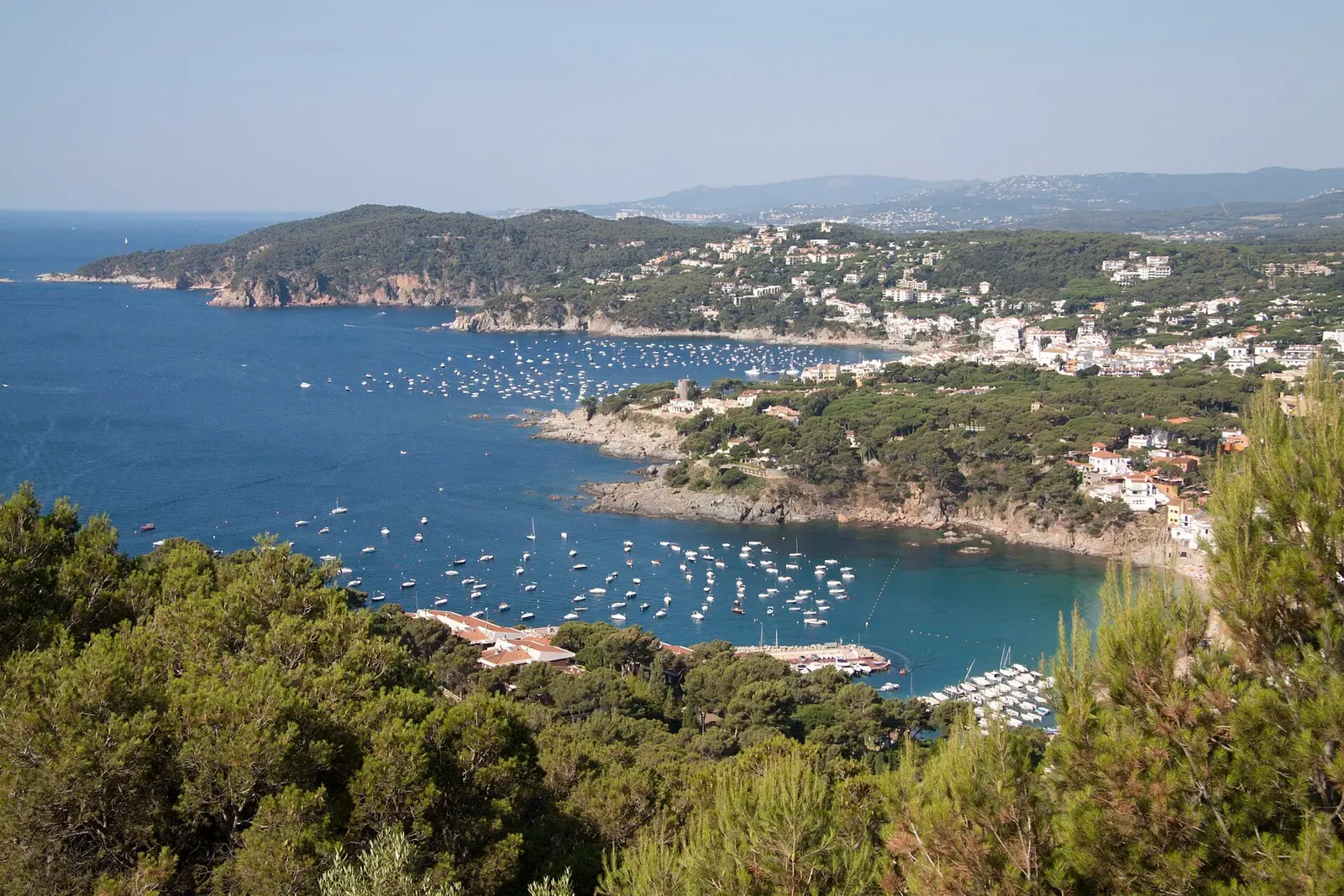
Costa Brava · Spain · Pinnacle · Wall
Furió Fitó
A pinnacle from 16 m to a 54 m bottom, with a rock needle east of it
Area photo: Mikipons · CC BY-SA 3.0
A deep pinnacle off Cap de Begur, about 35 minutes by boat from Tamariu. The rock starts at 16 m and the bottom is at 54 m: a plateau with a steep wall overgrown with sea fans, and a free-standing rock needle to the east near the reef. A stronger current turns up from time to time, which is why the site is kept to experienced divers.
Also known as Furió de Fitó.
Where it is and how deep
41.9574° N, 3.2345° EApproximate position — the dashed circle shows where the site lies; your operator's briefing has the mooring.
The dive
The run out is about 35 minutes, which makes this the far end of the range from Tamariu and Aiguablava. The top of the rock is at 16 m, and that is where the dive is set up: a plateau, with the wall falling away from its edge to a bottom at 54 m. Almost all of that depth sits below a recreational limit, so the dive is a traverse of the plateau and the top of the wall rather than a descent.
The wall is overgrown with sea fans along the face, and a free-standing rock needle stands to the east, near the reef — the two features the site is described by. Current is the variable: a stronger flow turns up from time to time, and the description keeps the site to experienced divers on that basis alone. Plan it so the shallow end of the rock is where the dive ends, and treat the needle as an add-on to skip when the water is moving.
Marine life and season
The sources we used don't single out particular species here.
| Jan | Feb | Mar | Apr | May | Jun | Jul | Aug | Sep | Oct | Nov | Dec |
|---|---|---|---|---|---|---|---|---|---|---|---|
| Fair | Fair | Fair | Fair | Good | Good | Prime | Prime | Good | Good | Fair | Fair |
Season follows Costa Brava: Surface water sits near 13 °C from January to March and peaks around 25 °C in August; local guidance is 5 mm in July and August, 7 mm April to June and September to October, drysuit the rest.
Know before you go
- A stronger current turns up from time to time, so read the water at the surface and drop the crossing to the needle if it is running.
Sources
- Furió Fitó — Scubago
- Diving in Tamariu — Submarinisme Costa Brava
- Diving in Aiguablava — Submarinisme Costa Brava
More dive sites in Costa Brava
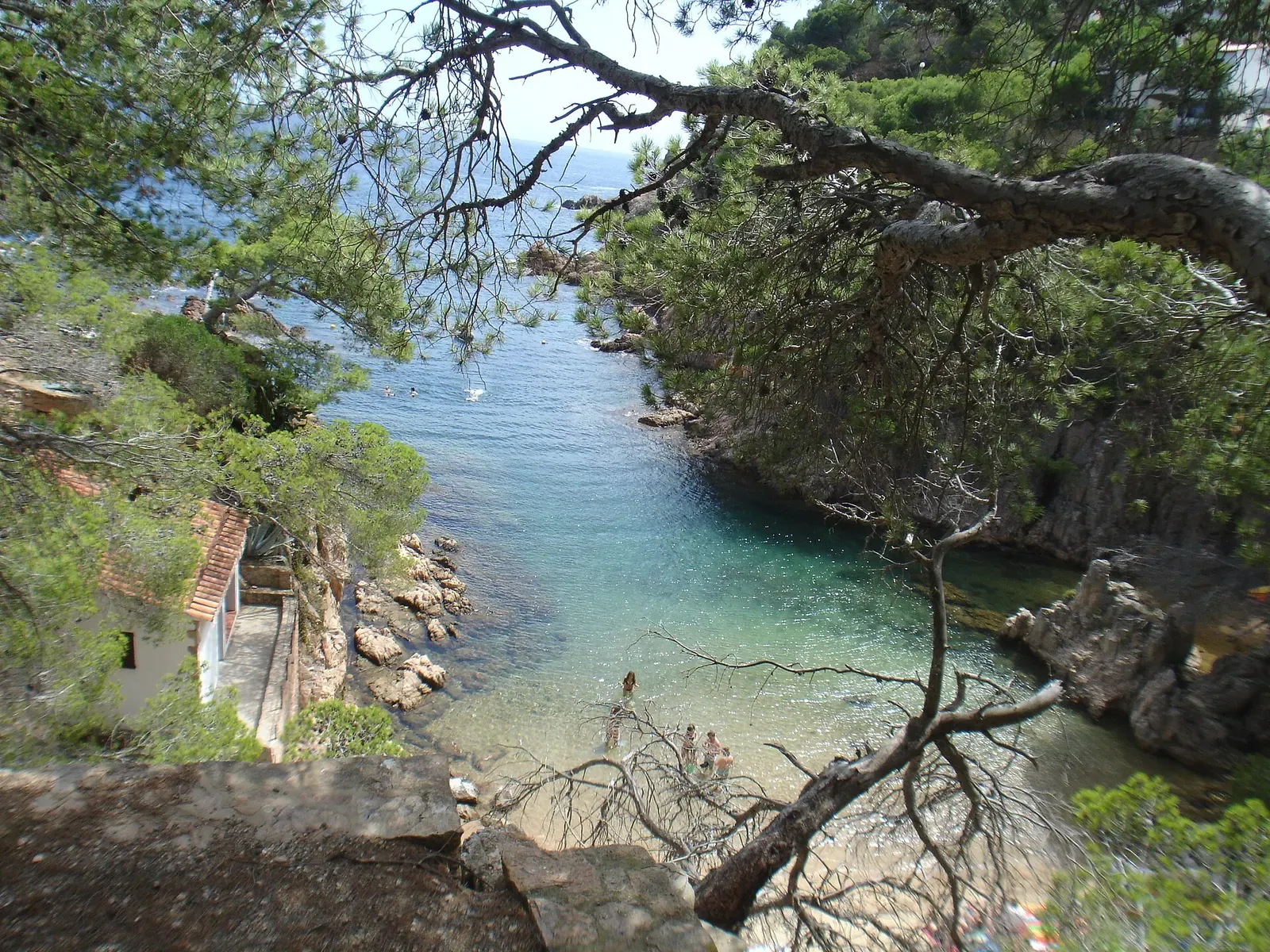
A swim-through cave at 12 m beside the mooring
Twin gorges between three walls, 10 m down to 40 m
Cave & cavern
A 120 m grotto from a 12 m entrance to bats at the far end
Drift
Three rocky bars round the cape, dived as a drift
Sand slope
A pool-like training bay from 1 to 8 m
Seamount
The one Ullastre rated Open Water, 15 m over a 30 m bottom
Seamount
Gorgonian walls from 25 m down to a 53 m bottom
Seamount
A summit at 8 m over a wall that bottoms out at 54 m
Similar dives elsewhere

The archipelago's busiest dive: a rock from 4 m to 45 m
Pinnacle
Banco di Santa Croce
Punta Campanella & the Sorrento Coast · Italy
Five large rock pinnacles under protection since 1993
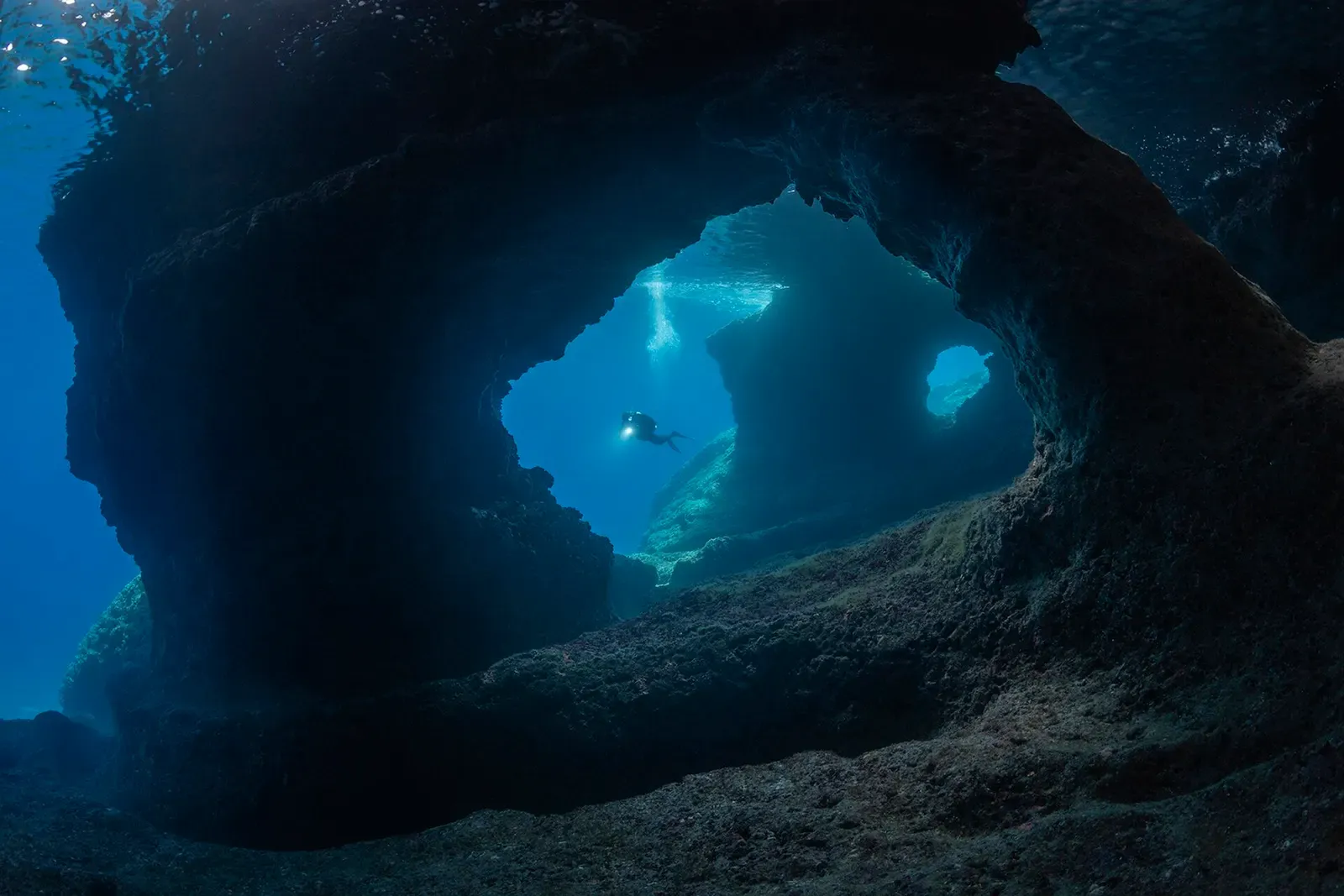
Plateau at 6 m, then a vertical wall past 50 m
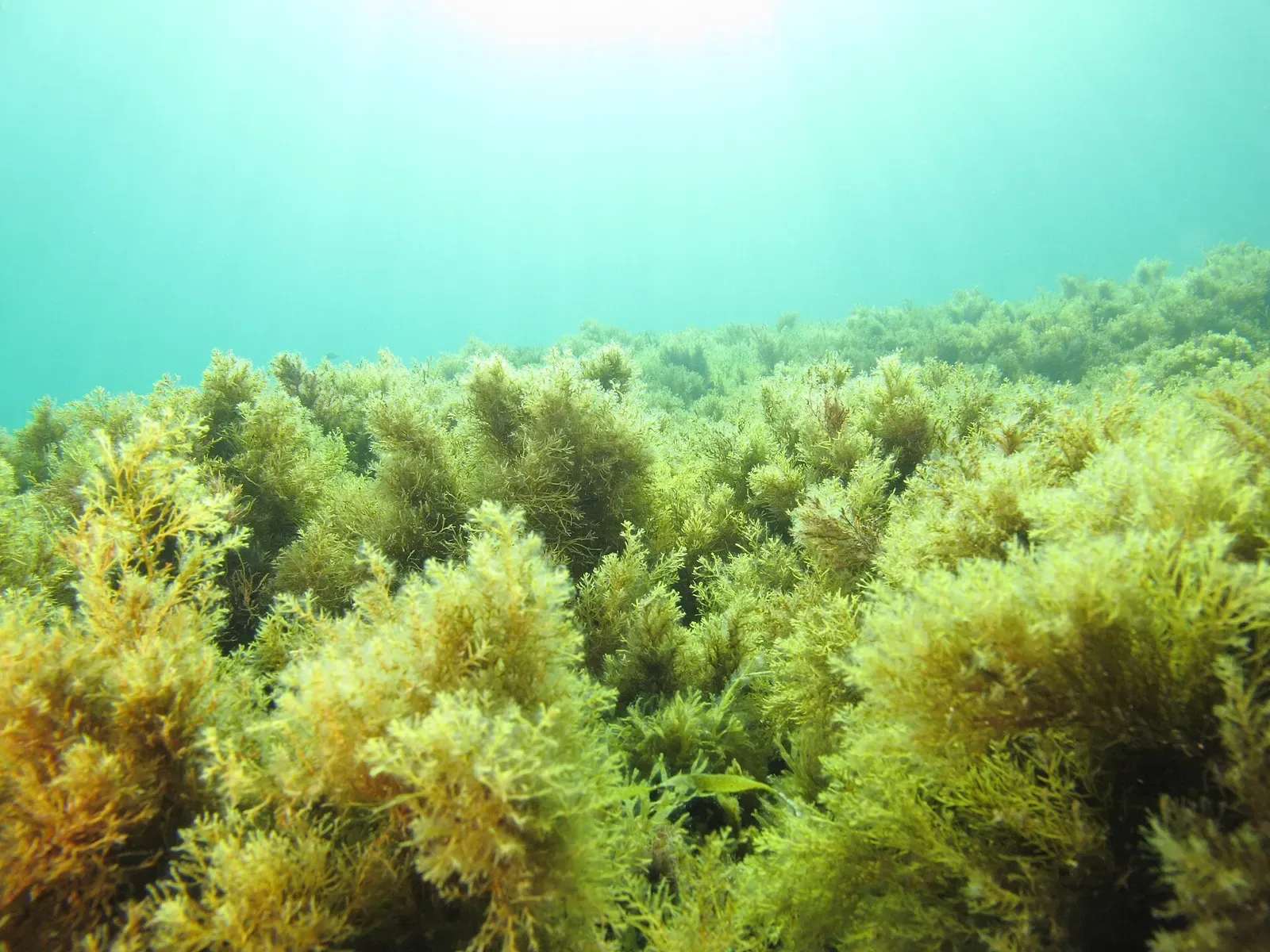

Drop-offs, rocks and plateaus between 10 and 40 m