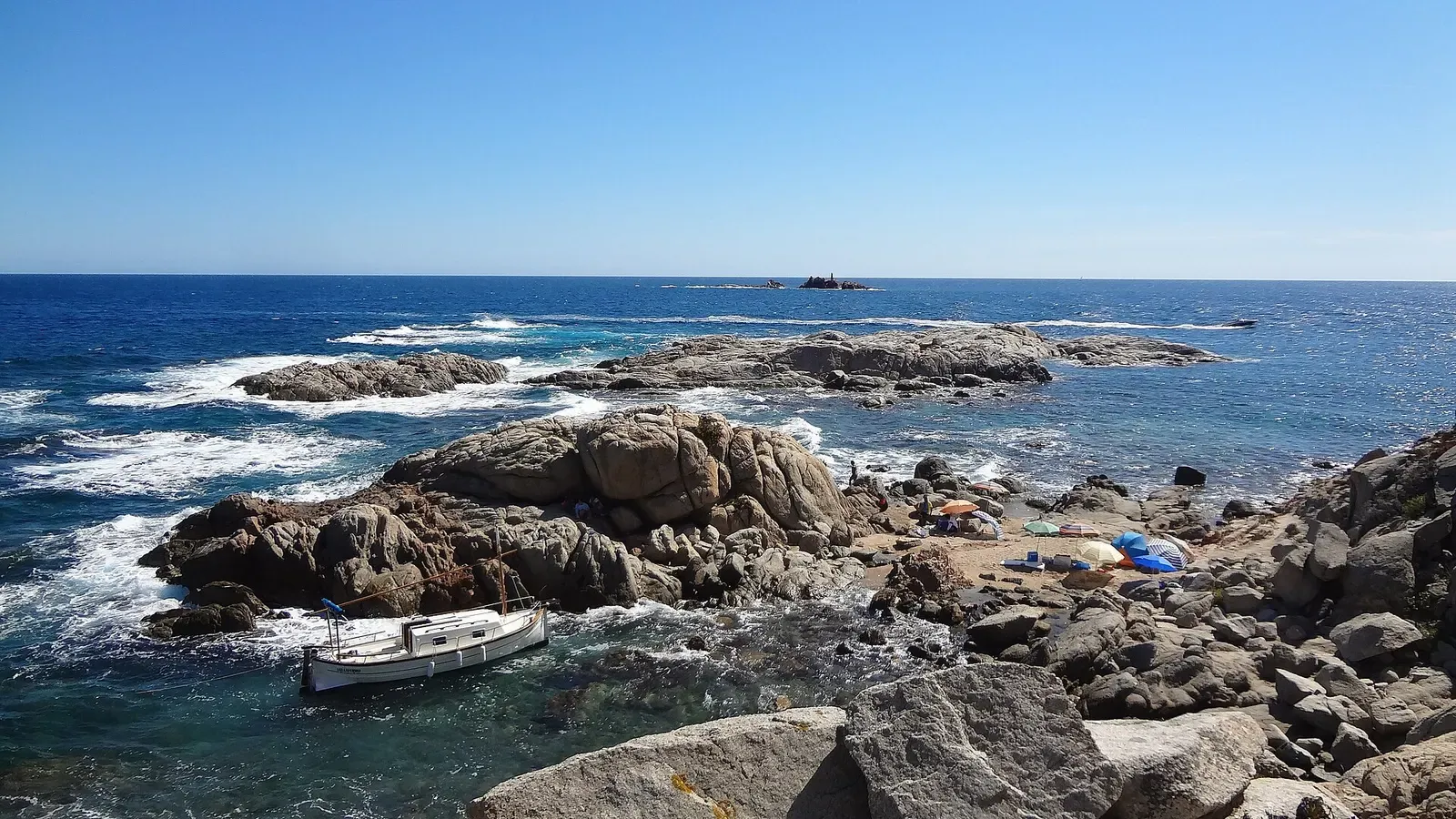
Costa Brava · Spain · Reef · Cave & cavern
Illes Formigues
Gullies and caves under the islets, gorgonians on the rock
Photo: Isidro Jabato · CC BY-SA 4.0
A group of islets in front of Cap de Planes, on the open stretch between Palamós and Calella de Palafrugell, dived for the gullies and caves under them and for the gorgonians on the rock. The listings give an average of 15 m and a maximum of 25 m, while the ground around the islets runs from 9 m to more than 45 m, so the deep side is a decision rather than part of the dive.
Also known as Gorgònies de Llevant.
Where it is and how deep
41.8624° N, 3.1885° EApproximate position — the dashed circle shows where the site lies; your operator's briefing has the mooring.
The dive
The islets stand off Cap de Planes, between Palamós and Calella de Palafrugell, and they break the surface, which makes the site easy to find and easy to use as a reference through the dive. Underwater the ground is described as complicated: gullies run between the rocks and many of them end in cul-de-sacs, so the dive is a slow working of the structure rather than a straight run along a reef.
The usual profile is an average of 15 m with 25 m as the maximum, and the rock carries what the site is known for — a number of underwater caves and multicoloured gorgonians on the faces. The ground keeps falling away from the islets, from 9 m to more than 45 m, so the depth is chosen rather than given and the deep side has to be planned before you get in. Current is listed as low, under a knot, and visibility as good, between 10 and 30 m.
Marine life and season
The sources we used don't single out particular species here.
| Jan | Feb | Mar | Apr | May | Jun | Jul | Aug | Sep | Oct | Nov | Dec |
|---|---|---|---|---|---|---|---|---|---|---|---|
| Fair | Fair | Fair | Fair | Good | Good | Prime | Prime | Good | Good | Fair | Fair |
Season follows Costa Brava: Surface water sits near 13 °C from January to March and peaks around 25 °C in August; local guidance is 5 mm in July and August, 7 mm April to June and September to October, drysuit the rest.
Know before you go
- The gullies between the islets end in cul-de-sacs, so work the structure with a way back in mind rather than following a passage to its end.
- Boat traffic is a listed danger and the islets draw sport fishing and summer boat trips, so ascend on a line or under a marker.
Photos from Illes Formigues
Asier Sarasua · CC BY-SA 2.0
klimmanet · CC BY 3.0
Questions divers ask
How deep are the Illes Formigues?+
The listings give an average of 15 m and a maximum of 25 m. The ground around the islets runs from 9 m to more than 45 m, so the deeper side is a planning decision rather than part of the ordinary dive.
Sources
- Illes Formigues — Scubago
- Illes Formigues — Viquipèdia
- Diving in Llafranc — Submarinisme Costa Brava
- Islas Formigas — Wannadive — Wannadive.net
- Palamos town to Cap de Begur — area index — Wannadive.net
Photo credits
- Waves breaking over the reef off Cap de Planes near the Illes Formigues by Isidro Jabato, CC BY-SA 4.0, via Wikimedia Commons
- Clear shallow water over rock near Cap de Planes and the Illes Formigues by Asier Sarasua, CC BY-SA 2.0, via Wikimedia Commons
- The Illes Formigues islets seen from the coastal path, framed by pines by klimmanet, CC BY 3.0, via Wikimedia Commons
More dive sites in Costa Brava
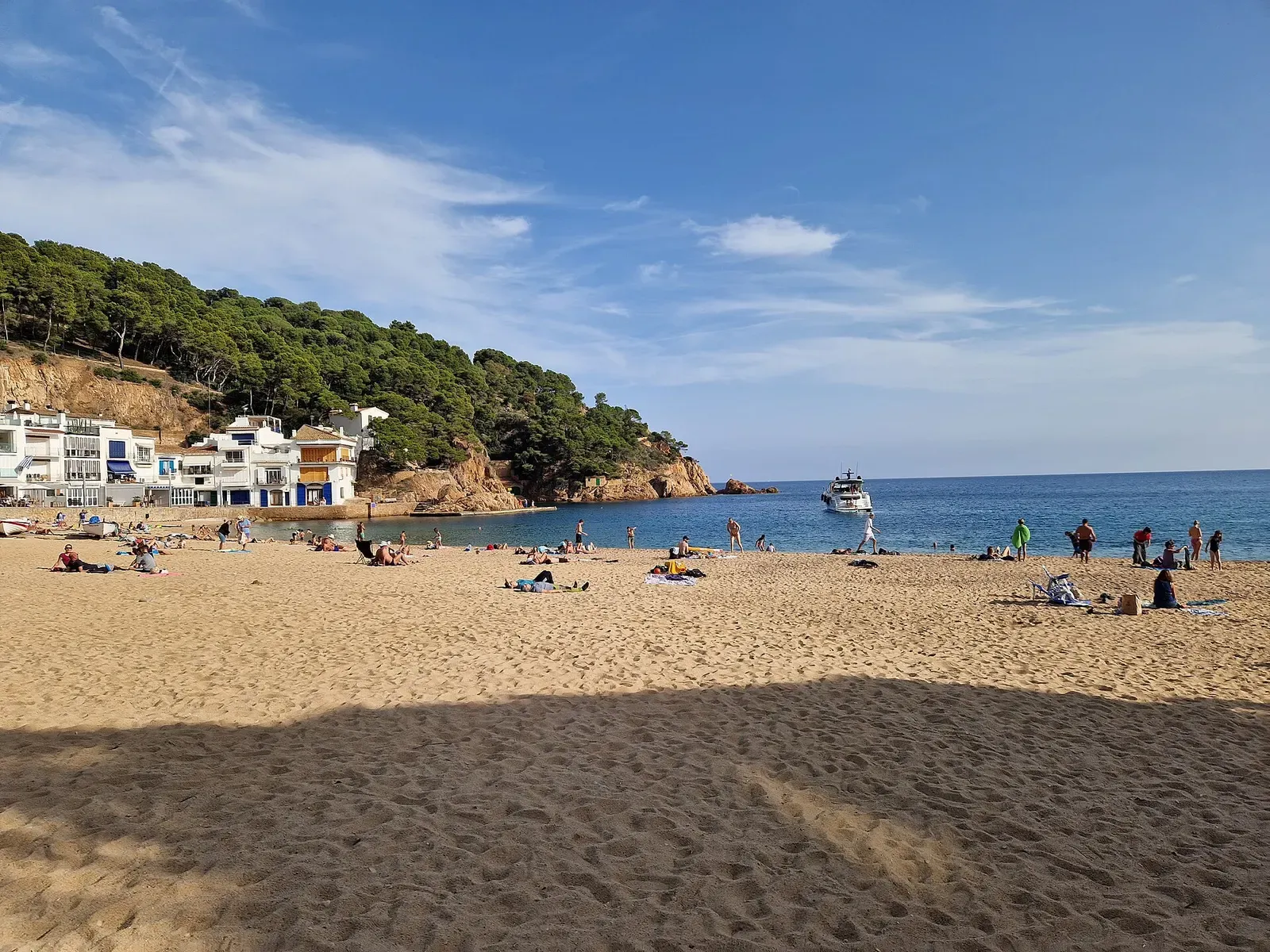
A shore dive 30 m from the base, inside a buoy line
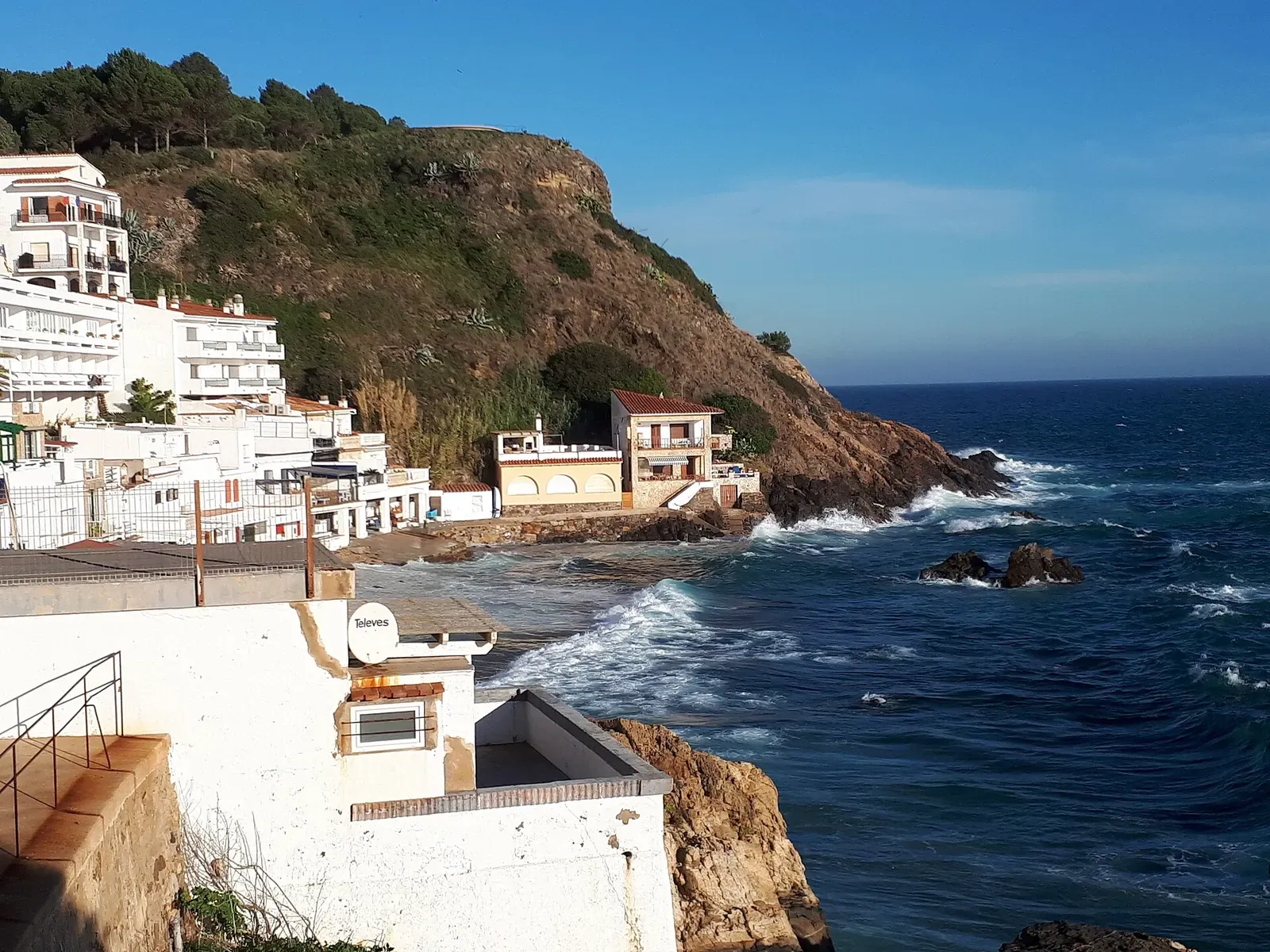
A pool ladder into a cove of nudibranchs and shrimp
Twin gorges between three walls, 10 m down to 40 m
Drift
Three rocky bars round the cape, dived as a drift
Cave & cavern
A 120 m grotto from a 12 m entrance to bats at the far end
Wreck
A confiscated navy tug from 18 m to a 32 m seabed
Reef
Large congers on a rock seven minutes from Tamariu
Sand slope
A pool-like training bay from 1 to 8 m
Similar dives elsewhere
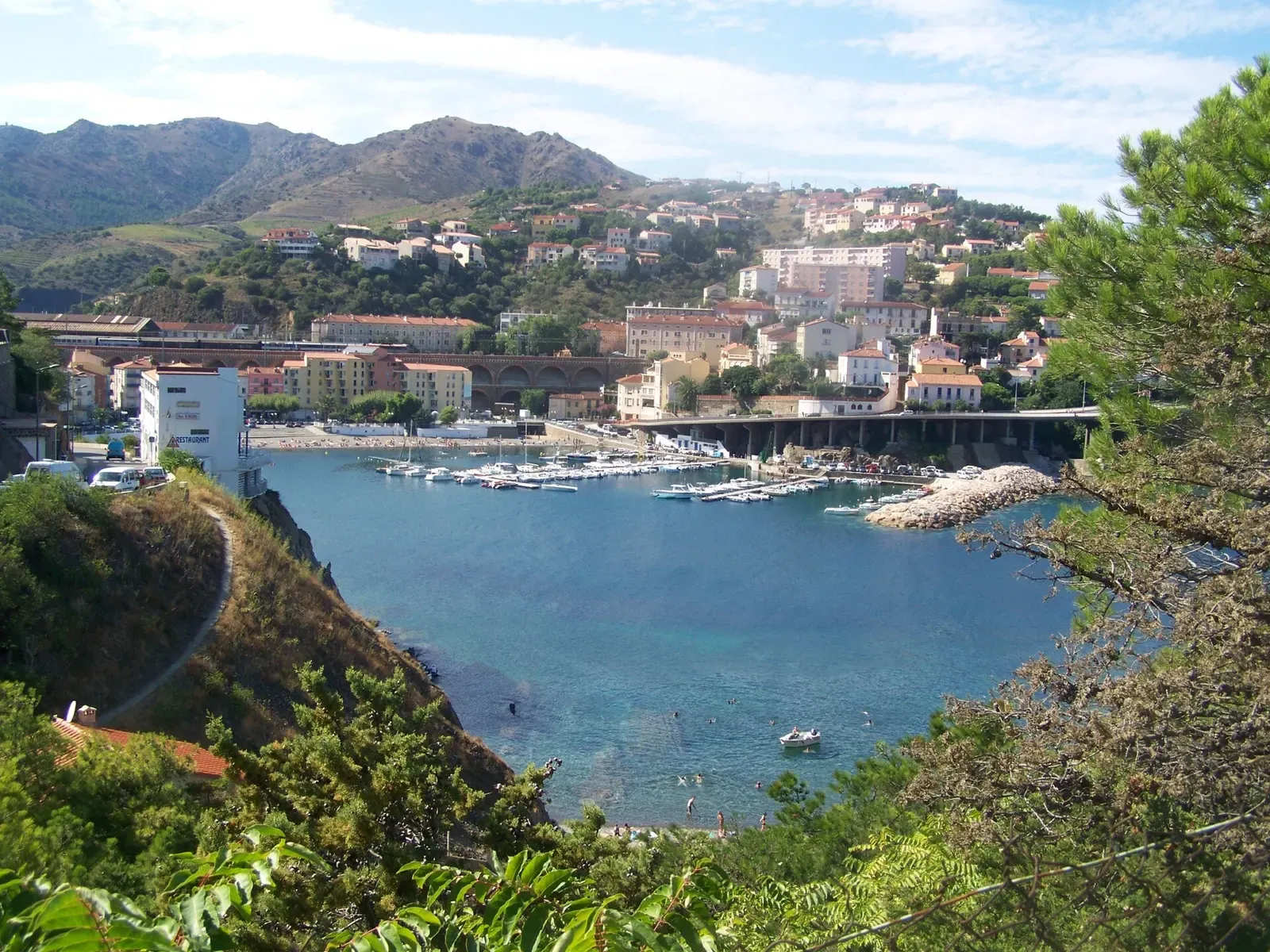
Faults and small caves between 5 and 30 m, with groupers and congers in the holes
A statue of Eros on a reef of cavities and a steep drop-off

A tunnel entered at 14 m that lets you out at 8 m


_-_panoramio.jpg)
A lost steamer's anchor and chain at 26 m, plus two big caves