Pattaya & the Sattahip Wrecks · Thailand · Blue hole
Samaesan Hole
85-100 m inside an old explosives dumping ground
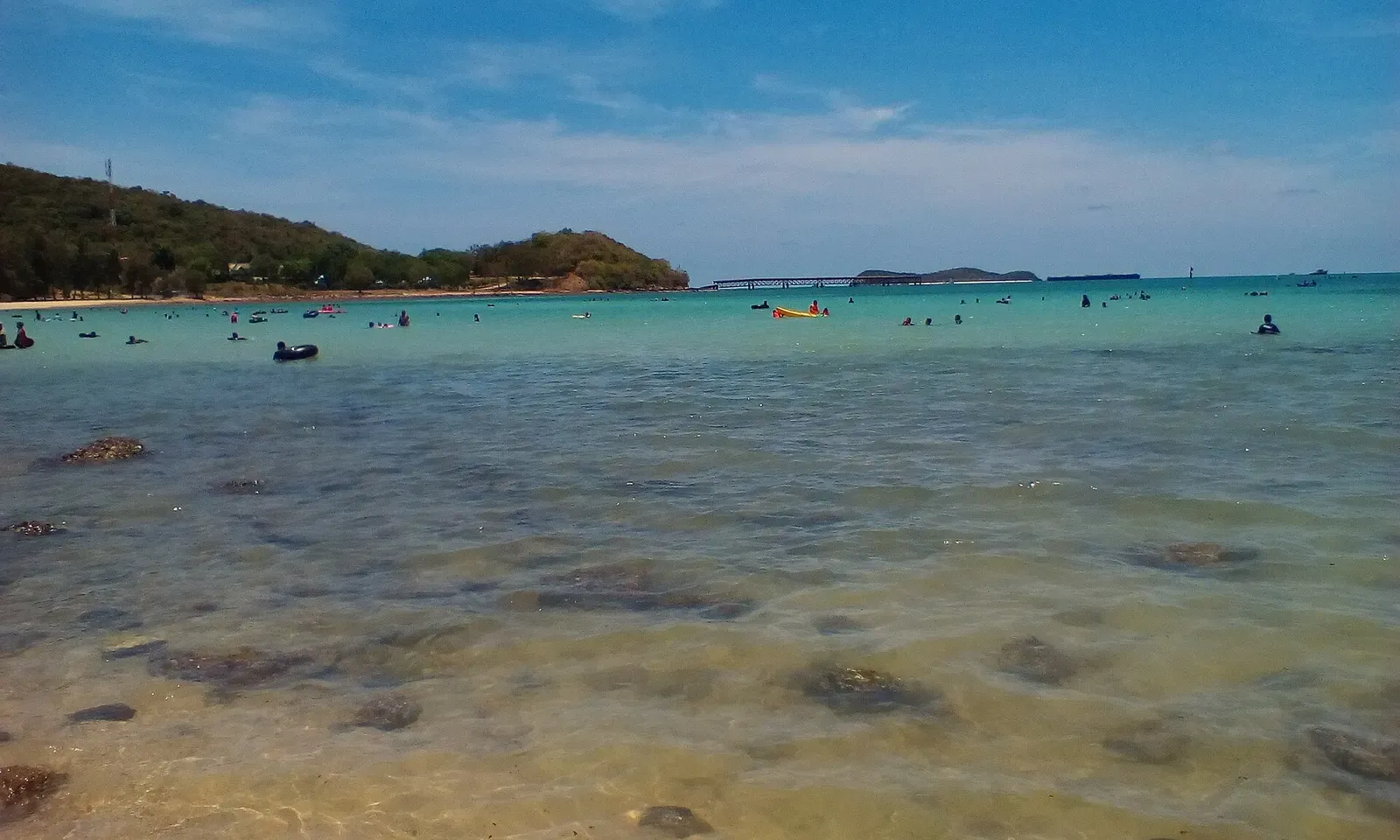
Area photo: Maturos thiangtong · CC BY-SA 4.0
A hole in the seabed off Samae San Island that drops from 85 to 100 m, inside an area named Explosives Dumping Ground on local sea charts. It is a technical dive and nothing else: trimix and staged decompression, strong and unpredictable currents, no light below 50 m, and a commercial shipping lane running overhead.
Where it is and how deep
12.5386° N, 100.9603° EPublished position for this site.
The dive
This is a boat dive onto a hole in the seabed, and the descent is the dive: the floor lies between 85 and 100 m, so everything below the first 50 m is done in darkness, on gas planned to the metre and to the minute. Visibility can reduce to 5-10 m, which turns team position and line discipline from good practice into the thing the whole dive depends on.
The currents are strong and unpredictable, caused by a large tidal range and broken up as the water flows around several small islands, and they set up down-currents and vortices in places. The site sits in the vicinity of the shipping lane between Koh Rong Nang and Koh Samaesan, so surface support has to be robust. There is little marine life to distract from any of it - soft coral, the occasional pufferfish or ray, with bull sharks and eagle rays listed as common sightings.
Background
The Samaesan Hole is a technical diving site in the Gulf of Thailand, off Samae San Island in the Sattahip district of Chonburi Province. It lies in the vicinity of the shipping lanes between Koh Rong Nang and Koh Samaesan, in an area named Explosives Dumping Ground on local sea charts, and the ordnance is still on the bottom. The first successful recorded descent to the bottom was made in 1998, by the technical divers Steve Burton and Claes Martinsson.
Marine life and season
- Bull sharks
- Eagle rays
| Jan | Feb | Mar | Apr | May | Jun | Jul | Aug | Sep | Oct | Nov | Dec |
|---|---|---|---|---|---|---|---|---|---|---|---|
| Good | Fair | Good | Good | Prime | Prime | Prime | Good | Prime | Fair | Good | Fair |
Season follows Pattaya & the Sattahip Wrecks: Gulf diving is best May-September and runs year-round; the wrecks are clearest November-March, though site charts drop to 1-2 m visibility in February, August, November and December.
Know before you go
- The seabed is marked on sea charts as an explosives dumping ground and unexploded ordnance lies on it: buoyancy control is not optional.
- Strong and unpredictable currents, driven by a large tidal range and disrupted by the islands, set up down-currents and vortices in places.
- Below 50 m there is no light, which compounds visibility that can reduce to 5-10 m.
- The site is situated within a busy commercial shipping lane, so robust surface support is required.
- A floor at 85-100 m means trimix and a full decompression schedule; the depth alone rules out any recreational profile.
Questions divers ask
How deep is the Samaesan Hole?+
The floor lies between 85 and 100 m. There is no light below 50 m, and the whole profile requires technical training, trimix and staged decompression.
What training do you need for the Samaesan Hole?+
It is recommended for advanced divers with technical training; the suggested courses are Tec 40, Tec 45 and Tec 50 plus Tec Trimix, with meticulous dive planning for the depth, the darkness and the current.
Sources
- Samaesan Hole — Wikipedia
- Samaesan Hole Dive Site — PADI Travel
- Pattaya — Wikivoyage
In The Logbook
- How a rebreather works, and what it buys youGear & kit · 6 min read
More dive sites in Pattaya & the Sattahip Wrecks
Easy 3-15 m reef with hawksbill turtles seen year-round
Reef
Brain, maze and table coral from 3 m, easy enough to snorkel
Muck & macro
Sand-flat macro 3 km off the pier: nudibranchs and seahorses
Samaesan's most famous wreck, on her starboard side at 27 m
Wreck
Navy wreck off Koh Phai with lines to 28 m, clearest November-March
Wreck
US-built landing ship, scuttled as an artificial reef in 2006
Coral top at 4 m with an outer sand slope running to 30 m
Reef
Two sides chosen by the tide, with whale sharks occasional
Similar dives elsewhere

A vertical shaft with side caverns at its 18 m base
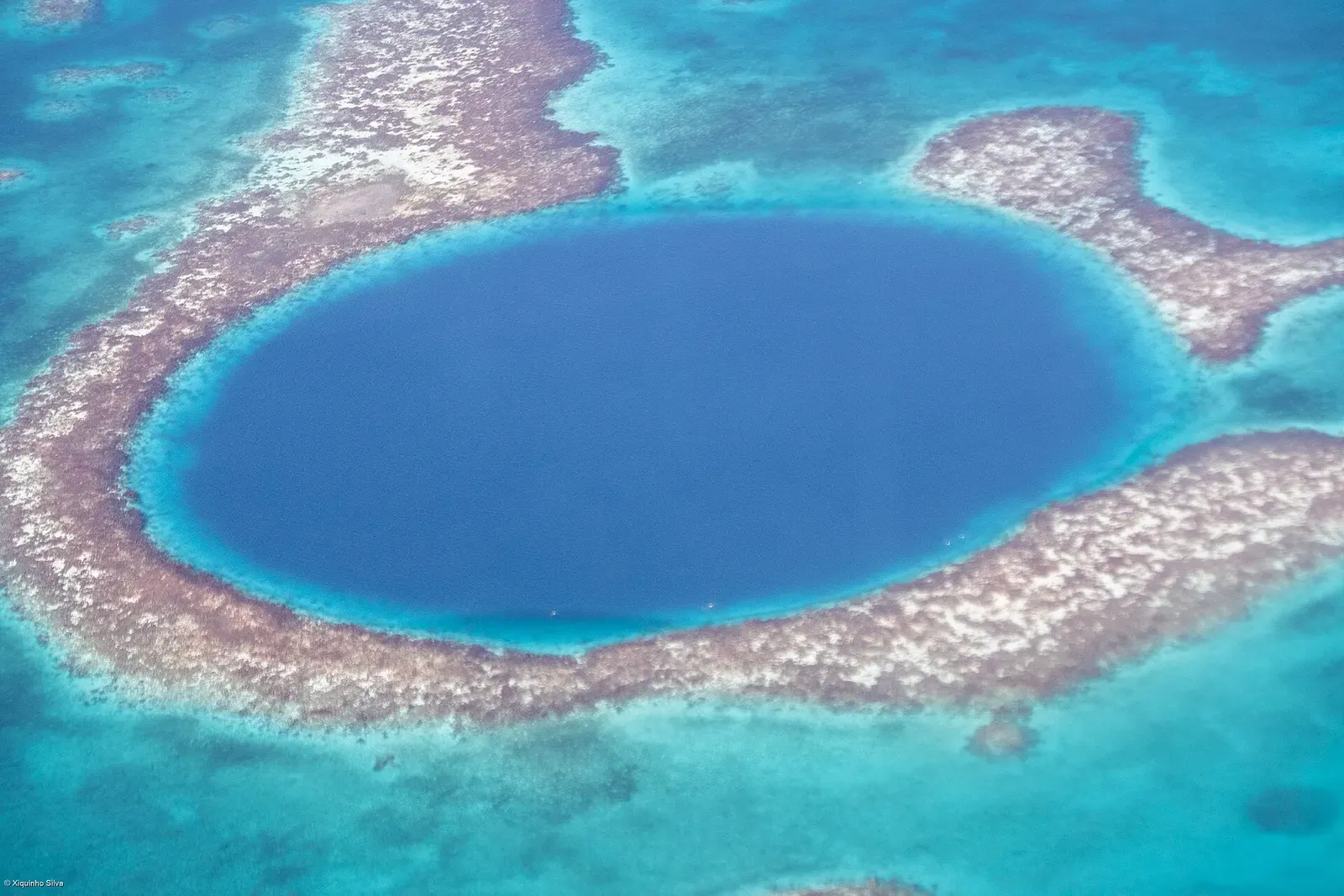
Stalactites that grew in open air, now hanging in a 124-metre shaft

A vertical chimney through the reef with a cave exit


A chimney from 5 m to an opening on the reef near 30 m