
Puerto Galera · Philippines · Reef
Sabang Point
Pygmy seahorses on the fans, turtles over the hard coral
Area photo: Firth McEachern · CC BY-SA 4.0
A hard coral reef just off Sabang running to a maximum of 25 m, worked for both reef fish and macro on the same dive. Pygmy seahorses sit on the fan corals, blue ribbon eels on the sandy patches, and turtles and sharks pass through. Currents run with the tide, and visibility here is reliably good.
Where it is and how deep
13.5228° N, 120.9785° EPublished position for this site.
The dive
Entry is from the boat onto hard coral dressed with colourful crinoids, and the reef runs from the shallows down to a maximum of 25 m. Currents are present depending on the tides, so the direction is set in the briefing rather than fixed. Ask which way the water is running before you kit up, because that decides whether the dive starts deep and works up or the other way around.
The reef fish carry the first half of the dive: parrotfish, snappers, surgeonfish and triggerfish over the coral, with cuttlefish and octopus on the edges of the structure. Big purple sea fans and whip corals grow along the reef, sea turtles are seen over the hard coral, and sharks are reported here as well.
The second half is close-in work. Pygmy seahorses sit on the fan corals, which means slowing down, getting your buoyancy settled and letting the guide point rather than hunting yourself. A small wall at 20 m drops to white sand, and on the sandy patches between the coral blue ribbon eels show from their holes and blue-spotted stingrays rest on the bottom. Finish shallow, where the reef runs back up out of the deeper coral.
Marine life and season
- Sea turtles
- Pygmy seahorses
- Stingrays
- Octopus & cuttlefish
| Jan | Feb | Mar | Apr | May | Jun | Jul | Aug | Sep | Oct | Nov | Dec |
|---|---|---|---|---|---|---|---|---|---|---|---|
| Prime | Prime | Prime | Prime | Good | Fair | Fair | Fair | Fair | Fair | Good | Good |
Season follows Puerto Galera: November–May dry season is calmest; June–October southwest monsoon brings rain and swell.
Know before you go
- Currents are present depending on the tides, so the plan changes with the timing — take the briefing's direction rather than assuming the last dive's route.
Questions divers ask
How deep is Sabang Point?+
The reef runs to a maximum depth of about 25 m, with a small wall at 20 m dropping to white sand. That suits divers comfortable holding a profile near recreational limits with some tidal current.
What can you see at Sabang Point?+
Hard coral with crinoids, parrotfish, snappers, surgeonfish and triggerfish, plus cuttlefish and octopus. Pygmy seahorses live on the fan corals, blue ribbon eels and blue-spotted stingrays on the sand, and sea turtles and sharks pass through.
Sources
- Sabang Point Dive Site — PADI
- Sabang Point - Scubago — Scubago/SSI
More dive sites in Puerto Galera
Wreck
A cargo hull upright at 30 m, lit through its own skylights
Drift
Three current-cut canyons and an old Spanish anchor at 30 m
Mandarinfish leave the fire coral here at dusk
Reef
A swim-through at 14 m with shoals riding the current overhead
Channel & pass
Drift the channel either way, depending on flood or ebb
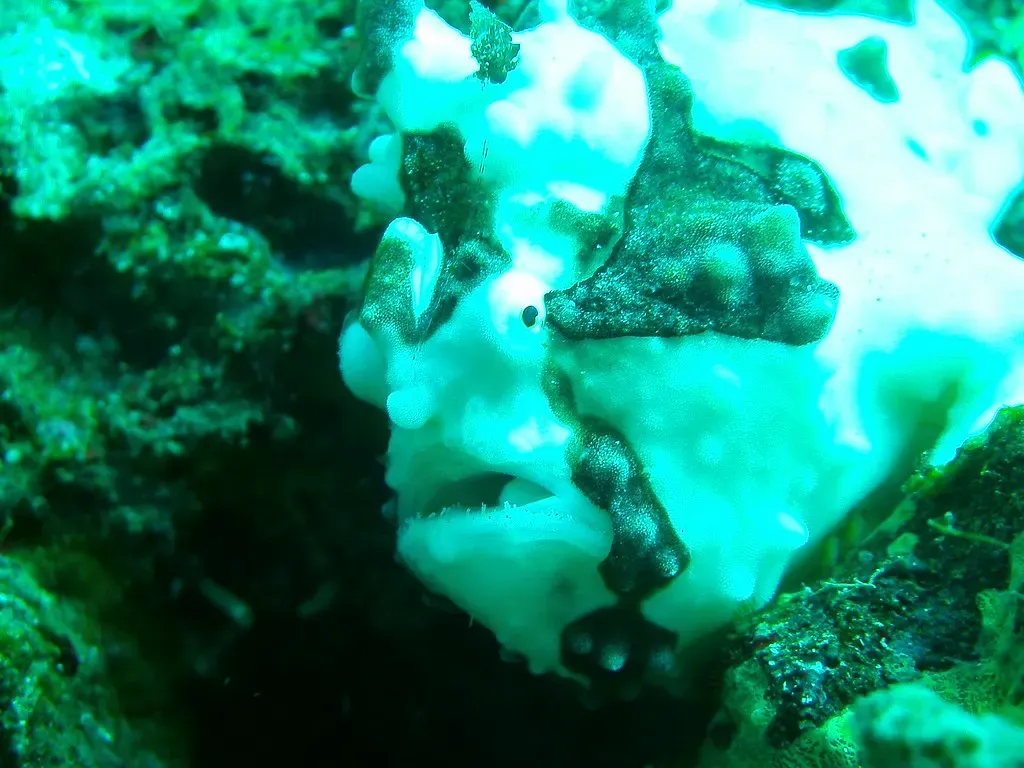
Small wrecks, sea-pen sand and frogfish five minutes off the beach
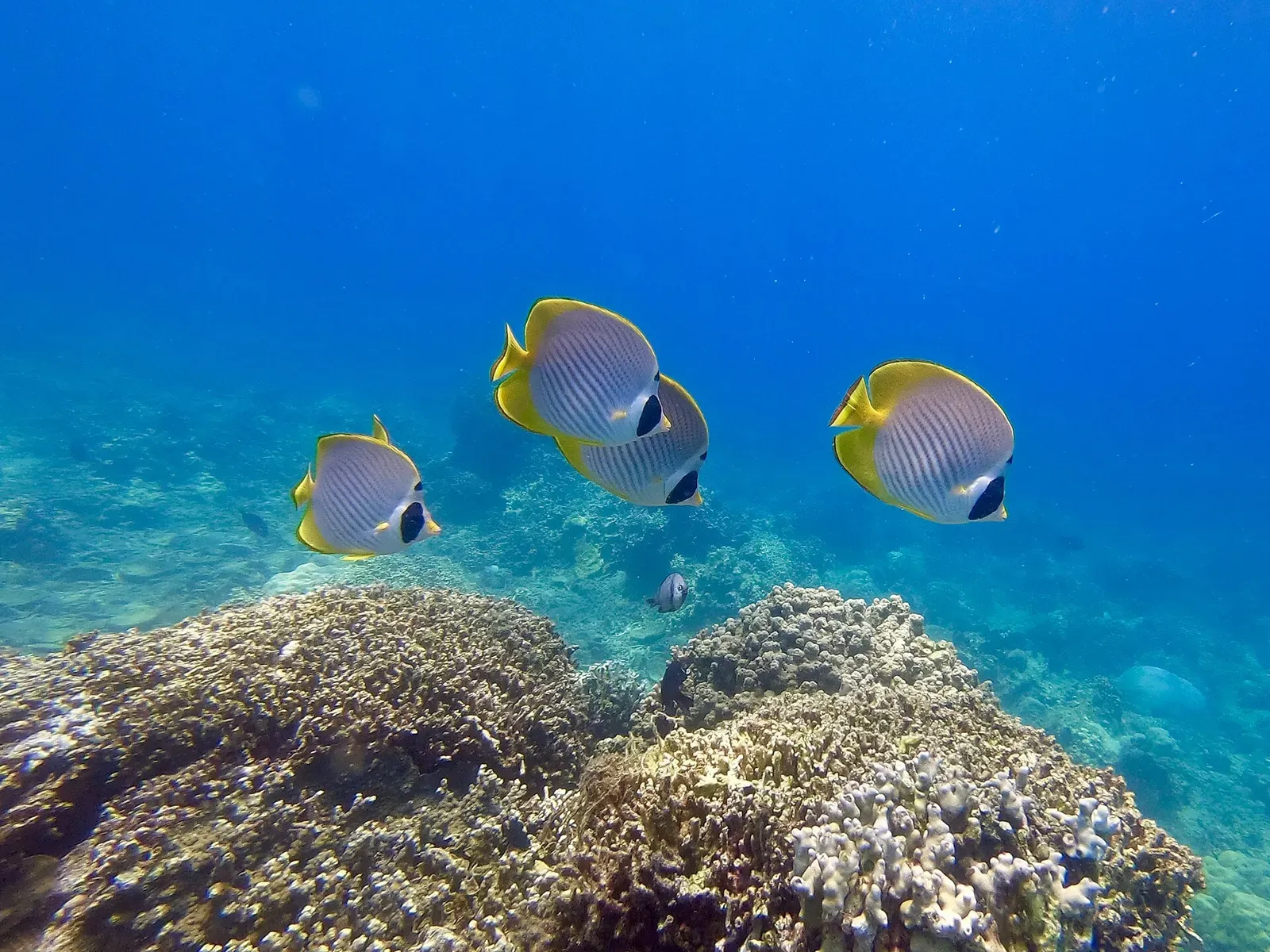
A coral wall in the middle of the passage, dived in strong, clear water
Similar dives elsewhere

Shore-entry house reef from 5 to 30 metres with structures at 15 m

Panglao's critter slope, five minutes off Alona Beach

A shallow coral bowl between two soft-coral mini walls
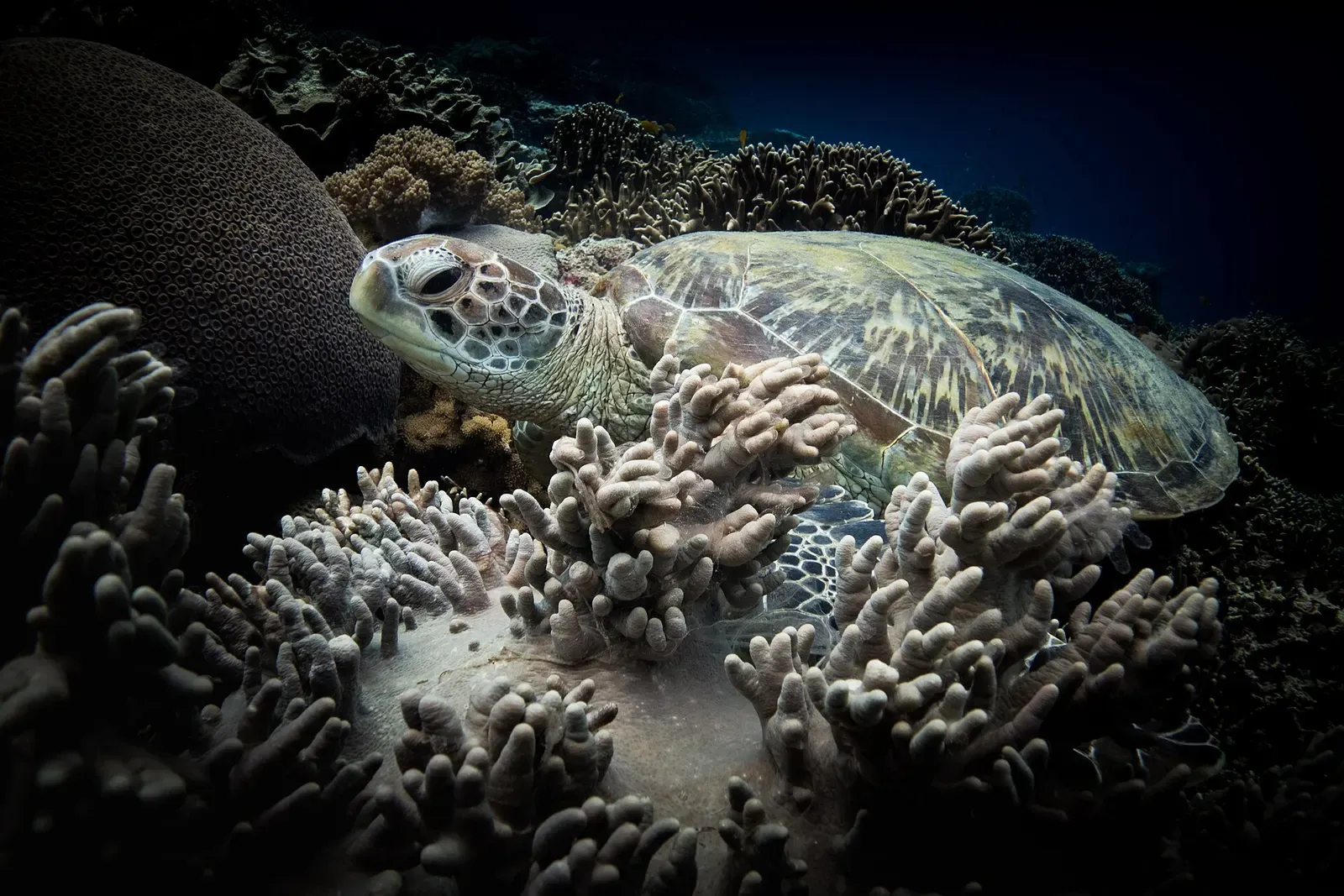
Frogfish and cuttlefish in the island's densest hard coral