
Puerto Galera · Philippines · Channel & pass · Drift · Reef · Night
Manila Channel
Drift the channel either way, depending on flood or ebb
Area photo: Firth McEachern · CC BY-SA 4.0
A tidal channel dive in Puerto Galera that starts on hard coral in 5 m and runs down to sand, with the remains of a shipwreck that caught fire still visible on the bottom. The tide decides which way you go, and the same ground is dived again after dark, when the cuttlefish and frogfish are easiest to find.
Where it is and how deep
13.5221° N, 120.9473° EApproximate position — the dashed circle shows where the site lies; your operator's briefing has the mooring.
The dive
You drop onto a reef of stony hard coral at about 5 m, and from there the profile is decided by the tide. On a flood the current picks you up and carries you into the channel; on an ebb the same site is dived in the opposite direction, so the briefing is about which way the water is running rather than a fixed route. Ask before you kit up, because the run only works in one direction at a time.
The reef slopes away to a sandy bottom at around 18 m, and the deeper end of the channel is reported at between 23 and 26 m depending on the source, so plan for the deeper figure. Antheas, butterfly fish and sergeant majors hold over the coral, and large groupers work the structure. The remains of a shipwreck that caught fire and sank here hundreds of years ago can still be seen on the bottom.
The small stuff is what most divers come back for. Cuttlefish are common, including the flamboyant variety, along with lionfish and scorpionfish on the harder ground, and nudibranchs, mantis shrimp and often giant frogfish on the sand. The site is also dived at night, when those subjects are out in the open and easy to work with a torch.
Marine life and season
- Groupers
- Octopus & cuttlefish
- Nudibranchs
- Frogfish
- Macro critters
| Jan | Feb | Mar | Apr | May | Jun | Jul | Aug | Sep | Oct | Nov | Dec |
|---|---|---|---|---|---|---|---|---|---|---|---|
| Prime | Prime | Prime | Prime | Good | Fair | Fair | Fair | Fair | Fair | Good | Good |
Season follows Puerto Galera: November–May dry season is calmest; June–October southwest monsoon brings rain and swell.
Know before you go
- Fire urchins are part of the reef life here; keep your fins and hands clear of the bottom when you settle to photograph something.
- The channel only works with the tide behind you, so a mistimed entry means fighting current instead of drifting. Confirm the direction in the briefing.
Questions divers ask
How deep is Manila Channel?+
The reef starts at about 5 m and slopes to a sandy bottom around 18 m. The deeper end of the channel is reported at between 23 and 26 m depending on the source, so plan for the deeper figure; most of the dive is still spent well inside recreational limits.
Is Manila Channel a good night dive?+
Yes. It is one of the area's regular night sites, and the cuttlefish, frogfish, nudibranchs and mantis shrimp that live on the sand are easier to find after dark than during the day.
Sources
- Manila Channel Dive Site — PADI
- Manila Channel - Scubago — Scubago/SSI
More dive sites in Puerto Galera
Wreck
A cargo hull upright at 30 m, lit through its own skylights
Drift
Three current-cut canyons and an old Spanish anchor at 30 m
Mandarinfish leave the fire coral here at dusk
Reef
A swim-through at 14 m with shoals riding the current overhead
Reef
Pygmy seahorses on the fans, turtles over the hard coral
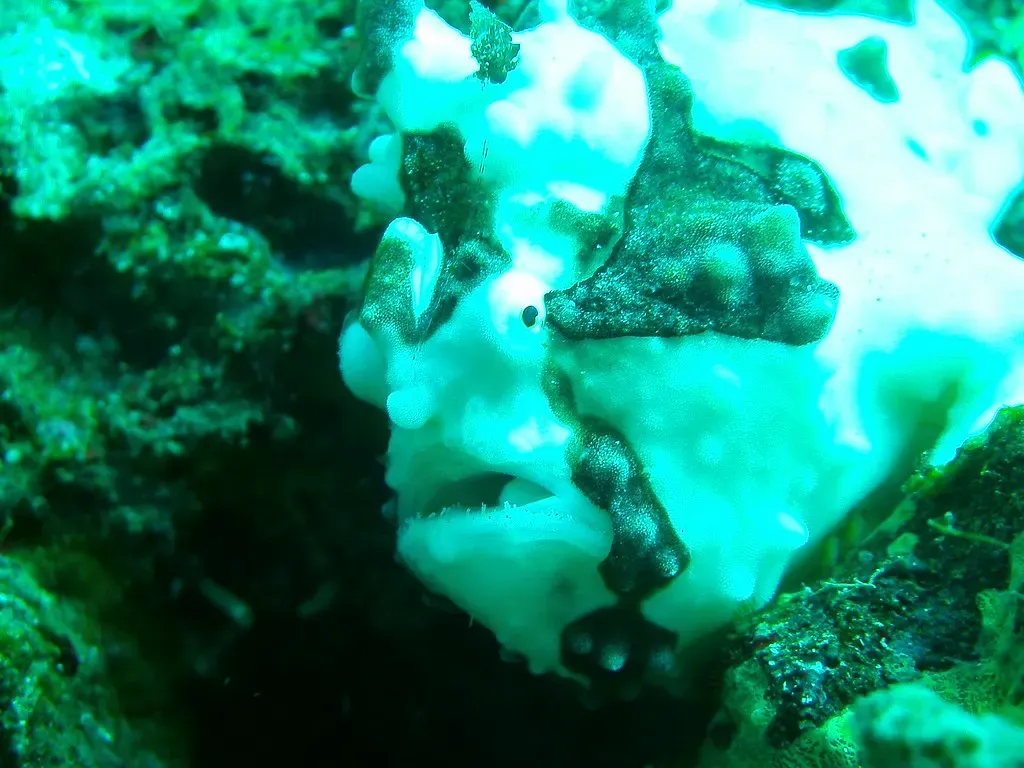
Small wrecks, sea-pen sand and frogfish five minutes off the beach
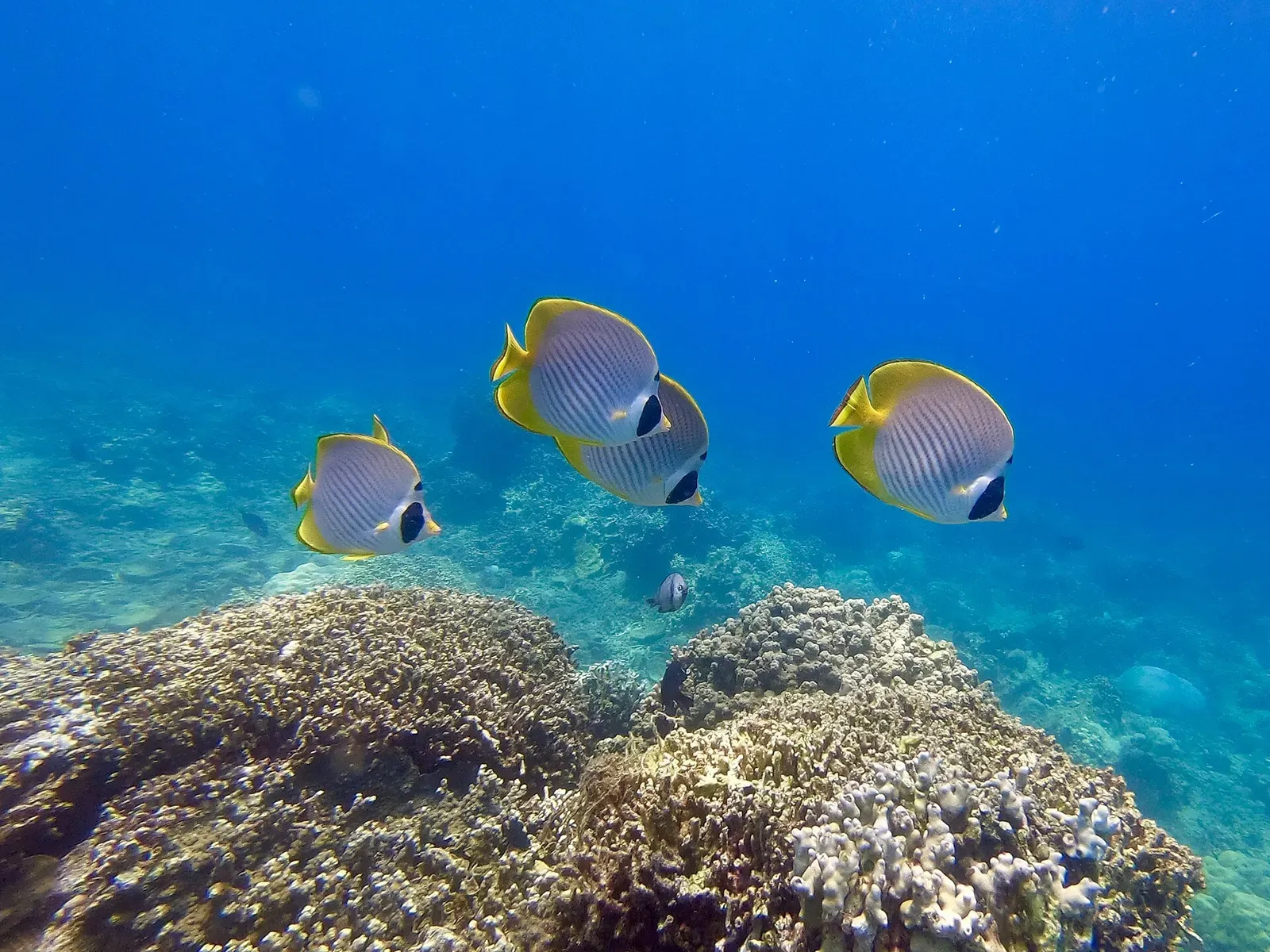
A coral wall in the middle of the passage, dived in strong, clear water
Similar dives elsewhere

Often-strong current turns the channel into a drift
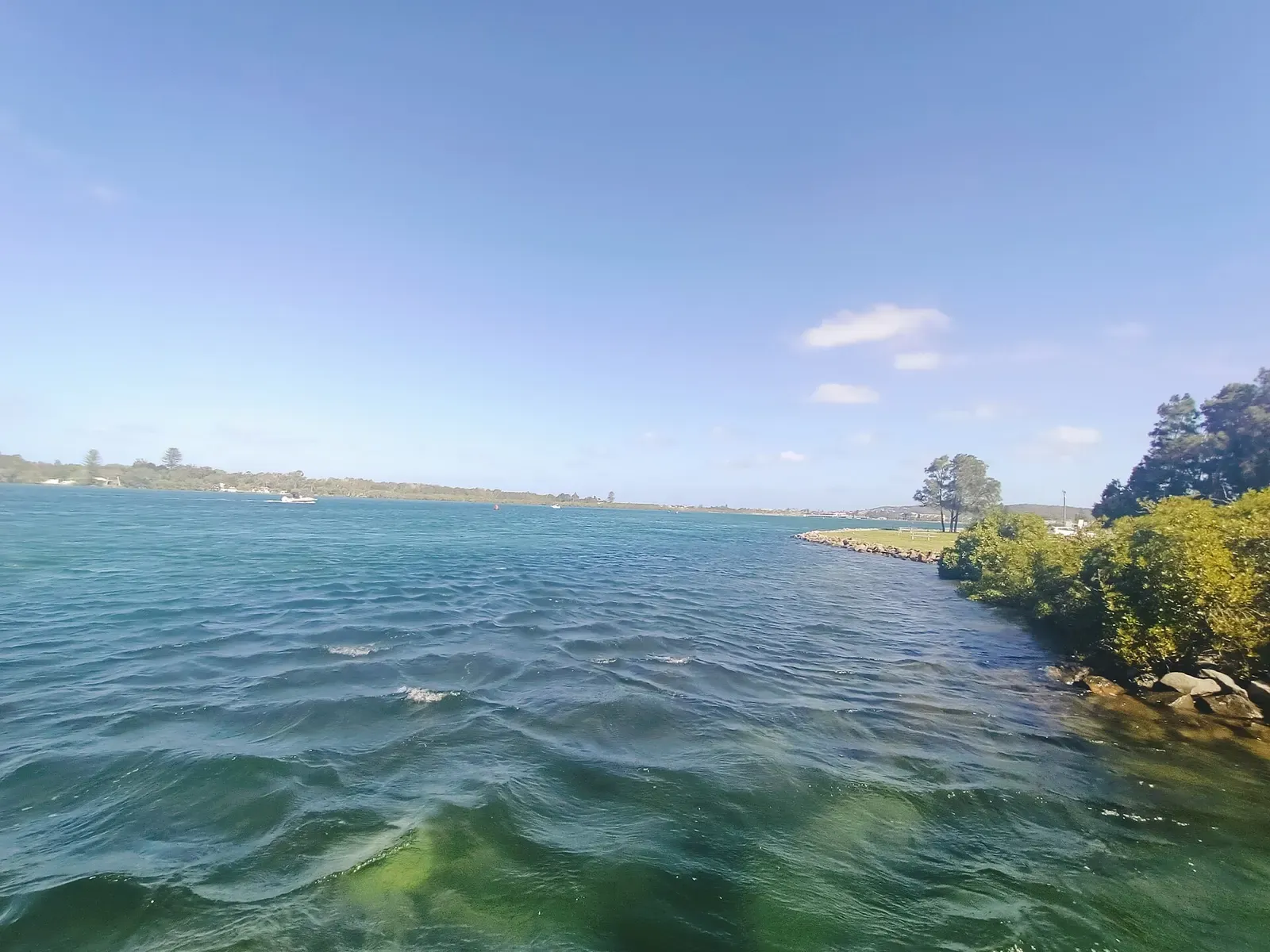
Bridge pylons and an 18 m artificial reef, dived at slack or as a tidal drift

Resident turtles around an old wooden boat wreck

A gentle drift over coral and sand to 18 m