Coral Triangle · Papua New Guinea
Rabaul & Simpson Harbour
Japanese wartime wrecks and jetty critters inside a volcanic caldera
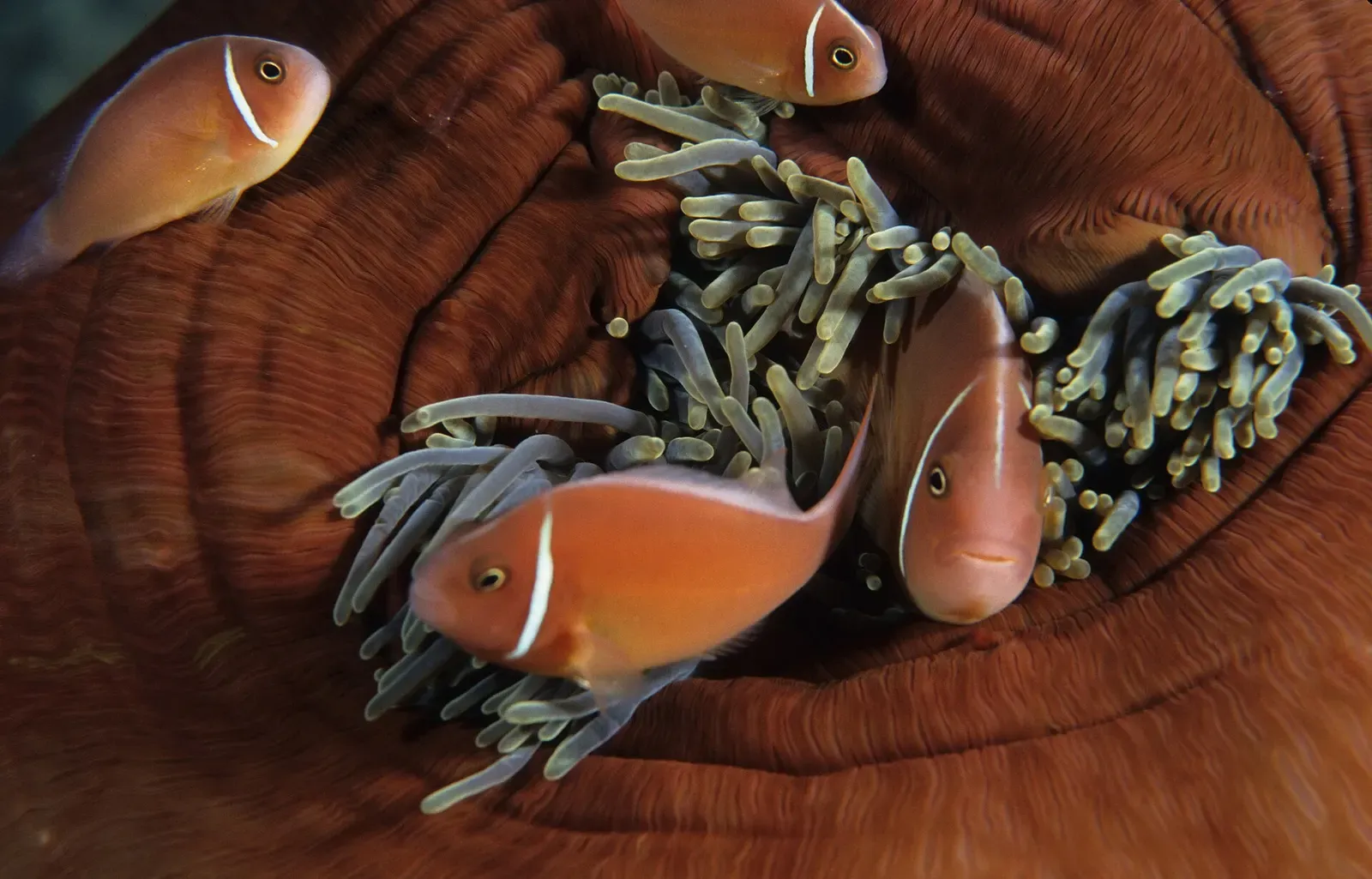
Photo: Barry Peters from Greer, SC · CC BY 2.0
Rabaul's natural harbour on New Britain served as a Japanese naval base in the Second World War and now holds more than 60 wrecks, and the Rabaul area has more wartime wrecks than anywhere else in Papua New Guinea. The diving pairs those hulls, from the Hakkai Maru and Manko Maru to George's Wreck and Pete's Bi-Plane, with the Submarine Base wall and shallow jetty dives, where frogfish shelter among the pylons and mandarinfish live on the sand.
About diving in Rabaul & Simpson Harbour
Many of the businesses once based in Rabaul town now operate out of Kokopo on Blanche Bay, on the opposite side of the caldera. One centre runs two morning sessions and one after lunch, in canopied banana boats that carry up to twelve divers. Volcanic activity continues around the harbour, and ashfall has at times closed the airport at Tokua, which can strand a trip either side of the diving.
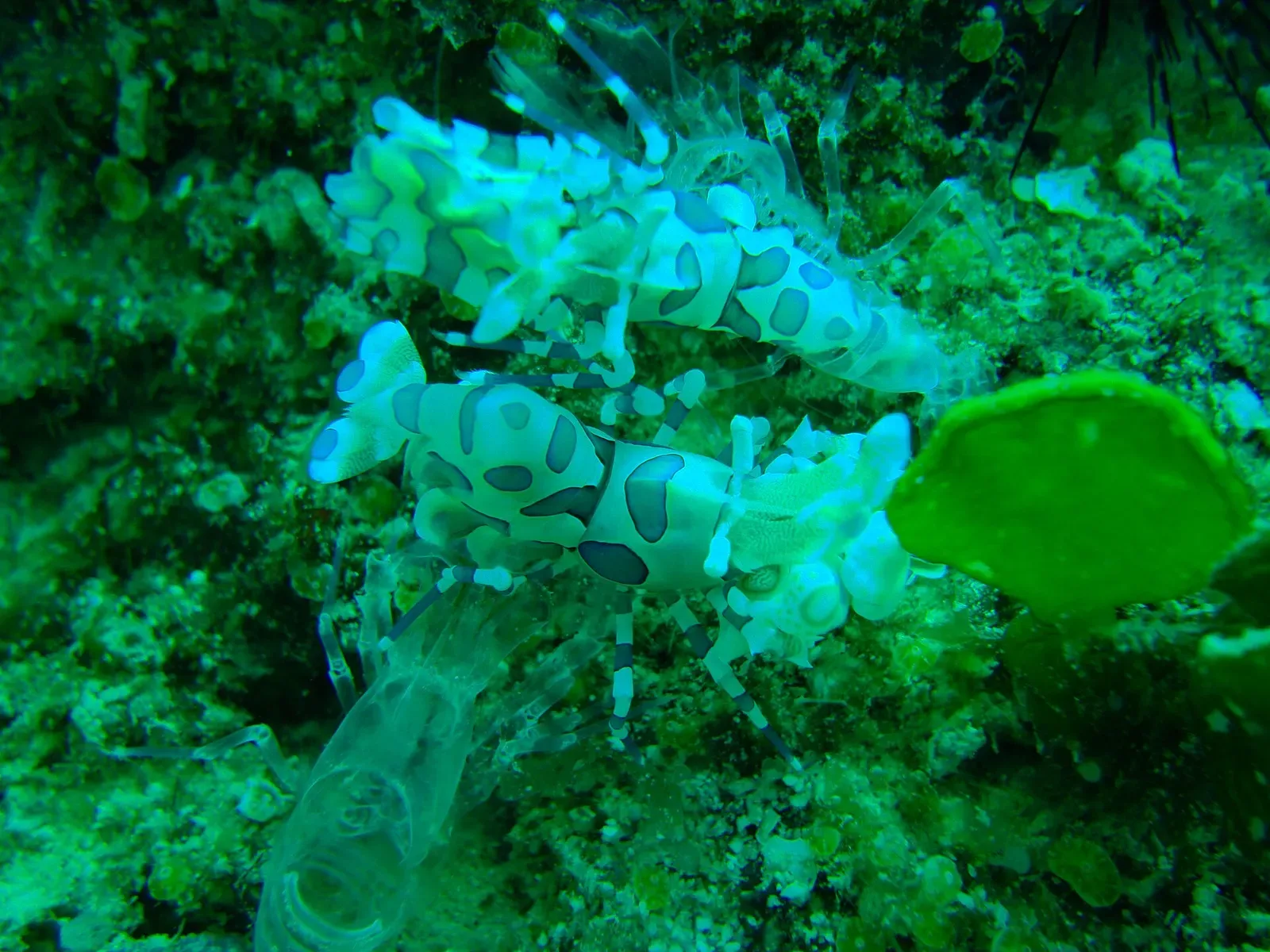
Simpson Harbour is the caldera formed by a massive volcanic eruption, with volcanoes arrayed around its rim, and the Submarine Base wall marks the edge of that submerged caldera. Around the jetties the bottom is dark sand, and the sandy bottom dives turn up bumblebee and harlequin shrimp, boxer crabs and leaf scorpionfish, while patches of sea grass around Johnnies Jetty hold a variety of seahorses.
The area suits divers who come for wartime history and are comfortable at 25 to 30 m, where the best-known harbour wrecks rest. Macro photographers have the jetties: the main structure at Johnnies Jetty stands in just 5 m, shallow enough to spend hours on a single dive. The water fluctuates very little, sitting between 28 and 30 °C year round, so the temperature never decides the trip.
Best time to dive Rabaul & Simpson Harbour
| Jan | Feb | Mar | Apr | May | Jun | Jul | Aug | Sep | Oct | Nov | Dec |
|---|---|---|---|---|---|---|---|---|---|---|---|
| Fair | Fair | Fair | Good | Prime | Prime | Prime | Prime | Prime | Prime | Good | Fair |
January to March sits in the rainy season that runs from December, though these months are only marginally wetter than the rest of the year. April is a shoulder month. May opens the best stretch, which lasts until October. From July through September the south-east trade winds blow across New Britain, but the north-east coast around Rabaul is sheltered, with calm seas and excellent diving conditions. November is another shoulder month before the rain returns in December. The water temperature fluctuates very little in any month.
Dive types & marine life
The jetty and sandy bottom dives hold the macro life: frogfish, harlequin ghost pipefish, mandarinfish, coconut octopus and nudibranchs.
- Wreck
- Wall
- Reef
- Muck & macro
- Frogfish
- Mandarinfish
- Octopus & cuttlefish
- Nudibranchs
- Macro critters
Best dive sites in Rabaul & Simpson Harbour
- 1
Hakkai Maru
A 130 m wartime support ship at 25–30 m, grown over with coral and busy with fish.
- 2
George's Wreck
A wartime hull sitting upright on a steep slope just off the beach.
- 3
Submarine Base
Wall a stone's throw from shore, dropping over 250 m and hung with sponges, sea fans and whips.
- 4
Pete's Bi-Plane
Reconnaissance plane shot down at anchor, lying near the shore in 30 m.
- 5
Manko Maru
Smaller wreck in around 25 m, sunk by an allied attack, with penetration possible.
- 6
Atun Wreck
Wreck close to the Pigeon Islands at the entrance to the caldera.
- 7
The Hump
Submerged volcano topped by a garden of huge sea fans, with pelagics passing.
Site guides
Wreck
A whole fishing boat sitting upright with its mast still standing
Wreck
An upright wartime hull running down a slope straight off the beach
Wreck
A coral-covered cannon still mounted on the stern
Wreck
Twisted wreckage that still shows the damage of the attack that sank her
Wreck
A three-bladed propeller still in place on the nose
Wall
A caldera rim where wartime submarines unloaded right beside the shore
How to get to Rabaul & Simpson Harbour
Air Niugini flies daily from Port Moresby, with further flights from Lae, Kavieng, Hoskins in West New Britain and Buka in Bougainville. The airport is at Tokua, southeast of Rabaul, and the vast majority of the area's dive centres now sit in Kokopo on Blanche Bay.
Photos from Rabaul & Simpson Harbour
Stefan Krasowski from New York, NY, USA · CC BY 2.0
Dive videos
Scuba Diving in Rabaul Simpson harbour · Parrotfish Journey on YouTube
Questions divers ask
Are the Simpson Harbour wrecks within recreational limits?+
The best-known pair are: the Hakkai Maru lies in 25 to 30 m and the Manko Maru in around 25 m. Deeper hulls such as the Yanyuri Maru and the Italy Maru are for experienced wreck divers only.
Is there macro diving at Rabaul as well as wrecks?+
Yes. Johnnies Jetty in Kokopo is the muck dive: frogfish wait among the steel pylons, and stonefish, scorpionfish and cockatoo waspfish live in the dark sand underneath.
Can the volcano disrupt a Rabaul dive trip?+
The airport at Tokua has occasionally been closed by ashfall from continuing volcanic activity, so a spare day either side of the flights is sensible.
Sources
- Rabaul diving guide — Underwater Asia
- Rabaul, New Ireland & New Hanover — ZuBlu
- Diving Rabaul Wrecks Reefs and Jetties — Indo Pacific Images
- Rabaul — Wikivoyage
- Rabaul average sea temperature — seatemperature.org
- Rabaul — MV Oceania
- Rapopo Plantation Resort — Go Tours
Photo credits
- Four orange anemonefish with a white head stripe nestled among the pale tentacles of a rust-red anemone by Barry Peters from Greer, SC, CC BY 2.0, via Wikimedia Commons
- View over palms and the town to a wide blue harbour ringed by green volcanic hills, ships at anchor by Stefan Krasowski from New York, NY, USA, CC BY 2.0, via Wikimedia Commons
Embed
Run a dive centre, club or blog? Embed this map of 5 dive sites near Rabaul & Simpson Harbour on your own page.
Similar destinations
A flashlightfish cave and Olango's 73 m wall, minutes from the airport
Sharks and tuna on the tide at Albatross Passage, and wartime floatplane wrecks

Napaling's resident sardine shoal, and the base for all of Bohol
.jpg)

Muck diving in drowned volcanic valleys with rainforest on the walls