Cold Water · United States
San Juan Islands
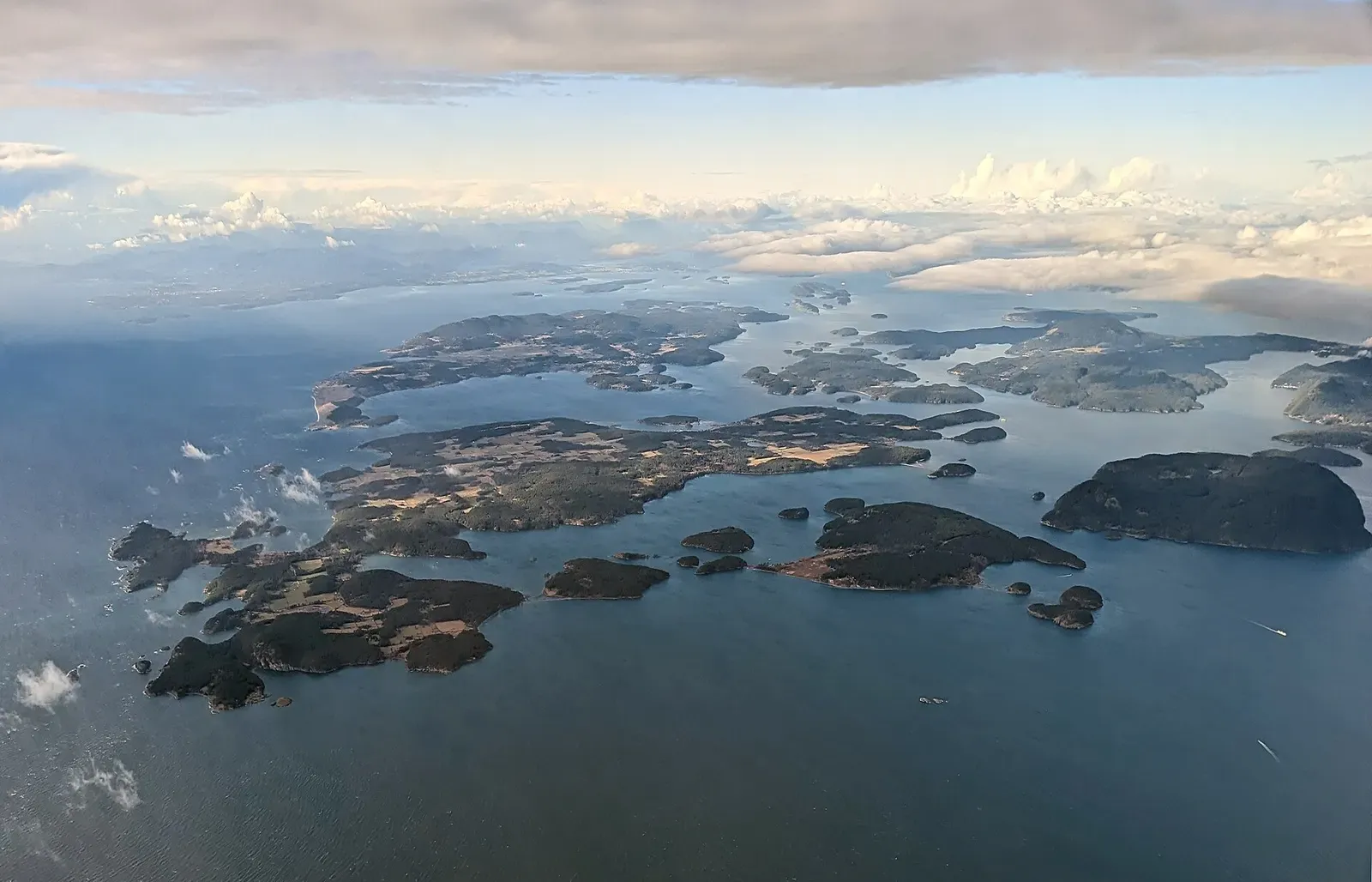
Current-fed walls of anemones and sponges, dived at slack water
Photo: Dicklyon · CC BY-SA 4.0
The San Juan Islands are an archipelago of 172 rocks, islets and islands in the Salish Sea, dived mostly by boat. Currents of up to 6 knots race through the passes and sweep up the walls, so sites such as Davidson Rock and Lime Kiln Point are dived at slack water. Walls such as Lawson Bluff on Sucia Island drop to around 30 m (100 ft), carpeted in strawberry anemones, sponges and tunicates.
About diving in San Juan Islands
Diving here runs on the tide table. Many sites are current-sensitive and best dived around slack water, and shore access is limited, so most diving is done from a boat. No charters are currently known to run in the islands and there are no dive shops on them, so divers come on private boats or the rare charter trip, and bring enough full tanks for the whole stay. Lime Kiln Point on San Juan Island is the exception: one of the best shore dives in the archipelago, with a demanding entry.
The islands sit in the Salish Sea, and the currents that run through the passes at up to 6 knots feed the walls. At Lime Kiln Point bull kelp grows at 8–11 m (25–35 ft) above a cliff that rolls down to nearly 37 m (120 ft); elsewhere rock drops away in sheer faces, gullies, ledges and caves. Kellett Bluff is covered in sponges, anemones and tunicates, and Long Island West Wall in strawberry anemones. Giant octopuses and king crabs shelter in the cracks, tiger rockfish hide in dark chasms at Lawson Bluff, and sea lions turn up at Whale Island.
The archipelago suits experienced cold-water divers who can plan their own dives, handle a boat or join a private trip, and time entries to slack. Davidson Rock carries heavy current and a wall face that goes well past recreational depth, and a safety stop in the kelp can happen in strong flow. Divers who want shore entries should look at Puget Sound, about 100 km south, which has many shore dives. Ruben Tarte Cove is an easy-entry shore site.
Best time to dive San Juan Islands
| Jan | Feb | Mar | Apr | May | Jun | Jul | Aug | Sep | Oct | Nov | Dec |
|---|---|---|---|---|---|---|---|---|---|---|---|
| Good | Good | Good | Good | Good | Good | Good | Good | Good | Good | Good | Good |
Dived year-round; current-sensitive sites are timed to slack water on the tide table.
Best months: January, February, March, April, May, June, July, August, September, October, November, December
Dive types & marine life
Walls here are coloured by invertebrates: strawberry anemones, sponges and tunicates, with nudibranchs in large numbers at Ruben Tarte Cove. Giant octopuses and Puget Sound king crabs hide in the rock, candystripe shrimp live on Breakfast Rock, and sea lions visit Whale Island. Water sits between 9 and 12 °C (48–53 °F).
- Wall
- Kelp forest
- Octopus & cuttlefish
- Nudibranchs
- Seals & sea lions
Best dive sites in San Juan Islands
- 1
Lawson Bluff
Sucia Island walls, caves, overhangs and shelves at 21–30 m (70–100 ft), with Puget Sound king crabs.
- 2
Lime Kiln Point
Current-swept shore dive below a lighthouse, from bull kelp down to nearly 37 m (120 ft).
- 3
Davidson Rock
Advanced wall on an offshore reef near Lopez Island, swept by heavy current.
- 4
Long Island West Wall
Strawberry-anemone wall and kelp bed, best at 15–27 m (50–90 ft) on a mild flood.
- 5
Breakfast Rock
Rounded pinnacle rising from a flat bottom at about 27 m (90 ft), with candystripe shrimp.
- 6
Ruben Tarte Cove
Easy-entry site at 5–15 m (15–50 ft) with nudibranchs, flatfish and crustaceans.
Site guides
Pinnacle
A rounded pinnacle whose lee side can often be dived when current runs
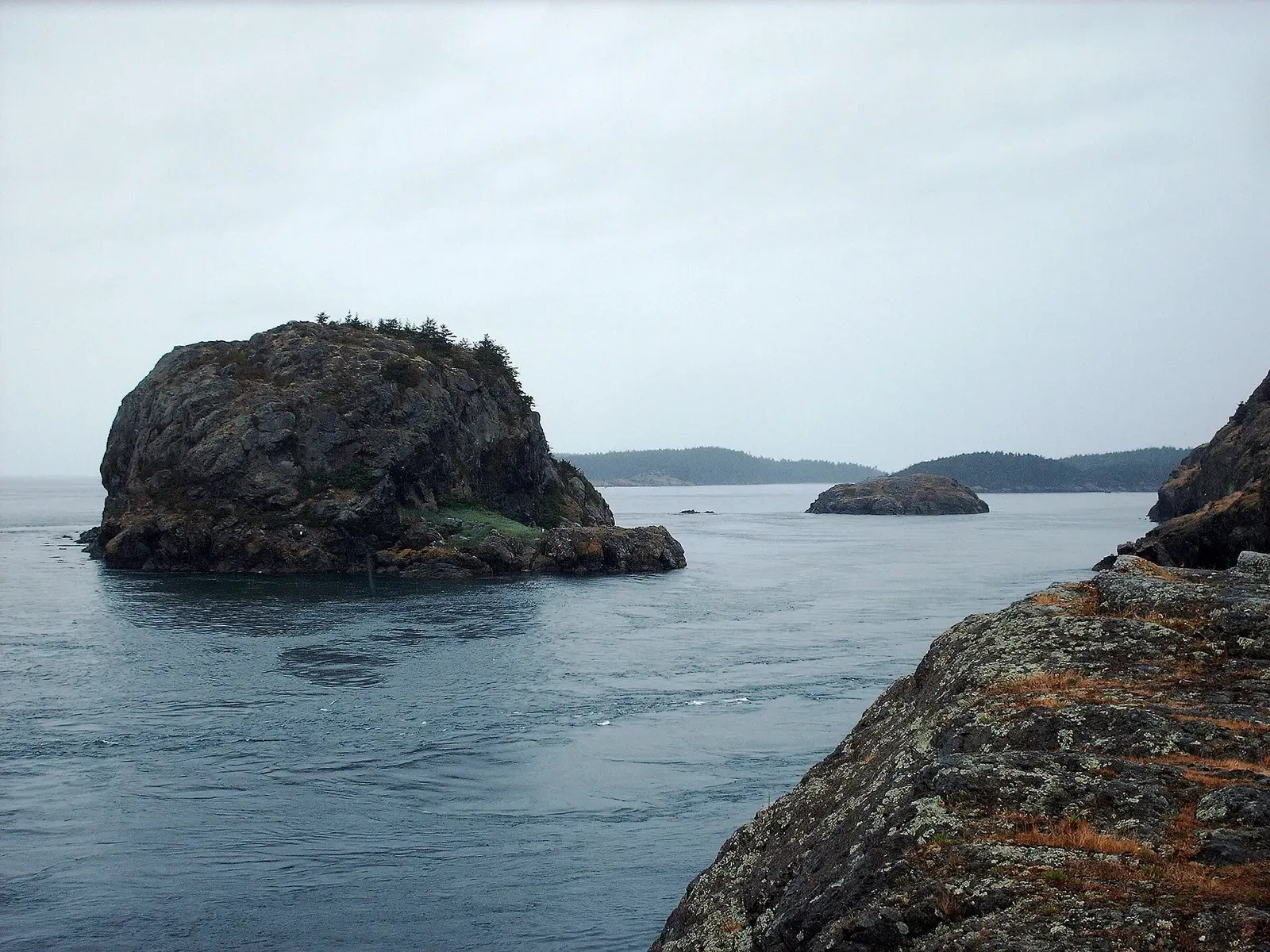
A sheer west face thick with giant plumose anemones
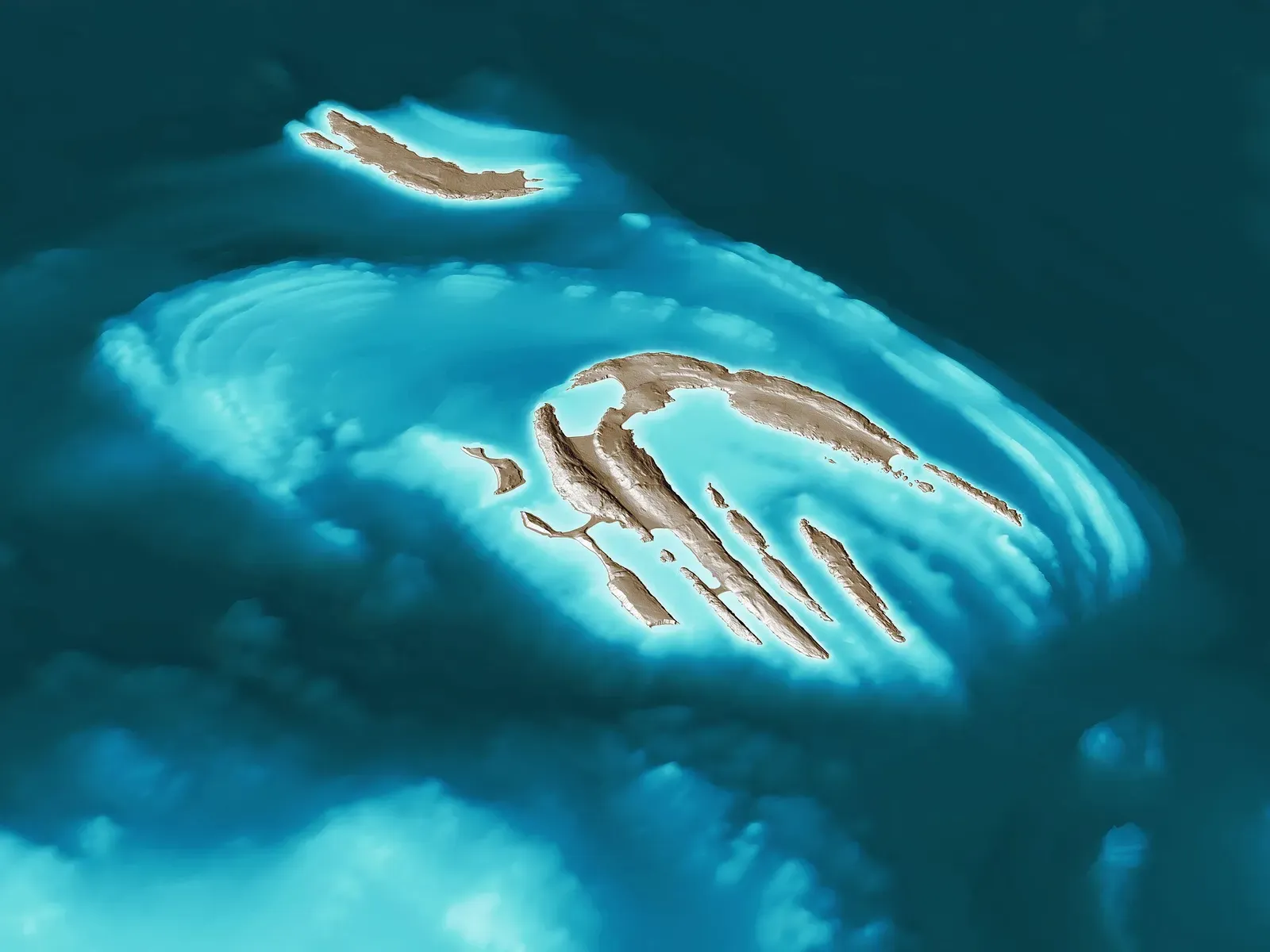
King crabs and tiger rockfish in the chasms of a Sucia Island wall
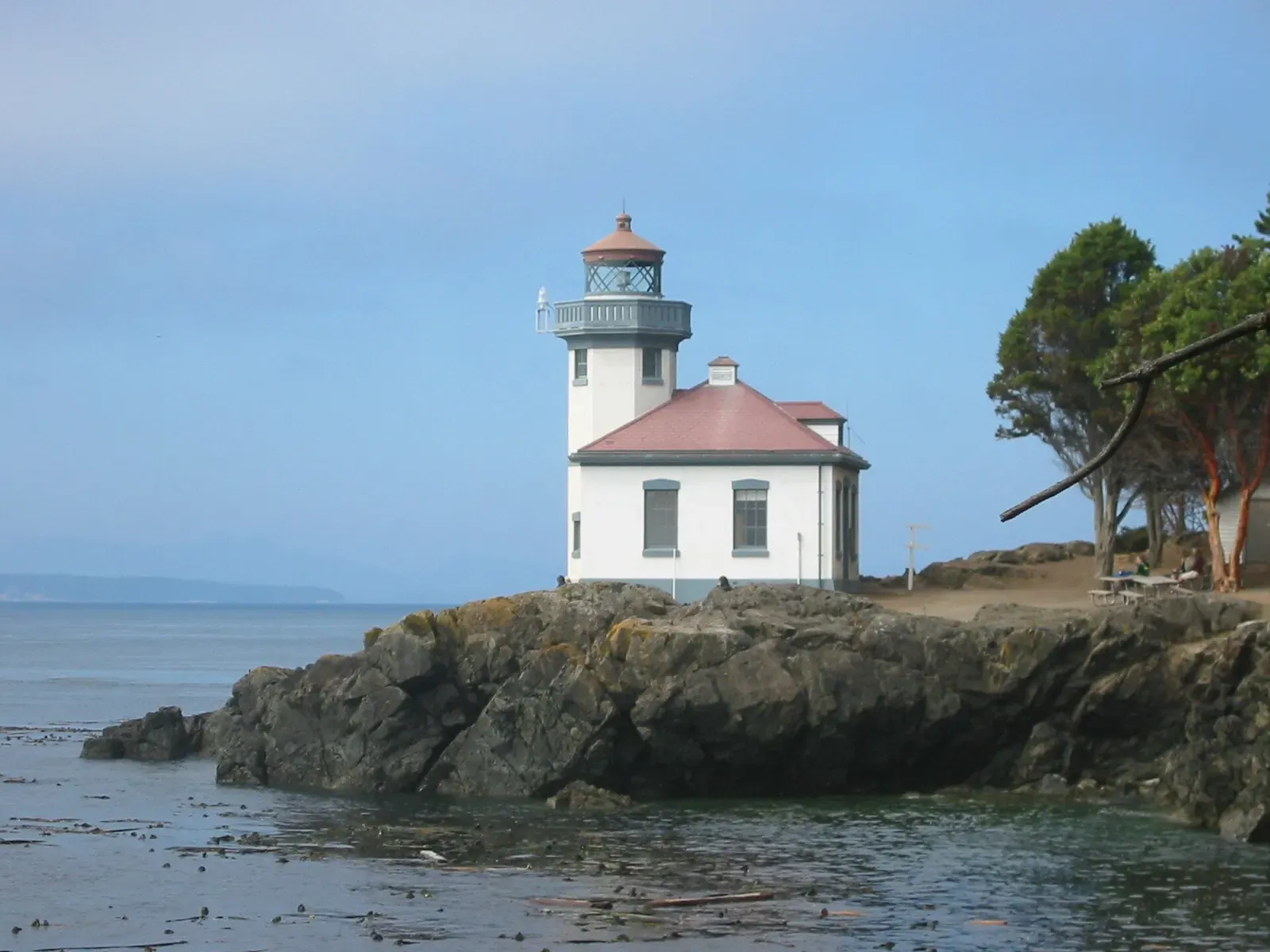
Bull kelp over a cliff that rolls down to nearly 37 m (120 ft)
How to get to San Juan Islands
Most visitors drive to Anacortes, Washington, and take the Washington State Ferries boat to Friday Harbor on San Juan Island; ferries also serve Lopez, Shaw and Orcas, and sail from Sidney, British Columbia. There are no dive shops on the islands, so bring enough full tanks for the whole stay.
Dive videos
A Season Underwater in the San Juan Islands · Nolan Grose on YouTube
Diving the San Juan Islands · kuahyt88 on YouTube
Questions divers ask
What certification do the San Juan Islands dives need?+
Advanced cold-water diving, as many sites are current-sensitive and best dived around slack water. Davidson Rock carries heavy current, while Ruben Tarte Cove is an easy-entry site at 5–15 m (15–50 ft).
Are there dive shops in the San Juan Islands?+
No. There are no dive shops on the islands, so divers come on private boats or the rare charter trip and bring enough full tanks for the whole stay.
How do divers get to the San Juan Islands?+
Most visitors drive to Anacortes, Washington, and take the Washington State Ferries boat to Friday Harbor on San Juan Island. Ferries also serve Lopez, Shaw and Orcas, and sail from Sidney, British Columbia.
Can the San Juan Islands be dived from shore?+
Shore access is limited, so most diving is from a boat. Lime Kiln Point on San Juan Island is the exception, with a demanding entry and bull kelp at 8–11 m (25–35 ft) above a cliff that rolls down to nearly 37 m (120 ft).
Sources
- San Juan Islands Scuba Diving Guide — PNW Diving
- Adventure Diving in Washington's San Juan Islands — Scuba Diving
- San Juan Islands — Wikipedia
- Lime Kiln Point — PNW Diving
- Lawson Bluff — PNW Diving
- Davidson Rock — PNW Diving
- Breakfast Rock — PNW Diving
- Anacortes Diving — Anacortes Diving
- San Juan Islands Yacht Charter — Supernova Expeditions
Photo credits
- Aerial view over the forested San Juan Islands scattered across calm grey-blue water, with snowy mountains on the horizon by Dicklyon, CC BY-SA 4.0, via Wikimedia Commons
Embed
Run a dive centre, club or blog? Embed this map of 4 dive sites near San Juan Islands on your own page.
Similar destinations

Sweden's only cold-water coral reefs, inside its first marine national park

Giant Pacific octopus and anemone-covered walls in the 'Emerald Sea'
England's first marine reserve, and its grey seals follow divers around

Cold-water walls, wrecks and wolf eels in Puget Sound and Hood Canal