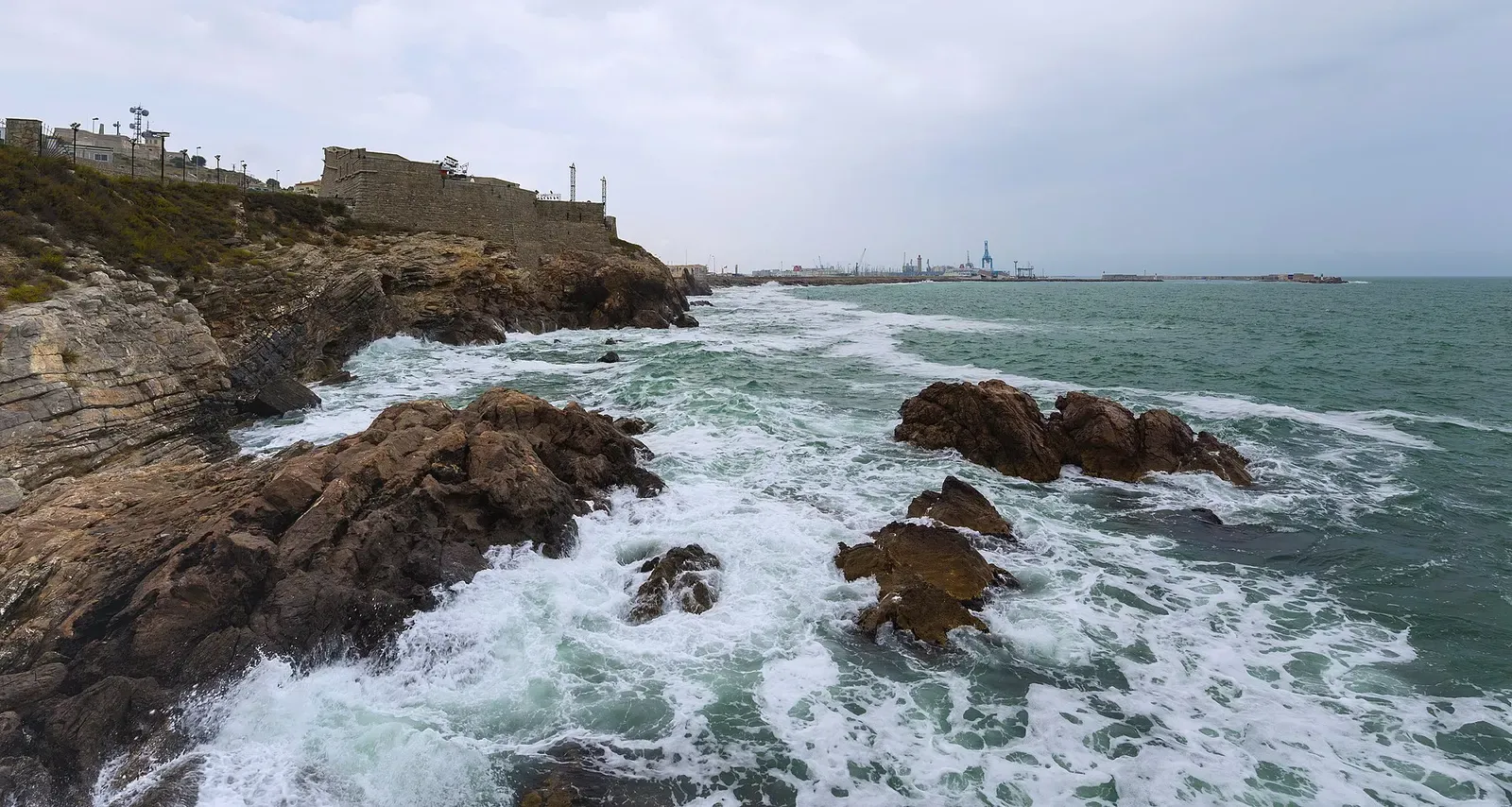
Sète & Frontignan · France · Reef
Théâtre de la mer
Two artillery pieces on a sand-and-rock bottom
Photo: Christian Ferrer · CC BY-SA 3.0
An easy boat dive off Sète: a sandy bottom at around 5 m, then a rocky ledge and boulders, often in clear water. Two artillery pieces lie on the site, a large cannon on the ledge and a machine gun out on the sand, and the mixed ground of sand, boulders and rock platform carries reef fish, small schools, sea urchins and plenty of encrusting growth.
Where it is and how deep
43.3932° N, 3.6930° EPublished position for this site.
The dive
You are dropped onto a sandy bottom at around 5 m, the one depth the dive school publishes for the site. From the sand you work in to the rocky ledge and the boulders around it, a mixed ground of sand, broken blocks and rock platform rather than a reef. The water over it is often clear, which makes the layout easy to read and the site an easy one to run as the first sea dive of a trip.
The artillery is what divers come to see: a large cannon lying on the ledge, and a machine gun out on the sand below it. Around them the rock carries plenty of encrusting growth and sea urchins, with reef fish and small schools working the boulders. Nothing here forces the pace. With the bottom at about 5 m the dive lasts as long as your air and your interest do, and you finish over the sand under the boat.
Marine life and season
- Reef fish swarms
- Macro critters
| Jan | Feb | Mar | Apr | May | Jun | Jul | Aug | Sep | Oct | Nov | Dec |
|---|---|---|---|---|---|---|---|---|---|---|---|
| Fair | Fair | Fair | Good | Good | Prime | Prime | Prime | Prime | Prime | Fair | Fair |
Season follows Sète & Frontignan: The sea averages about 12 °C in February against 22 °C in August and stays above 20 °C from June to October; cuttlefish return to the coast in April, and wind can close the exposed sites.
Photos from Théâtre de la mer
Christian Ferrer · CC BY-SA 4.0
Fagairolles 34 · CC BY-SA 4.0
Christian Ferrer · CC BY-SA 3.0
Questions divers ask
How deep is Théâtre de la mer?+
The sandy bottom sits at around 5 m and the rocky ledge and boulders stand above it, so the whole dive is shallow. The dive school lists it as an easy, boat-access site.
Sources
- Théatre de la mer - Scubago — Scubago / École de Plongée Sétoise
Photo credits
- The rocky headland and fortified walls of the Théâtre de la Mer jutting into the blue Mediterranean at Sète by Christian Ferrer, CC BY-SA 3.0, via Wikimedia Commons
- Black and white image of waves breaking against the fortified wall of the Théâtre de la Mer in Sète by Christian Ferrer, CC BY-SA 4.0, via Wikimedia Commons
- Distant view across the bay of the fort Saint-Pierre headland, now the Théâtre de la Mer, at Sète by Fagairolles 34, CC BY-SA 4.0, via Wikimedia Commons
- A tall ship under sail passing the Théâtre de la Mer fort on the Sète coastline by Christian Ferrer, CC BY-SA 3.0, via Wikimedia Commons
More dive sites in Sète & Frontignan
Lagoon
The deepest point of the Étang de Thau, at 32 m
Reef
Shallow slabs at 7 m, a site for navigation practice
Wreck
A 1905 trader broken in two on sand at 18 m
Artificial reef
Three dumped rock mounds on a bottom of 14 m
Reef
Flat slabs to 10 m on a little-dived, exposed stretch
Similar dives elsewhere
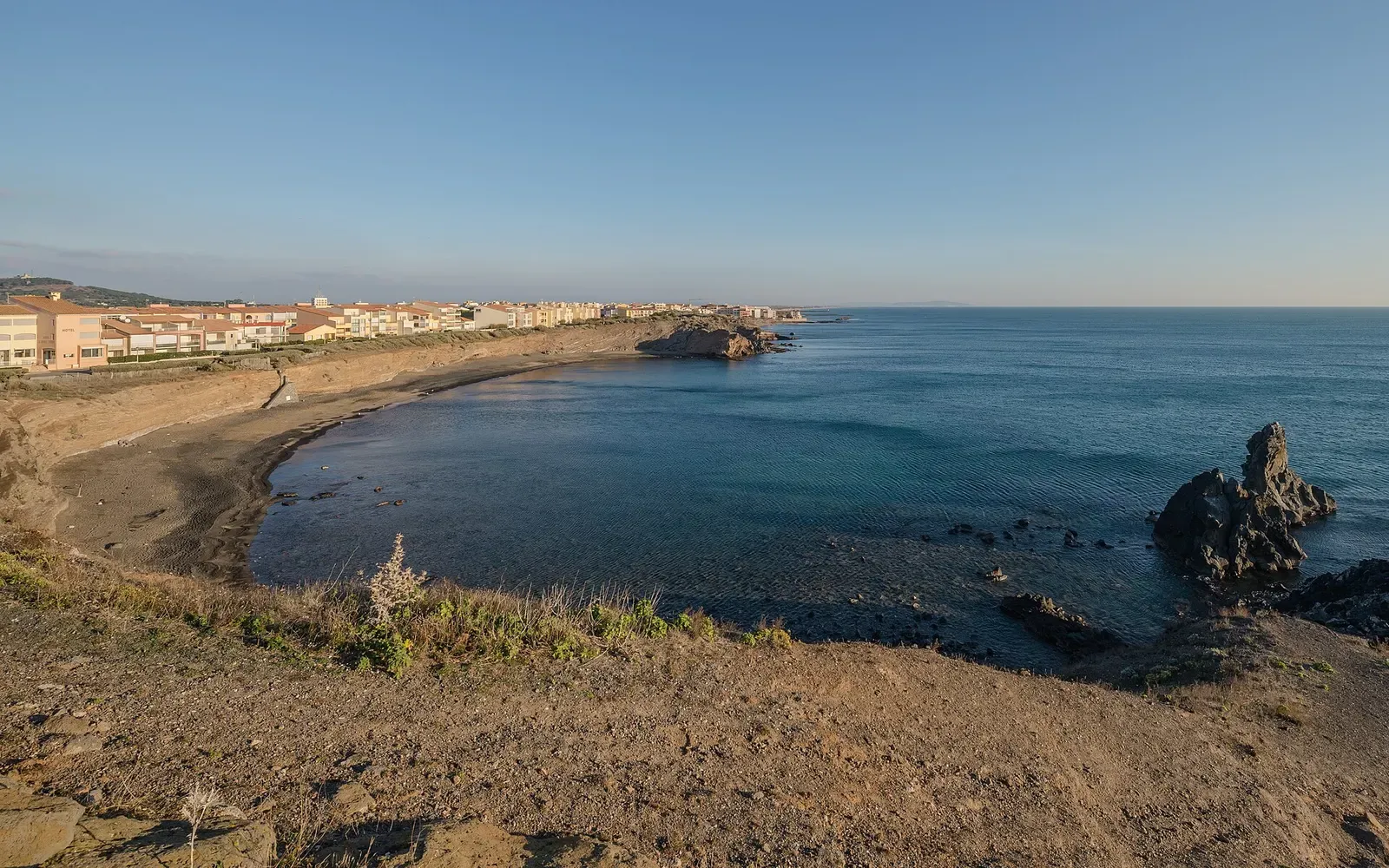
Black volcanic rock in 3–11 m, with octopus through the holes
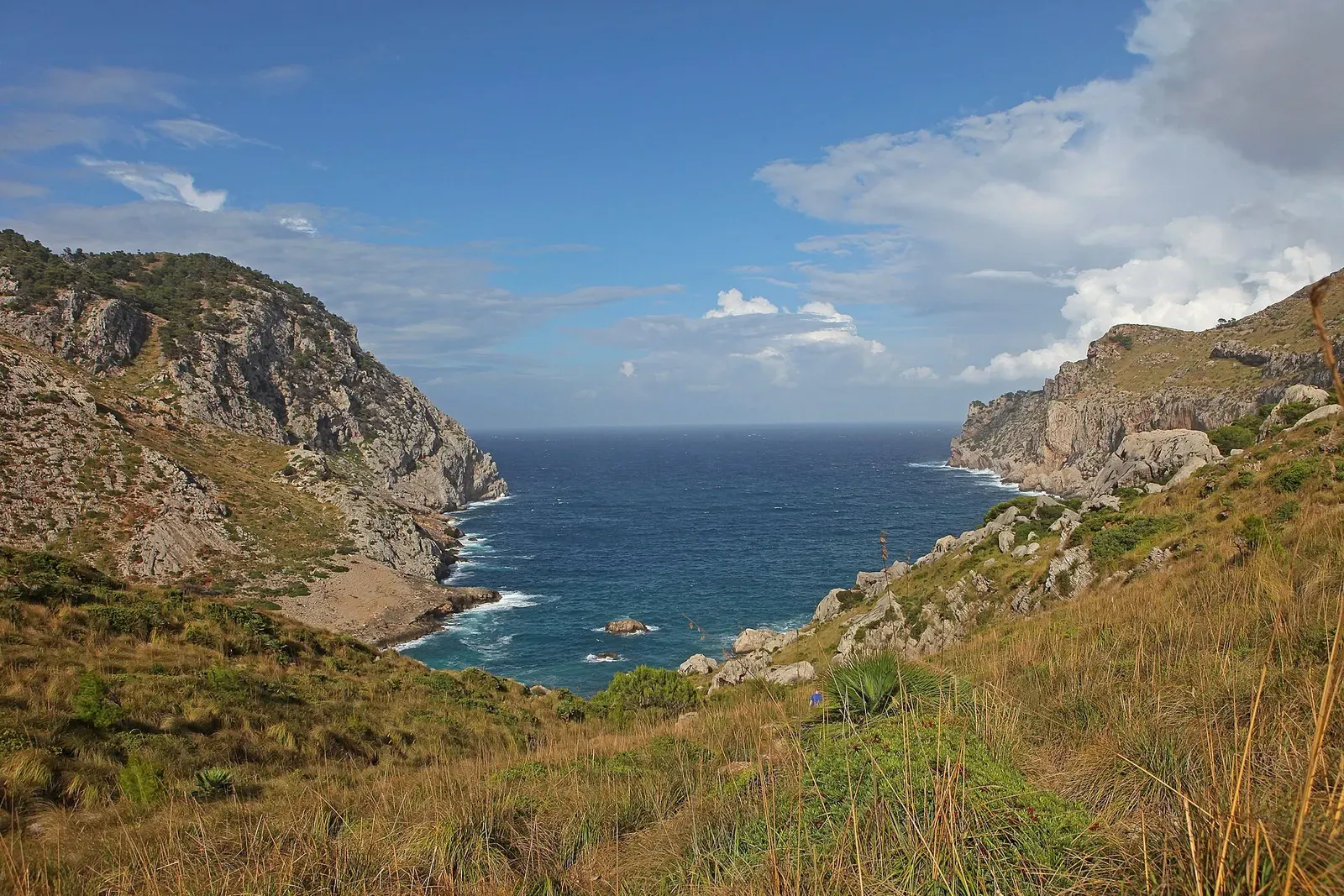
Seahorses, cuttlefish and rays in the sand and posidonia at 12 m
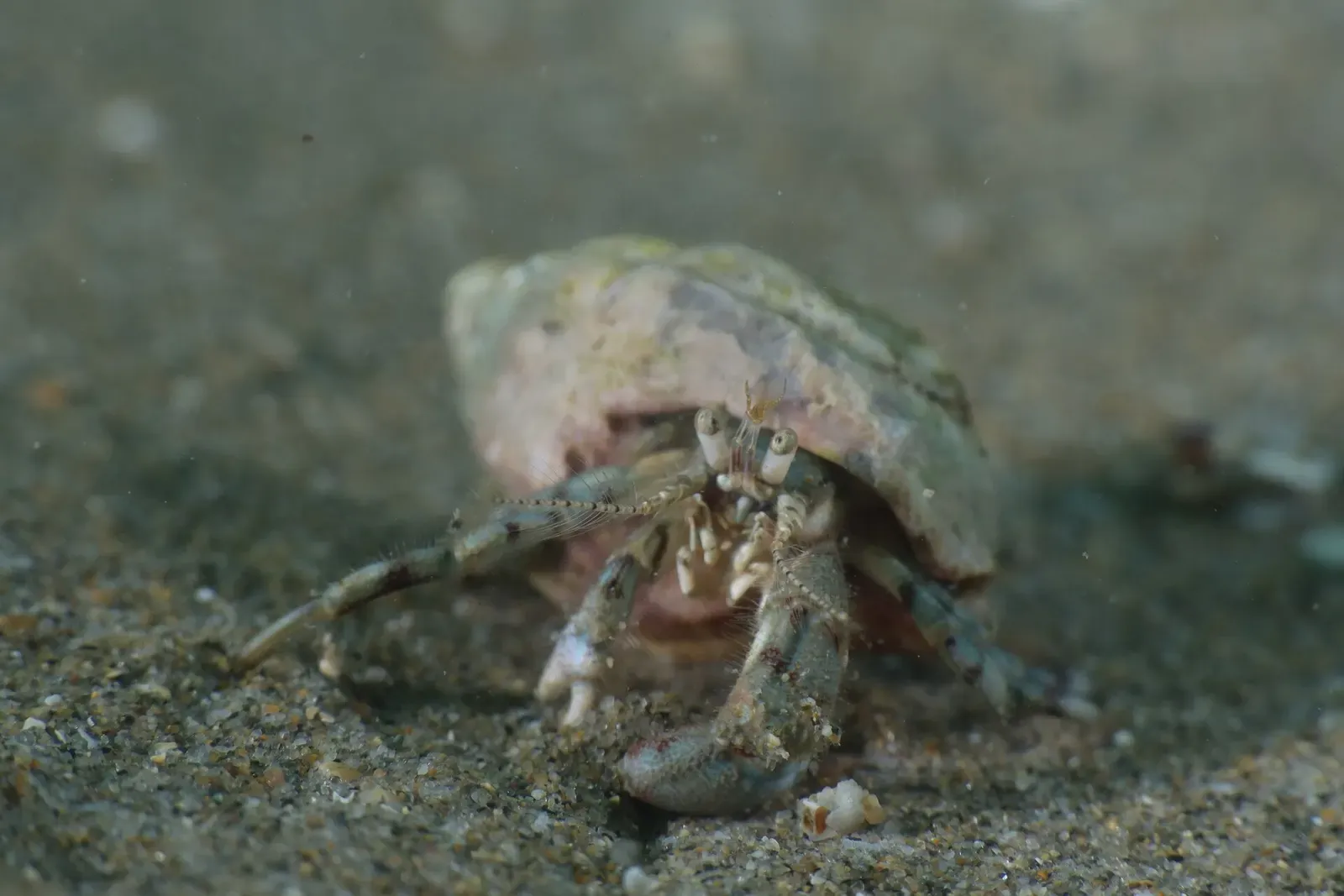
A wide scree field at 8-14 m for slow hunting


,_S%C3%A8te,_H%C3%A9rault_01.jpg)
A pool ladder into a cove of nudibranchs and shrimp