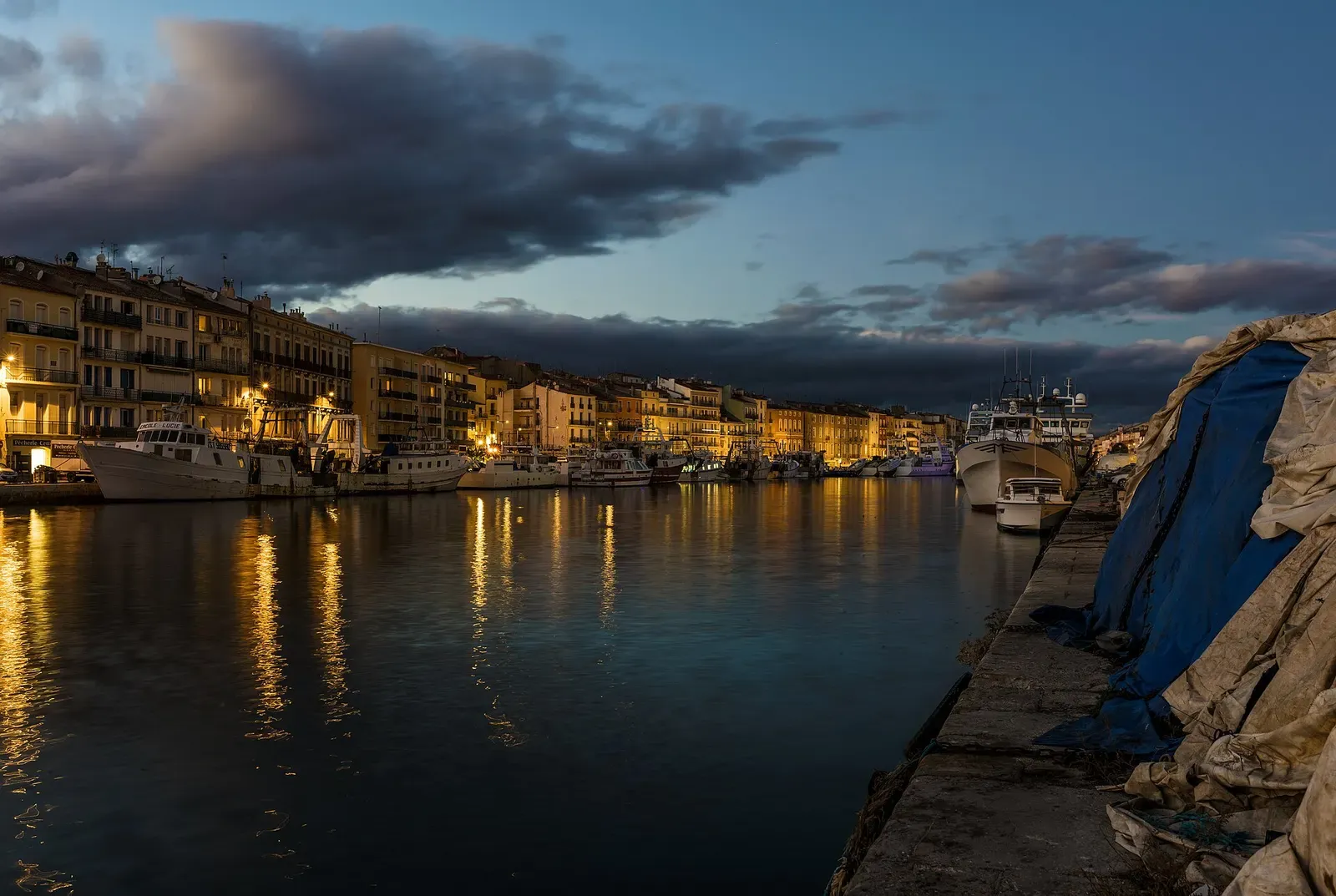
Sète & Frontignan · France · Lagoon
La Vise
The deepest point of the Étang de Thau, at 32 m
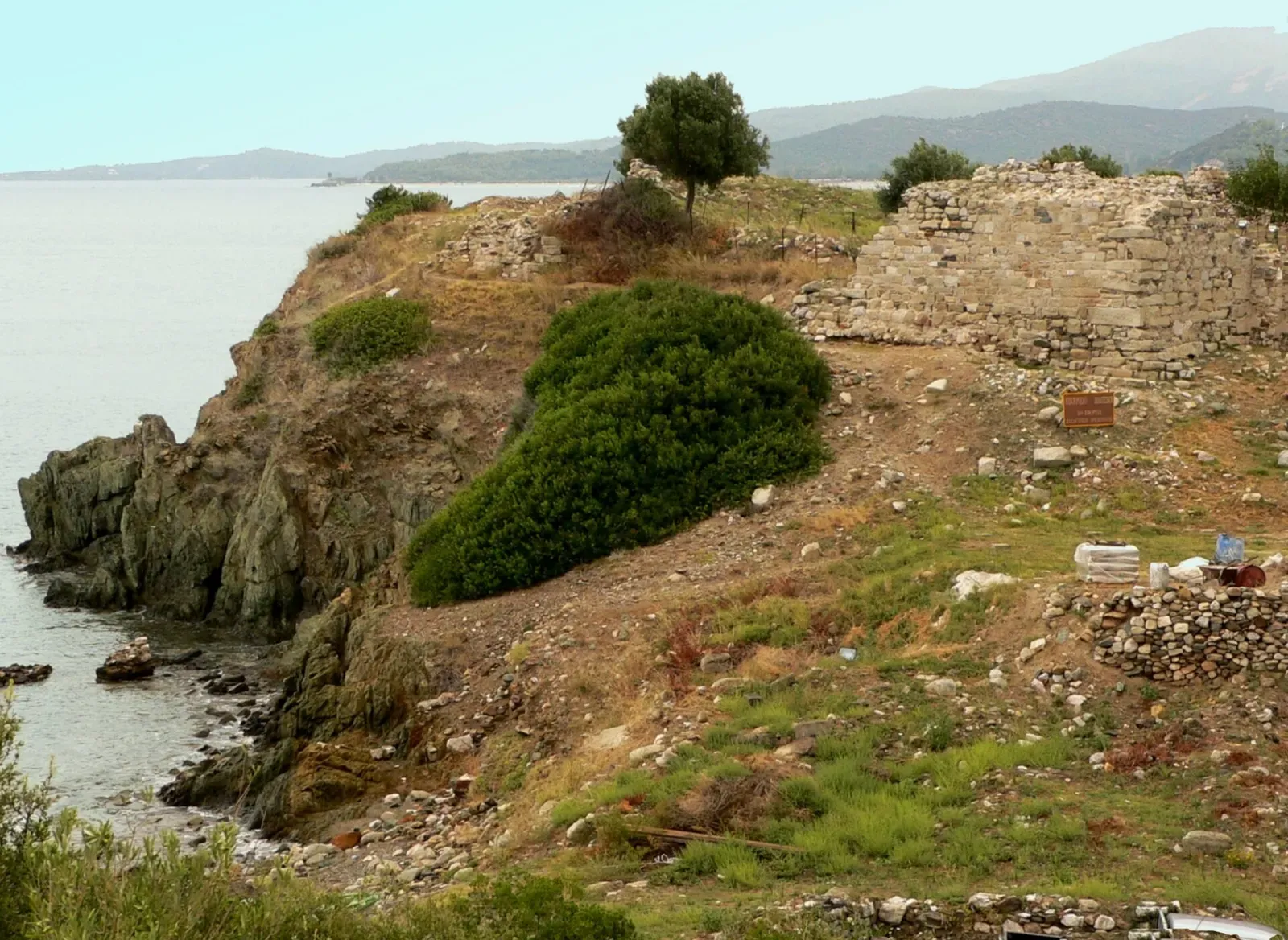
Area photo: Christian Ferrer · CC BY 4.0
The underwater source of the Vise: a resurgence in the Étang de Thau behind Sète, and the deepest point of the lagoon. The dive works a deep zone of around 28–30 m, with the source itself recorded at 32 m, and the school runs it as technical, planned diving rather than an ordinary lagoon outing. The ground around it holds nudibranchs, seahorses and anemones.
Also known as Source de la Vise, Résurgence de la Vise, Trou de la Bisse.
Where it is and how deep
43.4441° N, 3.6737° EPublished position for this site.
The dive
This is the deep end of the Étang de Thau, and the descent goes into flat lagoon water rather than down a reef face. The working zone is around 28–30 m at the resurgence itself, and the source is recorded at 32 m, so the dive is planned for the deeper figure before anyone gets in. The school describes it as technical, planned diving, and what divers come for is the site and the atmosphere of the lagoon's deep rather than the scenery on the way down.
Visibility is lagoon visibility: variable on the day, and easy to ruin. Sediment lifts at the slightest downwash, so the technique is gentle finning and settled trim from the first metre to the last. Around the deep zone the ground repays a slow search, because nudibranchs, seahorses and anemones are the other half of what the site is dived for.
Background
The Vise is a submarine freshwater spring off Balaruc-les-Bains that feeds the Étang de Thau with about nine million cubic metres of water a year, and it is the lowest point in the lagoon, reaching 32 m. The lagoon itself averages about five metres deep, which is how a resurgence in a coastal lagoon ends up on a dive school's list as its one deep, planned dive.
Marine life and season
- Nudibranchs
- Macro critters
| Jan | Feb | Mar | Apr | May | Jun | Jul | Aug | Sep | Oct | Nov | Dec |
|---|---|---|---|---|---|---|---|---|---|---|---|
| Fair | Fair | Fair | Good | Good | Prime | Prime | Prime | Prime | Prime | Fair | Fair |
Season follows Sète & Frontignan: The sea averages about 12 °C in February against 22 °C in August and stays above 20 °C from June to October; cuttlefish return to the coast in April, and wind can close the exposed sites.
Know before you go
- The bottom silts easily: one careless fin stroke can drop the visibility for the rest of the dive, so the site is worked with slow kicks and settled trim.
- At 28–30 m in enclosed lagoon water the dive is planned rather than improvised, with depth, time and route agreed before the descent.
Questions divers ask
Do I need more than an Open Water certification for La Vise?+
Yes. The dive school lists it as technical, planned diving with a deep zone of around 28–30 m, and the resurgence itself is recorded at 32 m, so it sits beyond entry-level depth limits and is planned as a deep dive rather than an ordinary lagoon outing.
Sources
- La vise - Scubago — Scubago / École de Plongée Sétoise
- Étang de Thau — Wikipédia
More dive sites in Sète & Frontignan
Reef
Shallow slabs at 7 m, a site for navigation practice
Wreck
A 1905 trader broken in two on sand at 18 m
Artificial reef
Three dumped rock mounds on a bottom of 14 m
Reef
Flat slabs to 10 m on a little-dived, exposed stretch
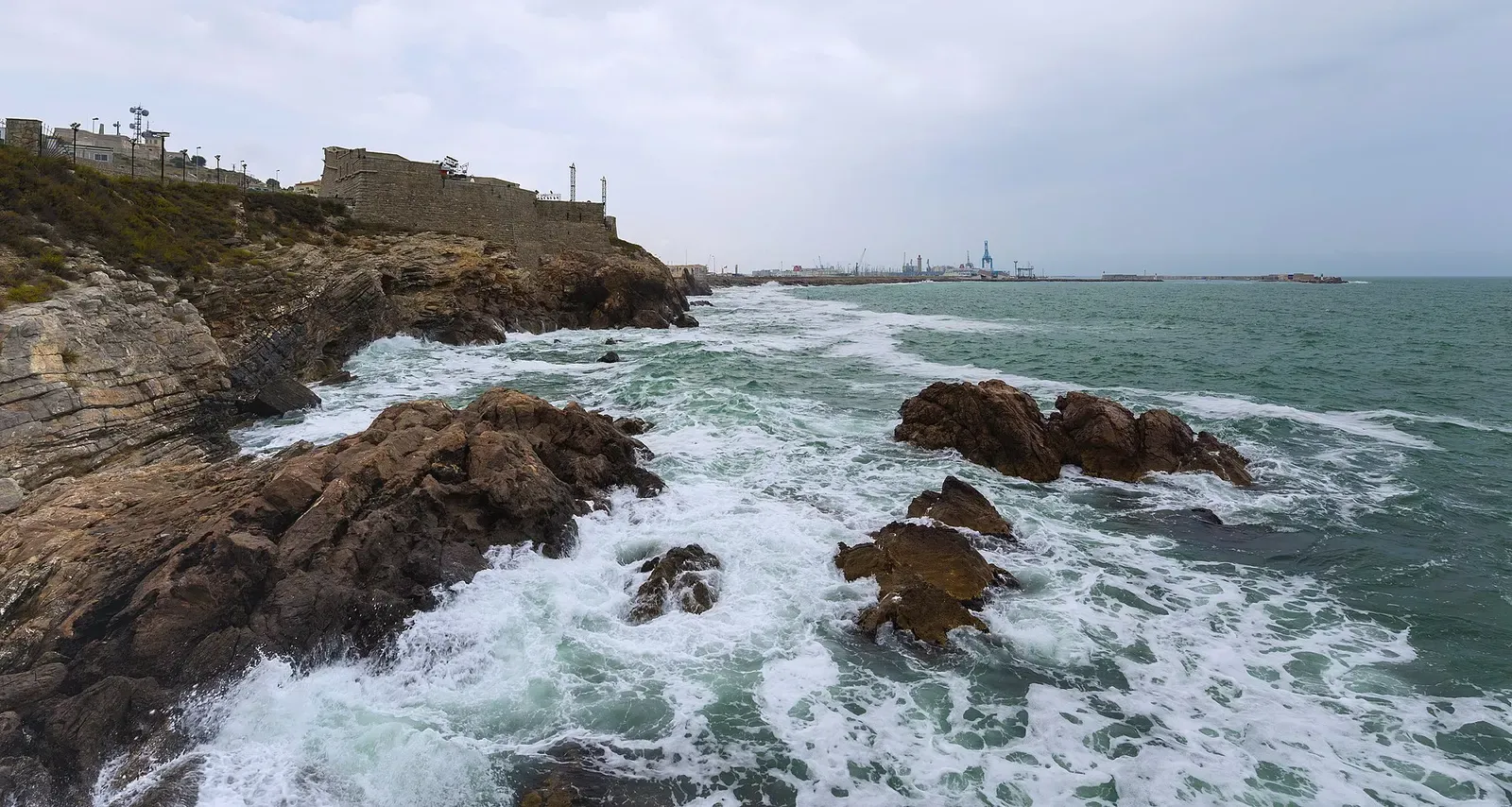
Two artillery pieces on a sand-and-rock bottom
Similar dives elsewhere
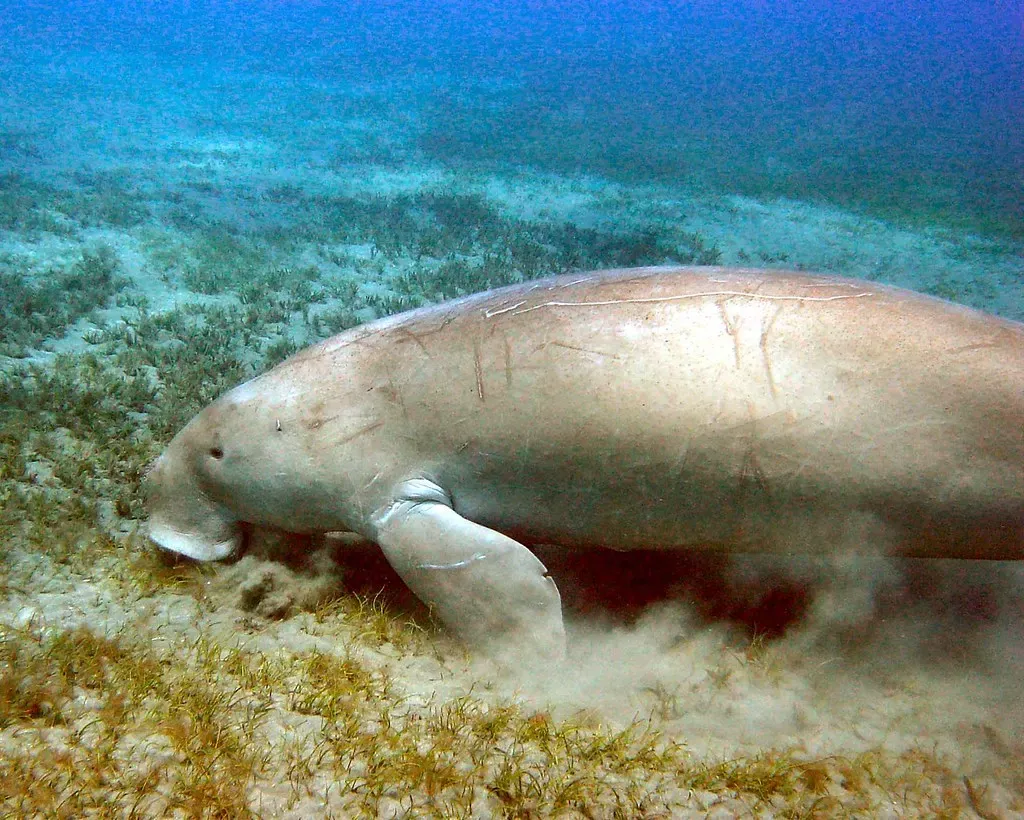
Two of the seven dugongs known on Egypt's Red Sea coast.
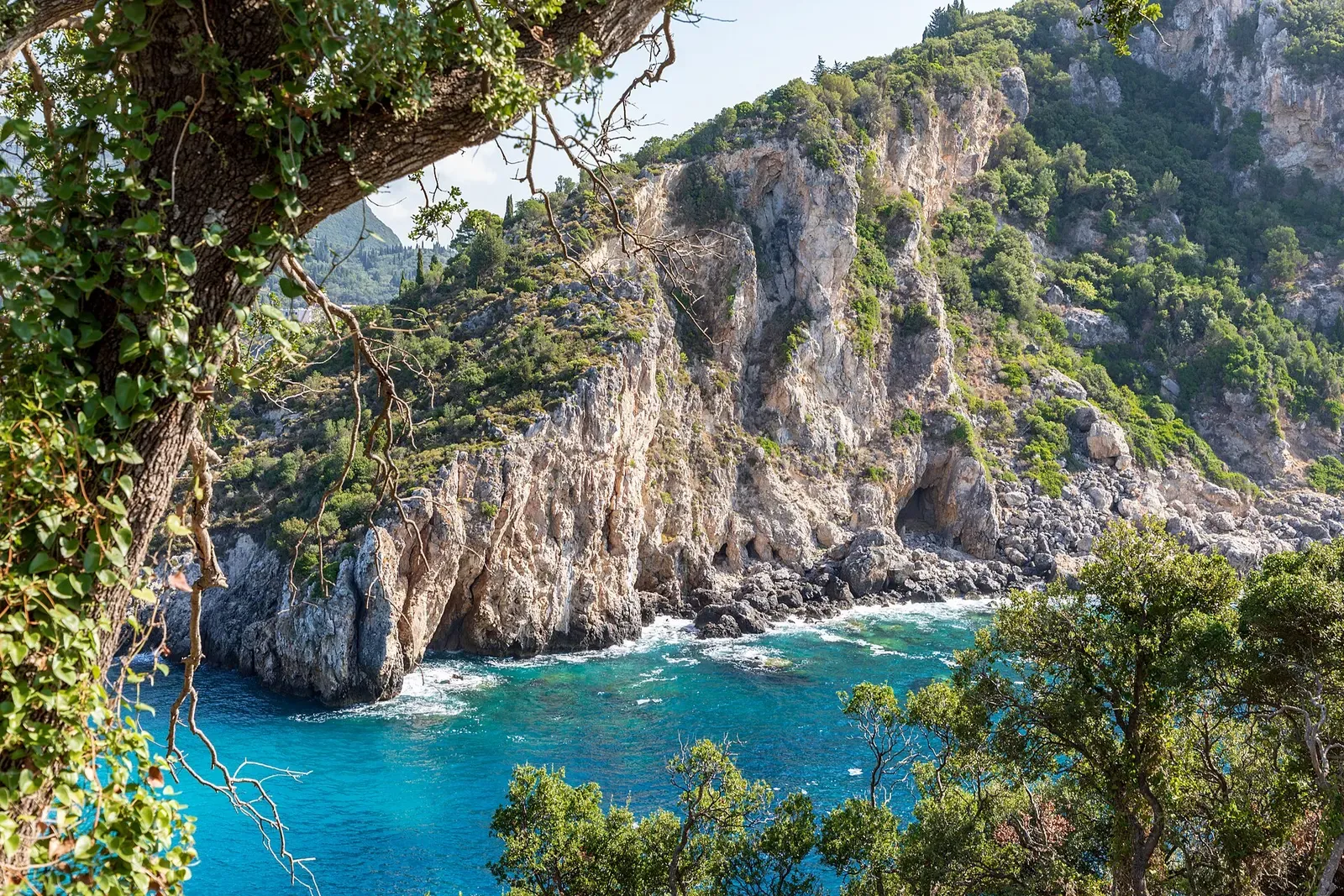
A reef from 1.5 to 30 m with a wreck at 40 m beyond, dived day and night
Old fishing nets turned into a reef, with congers and groupers underneath


White rubble floors at 8-12 m ringed by sheer coral walls.