Mediterranean · France
Sète & Frontignan
A 1905 trader at 18 m and a 32 m lagoon resurgence
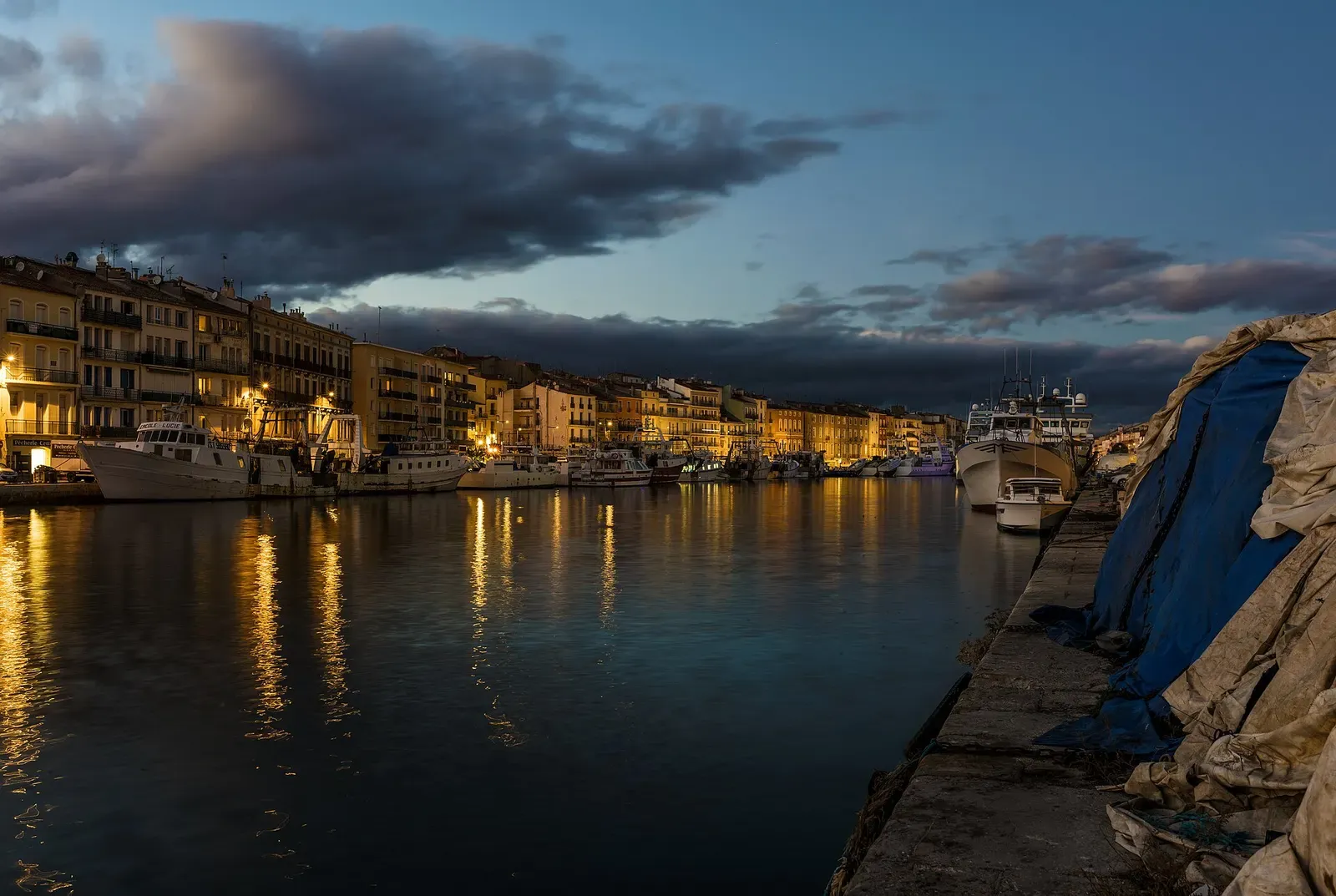
Photo: Christian Ferrer · CC BY 4.0
Sète and Frontignan are adjoining Hérault ports that share one set of dive sites: rock mounds, an old submerged breakwater and a small wreck on sand a few kilometres off the harbour, with the Étang de Thau lagoon behind the towns. Le Planier, a coastal trader sunk after a collision in 1905, lies broken in two pieces at 18 m, and Les Patates is three mounds of rock dumped during breakwater works on a bottom around 14 m. In the lagoon, the Vise resurgence drops to 32 m as a planned technical dive.
About diving in Sète & Frontignan
The diving is boat-based and short-range. École de Plongée Sétoise and Odyssée Plongée work out of Sète, and Plongée Passion sits on Frontignan's east port with a barge and a semi-rigid moored ten metres in front of the centre and free parking twenty metres away. The named sites lie a few kilometres off the two harbours: École de Plongée Sétoise's own list runs to the submerged breakwater, Les Patates, Le Décapsuleur, Quilles Sud and the Planier wreck. The Étang de Thau sites behind the towns are run separately, from the lagoon side, and are used for baptism and biology dives rather than as a second open-sea outing.
The ground is rock on sand rather than reef. Le Jardin is a wide, shallow rocky site of slabs, small caves and shelters; Brise-lames follows the old submerged breakwater as a long ridge of encrusting life; Les Patates is three mounds of rock tipped offshore during the breakwater renovation, sitting at about 14 m. Le Décapsuleur starts on a plateau of roughly a metre and runs into arches and crevices along a wall. Théâtre de la Mer has a cannon on its ledge and a machine gun on the sand, and Le Planier, the 1905 trader, is the deepest of the open-sea sites at 18 m.
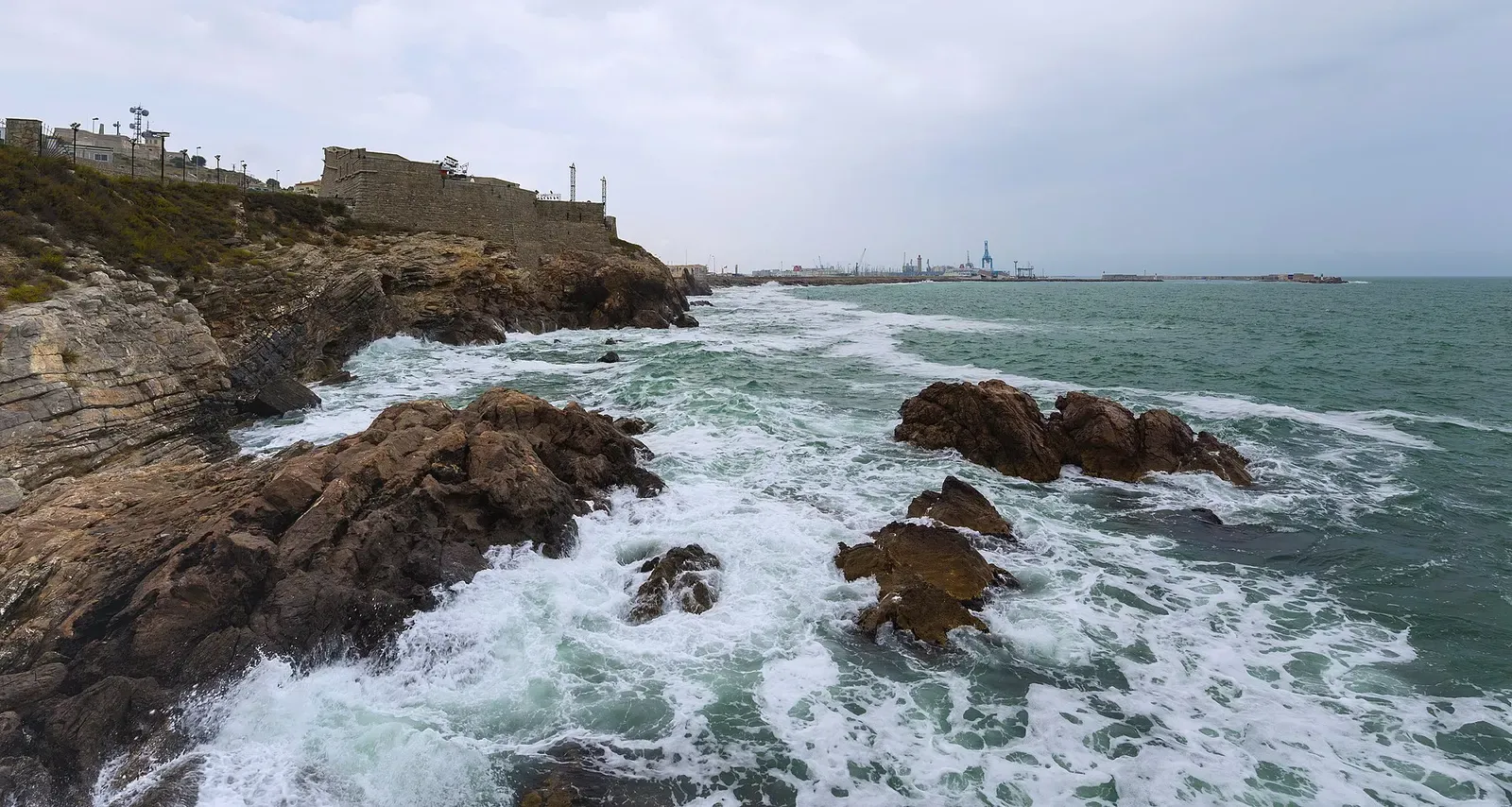
Frontignan reads as a second base town rather than a separate destination: its centre works the Sète roster, and no dive site of its own was found on the Frontignan side. Conditions rather than depth set the limits. Quilles Sud is exposed, with unpredictable visibility and occasional strong current, and bottoms out at 10 m; Le Décapsuleur is open to south-easterly wind; the breakwater dive runs close to boat traffic at the port entrance. In the lagoon, boat speed is capped and the professional shellfish lots are closed to swimming and diving, so lagoon dives are planned around them.
This suits divers starting out or diving locally: École de Plongée Sétoise runs baptisms from age eight and grades its courses at 6, 12, 18 and 20 m, which covers the named open-sea sites. Spring brings cuttlefish back to the coast and the lagoon sessions turn up seahorses and nudibranchs, so the interest is small and close rather than large and distant. Divers who want walls, gorgonians and deep wrecks should look along the coast to Marseille and the Calanques, or south to Banyuls-sur-Mer and the Côte Vermeille reserve.
When to dive Sète & Frontignan
| Jan | Feb | Mar | Apr | May | Jun | Jul | Aug | Sep | Oct | Nov | Dec |
|---|---|---|---|---|---|---|---|---|---|---|---|
| Fair | Fair | Fair | Good | Good | Prime | Prime | Prime | Prime | Prime | Fair | Fair |
The sea averages about 12 °C in February against 22 °C in August and stays above 20 °C from June to October; cuttlefish return to the coast in April, and wind can close the exposed sites.
Dive types & marine life
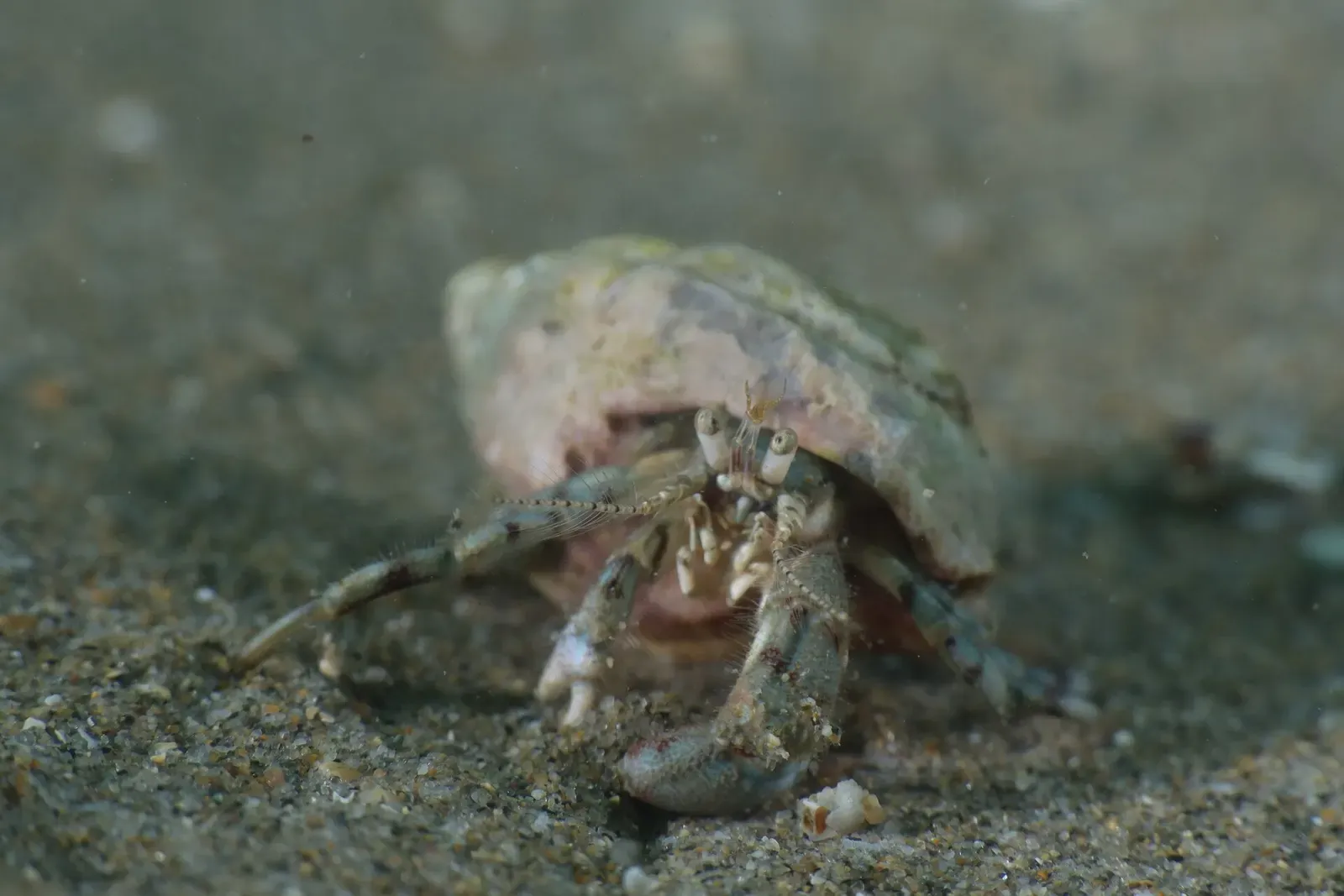
The marbled electric ray, Torpedo marmorata, is the ray reported here by name. Cuttlefish come back close to the coast in April, and the Étang de Thau dives are run to look for seahorses and nudibranchs, though the seahorses can take searching and a guide who knows where they sit. Sharks and pelagic rays are mentioned only as a conditional possibility on offshore outings, not as a draw.
- Reef
- Wreck
- Muck & macro
- Night
- Octopus & cuttlefish
- Nudibranchs
- Macro critters
Notable dive sites in Sète & Frontignan
Lagoon
The deepest point of the Étang de Thau, at 32 m
Reef
Shallow slabs at 7 m, a site for navigation practice
Wreck
A 1905 trader broken in two on sand at 18 m
Artificial reef
Three dumped rock mounds on a bottom of 14 m
Reef
Flat slabs to 10 m on a little-dived, exposed stretch
Two artillery pieces on a sand-and-rock bottom
Le Décapsuleur
A rocky plateau of about 1 m under a coastal monument, leading to arches and crevices along a wall.
Brise-lames
The old submerged breakwater off the harbour, a long rocky ridge close to the port entrance.
Getting there
Montpellier is about 37 km away by road and its Méditerranée airport is the nearest. Sète has its own station on the Bordeaux and Tarascon lines and a ferry terminal with regular Tanger and Nador crossings. Frontignan lies about 7 km northeast of Sète with its own marina, and the open-sea diving leaves by boat from the two harbours.
Photos from Sète & Frontignan
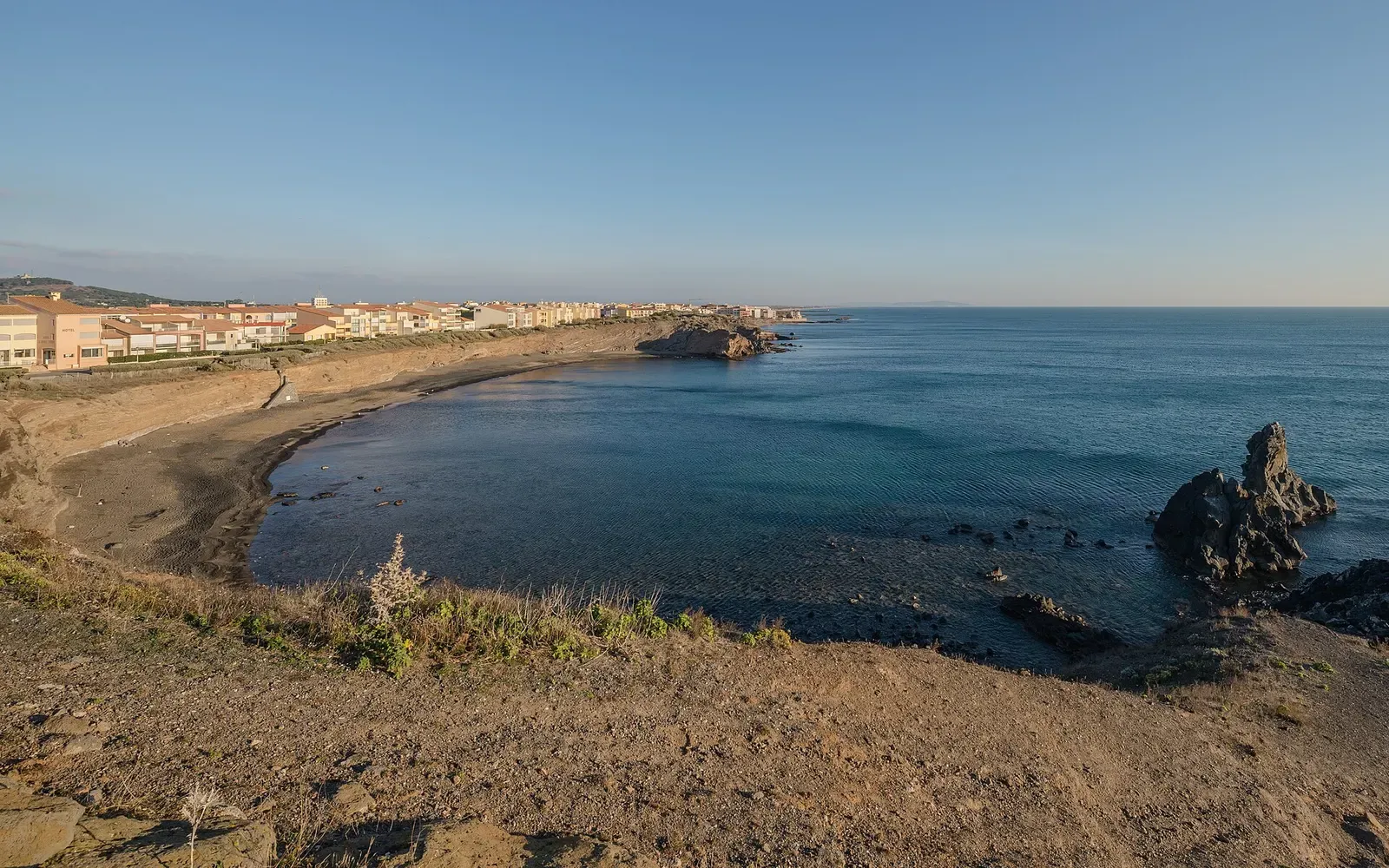
Christian Ferrer · CC BY-SA 4.0
Christian Ferrer · CC BY 4.0
Photo credits
- The Canal de Sète at dusk, lined with moored fishing boats and lit embankment buildings by Christian Ferrer, CC BY 4.0, via Wikimedia Commons
- Gulls flying over a trawler entering Sète harbour at sunset by Christian Ferrer, CC BY-SA 4.0, via Wikimedia Commons
- Two fishing trawlers moored in front of a marina in Sète harbour at golden hour by Christian Ferrer, CC BY 4.0, via Wikimedia Commons
Similar destinations
A no-fishing reserve rock and small wrecks 15 minutes off Montpellier
Lobster-packed coralligenous reefs at 20–24 m off the Île de Brescou
Reserve walls at Bergeggi island and cert-gated gorgonian secche offshore


A cluster of cavern dives at Paleokastritsa, wrecks and reefs off the north-east coast