Togian Islands · Indonesia · Pinnacle · Wall · Reef
Una Una
Thousands of blacktail barracuda over the Apollo slope
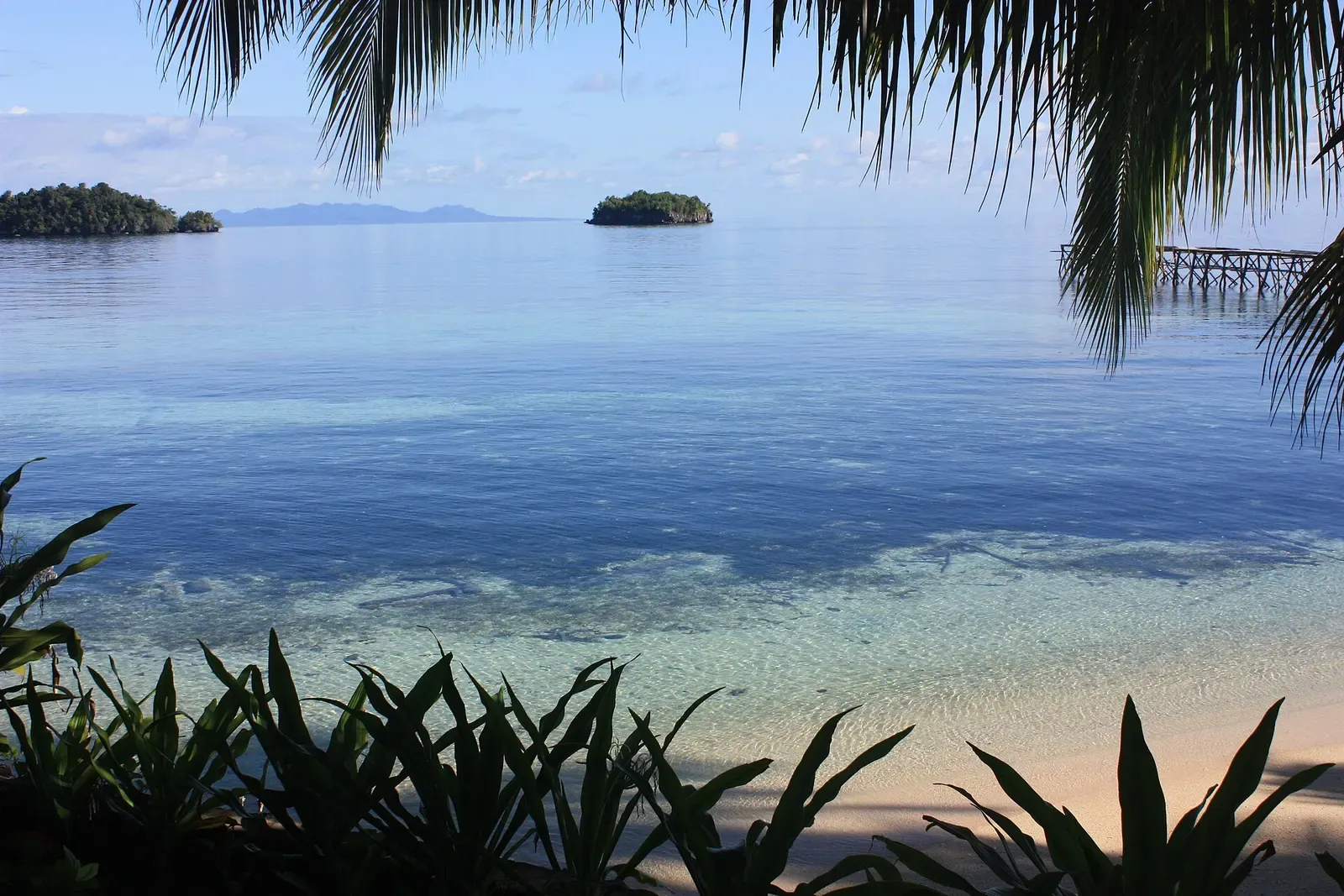
Area photo: Arian Zwegers · CC BY 2.0
A small volcanic island off the north-west of the main Togian group, ringed by deep water. A submerged rock pinnacle on the east coast has walls dropping to 60 m beside it, and on the south-west side Apollo is a patch reef on a sand slope running from 21 m down to 45 m. Both are dived for the fish that mass over them.
Also known as Pulau Una-Una, The Pinnacle, Apollo.
Where it is and how deep
0.1700° S, 121.6083° EPublished position for this site.
The dive
The Pinnacle is a submerged rock on the east coast of the island, with the wall beside it dropping away to 60 m, so the dive is worked around the rock rather than down it. Circle it and the residents come to you: longnose emperors, harlequin sweetlips and midnight snappers hold on the structure, yellowdash and three-striped fusiliers sweep through, and turtles and eagle rays visit often enough that the blue is worth watching.
Near full moon the rock does something else. Lantern tobyfish spawn here in their millions, and the schools stack up so thick around the pinnacle that they close out the light and everything behind them, with the movement alone enough to bring on vertigo. Evidence of bomb damage is visible in the coral around the site, but it has not thinned out the fish life over it.
Apollo is the other half of Una Una, a patch reef on a sloping sandy bed on the south-west side that starts at 21 m and runs down south to 45 m. Divers come for the blacktail barracuda: thousands of these large fish, packed into dense walls that block out the light. Around the reef itself are Napoleon wrasse, black and white snappers, clown triggerfish, yellow-back and purple anthias and moray eels, with rainbow runners passing by in the depths.
Background
Una-Una is a small volcanic island created by the Colo volcano, and most of it was devastated by pyroclastic flows following the volcano's eruption in 1983. The island has been known as a location for scuba diving since the 1990s, and the reefs around it carry marks of their own history: evidence of bomb damage is still visible in the coral garden by the pinnacle on the east coast, though the fish life over it has not suffered for it.
Marine life and season
- Barracuda
- Sea turtles
- Eagle rays
- Napoleon wrasse
- Trevally & jacks
- Reef fish swarms
| Jan | Feb | Mar | Apr | May | Jun | Jul | Aug | Sep | Oct | Nov | Dec |
|---|---|---|---|---|---|---|---|---|---|---|---|
| Fair | Fair | Good | Prime | Prime | Prime | Prime | Prime | Good | Good | Fair | Fair |
Season follows Togian Islands: Mar–Sep is driest and calmest; the wet season from November to February brings rain and rougher inter-island crossings.
Know before you go
- Apollo's sand slope runs from 21 m to 45 m with no natural stopping point, and the wall beside the pinnacle drops to 60 m, so set a hard depth and turn time before you leave the boat.
Dive videos
Diving in Pulau Una-Una, Togean, Sulawesi, Indonesia · ehdave100 on YouTube
Questions divers ask
How deep is the diving at Una Una?+
Apollo, on the south-west side, starts at 21 m at the top of the patch reef and runs down to 45 m on the sand slope, and the walls beside the pinnacle on the east coast drop to 60 m. Neither site is a shallow dive.
What can you see diving Una Una?+
Thousands of blacktail barracuda school over Apollo, alongside Napoleon wrasse, snappers, clown triggerfish, anthias and moray eels. The pinnacle holds longnose emperors, harlequin sweetlips and midnight snappers, with turtles, eagle rays and fusilier schools passing through.
When do the lantern tobyfish spawn at Una Una?+
Near full moon. Millions of them gather around the pinnacle on the east coast, in schools thick enough to block out the light and everything behind them.
Sources
- Una-Una — Wikipedia
- Togian Islands Diving Sites — Dive The World
- Togian Islands — Wikivoyage
In The Logbook
- When does coral spawn? The moon's calendarBig animals · 10 min read
More dive sites in Togian Islands
Wall
The Togians' best odds on schooling scalloped hammerheads
Coral garden
Temple, cabbage and mushroom coral in 15 m of water
Reef
Huge schools of yellow snapper over a southern slope
Reef
Reef network from 30 m down to a small wreck at 10 m
The Crack, a swim-through at 50 m, and night dives at Little Lembeh
Wall
A north-pointing finger from 15 m down to 34 m
Reef
Shallow 12-15 m reef that links across to Pinnacle 2
Reef
An 18-30 m point with good visibility year round
Similar dives elsewhere

A mid-ocean cay dived only when the crossing stays calm
A holed rock at the surface, a coral-covered pinnacle below

Two pinnacles on a 16-metre plateau, with a wall dropping to 60 metres
.jpg)
Giant trevally patrolling three coral-covered pinnacles off Padar