
Belize Barrier Reef · Belize · Pelagic & blue water · Reef
Gladden Spit
Whale sharks feeding on snapper spawn between March and June
Area photo: Axelspace Corporation · CC BY-SA 4.0
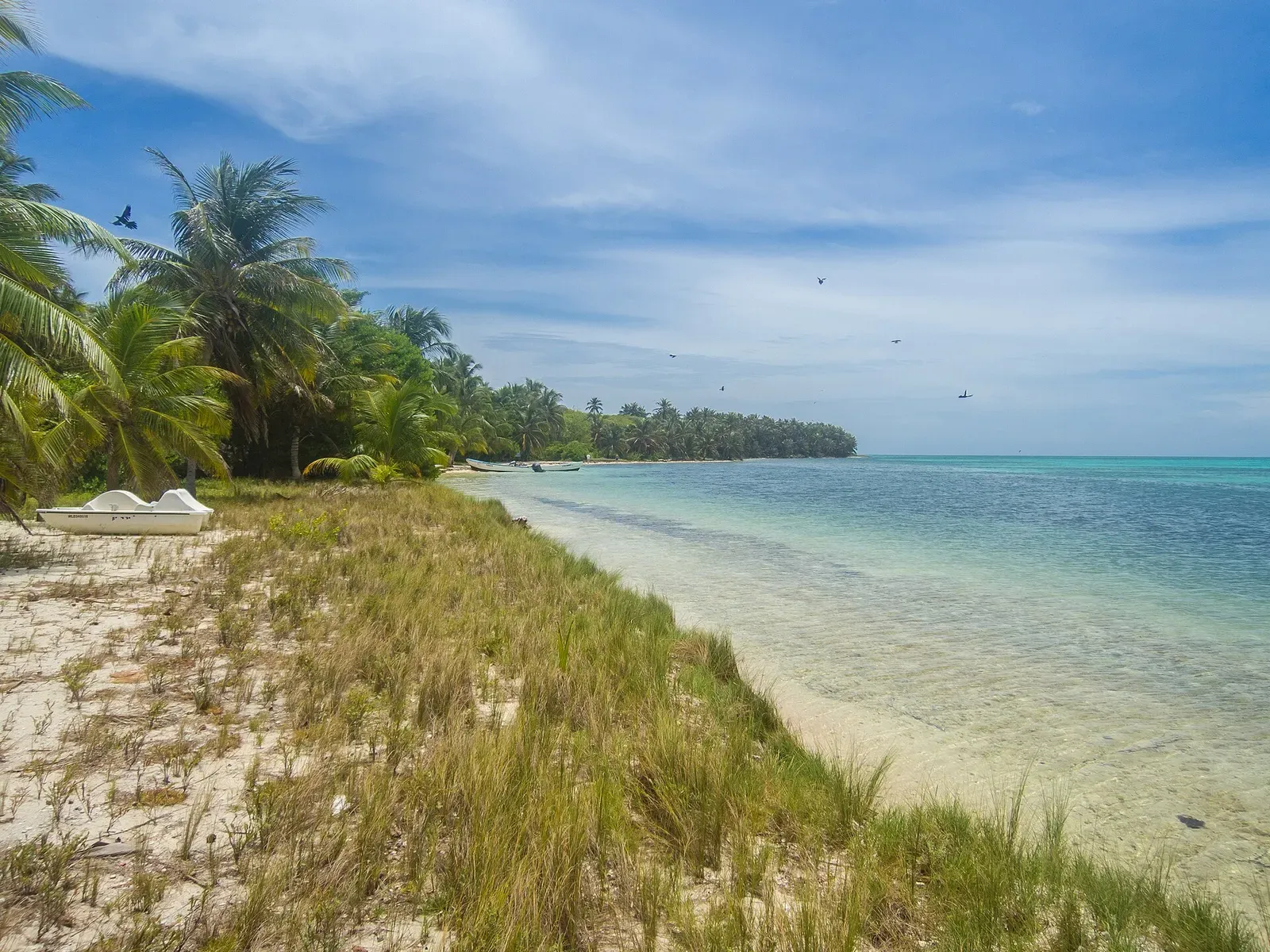
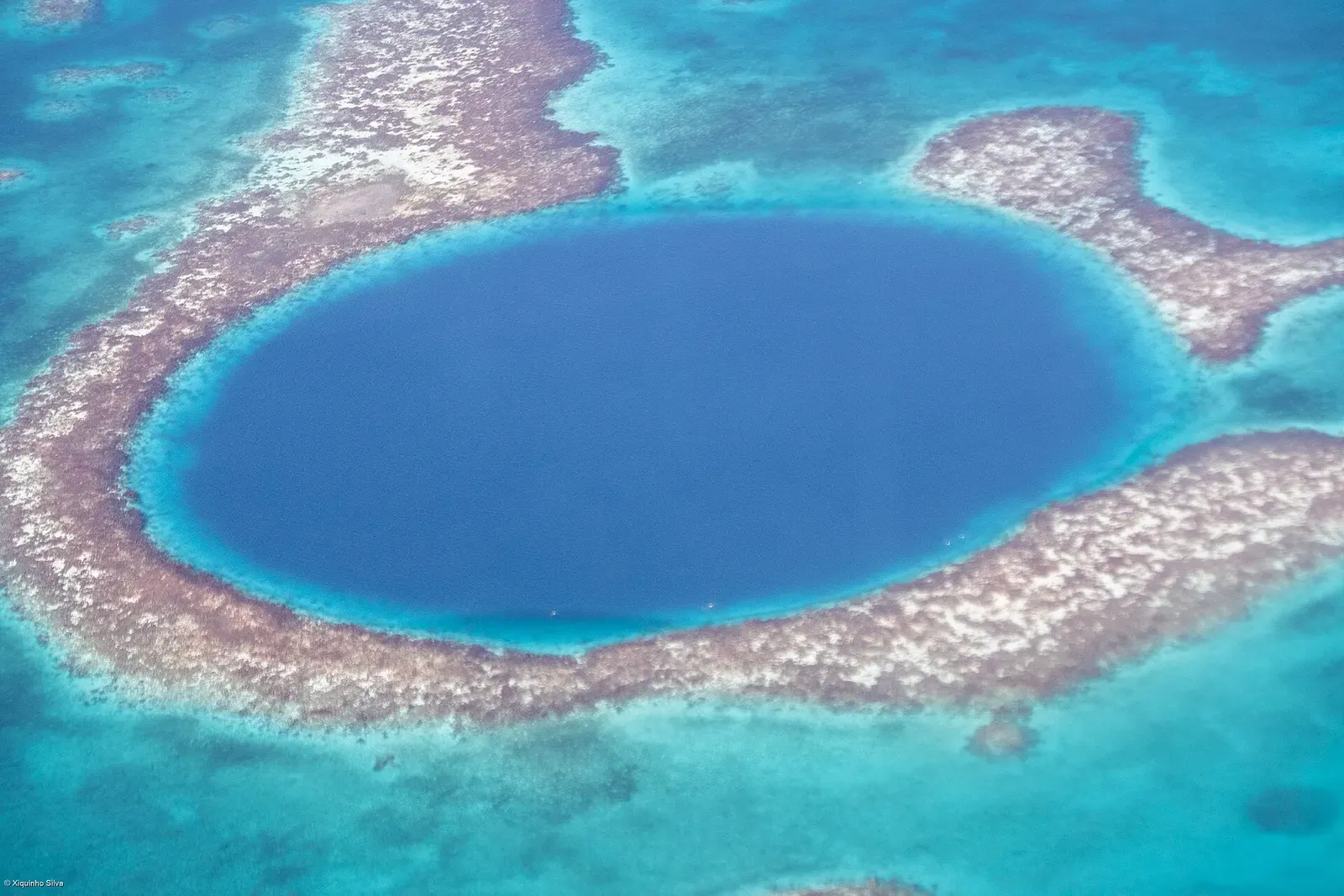
Gladden Spit lies 36 kilometres off Placencia, where a short sloping shelf drops off steeply — from about 40 metres to 2,000 metres within 10 kilometres of the reef. Mutton snapper and grouper hold a ten-day spawning aggregation here between March and June, and whale sharks come in to feed on snapper spawn.
Where it is and how deep
16.5670° N, 88.0330° WPublished position for this site.
The dive
This is a dive about being in the right water at the right time rather than following a reef. A short sloping shelf runs out from the reef and then drops off steeply, reaching between 40 and 2,000 metres within 10 kilometres, and the spawning fish stack up along that edge. Between March and June mutton snapper and grouper hold a ten-day aggregation here, and boats out of Placencia, 36 kilometres away, time their trips to it.
The whale sharks come for the spawn itself, feeding on newly laid pelagic eggs. Cubera snapper work the same edge, gathering into large spawning aggregations set by the lunar cycle between May and August, and whale sharks feed on their eggs too. Over 25 species of reef fish are recorded in the reserve. Nothing is promised: the encounter happens out over the drop rather than on a wall, and the aggregation is a short window, not a season-long fixture.
Background
Fishermen congregated at Gladden Spit to harvest mutton snapper and grouper long before divers came for the whale sharks. The site now lies inside the Gladden Spit and Silk Cayes Marine Reserve, which is divided into a general use zone, a no-take zone around the Silk Cayes, a conch restoration zone, and a whale shark and reef-fish spawning aggregation conservation zone. The reserve comes under the government's Fisheries Department but is managed by the Southern Environmental Association, a community-based organisation.
Marine life and season
- Whale sharks
- Groupers
- Reef fish swarms
| Jan | Feb | Mar | Apr | May | Jun | Jul | Aug | Sep | Oct | Nov | Dec |
|---|---|---|---|---|---|---|---|---|---|---|---|
| Fair | Fair | Prime | Prime | Prime | Fair | Fair | Fair | Fair | Fair | Fair | Fair |
Season follows Belize Barrier Reef: March to May is the dry season, when visibility at Turneffe can pass 30 m (100 ft); rain and northerly winds take the shine off the other months.
Know before you go
- The encounter happens in open water over a shelf that falls towards 2,000 metres, with no reef underneath to reference — hold the guide's depth plan and keep track of the boat.
- The aggregation runs for about ten days at a time between March and June, so trips outside that window are reef dives; plan the dates rather than turning up and hoping.
Dive videos
Whale Shark Diving at Gladden Spit · George Probst on YouTube
Sharks In The Blue - Gladden Spit, Belize · 2DiveTheWorld Robert Schultz on YouTube
Questions divers ask
When can you dive with whale sharks at Gladden Spit?+
Whale sharks come in for the spawn between March and June, when mutton snapper and grouper hold a ten-day aggregation. Cubera snapper spawn on the same edge on lunar cycles between May and August, and whale sharks feed on their eggs as well. Sightings are never guaranteed.
How far is Gladden Spit from Placencia?+
The site lies 36 kilometres (22 miles) off the coast of Placencia, which makes it a full day out. Diving takes place inside a dedicated whale shark and reef-fish spawning aggregation conservation zone, managed by the Southern Environmental Association on behalf of the Fisheries Department.
Sources
- Gladden Spit and Silk Cayes Marine Reserve — Wikipedia
- Cubera snapper — Wikipedia
In The Logbook
- When does coral spawn? The moon's calendarBig animals · 10 min read
- Where to dive with whale sharks, month by monthBig animals · 16 min read
More dive sites in Belize Barrier Reef
Reef
Gullies cut across a submerged spur-and-groove reef
Reef
One big coral bommie ringed by schooling bar jacks
Caribbean reef sharks and bull sharks patrolling a vertical wall
Wall
Eagle rays off a sponge-hung wall on Turneffe's east coast
Ice-age stalactites hanging from 30 m inside a 124-metre shaft
Garden eels on the sand, then a wall that falls past 914 m (3,000 ft)
A 9-metre reef cut, with nurse sharks and stingrays next door
Three big parrotfish species along the top of the wall
Similar dives elsewhere

Schooling scalloped hammerheads in the Kuroshio

Sponge bank from 15 m to 35 m with pelagics off the edge

A blue descent with no reference onto a shelf at 25 m


Current-fed schools of jacks, snapper and barracuda in 22 m